Living With Inflammatory Bowel Disease: Flares, Food, and Follow-Up

IBD mainly includes Crohn’s disease and ulcerative colitis, both of which can cause periods of flare and remission. Symptoms often include diarrhea, abdominal pain, urgency, fatigue, weight loss, and sometimes blood in the stool.
Key Takeaways
- IBD mainly includes Crohn’s disease and ulcerative colitis, both of which can cause periods of flare and remission.
- Symptoms often include diarrhea, abdominal pain, urgency, fatigue, weight loss, and sometimes blood in the stool.
- Treatment may involve anti-inflammatory medicines, immune-modifying therapy, nutrition support, and sometimes surgery.
- Food does not cause IBD, but diet can affect symptoms, especially during flares.
- Regular follow-up helps monitor inflammation, prevent complications, and adjust treatment early.
Inflammatory bowel disease (IBD) is a long-term condition that causes ongoing inflammation in the digestive tract. With the right treatment, food planning, and regular follow-up, many people can reduce flares, protect bowel health, and live active lives.
Overview: What inflammatory bowel disease means
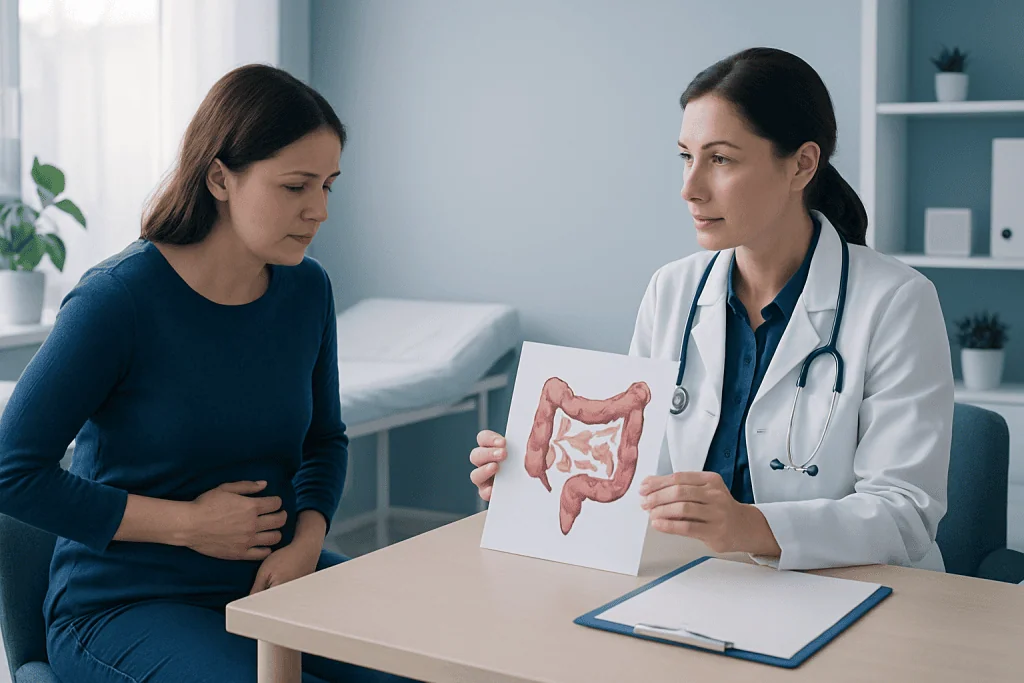
Inflammatory bowel disease is a group of chronic conditions that cause inflammation in the digestive tract. The two main forms are Crohn’s disease and ulcerative colitis. Although they share some symptoms, they affect the bowel in different ways. Crohn’s disease can involve any part of the digestive tract, while ulcerative colitis affects the lining of the colon and rectum.
IBD is not the same as irritable bowel syndrome (IBS). IBS changes how the bowel works but does not cause ongoing inflammation or bowel injury. In contrast, IBD can lead to visible inflammation and, over time, may increase the risk of complications if not well controlled. Some people may also hear the term Crohn’s disease or ulcerative colitis used instead of the broader term IBD.
Most people with IBD go through periods of active symptoms, called flares, and times when symptoms improve, called remission. The aim of treatment is not only to ease symptoms but also to reduce inflammation inside the bowel. This helps support daily comfort, nutrition, growth in younger patients, and long-term bowel health.
Symptoms and what a flare can feel like
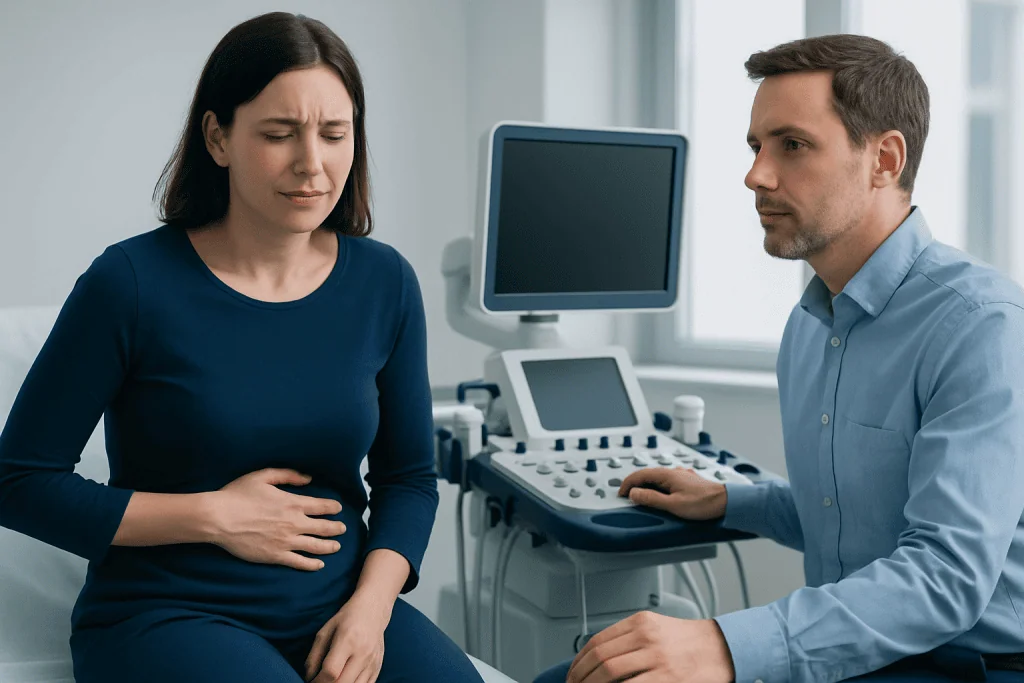
IBD symptoms vary from person to person and depend on which part of the digestive tract is affected. Common symptoms include ongoing diarrhea, abdominal pain, cramping, urgency to use the toilet, and fatigue. Some people notice blood or mucus in the stool, reduced appetite, nausea, or unplanned weight loss.
A flare often means symptoms become stronger or more frequent over days or weeks. A person may feel more tired than usual, need the toilet more urgently, wake at night with bowel symptoms, or find that usual foods become harder to tolerate. Flares can be mild, moderate, or severe, and the pattern is not the same for everyone.
IBD can also affect areas outside the bowel. Some people develop joint pain, mouth ulcers, eye inflammation, or skin changes. Fever, dehydration, or marked weakness can happen during more active disease. Because symptoms can overlap with infections or other digestive conditions, a proper medical assessment is important when symptoms change.
Causes and risk factors
The exact cause of inflammatory bowel disease is not fully understood. Experts believe it develops through a combination of immune system changes, genetic tendency, and environmental triggers. In IBD, the immune system reacts in a way that leads to ongoing inflammation in the digestive tract.
IBD is not caused by stress alone, and it is not caused by a single food. However, stress can make symptoms feel worse for some people, and certain foods may aggravate symptoms during a flare. Family history can increase risk, and some people are diagnosed in adolescence or early adulthood, though IBD can begin at any age.
Smoking is an important risk factor, especially for Crohn’s disease, and stopping smoking can be a key part of care. Some medicines, infections, or changes in the gut environment may also influence symptoms. It can be helpful to think of IBD as a medical condition with many influences rather than something caused by one personal habit.
How IBD is diagnosed and monitored
Diagnosis usually begins with a discussion of symptoms, bowel habits, weight changes, past medical history, and family history. A doctor may also ask about travel, infections, medicines, and whether there is blood in the stool. Blood tests can look for signs of inflammation, anemia, or nutritional problems, and stool tests can help rule out infection and check for markers of bowel inflammation.
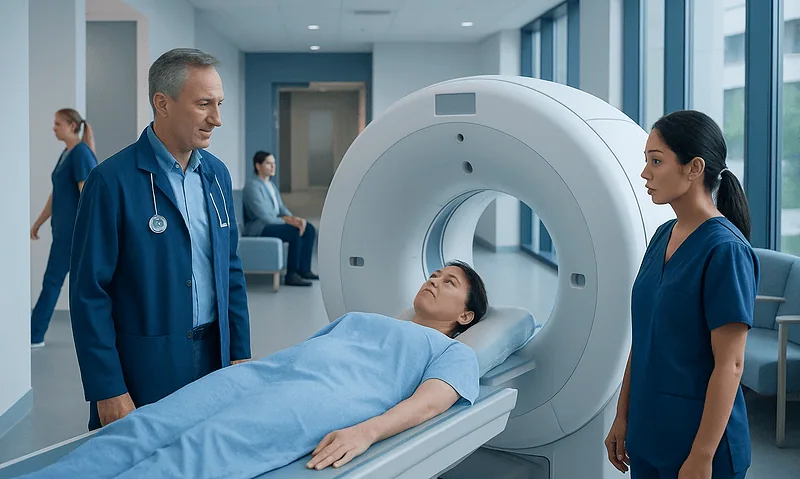
Endoscopy is often central to diagnosis. A colonoscopy allows the doctor to look directly at the bowel lining and take small tissue samples, called biopsies, for confirmation. Imaging tests such as MRI, CT, or intestinal ultrasound may be used to assess the small bowel, fistulas, abscesses, or other complications. In some cases, evaluation may include colonoscopy or digestive endoscopy as part of the work-up.
Follow-up remains important even after diagnosis. Doctors monitor symptoms, blood work, stool tests, and sometimes repeat endoscopy or imaging to see whether treatment is truly controlling inflammation. This matters because a person can occasionally feel better while hidden inflammation continues. Regular review helps guide treatment changes before complications develop.
Treatment options for long-term control
IBD treatment is tailored to the individual, the severity of symptoms, and whether the condition is Crohn’s disease or ulcerative colitis. Common goals are to relieve symptoms, heal bowel inflammation, maintain remission, and reduce the risk of hospital admissions or surgery. Medicines may include anti-inflammatory drugs, corticosteroids for short-term flare control, immune-modifying medicines, and biologic or other targeted therapies.
Not every patient needs the same treatment path. Some people respond well to standard medicines, while others need advanced therapies if symptoms remain active or complications appear. Nutrition support, iron replacement, vitamin supplementation, and treatment of associated issues such as anemia may also be part of care. When appropriate, doctors may discuss options available through a specialist gastroenterology service.
Surgery may be recommended if medicines do not control disease well enough or if complications arise, such as strictures, severe bleeding, fistulas, or perforation. Surgery does not mean treatment has failed; for some patients it is an important part of long-term management. Near the end of the care journey, some international patients may choose evaluation at centers such as Acibadem International, where multidisciplinary specialists in JCI-accredited hospitals diagnose and treat IBD with coordinated medical and surgical care.
Food, nutrition, and self-care during flares
Food does not cause IBD, but eating patterns can influence comfort. During a flare, people often find that smaller, more frequent meals are easier to tolerate than large meals. Adequate fluids are important, especially if diarrhea is frequent. Some people temporarily do better with lower-fiber choices when the bowel is very irritated, while others benefit from avoiding foods that they already know trigger symptoms.
There is no single IBD diet that works for everyone. Keeping a simple food and symptom record may help identify personal patterns without becoming overly restrictive. A dietitian can help ensure enough calories, protein, vitamins, and minerals, particularly if weight loss, reduced appetite, or food avoidance is a problem. Children, teenagers, pregnant patients, and older adults may need especially careful nutrition planning.
Self-care also includes sleep, stress management, regular movement as tolerated, and taking medicines exactly as prescribed. It is usually best to avoid stopping treatment just because symptoms improve, since inflammation can return quietly. Some patients also need support to stop smoking, protect bone health, or stay up to date with vaccines recommended by their medical team.
- Choose fluids regularly to reduce dehydration.
- Eat gentle, balanced meals during flares if tolerated.
- Discuss supplements with a doctor rather than starting them alone.
- Seek dietitian advice before making major long-term restrictions.
Preventing complications and staying on track with follow-up
Good follow-up is one of the most important parts of living well with IBD. Even when symptoms are stable, regular appointments help check whether the bowel is healing, whether medicines are still working, and whether side effects need attention. This may include blood tests, stool inflammation markers, nutritional review, and screening for anemia or vitamin deficiency.
People with long-standing colitis may need scheduled colon cancer surveillance, because chronic inflammation can increase risk over time. Follow-up also helps doctors watch for narrowing of the bowel, fistulas, abscesses, or growth and puberty concerns in younger patients. If treatment needs to be stepped up, planning early can reduce the chance of more severe flares later.
Many people find it useful to prepare for visits by tracking bowel frequency, pain, energy level, weight changes, and any new symptoms. Bringing questions about work, school, exercise, travel, pregnancy, or vaccinations can make appointments more practical and reassuring. Coordinated care may involve gastroenterologists, surgeons, dietitians, radiologists, and, when needed, specialists in general surgery.
When to see a doctor urgently
Anyone with ongoing diarrhea, blood in the stool, unexplained weight loss, or persistent abdominal pain should arrange a medical assessment. A person already diagnosed with IBD should contact their care team if symptoms are clearly worsening, if they cannot keep fluids down, or if usual medicines no longer seem effective. Changes should not be assumed to be “just another flare,” because infection or a complication can sometimes look similar.
Urgent medical attention is especially important for severe abdominal pain, a swollen abdomen, high fever, heavy rectal bleeding, fainting, signs of dehydration, or very frequent diarrhea. These symptoms can point to a serious flare or another condition that needs prompt treatment. Early review is often the safest way to prevent a more difficult recovery.
IBD can be demanding, but many people achieve good symptom control and maintain work, study, travel, and family life. A treatment plan that combines medicine, nutrition, lifestyle support, and regular follow-up gives the best chance of staying well between flares. A qualified doctor can help tailor that plan to the individual’s needs and stage of disease.
Frequently asked questions
What is the difference between Crohn’s disease and ulcerative colitis?
Both are forms of inflammatory bowel disease, but they affect the digestive tract differently. Crohn’s disease can involve any part of the digestive tract and may affect deeper layers of the bowel wall, while ulcerative colitis affects the inner lining of the colon and rectum.
Can food cause inflammatory bowel disease?
Food is not considered the cause of IBD. However, certain foods may worsen symptoms during a flare, and nutrition can play an important role in comfort, energy, and healing.
How long does an IBD flare last?
The length of a flare varies widely from person to person. Some flares improve with prompt treatment over days to weeks, while others last longer and need closer medical follow-up or treatment changes.
Is inflammatory bowel disease curable?
IBD is usually a lifelong condition, but it can often be managed effectively. The goal is to achieve remission, reduce inflammation, prevent complications, and support a good quality of life.
Will everyone with IBD need surgery?
No, many people are treated successfully with medicines and monitoring. Surgery is usually considered when complications develop or when symptoms are not controlled well enough with medical treatment.
Why is regular follow-up needed if symptoms improve?
Symptoms do not always reflect the full level of inflammation inside the bowel. Regular follow-up helps doctors check healing, watch for side effects or nutritional problems, and adjust treatment before a flare becomes more serious.
References
- World Health Organization
- National Institute of Diabetes and Digestive and Kidney Diseases
- Crohn’s & Colitis Foundation
- American College of Gastroenterology
- European Crohn's and Colitis Organisation
This article is for general information only and is not a substitute for professional medical advice. Please consult a qualified doctor about your individual situation.
Inflammatory Bowel in Turkey — costs, top hospitals & a free quote
JCI-accredited · board-certified surgeons · reply within 24h
Add us as a Preferred Source to see more of our trusted health content across Google Search, AI Overviews and Discover.

Gastroenterology
Diagnosis and treatment of the digestive system and liver, with advanced endoscopy.
46 specialists in this unit