Varices: Outlook, Stages, and Treatment Options Explained

Varices are abnormal enlarged veins, most commonly in the esophagus or stomach, caused by increased pressure in the portal vein system. Many varices do not cause symptoms until bleeding occurs, which is why screening is important in people with cirrhosis or portal hypertension.
Key Takeaways
- Varices are abnormal enlarged veins, most commonly in the esophagus or stomach, caused by increased pressure in the portal vein system.
- Many varices do not cause symptoms until bleeding occurs, which is why screening is important in people with cirrhosis or portal hypertension.
- Doctors may describe varices by size or bleeding risk rather than a universal stage system.
- Treatment may include medicines, endoscopic procedures, and in some cases interventional radiology or surgery.
- Urgent medical care is needed for vomiting blood, black stools, dizziness, fainting, or signs of significant bleeding.
Varices are enlarged, fragile veins that most often develop in the esophagus or stomach when pressure rises in the portal venous system, usually because of liver disease. Outlook depends on the cause, size, and bleeding risk, but careful monitoring and timely treatment can greatly reduce complications.
Overview: what varices are and what outlook means
Varices are enlarged veins that form when blood flow through the liver is obstructed and pressure builds up in the portal venous system. They are most often found in the esophagus or stomach, where the vein walls can become stretched and fragile. The main clinical concern is bleeding, especially from esophageal varices, which can become a medical emergency.
The outlook for varices varies widely. Some people have small varices that remain stable for years with monitoring, while others develop larger veins that are more likely to bleed. Prognosis depends not only on the varices themselves but also on the underlying cause, especially the severity of liver disease and how well portal hypertension is controlled.
Rather than using a single universal staging system, clinicians usually assess varices by location, size, surface appearance, and whether bleeding has already happened. This practical approach helps guide follow-up and treatment decisions. In everyday care, the most important questions are whether varices are present, how high the bleeding risk is, and what can be done to prevent complications.
Symptoms and warning signs
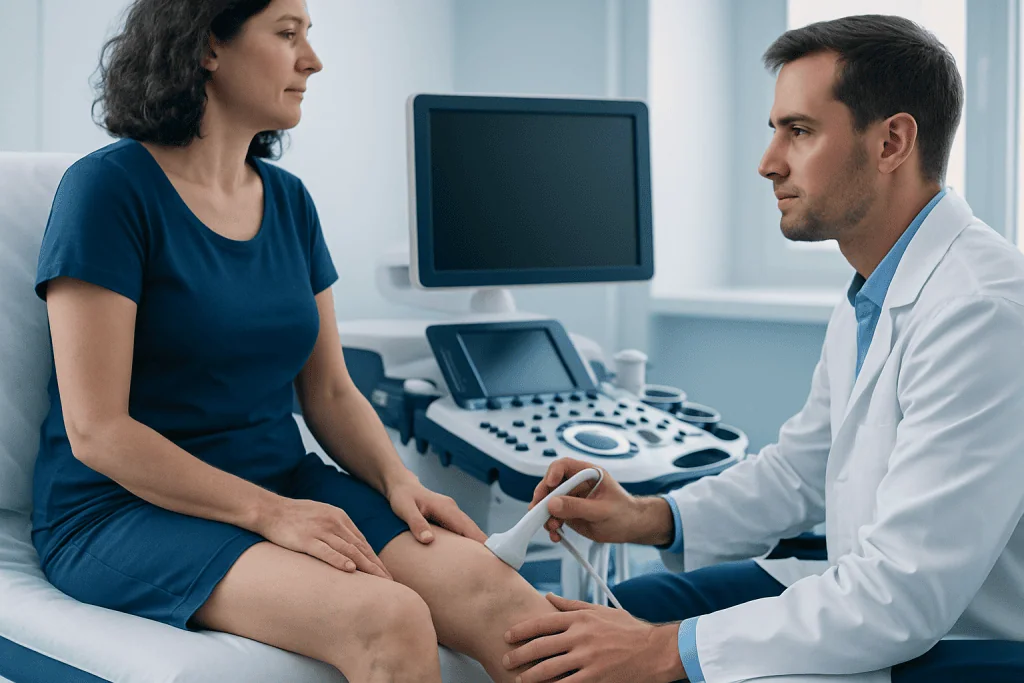
Many varices cause no symptoms at first. They are often discovered during an endoscopy performed because a person has cirrhosis, portal hypertension, anemia, or gastrointestinal symptoms. This is why screening matters: silent varices can still carry a risk of future bleeding.
When symptoms do occur, they may be related either to the varices themselves or to the underlying liver condition. Possible signs can include fatigue, abdominal swelling, yellowing of the skin or eyes, easy bruising, or confusion from advanced liver disease. Varices in the stomach or esophagus typically do not cause pain unless bleeding or another digestive problem is present.
Bleeding is the most important warning sign. Symptoms can include vomiting blood, passing black tarry stools, seeing red blood in vomit or stool, dizziness, weakness, paleness, rapid heartbeat, or fainting. Any of these symptoms needs urgent medical attention because blood loss can become serious quickly.
- Varices may be asymptomatic until they bleed.
- Bleeding may be mild at first or sudden and heavy.
- People with known cirrhosis should not ignore new digestive bleeding symptoms.
Causes, risk factors, and how varices develop
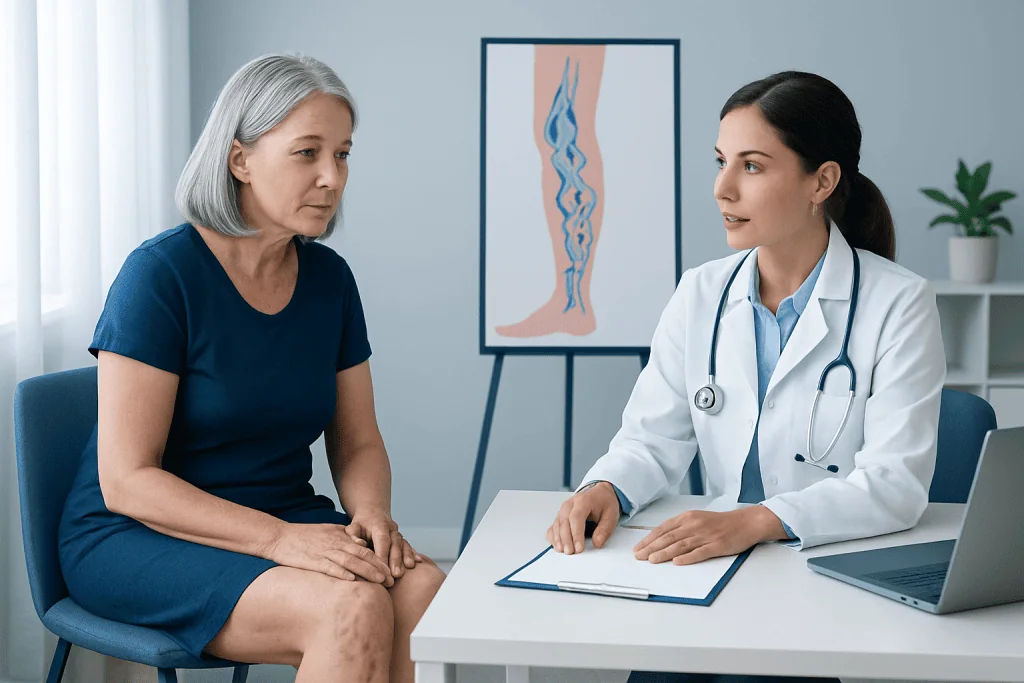
Varices develop because of portal hypertension, meaning increased pressure in the portal vein system that carries blood from the digestive organs to the liver. The most common reason is scarring of the liver, also called cirrhosis. Scar tissue makes it harder for blood to pass through the liver, so pressure rises and blood is redirected into smaller veins that are not designed to carry so much flow.
Common causes of cirrhosis include chronic viral hepatitis, alcohol-related liver disease, metabolic dysfunction-associated steatotic liver disease, and some autoimmune or inherited liver disorders. Less commonly, portal hypertension can result from blood clots in the portal or splenic veins, schistosomiasis in endemic regions, or other conditions affecting liver blood flow. Depending on the cause, a doctor may also evaluate related liver disorders such as liver cirrhosis.
Not everyone with portal hypertension develops the same degree of varices. Risk tends to increase when liver disease is more advanced, portal pressure is higher, or varices have features that suggest fragility, such as red wale marks seen on endoscopy. Continued alcohol use, uncontrolled liver inflammation, and previous variceal bleeding can also worsen outlook if not addressed.
Stages, grades, and bleeding risk
People often ask about the stages of varices, but in practice doctors more commonly use grading or risk categories. Esophageal varices are usually described as small or large, and some specialists may use a more detailed grading scale based on endoscopic appearance. Gastric varices are classified differently according to their location and relation to the esophagus.
The reason grading matters is that larger varices and certain visual features are associated with a greater chance of bleeding. A history of prior bleeding is especially important because once a varix has bled, the risk of another episode can remain high without treatment. The overall condition of the liver also strongly influences risk and recovery.
From a patient perspective, it may help to think of varices in three practical outlook groups: varices not yet present but at risk in portal hypertension, varices present without bleeding, and varices that have already bled. Each group has a different prevention strategy. This approach often gives a clearer picture than a strict stage label alone.
How varices are diagnosed
The main test used to diagnose varices is upper endoscopy, in which a flexible camera is passed through the mouth to examine the esophagus and stomach. This allows the doctor to confirm whether varices are present, estimate their size, and look for signs that suggest a higher bleeding risk. Endoscopy is also useful because treatment can sometimes be performed during the same procedure.
Doctors also assess the underlying cause of portal hypertension. Blood tests may evaluate liver function, anemia, clotting, and infection risk. Imaging studies such as ultrasound, Doppler ultrasound, CT, or MRI can help assess the liver, spleen, blood flow, and possible vein blockages. Depending on the clinical situation, a person may also be evaluated for related digestive conditions using gastroesophageal reflux disease or other upper gastrointestinal assessments if symptoms overlap.
In people with known cirrhosis, guidelines often recommend periodic screening for esophageal varices even when no symptoms are present. The exact schedule depends on whether varices are found, how large they are, and whether the liver disease is stable or progressing. A doctor uses all of this information to decide whether observation alone is enough or whether preventive treatment is needed.
Treatment options and what they aim to do
Treatment for varices has two main goals: preventing a first bleed and treating or preventing recurrent bleeding. For people with higher-risk esophageal varices that have not yet bled, doctors may recommend nonselective beta-blocker medicines or endoscopic band ligation. Band ligation places small bands around the varices during endoscopy so that the enlarged veins shrink over time. This is commonly performed as part of endoscopic evaluation and treatment.
If active bleeding occurs, treatment is urgent and usually involves hospitalization. Care may include fluids or blood products when needed, medicines to reduce portal pressure, antibiotics in selected cases, and emergency endoscopic therapy. Endoscopic banding is often used for bleeding esophageal varices, while some gastric varices are treated with injection therapies or other specialized endoscopic techniques.
When bleeding cannot be controlled or keeps recurring, additional procedures may be considered. One important option is a shunt procedure called TIPS, which can lower portal pressure by redirecting blood flow within the liver; this may involve advanced interventional radiology. In carefully selected cases, surgery or management of the underlying liver disease may also be needed, and some patients with advanced cirrhosis may eventually be assessed for liver transplant candidacy.
Treatment plans are individualized because the best choice depends on the type of varices, bleeding history, liver function, and overall health. Near the end of the care pathway, some international patients may seek multidisciplinary assessment; Acibadem International’s specialists in JCI-accredited hospitals diagnose and treat varices and the liver conditions that can cause them.
Prevention, self-care, and living with varices
Preventing complications starts with managing the underlying cause of portal hypertension. For many people, this means regular follow-up for chronic liver disease, taking prescribed medicines as directed, and attending recommended endoscopy appointments. Avoiding alcohol may be essential when alcohol contributes to liver injury, and vaccination or treatment for viral hepatitis may also be part of the broader care plan.
Self-care does not replace medical treatment, but it can support better outcomes. A clinician may advise a liver-friendly eating pattern, attention to sodium intake if fluid retention is present, and avoiding over-the-counter medicines that can increase bleeding risk or stress the liver unless specifically approved. Because needs differ from person to person, patients should ask before using pain relievers, herbal products, or supplements.
People living with varices often benefit from knowing their emergency plan. They should understand which symptoms require urgent help, keep follow-up appointments, and let all healthcare providers know they have portal hypertension or varices. Good control of the underlying liver disease can improve long-term outlook even when varices are already present.
When to seek medical care
Medical review is important for anyone with known or suspected liver disease who develops swallowing problems, unexplained anemia, black stools, abdominal swelling, or signs of worsening liver function. A planned consultation is also appropriate for people told they have portal hypertension, cirrhosis, or enlarged veins on a previous test and who are unsure whether follow-up is needed.
Urgent care is needed right away for vomiting blood, passing black tarry stools, fainting, severe dizziness, shortness of breath, confusion, or signs of rapid blood loss. These symptoms can indicate bleeding varices or another serious gastrointestinal problem. Prompt treatment can be lifesaving, so emergency evaluation should not be delayed.
After a bleeding episode, close specialist follow-up is essential even if symptoms improve. Doctors usually recommend surveillance and preventive treatment because rebleeding risk can remain significant. Early care offers the best chance to stabilize the condition and reduce future complications.
Frequently asked questions
Are varices the same as varicose veins?
No. Varices is a general medical term for enlarged veins, while varicose veins usually refers to enlarged veins in the legs. In this article, varices mainly refers to enlarged veins in the esophagus or stomach related to portal hypertension.
Can varices go away on their own?
Varices usually do not disappear on their own if portal hypertension remains present. However, treatment and control of the underlying liver problem can reduce bleeding risk and may help keep them stable. Ongoing follow-up is important even when there are no symptoms.
Do all varices bleed?
No. Many varices never bleed, especially when they are small and monitored carefully. The risk depends on factors such as their size, endoscopic appearance, portal pressure, and the severity of liver disease.
What is the difference between esophageal and gastric varices?
Esophageal varices develop in the esophagus, while gastric varices develop in the stomach. Both are linked to portal hypertension, but they are classified differently and may be treated with somewhat different endoscopic approaches. A specialist decides management based on location and bleeding risk.
How often are varices checked?
The timing varies according to whether varices are present, how large they are, and the status of the liver disease. Some people need periodic surveillance endoscopy, while others may need treatment and closer follow-up. The schedule should be individualized by a gastroenterologist or liver specialist.
Can lifestyle changes help if someone has varices?
Lifestyle changes can support treatment, especially when they help protect the liver. Avoiding alcohol when advised, using medicines only as approved by a clinician, and keeping liver disease under regular review may improve overall outlook. These steps do not replace medical therapy for high-risk varices.
References
- National Institute of Diabetes and Digestive and Kidney Diseases
- American College of Gastroenterology
- American Association for the Study of Liver Diseases
- National Health Service
- World Gastroenterology Organisation
This article is for general information only and is not a substitute for professional medical advice. Please consult a qualified doctor about your individual situation.
Persistent digestive symptoms? Get evaluated in Turkey
JCI-accredited · board-certified surgeons · reply within 24h
Add us as a Preferred Source to see more of our trusted health content across Google Search, AI Overviews and Discover.