Opd: Symptoms, Causes, and Treatment — Complete Patient Guide

OPD means outpatient department, not a specific disease. OPD care covers same-day consultations, tests, minor procedures, and follow-up visits.
Key Takeaways
- OPD means outpatient department, not a specific disease.
- OPD care covers same-day consultations, tests, minor procedures, and follow-up visits.
- People should seek urgent medical help for severe or sudden symptoms such as chest pain, trouble breathing, or stroke warning signs.
- Preparing for an OPD visit with medication lists, test results, and questions can make care more effective.
- OPD treatment depends on the medical problem and may include evaluation, imaging, medicines, referrals, or procedures.
OPD usually stands for outpatient department, the part of a hospital or clinic where patients are assessed, tested, treated, and sent home the same day. Understanding how OPD care works can help people prepare for visits, recognize when symptoms need prompt assessment, and use healthcare services more confidently.
What OPD Means and How It Works
OPD most commonly means outpatient department. This is the area of a hospital or clinic where patients receive medical care without being admitted overnight. In practical terms, OPD is where people go for specialist consultations, routine checkups, diagnostic tests, minor procedures, and follow-up appointments.
Many people search for “OPD symptoms” or “OPD treatment,” but OPD itself is not a diagnosis. Instead, it is a healthcare setting. Symptoms belong to the underlying health problem being assessed in OPD, and treatment depends on what the medical team finds during the visit.
Outpatient care is designed for conditions that can be safely evaluated or managed on the same day. A person may register, meet a doctor, have blood tests or imaging, receive advice or medication, and return home afterward. If the findings suggest a more serious problem, the doctor may arrange admission, emergency care, or referral to another department.
What Services Are Usually Provided in OPD
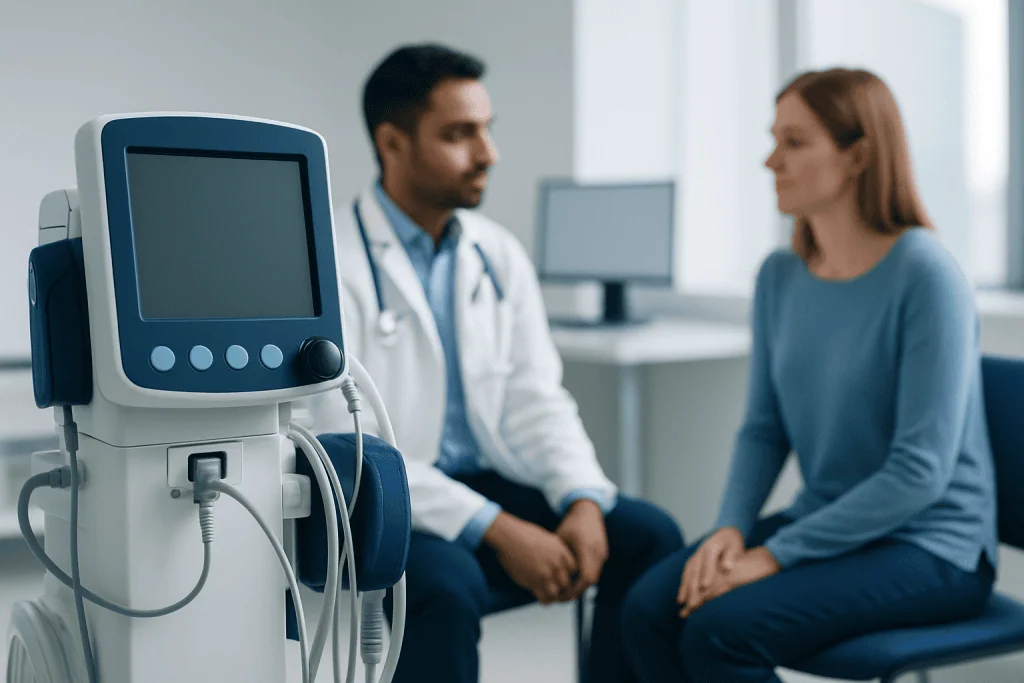
The outpatient department can include many types of services. General practitioners and specialists use OPD clinics to assess symptoms, monitor chronic conditions, review test results, and guide treatment decisions. It is often the first point of contact for non-emergency concerns.
Typical OPD services may include:
- General medical consultations and physical examinations
- Specialist reviews in areas such as cardiology, orthopedics, neurology, gynecology, or dermatology
- Laboratory testing and diagnostic imaging
- Prescription review and medication adjustments
- Vaccinations, dressings, injections, and some minor procedures
- Follow-up after surgery, hospitalization, or emergency treatment
Depending on symptoms, a doctor may recommend further testing such as blood work, ultrasound, CT, MRI, endoscopy, or heart studies. For example, imaging arranged through MRI scanning or CT scanning may help clarify the cause of persistent pain, neurological symptoms, or other unexplained complaints.
Common Reasons People Visit OPD

People visit OPD for a wide range of health concerns. Some attend for new symptoms that need evaluation, while others go for ongoing management of a known condition such as diabetes, asthma, arthritis, thyroid disease, or high blood pressure. Children, adults, and older adults may all use OPD services.
Common reasons for an OPD visit include fever, cough, digestive discomfort, skin rashes, headaches, back or joint pain, menstrual concerns, urinary symptoms, fatigue, or follow-up after an abnormal test. Chronic conditions often require regular outpatient review to monitor symptoms, adjust medicines, and prevent complications.
Some people are referred to OPD after a screening test or a primary care appointment. Others attend because symptoms suggest a condition that needs specialist assessment, such as arrhythmia when palpitations occur, or migraine when recurrent headaches affect daily life. The exact pathway depends on the symptom pattern, medical history, and urgency.
Symptoms That May Need OPD Assessment
Because OPD is a care setting rather than an illness, there is no fixed list of “OPD symptoms.” Instead, outpatient departments evaluate symptoms that are important but not immediately life-threatening. These can be new, persistent, worsening, or recurrent symptoms that deserve medical attention.
Examples include:
- Persistent fever, cough, or sore throat
- Abdominal pain, nausea, diarrhea, constipation, or bloating
- Headaches, dizziness, numbness, or balance problems
- Back pain, neck pain, joint swelling, or limited movement
- Skin changes such as rashes, itching, or unusual moles
- Palpitations, mild chest discomfort, or unexplained tiredness
- Urinary burning, frequency, or pelvic discomfort
- Weight change, poor sleep, low mood, or reduced appetite
A useful way to think about symptoms is by duration, severity, and impact. Symptoms that are mild but continue, keep returning, disturb sleep, affect work or school, or do not improve with simple self-care are good reasons to book an outpatient appointment. The doctor’s role is to determine whether the cause is minor, chronic, or potentially serious.
Some symptoms overlap between conditions, which is why diagnosis matters. For instance, abdominal discomfort might reflect indigestion, gallbladder disease, infection, or inflammatory bowel conditions. In these situations, structured outpatient evaluation is often safer than self-diagnosis.
How Doctors Diagnose Problems in OPD
Diagnosis in OPD begins with a careful history and physical examination. The doctor usually asks when symptoms started, what makes them better or worse, whether there are associated symptoms, and whether there is any relevant personal or family medical history. Current medicines, allergies, smoking, alcohol use, and recent travel may also be important.
Based on this assessment, the doctor may order tests. These may include blood tests, urine tests, throat swabs, ECG, lung function testing, ultrasound, X-ray, CT, or MRI. Some digestive symptoms may lead to referral for endoscopy if a closer look at the upper digestive tract is needed.
Not every OPD visit requires extensive testing. In many cases, the diagnosis can be made clinically, especially for common infections, musculoskeletal strain, allergic conditions, or stable chronic diseases. When symptoms are more complex, the doctor may arrange follow-up visits to review results and refine the diagnosis over time.
A well-prepared patient can help the process. Bringing a list of symptoms, previous reports, current medications, and questions can save time and improve communication. If symptoms come and go, it may help to note when they occur and what activities, foods, or circumstances seem to trigger them.
Treatment Options in OPD
OPD treatment depends entirely on the underlying cause. The outpatient setting may be used for simple advice and reassurance, short-term medicines, long-term management of chronic illness, physiotherapy referral, lifestyle guidance, or planning a procedure. Many conditions can be effectively managed without hospital admission.
Treatment may include rest, hydration, dietary changes, monitoring, prescriptions, wound care, injections, rehabilitation, or specialist referral. For chronic conditions, treatment often focuses on controlling symptoms, reducing flare-ups, and preventing complications through regular review.
In some cases, outpatient care includes procedures or coordinated specialty treatment. A person with persistent symptoms may need diagnostic imaging, a minor intervention, or referral to a surgeon or other specialist. If there are concerning findings, the doctor may recommend closer monitoring, same-day emergency assessment, or inpatient care.
Near the end of the care pathway, some patients may benefit from multidisciplinary review, especially when symptoms involve more than one body system. Acibadem International’s multidisciplinary specialists and JCI-accredited hospitals evaluate and treat many conditions through coordinated outpatient and inpatient services for international patients.
Preparing for an OPD Visit and Self-Care Between Appointments
Good preparation can make an OPD visit more productive. Patients are often advised to bring identification, insurance documents if relevant, referral notes, a list of current medications, and copies of recent test results. Writing down symptoms and questions beforehand can help ensure the most important concerns are discussed.
Simple self-care between appointments may support recovery, depending on the condition. This can include staying hydrated, getting adequate sleep, following medication instructions, avoiding known symptom triggers, and keeping follow-up appointments. However, self-care should not replace medical review when symptoms are persistent, worsening, or unexplained.
People with chronic conditions may also benefit from monitoring symptoms at home. Examples include checking blood pressure, tracking headaches, recording blood sugar if advised, or noting changes in bowel habits or breathing symptoms. These records can help the doctor judge whether treatment is working and whether further testing is needed.
When to Seek Medical Care
Outpatient care is appropriate for many non-emergency health concerns, but some symptoms need faster attention. A person should seek urgent or emergency care rather than waiting for a routine OPD visit if they have severe chest pain, sudden shortness of breath, signs of stroke, fainting, seizures, heavy bleeding, major injury, or severe allergic reactions.
Prompt medical assessment is also important for high fever with confusion, severe dehydration, sudden weakness, a new severe headache, or rapidly worsening abdominal pain. In children, older adults, pregnant individuals, and people with weakened immune systems, symptoms may become serious more quickly and should be assessed early.
For non-urgent but persistent symptoms, booking an OPD appointment is sensible if symptoms last longer than expected, return repeatedly, interfere with normal life, or do not improve with reasonable self-care. If there is uncertainty about where to go, contacting a healthcare professional for guidance is the safest option.
Frequently asked questions
What does OPD mean in a hospital?
OPD usually means outpatient department. It is the part of a hospital or clinic where patients receive consultations, tests, treatments, and follow-up care without staying overnight.
Is OPD the same as emergency care?
No. OPD is generally for planned or non-emergency medical assessment and treatment. Emergency care is for urgent or life-threatening symptoms that need immediate attention.
Can a person be admitted to the hospital after an OPD visit?
Yes. If the doctor finds that a condition needs closer monitoring, urgent treatment, surgery, or more advanced evaluation, hospital admission may be recommended. Many people, however, are treated and sent home the same day.
What should someone bring to an OPD appointment?
It is helpful to bring identification, referral documents if available, medication lists, allergy information, and previous test results. A short written summary of symptoms and questions can also make the visit more efficient.
Does OPD treatment always involve tests?
Not always. Some conditions can be diagnosed from the medical history and physical examination alone. Tests are ordered when they are needed to confirm a diagnosis, rule out serious causes, or guide treatment.
How does a person know whether to choose OPD or emergency care?
Mild to moderate symptoms that are persistent, recurrent, or unexplained are often suitable for OPD assessment. Severe symptoms such as chest pain, sudden breathing difficulty, stroke warning signs, or major injury should be treated as emergencies.
This article is for general information only and is not a substitute for professional medical advice. Please consult a qualified doctor about your individual situation.
Explore treatments in Turkey — costs, top hospitals & a free quote
JCI-accredited · board-certified surgeons · reply within 24h
Add us as a Preferred Source to see more of our trusted health content across Google Search, AI Overviews and Discover.
Check your numbers in seconds
BMI, calories, due date, blood pressure and 30+ more clinical calculators — free, instant, doctor-reviewed ranges.

More from the Health Library

Eccentric Exercise: An Evidence-Based Guide for Patients

Tiny Hard Lump on Labia Majora — Explained by Medical Evidence, Not Myths

Call of the Void — Explained by Medical Evidence, Not Myths

Jaundice Baby: A Complete Medical Overview

Intensive Bowel Support Probiotic — Explained by Medical Evidence, Not Myths