Anovulation: Symptoms, Causes, and Treatment — Complete Patient Guide

Anovulation is a common reason for irregular menstrual cycles and infertility. It can happen because of hormone imbalance, polycystic ovary syndrome, thyroid disease, stress, weight changes, or other medical conditions.
Key Takeaways
- Anovulation is a common reason for irregular menstrual cycles and infertility.
- It can happen because of hormone imbalance, polycystic ovary syndrome, thyroid disease, stress, weight changes, or other medical conditions.
- Diagnosis usually involves a medical history, menstrual pattern review, blood tests, and pelvic ultrasound.
- Treatment focuses on the underlying cause and may include lifestyle changes, hormone management, or ovulation-inducing medicines.
- Medical evaluation is important if periods are very irregular, absent, unusually heavy, or pregnancy is not happening as expected.
Anovulation means an egg is not released during the menstrual cycle. It can lead to irregular or absent periods, difficulty becoming pregnant, and hormone-related symptoms, but the cause can often be identified and treated.
What anovulation means
Anovulation is the absence of ovulation, which means the ovary does not release an egg during a menstrual cycle. Without ovulation, pregnancy cannot occur naturally in that cycle. Anovulation may happen occasionally in otherwise healthy people, but when it becomes frequent or ongoing, it can affect menstrual regularity, fertility, and overall hormone balance.
A regular cycle depends on careful coordination between the brain, pituitary gland, ovaries, and uterus. Hormones signal a follicle in the ovary to mature and release an egg. If this process is disrupted at any step, ovulation may not occur. In some people, periods stop completely; in others, bleeding still occurs but the cycle is unpredictable or not truly ovulatory.
Anovulation is especially relevant for people trying to conceive, but it is not only a fertility issue. Ongoing irregular ovulation can also be linked with symptoms such as acne, excess facial or body hair, or changes in menstrual flow. In some cases, it may also reflect an underlying endocrine or metabolic condition that deserves attention.
How anovulation can affect the menstrual cycle and fertility
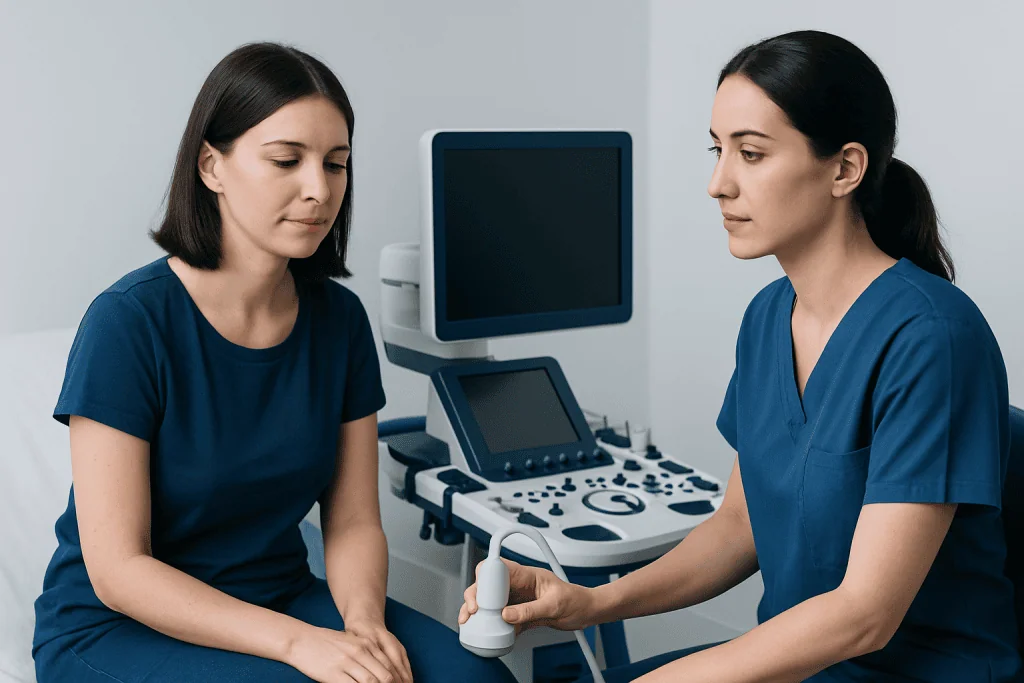
Many people assume that any monthly bleeding means ovulation has happened, but that is not always true. Ovulation helps create the hormonal pattern that leads to a predictable menstrual cycle. When ovulation does not happen, the uterine lining may build up under the influence of estrogen without the usual progesterone changes that follow egg release. This can result in delayed, irregular, prolonged, or sometimes heavy bleeding.
From a fertility perspective, anovulation is one of the most common causes of difficulty getting pregnant. If no egg is released, sperm has no egg to fertilize. Some people with anovulation have long gaps between periods, while others may have apparently regular bleeding but still ovulate inconsistently. This is why cycle tracking alone does not always give a full answer.
Anovulation can occur at different life stages. It may be more common for a time after puberty, during breastfeeding, or in the years leading up to menopause. It can also appear in the setting of conditions that affect hormones, such as polycystic ovary syndrome or thyroid disorders. When fertility is a goal, proper evaluation can help identify whether ovulation is the main issue and what treatment may help.
Symptoms and signs of anovulation

The most common sign of anovulation is a change in menstrual pattern. Periods may become infrequent, very irregular, unexpectedly light, or unusually heavy. Some people have no periods at all for months at a time. Others notice that cycle length varies widely from month to month.
Difficulty becoming pregnant is another frequent clue. A person may also notice fewer usual signs of ovulation, such as changes in cervical mucus or predictable mid-cycle symptoms. However, ovulation symptoms are not reliable for everyone, so the absence of these signs does not confirm anovulation on its own.
Depending on the cause, other symptoms may be present. These can include:
- Acne or oily skin
- Increased facial or body hair growth
- Thinning hair on the scalp
- Weight gain or difficulty managing weight
- Hot flashes or vaginal dryness in some hormone-related conditions
- Milky nipple discharge if prolactin is elevated
- Fatigue, temperature sensitivity, or bowel changes with thyroid problems
Symptoms vary widely. Some people have clear menstrual disruption, while others only discover anovulation during an infertility evaluation. A healthcare professional can help distinguish anovulation from other causes of abnormal uterine bleeding or missed periods.
Causes and risk factors
Anovulation has many possible causes, and the reason is often hormonal. One of the most common is polycystic ovary syndrome, in which the balance of reproductive hormones is altered and ovulation becomes irregular or absent. Thyroid disease, high prolactin levels, and disorders affecting the hypothalamus or pituitary gland can also interfere with the signals needed for egg release.
Body weight and energy balance matter as well. Significant weight loss, low body fat, intense exercise, eating disorders, chronic illness, or high stress can suppress the brain signals that support ovulation. On the other hand, overweight and obesity may contribute to insulin resistance and hormone changes that disrupt ovulation, especially in PCOS.
Age is another factor. It is normal for ovulation to be less predictable shortly after menstruation begins in adolescence and again during the transition to menopause. Certain medications, untreated diabetes, and premature ovarian insufficiency may also be involved. Sometimes more than one factor is present at the same time.
Because the causes are diverse, anovulation should not be self-diagnosed based on cycle irregularity alone. Other conditions can mimic it, including pregnancy, uterine causes of abnormal bleeding, and disorders that affect ovarian reserve or egg quality. A careful evaluation helps clarify the reason and guide treatment safely.
How doctors diagnose anovulation
Diagnosis begins with a detailed medical history. A doctor will usually ask about cycle length, bleeding pattern, pregnancy goals, weight changes, exercise habits, stress, medicines, acne, hair growth, and symptoms that suggest thyroid or other hormone problems. The timing of menstrual changes can provide important clues.
A physical examination may be followed by blood tests to look at hormone patterns. These may include tests related to thyroid function, prolactin, ovarian hormones, and sometimes blood sugar or insulin-related markers if PCOS is suspected. Pregnancy testing is also important when periods are missed.
Pelvic ultrasound is often used to assess the ovaries and uterus. It can help identify ovarian features that support a diagnosis such as PCOS and can also look for structural causes of abnormal bleeding. In fertility evaluation, additional testing may be used to assess whether ovulation is occurring and whether other factors, such as the fallopian tubes or sperm, also need attention.
The goal is not simply to confirm that ovulation is absent, but to understand why. This makes treatment more precise and helps reduce the chance of overlooking conditions that may affect long-term reproductive or metabolic health.
Treatment options for anovulation
Treatment depends on the cause, symptom pattern, and whether pregnancy is desired. If stress, excessive exercise, low body weight, or major weight changes are contributing, addressing those factors may help ovulation return. When thyroid disease, high prolactin, or another hormone disorder is found, treating that condition may improve cycle regularity.
For people trying to conceive, fertility-focused treatment may include medicines that stimulate ovulation. Management is individualized and may involve monitoring by a gynecologist or reproductive specialist. In some situations, fertility care can also include in vitro fertilization if ovulation problems are part of a broader conception challenge or if simpler treatments have not been successful.
If pregnancy is not the immediate goal, treatment may focus on making periods more regular and protecting the uterine lining from prolonged hormone imbalance. Hormonal therapies may be used for cycle regulation. Where PCOS is part of the picture, treatment may also address acne, excess hair growth, insulin resistance, or weight-related concerns. Some patients benefit from broader fertility evaluation and reproductive care to understand future options.
When anovulation is linked to more complex gynecologic or reproductive issues, referral to specialists can be helpful. Acibadem International’s multidisciplinary specialists in JCI-accredited hospitals diagnose and treat conditions related to ovulation disorders and infertility for international patients. In selected cases, gynecologic assessment and treatment may be part of a comprehensive plan.
Self-care, cycle tracking, and long-term health
Self-care cannot replace diagnosis, but it can support recovery and help people notice useful patterns. Tracking menstrual dates, bleeding intensity, and symptoms can make medical visits more productive. Some people also track basal body temperature or ovulation predictor kits, although these methods can be less reliable when cycles are very irregular.
Healthy routines may support ovulation in certain cases. These include balanced nutrition, adequate sleep, regular but not excessive exercise, and stress management. If body weight has changed significantly, a clinician or dietitian can help create a safe plan to improve energy balance. Sudden restrictive dieting or overtraining may make ovulation problems worse.
Long-term follow-up matters when anovulation is persistent. Ongoing irregular cycles can be a sign of metabolic or endocrine conditions that affect more than fertility alone. In addition, when bleeding is infrequent for long periods, the uterine lining may need medical management to reduce complications. Regular review with a qualified clinician helps protect both reproductive and general health.
When to seek medical care
Medical review is appropriate if periods become very irregular, stop for several months, or are consistently much farther apart than usual. Care is also important for unusually heavy or prolonged bleeding, severe pain, or symptoms such as milky nipple discharge, new excess hair growth, or rapid weight changes. These signs do not always mean a serious problem, but they do deserve evaluation.
Anyone trying to become pregnant should consider an earlier assessment if cycles are irregular or if there is reason to suspect ovulation is not happening. In general, fertility evaluation is also appropriate after a period of trying to conceive without success, based on age and individual circumstances. A doctor can advise when testing should begin.
Urgent medical attention is needed for heavy bleeding causing dizziness or weakness, severe one-sided pelvic pain, fainting, or the possibility of pregnancy with pain or abnormal bleeding. These symptoms can have causes other than anovulation and should be checked promptly.
Frequently asked questions
Can a person have periods and still have anovulation?
Yes. Bleeding can still happen even when an egg is not released. This is why a monthly bleed does not always prove that ovulation occurred.
Is anovulation the same as infertility?
No. Anovulation is one possible cause of infertility, but infertility can have many causes. The encouraging part is that anovulation is often treatable once the underlying reason is identified.
Does anovulation always mean PCOS?
No. PCOS is a common cause, but not the only one. Thyroid problems, high prolactin, stress, weight changes, excessive exercise, medications, and age-related hormone changes can also lead to anovulation.
Can stress cause anovulation?
Yes, in some people. Significant emotional stress, physical stress, illness, or major lifestyle disruption can affect the brain signals that regulate ovulation. However, symptoms should still be assessed by a clinician because many other causes are possible.
How is anovulation confirmed?
Doctors usually confirm it through a combination of menstrual history, symptom review, hormone blood tests, and sometimes pelvic ultrasound. The aim is not only to see whether ovulation is absent, but also to understand why it is happening.
Can anovulation be treated without fertility treatment?
Often, yes. If the cause is related to thyroid disease, prolactin, stress, nutrition, weight changes, or another medical issue, treating that problem may restore ovulation. When pregnancy is not the immediate goal, treatment may instead focus on cycle regulation and protecting the uterine lining.
References
- American College of Obstetricians and Gynecologists
- American Society for Reproductive Medicine
- Office on Women's Health
- National Institute of Child Health and Human Development
- Mayo Clinic
This article is for general information only and is not a substitute for professional medical advice. Please consult a qualified doctor about your individual situation.
Hair transplant in Turkey — costs, graft counts & a free assessment
JCI-accredited · board-certified surgeons · reply within 24h
Add us as a Preferred Source to see more of our trusted health content across Google Search, AI Overviews and Discover.
Check your numbers in seconds
BMI, calories, due date, blood pressure and 30+ more clinical calculators — free, instant, doctor-reviewed ranges.