Pacu nurse: Symptoms, Causes, and Treatment — Complete Patient Guide

A pacu nurse cares for patients immediately after anesthesia in the recovery room. The main goals are safe breathing, stable vital signs, pain control, and early detection of complications.
Key Takeaways
- A pacu nurse cares for patients immediately after anesthesia in the recovery room.
- The main goals are safe breathing, stable vital signs, pain control, and early detection of complications.
- PACU nurses work closely with anesthesiologists, surgeons, and ward or ICU teams.
- Patients and families can expect frequent monitoring, symptom checks, and clear discharge or transfer instructions.
- Medical review is important if concerning symptoms develop after leaving the recovery area.
A pacu nurse is a registered nurse who cares for patients in the post-anesthesia care unit after surgery or a procedure. This nurse watches breathing, pain, blood pressure, and alertness closely so early recovery is safe, comfortable, and well coordinated.
Overview: what a pacu nurse does
A pacu nurse is a post-anesthesia care unit nurse, often called a recovery-room nurse. This nurse looks after people immediately after surgery, endoscopy, or another procedure that involves anesthesia or sedation. The role centers on close observation during the period when a patient wakes up, begins breathing more independently, and starts the first stage of recovery.
Unlike a general ward nurse, a pacu nurse focuses on the effects of anesthesia and the body’s early response to the procedure. That includes checking breathing, oxygen levels, heart rate, blood pressure, temperature, pain, nausea, confusion, and wound or drainage concerns. Because the first hours after anesthesia can change quickly, PACU nursing involves frequent reassessment and rapid communication with the surgical and anesthesia teams.
For patients, the most important point is that a pacu nurse is there to keep recovery safe and comfortable. This nurse helps identify expected symptoms, such as sleepiness or mild nausea, and also watches for problems that need prompt treatment, such as breathing difficulty, severe pain, or unusual bleeding.
What patients can expect in the recovery room
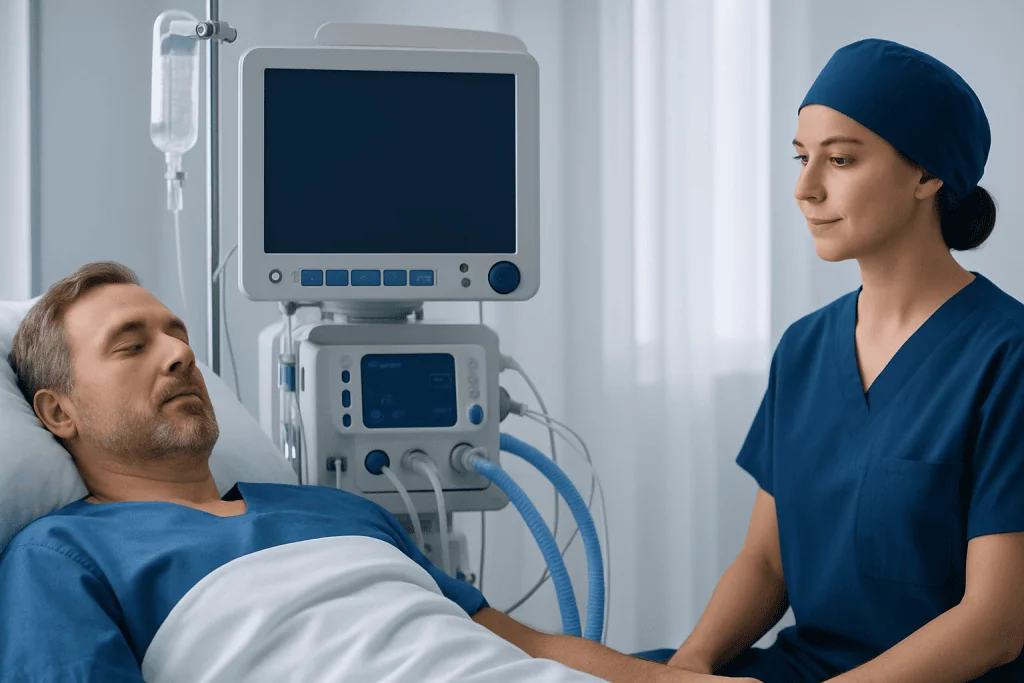
When a patient arrives in the post-anesthesia care unit, the pacu nurse receives a detailed handoff from the operating room or procedure team. This usually includes information about the surgery, the type of anesthesia used, medicines given, allergies, blood loss, and any special risks. The nurse then connects monitors and begins regular checks while the patient wakes up.
During this time, many patients feel drowsy, cold, thirsty, or disoriented for a short period. Some may have pain, nausea, a sore throat after a breathing tube, or mild dizziness. A pacu nurse explains what is happening, reassures the patient, and gives treatments ordered by the medical team to improve comfort and safety.
Before transfer to a hospital room or discharge home, the nurse checks whether key recovery goals are being met. These often include stable vital signs, adequate breathing, controlled pain, reduced nausea, and enough alertness to follow basic instructions. If a patient had a complex operation, recovery may involve coordination with services such as intensive care or further observation before leaving the PACU.
Core responsibilities of a pacu nurse

The central responsibility of a pacu nurse is continuous assessment. This means observing how well a patient is waking up and whether body systems are functioning as expected after anesthesia. Breathing is a top priority, because some anesthetic medicines can temporarily slow breathing or reduce airway reflexes. The nurse checks oxygen saturation, respiratory rate, airway patency, and the need for extra oxygen or positioning support.
Pain management is another major part of the role. A pacu nurse assesses pain carefully, gives prescribed medications, and watches for side effects such as drowsiness, itching, or nausea. The nurse also looks at the surgical site, drains, dressings, and circulation in the arms or legs when needed, helping spot issues such as bleeding or swelling early.
PACU nurses also support communication and transition of care. They update families according to hospital policy, relay changes to the anesthesiologist or surgeon, and prepare the next team for safe transfer. In some hospitals, they help patients who need additional evaluation, imaging, or specialist input after surgery, especially if symptoms suggest a related condition such as sleep apnea affecting recovery after anesthesia.
- Monitor breathing, oxygen levels, heart rate, and blood pressure
- Assess pain, nausea, confusion, and temperature
- Check wounds, dressings, drains, and bleeding risk
- Give ordered medications and evaluate the response
- Prepare patients and families for transfer or discharge
Why close monitoring after anesthesia matters
Anesthesia is generally very safe, but it affects the brain, lungs, heart, and protective reflexes for a period of time after a procedure. Recovery is different for each person. Age, general health, the type of surgery, and pre-existing conditions can all influence how quickly someone wakes up and regains stable breathing, movement, and comfort.
A pacu nurse helps detect normal recovery patterns as well as early warning signs. For example, some patients are at greater risk of low oxygen levels, airway obstruction, or confusion after anesthesia. Others may be more likely to have pain that is hard to control, vomiting, blood pressure changes, or urinary problems. Early recognition allows the team to intervene before a small problem becomes more serious.
This close monitoring is especially important for people with chronic illnesses such as heart disease, lung disease, diabetes, obesity, or neurologic conditions. It is also relevant after major surgery or when stronger pain medicines are needed. In these situations, recovery-room care may overlap with other specialties, including anesthesia and reanimation, to tailor monitoring and treatment to the patient’s needs.
Symptoms and concerns a pacu nurse watches for
Patients often search for “pacu nurse symptoms,” but the symptoms are not about the nurse; they are the signs and complaints the nurse monitors after anesthesia and surgery. Some are common and expected, such as sleepiness, mild pain, chills, sore throat, grogginess, or temporary nausea. These usually improve with time, warming, fluids, repositioning, or medication.
Other symptoms need closer attention. A pacu nurse watches for breathing trouble, chest pain, severe vomiting, heavy bleeding, sudden swelling, uncontrolled pain, allergic reactions, or changes in mental status. Confusion can be temporary, but marked agitation or inability to wake properly may need urgent review. The nurse also checks for urinary retention, weakness, and changes in movement or sensation depending on the procedure.
Not every symptom means there is a serious problem, but careful observation matters because the recovery phase can change quickly. Patients should feel comfortable telling the nurse about any symptom, even if it seems minor. In recovery medicine, small details can help the team prevent complications and improve comfort sooner.
- Common early symptoms: drowsiness, pain, nausea, chills, sore throat
- Concerning symptoms: shortness of breath, severe pain, heavy bleeding, chest pain
- Neurologic concerns: unusual confusion, weakness, fainting, difficult awakening
- Digestive concerns: persistent vomiting, abdominal swelling, inability to tolerate fluids
Training, teamwork, and how PACU care supports treatment
PACU nurses are registered nurses with additional experience and skills in recovery care, airway monitoring, pain control, and emergency response. They work in a highly team-based setting with anesthesiologists, surgeons, operating room staff, pharmacists, and inpatient nurses. This teamwork helps ensure that information from the procedure is carried forward into the recovery plan.
For patients, this means the pacu nurse is often the clinician who translates a complex procedure into practical next steps. The nurse may explain when it is safe to drink, how pain medication may affect alertness, why oxygen is being used, or when a doctor needs to reassess a new symptom. In some cases, PACU care links directly with broader treatment pathways, such as general surgery follow-up after an abdominal procedure.
Near the end of the recovery stay, the pacu nurse helps decide whether the patient is ready for discharge home, transfer to a hospital room, or higher-level monitoring. For international patients, coordinated perioperative care is especially important. Acibadem International’s multidisciplinary specialists and JCI-accredited hospitals diagnose and treat surgical and recovery-related needs with structured postoperative monitoring.
When to seek medical care after leaving recovery
After discharge from the PACU or hospital, patients should follow all written instructions about medicines, activity, food, hydration, and wound care. Mild fatigue, soreness, and some nausea may improve gradually, but symptoms should trend in the right direction. If something feels worse rather than better, medical advice is appropriate.
Medical care should be sought promptly for symptoms such as trouble breathing, chest pain, fainting, heavy bleeding, fever, severe vomiting, worsening confusion, or pain that does not improve with prescribed treatment. Redness, swelling, or drainage from the surgical site may also need review. People with conditions that affect breathing during sleep, including sleep apnea, should be especially careful with sedating pain medicines and ask their doctor when to resume devices such as CPAP if instructed.
If symptoms seem severe or urgent, emergency evaluation may be the safest choice. For non-urgent concerns, contacting the surgeon, anesthesiology team, or hospital discharge line can help clarify what is expected and what needs examination.
Frequently asked questions
What does a pacu nurse do after surgery?
A pacu nurse monitors a patient in the recovery room after anesthesia or sedation. The nurse checks breathing, oxygen, blood pressure, pain, nausea, alertness, and the surgical site while the patient wakes up.
Is a pacu nurse the same as an ICU nurse?
Not exactly. Both roles involve close monitoring, but a pacu nurse focuses on the immediate period after anesthesia and procedures, while an ICU nurse manages critically ill patients who need ongoing intensive support.
How long do patients usually stay in the PACU?
The length of stay varies depending on the procedure, the type of anesthesia, and the patient’s overall health. Many patients stay for a short period, but some need longer observation if recovery is slower or symptoms need treatment.
What symptoms are normal in the recovery room?
Sleepiness, mild confusion, pain, nausea, chills, dry mouth, and a sore throat can be common after anesthesia. These often improve over time and with supportive care, but the team watches closely to make sure recovery stays on track.
When should a patient worry after leaving the recovery room?
A patient should seek medical advice if symptoms are getting worse instead of better. Urgent help is important for trouble breathing, chest pain, heavy bleeding, fainting, severe vomiting, high fever, or unusual confusion.
Why does a pacu nurse ask the same questions repeatedly?
Repeated questions help the nurse assess orientation, memory, pain, and neurologic recovery as anesthesia wears off. Changes in answers can provide useful clues about how the brain and body are recovering.
References
- American Society of PeriAnesthesia Nurses
- American Society of Anesthesiologists
- MedlinePlus
- National Institute for Health and Care Excellence
- World Health Organization
This article is for general information only and is not a substitute for professional medical advice. Please consult a qualified doctor about your individual situation.
Explore treatments in Turkey — costs, top hospitals & a free quote
JCI-accredited · board-certified surgeons · reply within 24h
Add us as a Preferred Source to see more of our trusted health content across Google Search, AI Overviews and Discover.
Check your numbers in seconds
BMI, calories, due date, blood pressure and 30+ more clinical calculators — free, instant, doctor-reviewed ranges.

More from the Health Library



Related Specialists

Prof. Dr. Dilaver Erşanlı
Ophthalmology
Dr. Sinem Altunyuva Usta
Pediatric Cardiology
Dr. Meltem Yücebaş
Anesthesiology
Fzt. Fatmanur Yıldırım
Physical Medicine & Rehabilitation