How long after drinking water do you pee: Common Causes, Warning Signs, and When to See a Doctor

Most people urinate within 15 minutes to 2 hours after drinking water. Timing depends on how much was consumed, current hydration, bladder fullness, diet, medicines, and health conditions.
Key Takeaways
- Most people urinate within 15 minutes to 2 hours after drinking water.
- Timing depends on how much was consumed, current hydration, bladder fullness, diet, medicines, and health conditions.
- Frequent urination is not always a problem, especially after caffeine, alcohol, or large fluid intake.
- Pain, burning, blood in urine, fever, strong urgency, or major changes in thirst or urination should be assessed by a doctor.
- Persistent urinary changes can relate to bladder, kidney, prostate, hormone, or blood sugar problems.
How long after drinking water do you pee? For most healthy adults, the urge to urinate can happen anywhere from about 15 minutes to 2 hours after drinking, depending on fluid amount, hydration status, bladder sensitivity, and overall health. Faster or more frequent urination is often normal, but sudden changes, pain, excessive thirst, or nighttime urination may need medical attention.
Overview: What Is a Normal Time to Pee After Drinking Water?
How long after drinking water do you pee? In many healthy adults, urine production increases fairly soon after drinking, and the urge to urinate may appear within about 15 minutes to 2 hours. This range is broad because the body constantly balances fluid intake, hydration needs, kidney function, and how full the bladder already was before the drink.
Water does not go straight from the stomach to the bladder. It is absorbed through the digestive system into the bloodstream, then filtered by the kidneys, which make urine. The bladder stores that urine until stretch signals create the urge to go. If a person is already well hydrated, has recently had other drinks, or has a sensitive bladder, they may need to urinate sooner.
On the other hand, after exercise, hot weather, or mild dehydration, the body may hold onto more water for a time. This can delay urination because hormones such as antidiuretic hormone help the kidneys conserve fluid. A person may also produce less urine if they are sweating heavily or losing fluid in other ways.
Because of these normal variations, the timing alone does not usually tell whether something is wrong. What matters more is the pattern: whether urinary habits have changed, whether symptoms such as pain or urgency are present, and whether the person is also dealing with thirst, swelling, fever, or other health concerns.
What Affects How Quickly Someone Needs to Urinate?
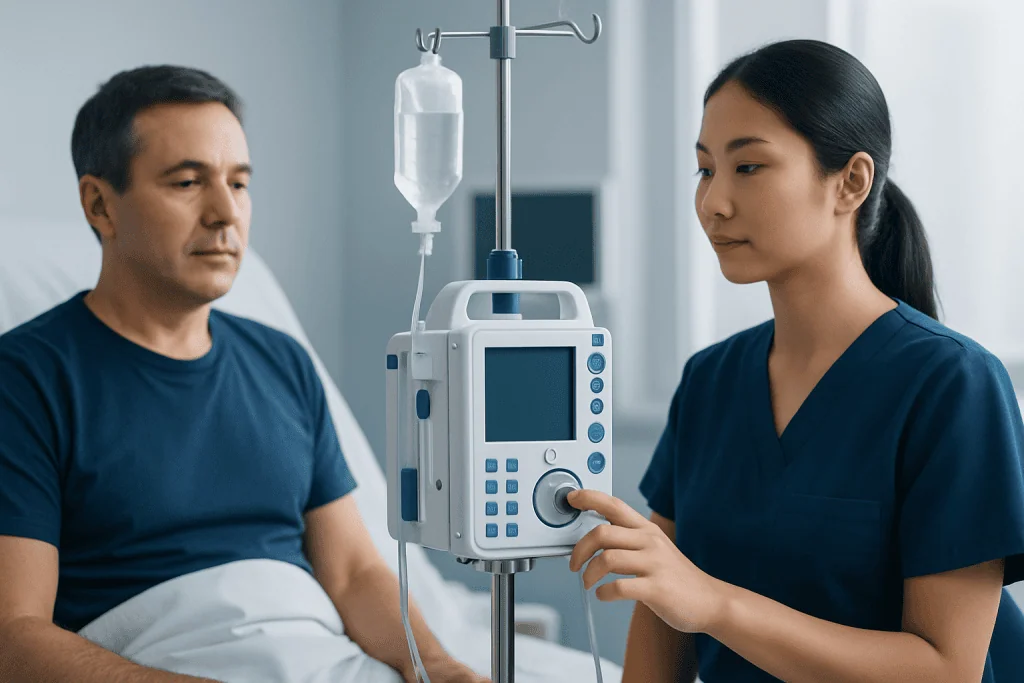
Several everyday factors influence how soon urination happens after drinking water. The amount of fluid matters most. A few sips may have little immediate effect, while a large glass or bottle may trigger urination more quickly, especially if the bladder was partly full already.
The type of beverage also matters. Caffeinated drinks such as coffee, tea, some sodas, and energy drinks can increase urine production and may irritate the bladder in some people. Alcohol can have a similar effect. In contrast, plain water is usually less likely to cause bladder irritation, although it still increases urine output as the kidneys process extra fluid.
Age, body size, medicines, and daily habits also play a role. Some blood pressure medicines called diuretics are specifically designed to help the body remove more fluid. Pregnancy can increase urinary frequency because of hormonal changes and pressure on the bladder. In men, prostate enlargement may change how often urination is needed, especially at night.
Other common influences include:
- How hydrated the person already is
- Bladder capacity and sensitivity
- Weather and sweating
- Recent exercise
- Salt intake
- Stress or anxiety, which can heighten bladder awareness
When Frequent Urination Can Still Be Normal

Many people worry that frequent urination after drinking water means a kidney or bladder problem, but often it reflects normal body regulation. If someone has had a large drink after waking up, after exercise, or during a meal, the body may simply be getting rid of extra fluid it does not need immediately.
It is also common to urinate more often in colder weather, during periods of increased water intake, or after drinking caffeine or alcohol. Some people naturally have smaller bladder capacity or are more sensitive to bladder filling sensations. In these cases, they may feel the urge to urinate sooner than others even when the urinary tract is healthy.
Nighttime urination can also have harmless explanations, especially if fluid intake is high in the evening. However, waking repeatedly to urinate most nights should not be ignored, particularly if it is a new problem or interrupts sleep significantly.
Normal urination patterns vary from person to person. Rather than comparing with others, it is more useful to notice personal changes: more urgency than usual, going much more often than before, or producing unusually large or very small amounts of urine.
Common Causes of Peeing Too Often After Drinking
If urination becomes noticeably more frequent, urgent, or disruptive, several medical explanations are possible. A urinary tract infection can irritate the bladder and create a strong urge to urinate even when only a small amount of urine is present. This may come with burning, cloudy urine, pelvic discomfort, or fever. In some cases, a clinician may evaluate for urinary tract infection.
High blood sugar can also cause increased urination because the kidneys work harder to remove excess glucose from the body. This may happen together with increased thirst, fatigue, blurred vision, or unintentional weight changes. For some people, frequent urination is one of the earlier clues that leads to assessment for diabetes.
Bladder-related conditions can contribute as well. Overactive bladder may cause urgency, frequent daytime urination, and nighttime waking. In men, an enlarged prostate can partly block urine flow and make the bladder feel less empty after urination. Kidney conditions, some neurological disorders, and certain medications can also change urination patterns.
Less often, excessive urination may be linked to hormone balance problems, pregnancy-related changes, or inflammation affecting the bladder lining. If symptoms persist, doctors may assess the kidneys and urinary tract with urine testing, blood work, and sometimes imaging such as MRI or ultrasound when clinically appropriate.
Warning Signs That Suggest a Medical Problem
The timing of urination after drinking water matters less than associated symptoms. A person should pay attention if urinary frequency is accompanied by pain, burning, difficulty starting urine flow, leakage, fever, lower back pain, or a feeling that the bladder does not empty fully. These signs can point to infection, obstruction, irritation, or other urinary tract conditions.
Blood in the urine should always be discussed with a doctor, even if it happens only once. Urine that looks pink, red, cola-colored, or unusually cloudy can reflect infection, stones, inflammation, or bleeding somewhere in the urinary system. Sudden severe flank or side pain may suggest a stone or another kidney-related issue.
Excessive thirst together with frequent urination is another important warning sign. This combination may occur with dehydration, uncontrolled blood sugar, or less common hormone-related conditions. Swelling in the legs, shortness of breath, or a major drop in urine output can point to fluid balance or kidney concerns and should not be ignored.
Children, older adults, pregnant individuals, and people with diabetes, kidney disease, or weakened immune systems may need earlier evaluation because urinary symptoms can progress more quickly or be harder to recognize clearly.
How Doctors Evaluate Changes in Urination
Medical evaluation usually begins with a symptom history. Doctors often ask how much a person drinks, how often they urinate during the day and night, whether there is urgency or leakage, and whether symptoms such as burning, thirst, pain, or fever are present. A fluid and urination diary can be very helpful because it shows patterns over several days.
Urine testing is one of the most common first steps. It can check for infection, blood, protein, glucose, and concentration of the urine. Blood tests may be used to look at kidney function, electrolyte balance, and blood sugar levels. If a prostate problem is suspected, additional examination may be recommended.
When needed, imaging tests can help assess the kidneys, bladder, or surrounding structures. Some people may need bladder function testing, particularly if overactive bladder, retention, or neurological causes are being considered. If there is concern for a structural urinary problem, doctors may recommend a specialist consultation in urology or nephrology.
Treatment depends on the cause. Management may include treating infection, adjusting medications, improving blood sugar control, reducing bladder irritants, or evaluating whether a urinary blockage is present. In selected cases, further urologic evaluation may lead to procedures or urology care tailored to the underlying condition.
Self-Care and Prevention Tips
For many people, practical changes can improve comfort and help clarify whether symptoms are related to lifestyle or an underlying condition. Drinking water steadily through the day rather than taking in large amounts at once may reduce sudden urgency. Limiting caffeine and alcohol can also help, especially in people who notice that these drinks trigger frequent trips to the bathroom.
It can be useful to avoid excessive fluid intake close to bedtime if nighttime urination is a problem. Bladder training techniques, such as gradually extending the time between bathroom visits, may help some people with urgency or overactive bladder symptoms. However, it is not advisable to routinely restrict water too much, since this can lead to dehydration and may concentrate urine enough to irritate the bladder.
General urinary health habits include:
- Maintaining regular hydration without overdrinking
- Seeking prompt care for symptoms of urinary infection
- Managing diabetes and blood pressure carefully
- Reviewing medicines with a doctor if urination changed after starting a new one
- Keeping a symptom diary when patterns are unclear
Near the end of the evaluation process, some patients choose care in centers with coordinated kidney, bladder, endocrine, and imaging services. Acibadem International’s multidisciplinary specialists and JCI-accredited hospitals diagnose and treat urinary and related conditions for international patients when further assessment is needed.
When to Seek Medical Care
A person should consider making a medical appointment if frequent urination lasts more than a few days without a clear reason, keeps returning, or interferes with sleep, work, school, or daily life. Medical advice is also appropriate if there is new urgency, leakage, difficulty urinating, or a persistent feeling of incomplete emptying.
Prompt medical care is important for burning with urination, fever, back or side pain, visible blood in urine, severe lower abdominal pain, or signs of dehydration. Urgent assessment is also advisable if frequent urination comes with excessive thirst, confusion, weakness, vomiting, or symptoms of very high blood sugar.
Children, older adults, pregnant people, and anyone with known kidney disease, diabetes, or immune suppression should seek evaluation sooner if urinary changes appear. Early assessment can help identify whether the cause is a simple temporary trigger or a condition that benefits from treatment.
Although changes in urination are often manageable, they should not be self-diagnosed when symptoms are persistent or concerning. A qualified doctor can determine whether the pattern is within normal limits or related to a bladder, kidney, metabolic, or hormonal issue.
Frequently asked questions
Is it normal to pee 30 minutes after drinking water?
Yes, that can be completely normal. If the bladder was already partly full, or if the person drank a large amount quickly, the urge may come within 30 minutes.
Why do some people pee almost immediately after drinking?
The body may already have enough fluid, so the kidneys can start increasing urine output soon after a drink. Bladder sensitivity, caffeine intake, anxiety, and a bladder that was already near full can also make urination feel almost immediate.
How many times a day is normal to urinate?
There is no single number that fits everyone, because fluid intake, diet, climate, and health all affect frequency. Many healthy adults urinate around 4 to 8 times a day, but what matters most is whether the pattern is comfortable and stable for that person.
Does frequent urination always mean a kidney problem?
No. Frequent urination can happen for many reasons, including high fluid intake, caffeine, alcohol, pregnancy, bladder sensitivity, urinary tract infection, or diabetes. Kidney disease is only one possible cause and usually needs medical testing to confirm.
Should someone drink less water if they are peeing a lot?
Not necessarily. Cutting back too much can lead to dehydration and may make urine more concentrated, which can irritate the bladder. It is usually better to review total fluid intake, timing of drinks, and possible triggers, and seek medical advice if symptoms continue.
When is frequent urination an emergency?
Urgent medical help may be needed if frequent urination comes with fever, severe pain, vomiting, confusion, visible blood in the urine, inability to urinate, or signs of severe dehydration. It should also be assessed quickly if paired with extreme thirst or symptoms suggesting very high blood sugar.
References
- National Institute of Diabetes and Digestive and Kidney Diseases
- American Urological Association
- Mayo Clinic
- National Health Service
- Cleveland Clinic
This article is for general information only and is not a substitute for professional medical advice. Please consult a qualified doctor about your individual situation.
Explore treatments in Turkey — costs, top hospitals & a free quote
JCI-accredited · board-certified surgeons · reply within 24h
Add us as a Preferred Source to see more of our trusted health content across Google Search, AI Overviews and Discover.
Check your numbers in seconds
BMI, calories, due date, blood pressure and 30+ more clinical calculators — free, instant, doctor-reviewed ranges.