Mucus after eating: Symptoms, Causes, and Treatment — Complete Patient Guide

Mucus after eating is usually linked to the nose, throat, or digestive system rather than the lungs. Common triggers include postnasal drip, acid reflux, spicy foods, dairy in some people, and food allergies.
Key Takeaways
- Mucus after eating is usually linked to the nose, throat, or digestive system rather than the lungs.
- Common triggers include postnasal drip, acid reflux, spicy foods, dairy in some people, and food allergies.
- The color, timing, and associated symptoms can help doctors identify the cause.
- Persistent, worsening, or painful symptoms should be assessed by a qualified doctor.
- Self-care such as hydration, trigger tracking, and managing reflux or allergies may help reduce symptoms.
Mucus after eating is a symptom, not a diagnosis. It commonly happens when saliva and throat secretions increase after meals because of postnasal drip, acid reflux, food sensitivities, or irritation from certain foods, and treatment depends on the underlying cause.
Overview: what mucus after eating usually means
Mucus after eating often means that the nose, throat, or upper digestive tract is reacting to a meal rather than that a serious disease is present. Many people notice a need to clear the throat, a feeling of phlegm, or a wet sensation in the back of the mouth shortly after eating. This can happen because eating naturally stimulates saliva and throat secretions, but the sensation becomes more noticeable when there is irritation, inflammation, or reflux.
The most common explanations include postnasal drip, acid reflux, food-related irritation, and allergies. In some cases, thick mucus is actually a sensation caused by inflammation or throat muscle tension rather than a large amount of true mucus. Understanding the pattern helps: whether it happens after every meal or only with certain foods, whether it comes with heartburn or nasal symptoms, and whether it improves with lifestyle changes.
Because the symptom can begin in more than one body system, evaluation may involve an ear, nose, and throat specialist, a gastroenterologist, or an allergy specialist. Conditions such as acid reflux or chronic sinus problems may overlap, so the goal is to identify the main trigger and treat it in a targeted way.
How it can feel: common symptoms and patterns
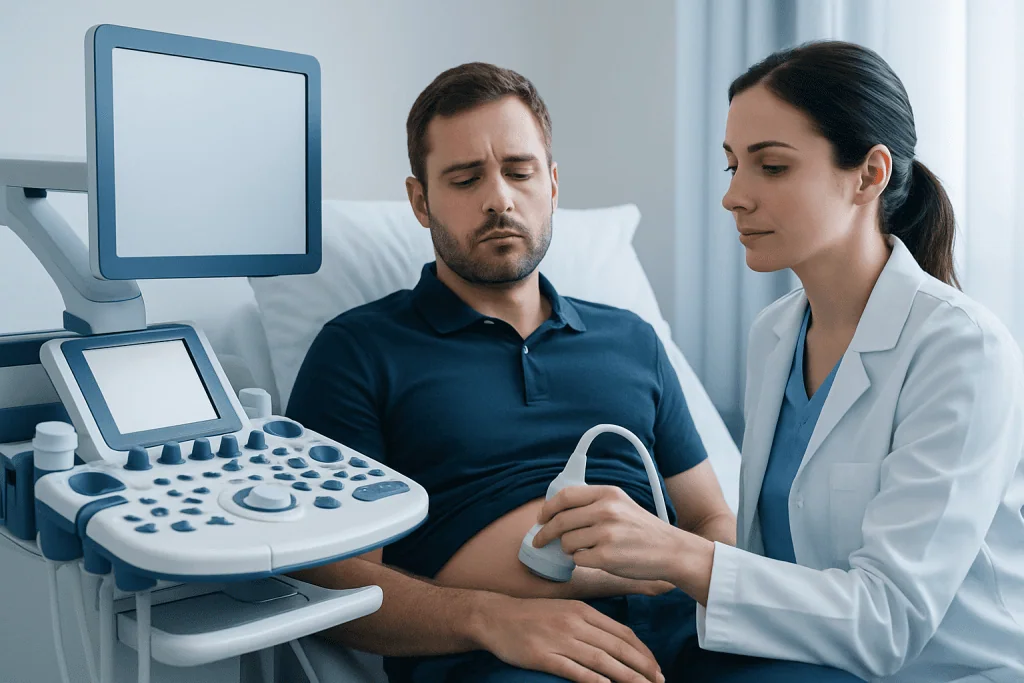
People describe mucus after eating in different ways. Some feel phlegm collecting in the throat right after the first few bites. Others notice repeated throat clearing, coughing during or after meals, a need to swallow often, hoarseness, or a sensation that food leaves a coating behind. The symptom may be brief and mild, or it may continue for an hour or more after eating.
Associated symptoms often give important clues. Nasal congestion, sneezing, watery eyes, and an itchy mouth may suggest an allergy or rhinitis. A sour taste, heartburn, burping, chest discomfort, or symptoms that worsen when lying down may point toward reflux. Thick secretions with facial pressure can fit with sinus disease, while coughing or wheezing after meals may suggest airway irritation or asthma.
It can help to note whether the mucus is clear, white, yellowish, or blood-streaked; whether it feels more like saliva or sticky phlegm; and whether it appears after specific foods such as spicy dishes, dairy, very hot drinks, or alcohol. A symptom diary can make these patterns easier to discuss with a doctor.
- Clear mucus is often seen with allergies, irritation, or reflux.
- Thicker mucus may occur with dehydration, sinus drainage, or inflammation.
- Yellow or green mucus can occur with infection, though color alone does not confirm one.
- Blood in mucus always deserves medical attention.
Why mucus may increase after meals

One common cause is postnasal drip. When the nose or sinuses produce excess mucus, it can run down the back of the throat and become more noticeable during eating and swallowing. Allergic rhinitis, non-allergic rhinitis, colds, and sinus inflammation can all contribute. Warm foods, spices, or changes in temperature may also briefly stimulate nasal secretions.
Another frequent cause is reflux. Stomach contents can move upward into the esophagus and throat, irritating the lining and causing a lump sensation, throat clearing, cough, and mucus-like symptoms. Some people have classic heartburn, while others mainly notice throat symptoms, a pattern often called laryngopharyngeal reflux. If suspected, doctors may assess for GERD or related conditions.
Food reactions are also important. Certain meals can directly irritate the throat, especially spicy, acidic, fried, or very hot foods. Some people notice symptoms with dairy, although dairy does not usually increase mucus production in everyone; it may instead make saliva and existing secretions feel thicker. A true food allergy is different and may involve swelling, hives, wheezing, vomiting, or rapid symptom onset after exposure.
Less commonly, mucus after eating may be related to swallowing difficulty, chronic throat inflammation, smoking, medication side effects, dehydration, or structural issues in the nose, throat, or esophagus. In these cases, evaluation is helpful to rule out less obvious causes.
Risk factors and triggers worth noticing
Several everyday factors can make mucus after eating more likely. People with seasonal allergies, chronic sinus congestion, asthma, reflux, or smoking exposure may be especially prone to this symptom. Dry indoor air, low fluid intake, frequent alcohol use, and eating large meals close to bedtime can also worsen throat and digestive irritation.
Specific food triggers vary from person to person. Common examples include spicy foods, tomato-based meals, citrus, chocolate, peppermint, fried foods, caffeinated drinks, and alcohol because these may relax the lower esophageal sphincter or irritate the throat. Some people also notice symptoms with very cold foods or dairy products, especially if they already have congestion or reflux.
Eating habits matter too. Fast eating, poor chewing, lying down soon after meals, or overeating may increase reflux and throat symptoms. A personal pattern is often more useful than a general food list, so keeping track of timing, food type, portion size, and accompanying symptoms can be very helpful.
How doctors diagnose the cause
Diagnosis starts with a careful history. A doctor usually asks when the mucus appears, whether it occurs with every meal or only certain foods, and whether there are related symptoms such as nasal blockage, sneezing, heartburn, cough, hoarseness, difficulty swallowing, or weight loss. This history often narrows the likely cause significantly.
The physical exam may include the nose, throat, and neck. Depending on symptoms, a doctor may recommend evaluation by ENT, gastroenterology, or allergy specialists. Useful tests can include nasal endoscopy, allergy testing, or studies that assess reflux and esophageal irritation. If swallowing problems are present, imaging or a swallow study may be considered.
In some cases, treatment is started based on the most likely explanation before extensive testing is done. For example, a clinician may suggest reflux management, allergy control, or nasal treatment and then review whether symptoms improve. If needed, more specialized assessment such as endoscopy or gastroenterology evaluation can help clarify persistent or complex cases.
Treatment options depend on the underlying cause
There is no single treatment for mucus after eating because the best approach depends on what is causing it. When postnasal drip is the main issue, treatment may focus on allergy control, avoiding irritants, saline nasal rinses, or other doctor-recommended therapies. If a sinus or nasal disorder is contributing, ENT care may be helpful, including assessment for ENT evaluation and treatment.
When reflux is suspected, doctors commonly recommend lifestyle changes such as smaller meals, avoiding late-night eating, and reducing trigger foods. In some cases, medications to reduce stomach acid or protect the upper digestive tract may be appropriate. People with ongoing throat symptoms may need a structured reflux plan and follow-up because improvement can take time.
If food allergy is possible, the priority is identifying and avoiding the trigger under medical guidance. True food allergy should never be self-diagnosed based only on throat mucus, especially if there have been symptoms such as swelling, hives, wheezing, or dizziness. For swallowing disorders or structural problems, treatment may involve speech and swallow therapy, medical treatment, or procedure-based care depending on findings.
General supportive steps can also help many people: drinking enough water, chewing food slowly, limiting smoking exposure, and managing dry air. These steps do not replace medical assessment when symptoms are persistent, but they may reduce irritation and improve comfort.
Prevention and self-care at home
Many people can reduce mucus after eating by paying attention to routine habits. Eating smaller portions, slowing down during meals, and avoiding lying flat for a few hours after eating may lessen reflux-related symptoms. Staying well hydrated can make secretions feel thinner and easier to clear.
A food and symptom diary is often one of the most practical tools. Recording what was eaten, when symptoms started, and whether there were signs such as sneezing, heartburn, cough, or bloating can reveal patterns that are easy to miss otherwise. This can also make medical appointments more productive.
At home, it may help to limit individual triggers that repeatedly seem to cause symptoms. These may include spicy foods, acidic foods, alcohol, large evening meals, or foods associated with allergy symptoms. Gentle nasal care, good indoor air humidity, and avoiding tobacco smoke can also reduce throat irritation.
However, self-care has limits. If a person is regularly clearing the throat, coughing during meals, or changing their diet extensively to avoid symptoms, professional advice is appropriate to make sure a more specific problem is not being overlooked.
When to seek medical care
Mucus after eating should be medically assessed if it is persistent, worsening, or affecting daily life. A doctor should also be consulted when there is frequent heartburn, hoarseness, chronic cough, recurrent sinus symptoms, or a strong suspicion of food allergy. Ongoing symptoms deserve attention because several treatable conditions can look similar at first.
Urgent medical care is needed if mucus after eating occurs with trouble breathing, wheezing, swelling of the lips or tongue, chest pain, faintness, or severe difficulty swallowing. These symptoms can signal an allergic emergency or another serious problem. Blood in mucus, unexplained weight loss, repeated choking, or food getting stuck also require prompt evaluation.
For international patients who need coordinated assessment, Acibadem International’s multidisciplinary specialists in JCI-accredited hospitals diagnose and treat throat, allergy, and digestive conditions with individualized care planning.
Frequently asked questions
Is mucus after eating normal?
A mild increase in saliva or throat secretions after eating can be normal. However, frequent or bothersome mucus after meals often suggests postnasal drip, reflux, irritation, or an allergy-related problem that may need evaluation.
Can acid reflux cause mucus in the throat after meals?
Yes. Reflux can irritate the throat and voice box, causing throat clearing, a lump sensation, cough, and mucus-like symptoms after eating. Some people have this even without obvious heartburn.
Does dairy really increase mucus after eating?
Dairy does not increase mucus production in everyone. In some people, it can make saliva and existing secretions feel thicker, which may create the impression of more mucus. If symptoms happen consistently after dairy, it is reasonable to discuss this pattern with a doctor.
Could mucus after eating mean a food allergy?
Sometimes, but mucus alone is not the most typical sign of food allergy. More concerning allergy symptoms include itching in the mouth, hives, swelling, vomiting, wheezing, or trouble breathing soon after eating. These symptoms need prompt medical attention.
How do doctors tell whether the cause is sinus-related or digestive?
Doctors look at the full symptom pattern. Nasal congestion, sneezing, and sinus pressure can point toward postnasal drip, while heartburn, burping, sour taste, and symptoms worse after large meals may suggest reflux. In some cases, both problems may be present at the same time.
What can help reduce mucus after eating at home?
Helpful steps may include drinking more water, eating slowly, avoiding known trigger foods, and not lying down right after meals. If allergies or nasal irritation are involved, reducing smoke exposure and using simple nasal care measures may also help. Persistent symptoms should still be checked by a clinician.
References
- American Academy of Otolaryngology–Head and Neck Surgery
- National Institute of Diabetes and Digestive and Kidney Diseases
- American College of Gastroenterology
- American Academy of Allergy, Asthma & Immunology
- Mayo Clinic
This article is for general information only and is not a substitute for professional medical advice. Please consult a qualified doctor about your individual situation.
Persistent digestive symptoms? Get evaluated in Turkey
JCI-accredited · board-certified surgeons · reply within 24h
Add us as a Preferred Source to see more of our trusted health content across Google Search, AI Overviews and Discover.

More from the Health Library



Related Specialists

Dr. İrfan Şafak Barlas
Urology
Dr. Burcu Uprak
Internal Medicine
Fzt. Tuğçe Kahraman
Physical Medicine & Rehabilitation
Dr. Feyza Arslan
Physical Medicine & Rehabilitation