Blood Pressure 118/62: Is It Normal? What This Reading Means for Your Health

118/62 blood pressure is generally a normal reading in adults. By American Heart Association categories, 118 systolic is normal and 62 diastolic is also within the normal range.
Key Takeaways
- 118/62 blood pressure is generally a normal reading in adults.
- By American Heart Association categories, 118 systolic is normal and 62 diastolic is also within the normal range.
- This reading may be more concerning only if it comes with symptoms such as dizziness, fainting, weakness, or chest discomfort.
- Age, hydration, medications, fitness level, and timing of the measurement can influence a single blood pressure reading.
- Proper technique matters because an incorrectly taken reading may look lower or higher than the true value.
- Routine monitoring and medical advice are important if readings change significantly or symptoms develop.
A blood pressure reading of 118/62 is usually considered normal for most adults. The top number is in the healthy range, and the lower number is not typically a concern unless it is causing symptoms or appears alongside other abnormal readings.
Overview: Is 118/62 blood pressure normal?
Yes. A reading of 118/62 blood pressure is usually considered normal for most adults. The systolic pressure, which is the top number, is 118 and falls within the healthy range. The diastolic pressure, which is the bottom number, is 62 and is also generally within a normal range.
Blood pressure naturally changes throughout the day depending on activity, stress, sleep, meals, hydration, and medications. For that reason, one reading is only one snapshot. In many people, 118/62 can reflect healthy circulation, especially if there are no symptoms such as dizziness, fainting, blurred vision, or unusual fatigue.
This reading can look slightly different depending on the person. A younger adult, an athlete, or someone with naturally lower blood pressure may feel completely well at 118/62. In contrast, a person whose usual blood pressure is much higher may notice symptoms if their reading drops quickly, even if the number itself still looks normal.
How 118/62 fits into blood pressure categories
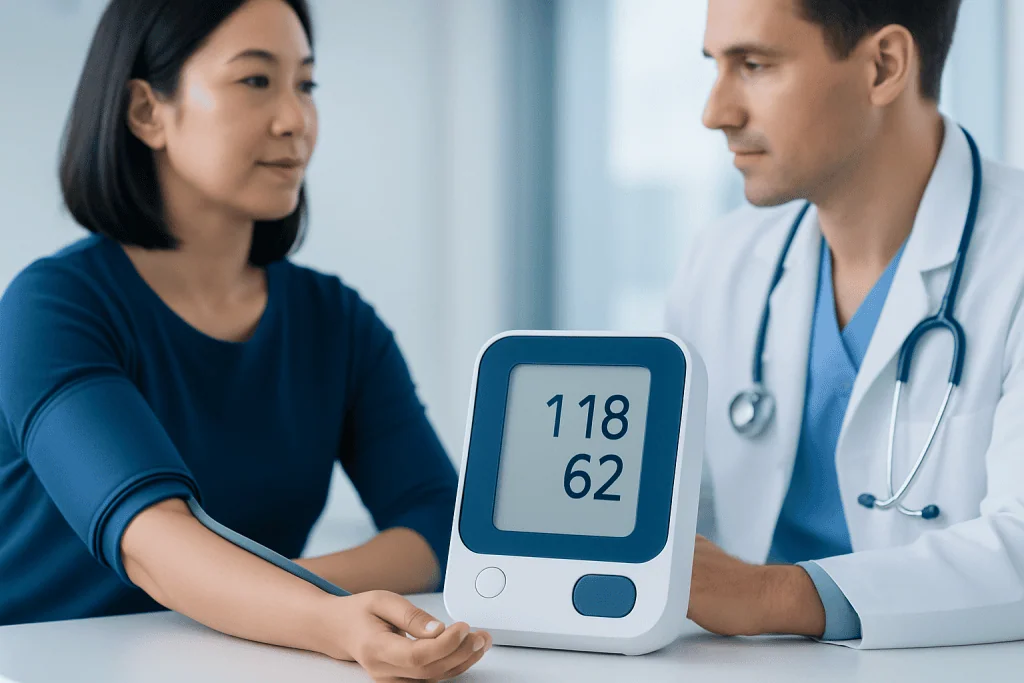
Blood pressure is recorded as systolic over diastolic. Systolic pressure shows how strongly blood pushes against artery walls when the heart beats. Diastolic pressure shows the pressure between beats, when the heart relaxes and fills again.
According to commonly used American Heart Association categories, 118/62 falls in the normal range. It is not considered high blood pressure, and it is not usually classified as low blood pressure unless symptoms are present or a doctor identifies an underlying issue.
The table below shows the standard adult blood pressure categories:
- Normal: less than 120 systolic and less than 80 diastolic
- Elevated: 120-129 systolic and less than 80 diastolic
- High blood pressure stage 1: 130-139 systolic or 80-89 diastolic
- High blood pressure stage 2: 140 or higher systolic or 90 or higher diastolic
- Hypertensive crisis: higher than 180 systolic and/or higher than 120 diastolic, requiring urgent medical assessment
If a person has repeated higher readings, evaluation for high blood pressure may be needed. On the other hand, a single normal reading like 118/62 is generally reassuring when it matches how the person feels.
What this reading may mean by age group

In most healthy adults, 118/62 is a good blood pressure reading. It suggests that the heart is pumping blood effectively without excessive pressure on the arteries. For many middle-aged and older adults, it may be especially reassuring because systolic pressure often rises with age.
In younger adults and teenagers, blood pressure can naturally run a little lower, especially in people who are physically fit, slim, or very active. In that setting, 118/62 may be entirely typical. In older adults, the same reading may also be normal, but doctors may look more closely if the person has falls, lightheadedness on standing, or takes medicines that can lower blood pressure.
During pregnancy, blood pressure should be interpreted in context and followed by a clinician. A reading of 118/62 is often acceptable, but symptoms and overall trends matter. In children, normal blood pressure ranges depend on age, height, and sex, so adult categories should not be applied directly.
The most important point is that blood pressure numbers should be interpreted alongside age, medical history, medications, symptoms, and repeated measurements over time rather than in isolation.
When 118/62 could be a concern
Even though 118/62 is usually normal, any blood pressure reading can matter differently if symptoms are present. Medical concern is less about the number alone and more about whether the brain, heart, and other organs are receiving adequate blood flow and whether the reading represents a sudden change from the person’s usual baseline.
A doctor may want to assess a reading like 118/62 if it is linked with:
- dizziness or lightheadedness
- fainting or near-fainting
- blurred vision
- unusual weakness or fatigue
- chest pain, shortness of breath, or palpitations
- confusion or trouble concentrating
Sometimes symptoms relate to dehydration, illness, blood loss, prolonged bed rest, endocrine problems, heart rhythm issues, or medication effects. Some people being treated for hypertension may develop symptoms if blood pressure drops lower than their body is used to.
If there are symptoms of heart disease or circulation problems, a doctor may recommend further evaluation and, when appropriate, tests used in cardiology assessment or rhythm testing such as electrocardiography (EKG).
Common reasons blood pressure reads 118/62
A reading of 118/62 often occurs simply because that is the person’s normal blood pressure. Genetics, body size, regular exercise, good cardiovascular fitness, and a balanced diet can all contribute to healthy readings in this range.
Short-term factors also affect blood pressure. After resting quietly, blood pressure may be lower than after walking, climbing stairs, or feeling stressed. Warm weather, dehydration, missed meals, alcohol, and some medications can also lower readings. In contrast, pain, anxiety, nicotine, and caffeine may temporarily raise them.
Some prescribed treatments can influence blood pressure, including medicines used for high blood pressure, heart conditions, anxiety, or fluid control. People who take these medicines should not change or stop them on their own based on one reading. A clinician can help decide whether the number fits the treatment plan and whether review is needed.
Repeated very low readings together with symptoms may lead a doctor to investigate causes such as anemia, infection, endocrine disorders, valve disease, or heart rhythm disturbances. This is why trends and symptoms matter more than a single measurement in isolation.
How to measure blood pressure accurately
Correct technique is important because small errors can change the reading enough to create unnecessary concern. Blood pressure should be measured after sitting quietly for at least five minutes, with the back supported, feet flat on the floor, and the arm supported at heart level. The cuff should fit properly and be placed on bare skin rather than over clothing.
For the most reliable home readings, it helps to avoid exercise, smoking, caffeine, and heavy meals for about 30 minutes beforehand when possible. The person should not talk during the measurement. Taking two readings one minute apart and recording both can improve accuracy.
Readings are most useful when taken at the same times each day, such as morning and evening, especially if a doctor is monitoring trends. A single unusual value may not mean much, but a pattern can help guide care. If home readings are inconsistent, medical teams may suggest ambulatory or clinic-based monitoring, and in some situations a structured check-up can help clarify whether the numbers are truly normal.
Lifestyle guidance and self-care
When 118/62 blood pressure is not causing symptoms, it generally does not need treatment. The best approach is usually to support overall heart health with sustainable daily habits. A balanced eating pattern, regular physical activity, good sleep, stress management, and not smoking all help maintain healthy blood pressure over time.
Staying hydrated is especially important for people who feel lightheaded or who notice lower readings after heat exposure, exercise, illness, or long periods without fluids. Rising slowly from bed or from a chair may also help if there is occasional dizziness on standing. People who use blood pressure medicine should keep taking it as prescribed unless a doctor advises otherwise.
It can also help to track blood pressure together with symptoms, meals, fluid intake, and medicines. This gives a clearer picture than numbers alone and may help a clinician identify patterns. People with known heart or vascular conditions should follow their care plan and attend regular follow-up.
Near the end of the diagnostic pathway, some patients may need specialist evaluation to rule out related conditions such as arrhythmia. Acibadem International’s multidisciplinary specialists in JCI-accredited hospitals diagnose and treat cardiovascular conditions for international patients when further assessment is needed.
When to seek medical care
Routine medical advice is appropriate if 118/62 is new, if it is lower than usual for the person, or if there are repeated readings that seem unusual. A doctor should also be consulted if there are frequent episodes of dizziness, weakness, fainting, or a noticeable change after starting a new medicine.
Urgent medical care is needed for symptoms such as chest pain, severe shortness of breath, fainting, confusion, signs of stroke, or heavy bleeding, regardless of the blood pressure number. These symptoms may point to a serious problem even when the reading itself does not look alarming.
People with chronic conditions such as heart disease, diabetes, kidney disease, or a history of stroke should discuss their target range with their clinician. The safest interpretation of blood pressure always depends on the whole person, not only the numbers on the screen.
Frequently asked questions
Is 118/62 a good blood pressure reading?
Yes, for most adults, 118/62 is a good and normal blood pressure reading. It is usually considered healthy as long as the person feels well and does not have symptoms such as dizziness or fainting.
Is 62 diastolic too low?
A diastolic pressure of 62 is not usually too low on its own. It is commonly seen in healthy adults, especially younger people and those who are physically fit. It becomes more important if it is part of a sudden drop or if symptoms are present.
Can 118/62 cause dizziness?
The number itself does not usually cause dizziness in someone who is otherwise well. However, if a person is dehydrated, ill, taking certain medicines, or experiencing a sudden drop from their usual blood pressure, dizziness can occur even with a reading that appears normal.
Should someone worry about 118/62 blood pressure during pregnancy?
This reading is often acceptable during pregnancy, but it should always be interpreted in context. Symptoms, trends over time, and the overall pregnancy assessment are more important than one isolated reading. Pregnant patients should discuss any concerns with their obstetric care team.
What should someone do if their blood pressure is 118/62 at home?
If the person feels well, no urgent action is usually needed. It is reasonable to record the reading, continue normal routines, and repeat measurements at the same time on other days if monitoring has been advised. If symptoms appear or readings change significantly, medical guidance is appropriate.
Can athletes have blood pressure like 118/62?
Yes. People who exercise regularly often have efficient heart function and may naturally have blood pressure in this range. In many cases, this is a sign of good cardiovascular fitness rather than a problem.
References
- American Heart Association
- National Heart, Lung, and Blood Institute
- Centers for Disease Control and Prevention
- European Society of Cardiology
- Mayo Clinic
This article is for general information only and is not a substitute for professional medical advice. Please consult a qualified doctor about your individual situation.
Explore treatments in Turkey — costs, top hospitals & a free quote
JCI-accredited · board-certified surgeons · reply within 24h
Add us as a Preferred Source to see more of our trusted health content across Google Search, AI Overviews and Discover.
Check your numbers in seconds
BMI, calories, due date, blood pressure and 30+ more clinical calculators — free, instant, doctor-reviewed ranges.

More from the Health Library



Related Specialists

Prof. Dr. Mehmet Ziya Özüer
Otorhinolaryngology
Dt. Yeliz Çavuşoğlu Yüce
Oral & Dental Health
Assoc. Prof. Dr. Ürün Özer Ağırbaş
Psychiatry
Dr. Şenol Coşkun
Cardiology