How to get rid of ulcer in mouth: What Works at Home, What Doesn’t, and When to See a Doctor

Most simple mouth ulcers heal on their own within 7 to 14 days. The most helpful home measures are gentle oral hygiene, avoiding irritating foods, and using pharmacist-recommended pain-relief or protective products.
Key Takeaways
- Most simple mouth ulcers heal on their own within 7 to 14 days.
- The most helpful home measures are gentle oral hygiene, avoiding irritating foods, and using pharmacist-recommended pain-relief or protective products.
- Not every home remedy is evidence-based; some may sting, delay healing, or irritate the mouth further.
- Repeated ulcers can be linked to stress, minor injury, nutritional deficiencies, or underlying health conditions.
- Medical care is important for ulcers lasting more than 2 weeks, unusually large sores, frequent recurrences, or red-flag symptoms such as fever or trouble eating and drinking.
How to get rid of ulcer in mouth usually starts with simple, evidence-based care: protect the sore from irritation, use pain relief, and avoid triggers while it heals. Most common mouth ulcers improve within 1 to 2 weeks, but some need medical assessment, especially if they are severe, recurrent, or slow to heal.
Overview: what usually works for a mouth ulcer
How to get rid of ulcer in mouth is a common question, and the answer is usually straightforward: most small, round, painful mouth ulcers improve with time plus supportive care. The most reliable steps are to reduce irritation, keep the mouth clean, control pain, and avoid triggers such as spicy foods, sharp foods, or accidental rubbing from a toothbrush or dental appliance.
Mouth ulcers are often called canker sores. They are different from cold sores, which are usually caused by herpes simplex virus and tend to appear on or around the lips. A typical canker sore forms inside the mouth, often on the inner lip, cheeks, tongue, or gums, and looks like a shallow sore with a white, yellow, or gray center and a red border.
Because many ulcers settle without prescription treatment, people often try home remedies first. Some are sensible and evidence-based, while others are mostly anecdotal or may even make symptoms worse. A practical approach is to start with low-risk measures that soothe the sore and support healing, then seek medical advice if the ulcer is severe, recurrent, or not improving as expected.
What a mouth ulcer feels like and how to recognize it
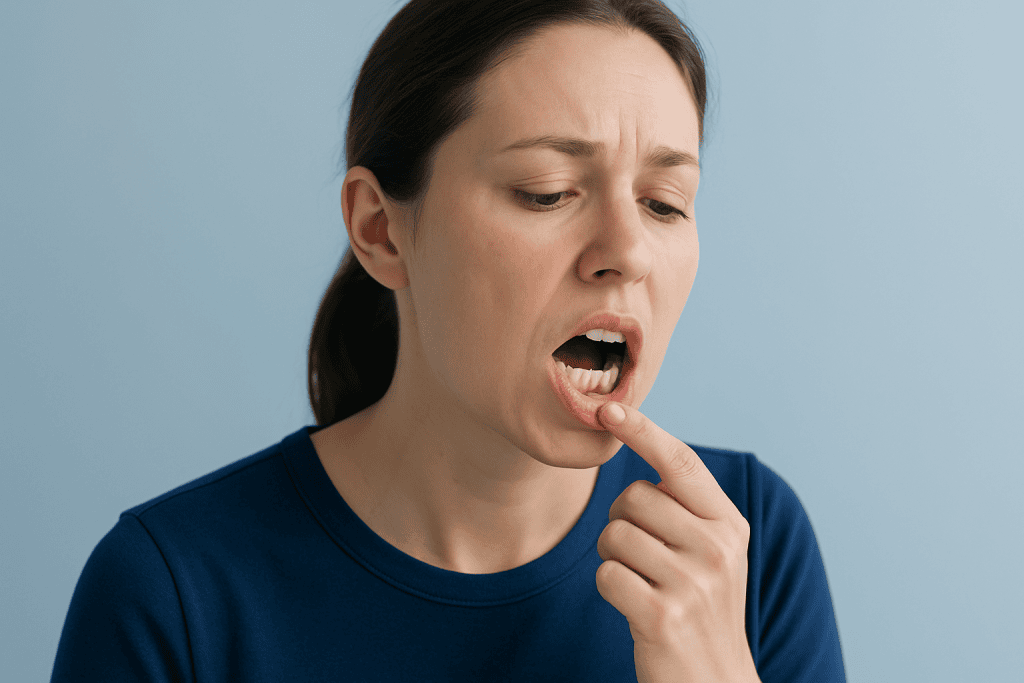
A simple mouth ulcer is usually painful, especially when eating, drinking, or brushing the teeth. It may start with a tingling or burning sensation before a small round or oval sore appears. The center often looks pale, while the surrounding tissue looks red and inflamed.
Ulcers can occur singly or in clusters. Minor aphthous ulcers are the most common and are typically less than 1 centimeter across. Major ulcers are larger, deeper, and may take longer to heal. Herpetiform ulcers are less common and appear as many tiny sores that can merge into a larger raw area.
It is helpful to notice where the sore is and whether anything seems to have triggered it. Biting the inside of the cheek, irritation from braces, a new toothpaste, or a period of stress can all play a role. If a sore is on the lip border or is accompanied by fluid-filled blisters, it may not be a canker sore and may need a different approach.
Some people also have related conditions that affect the mouth, such as gum inflammation or oral infections. If symptoms do not fit a typical canker sore pattern, a dental or medical assessment may be useful, especially to rule out issues such as gum disease or other mouth conditions.
Evidence-backed home care: what helps most
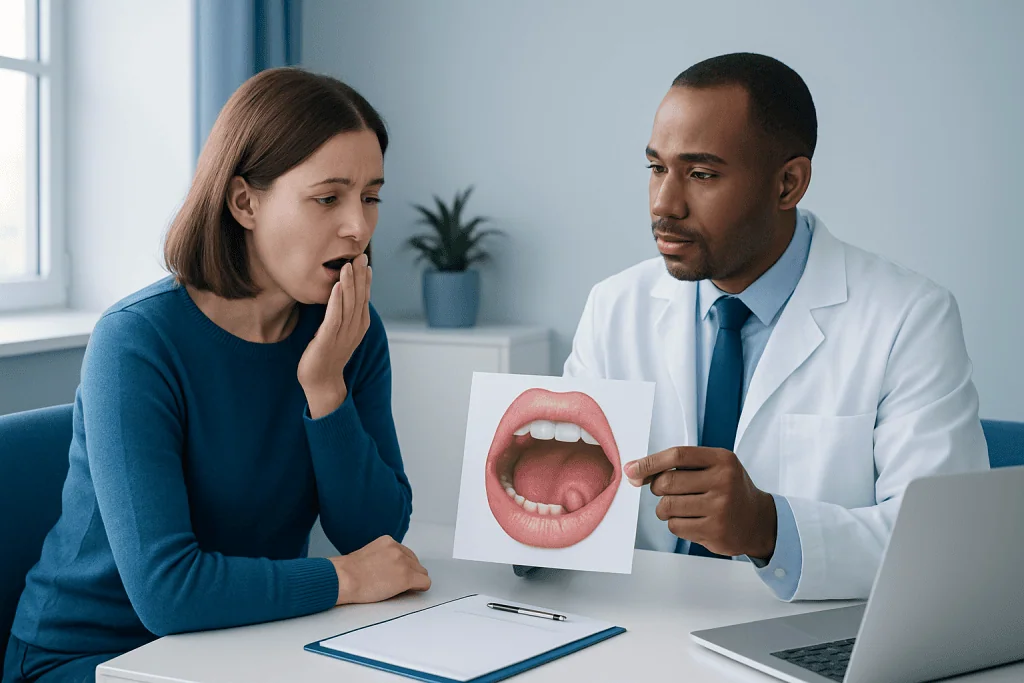
The best-supported home care measures are simple. Rinsing gently with warm salt water may help keep the area clean and can be soothing for some people. Choosing soft, bland foods and avoiding acidic, spicy, salty, or crunchy foods can reduce pain and prevent repeated irritation while the surface heals.
Good oral hygiene matters, but it should be gentle. A soft-bristled toothbrush and careful brushing can help avoid further trauma. Some people find that toothpaste without sodium lauryl sulfate is less irritating, although this does not help everyone. Staying well hydrated is also important, especially if pain has led to reduced drinking.
Over-the-counter products can be useful when they are chosen carefully. Protective pastes, gels, or mouth rinses may reduce discomfort by covering the sore or decreasing irritation. Pain-relieving products used for oral sores can also make eating and drinking easier. If symptoms are more severe or ulcers recur often, a doctor or dentist may recommend prescription options such as anti-inflammatory mouth preparations or, in selected cases, specialist oral and dental care.
If a sharp tooth edge, denture, or orthodontic appliance seems to be rubbing the area, reducing that source of friction can make a meaningful difference. An oral health professional may advise adjustments, smoothing of a rough area, or protective measures. This is one reason persistent ulcers deserve a closer look rather than repeated self-treatment alone.
Home remedies that are unproven or may irritate the sore
Many remedies circulate online for how to get rid of ulcer in mouth, but not all have good clinical support. Dabbing substances such as undiluted vinegar, lemon juice, strong salt, alcohol-based rinses, or concentrated essential oils directly onto an ulcer can sting significantly and may further irritate already damaged tissue. Even if a remedy feels “strong,” that does not mean it is helping the sore heal faster.
Honey has some evidence for soothing oral tissues and may help in certain cases, but it is not a substitute for proper assessment if ulcers are severe or keep returning. It should be used cautiously, and it is not suitable for infants. Baking soda rinses are commonly suggested and may be soothing for some people, but results vary and the evidence is limited compared with standard oral-care products.
Topical numbing products can be helpful when used as directed, but repeated overuse or applying multiple products at once may irritate the mouth or make it hard to notice whether a sore is worsening. Herbal remedies are often anecdotal, and product quality can vary. A safe rule is to avoid any remedy that burns sharply, causes swelling, or seems to enlarge the ulcer.
If mouth ulcers are frequent enough that home remedies are becoming routine, the priority should shift from trying more remedies to understanding the cause. A clinician may evaluate for contributing problems such as nutritional deficiency, inflammatory disease, medication effects, or other oral conditions that can mimic ulcers.
Why mouth ulcers happen: common causes and risk factors
In many people, no single cause is found. Minor injury is one of the most common triggers, including cheek biting, aggressive brushing, dental work, braces, or irritation from a rough tooth. Stress, poor sleep, and hormonal changes can also be associated with outbreaks in some people.
Dietary and nutritional factors may matter. Deficiencies in iron, folate, vitamin B12, or zinc can contribute in some cases. Food triggers vary from person to person, but acidic fruits, spicy foods, nuts, and certain flavorings or preservatives may aggravate symptoms. Some people also notice a link with toothpaste ingredients or mouthwashes that are too harsh.
Recurrent or severe ulcers can sometimes be related to underlying health conditions. These include inflammatory bowel disease, celiac disease, immune-related conditions, and certain infections. Medicines can also play a role. If ulcers happen along with digestive symptoms, unexplained weight loss, rashes, eye inflammation, or genital ulcers, a doctor may look more broadly at whole-body causes.
Occasionally, a persistent sore in the mouth is not a simple ulcer at all. Long-lasting lesions may need evaluation by dental, ENT, or oral medicine specialists to exclude chronic infection, significant inflammation, or less common but important diagnoses. In selected cases, referral for ear, nose, and throat evaluation may be appropriate if the sore is difficult to classify or involves nearby throat symptoms.
When to seek medical care
Red-flag symptoms should lead to medical or dental assessment rather than continued self-treatment. These include a mouth ulcer lasting longer than 2 weeks, a very large or unusually deep sore, severe pain that prevents eating or drinking, signs of dehydration, fever, swollen glands, repeated bleeding, or ulcers that keep coming back frequently. Prompt review is also important if the sore follows a new medication, if there is widespread rash, or if the person has a weakened immune system.
Medical care is also sensible when the diagnosis is uncertain. A sore that appears on the outer lips with blisters may be a cold sore rather than a canker sore. White patches that do not wipe away, marked gum swelling, or painful swallowing may point to a different condition that needs targeted treatment.
A clinician may ask about diet, medications, recent illness, stress, family history, and patterns of recurrence. They may examine the mouth, gums, tongue, and throat and check for dental irritation. If ulcers are frequent or atypical, blood tests or other investigations may be suggested to look for anemia, vitamin deficiencies, or inflammatory disease. In some situations, further evaluation for persistent oral lesions is needed, especially when a sore does not heal as expected.
Near the end of the care pathway, specialist assessment can help clarify difficult cases. Acibadem International’s multidisciplinary specialists in JCI-accredited hospitals diagnose and treat oral and related conditions for international patients when advanced evaluation is needed.
Medical treatment options if home care is not enough
When a mouth ulcer is especially painful, large, or recurrent, treatment may go beyond basic home care. Doctors or dentists may recommend medicated mouth rinses, protective coatings, topical anti-inflammatory treatments, or other prescription options aimed at reducing pain and helping healing. The exact choice depends on the likely cause, the location of the ulcer, and whether there are any signs of infection or systemic illness.
If an underlying trigger is found, addressing it is often the most effective long-term strategy. This might involve correcting a nutritional deficiency, changing an irritating oral-care product, adjusting a dental appliance, or treating another medical condition. Repeated ulcers related to autoimmune or gastrointestinal disease may need broader treatment directed by the relevant specialist.
Where mouth ulcers are linked to dental irritation or unresolved oral problems, coordinated evaluation can be helpful. Depending on the findings, a clinician may recommend dental treatment or referral to an oral medicine, ENT, or gastroenterology team. If ulcers are part of more widespread digestive symptoms, investigating the gastrointestinal cause becomes important rather than focusing only on the mouth.
Self-prescribing antibiotics is not appropriate for typical mouth ulcers, and antiviral medicines are not routinely used for canker sores. Because several mouth conditions look similar, proper diagnosis matters before any stronger treatment is started.
How to lower the chance of ulcers coming back
Prevention starts with reducing irritation. Using a soft toothbrush, brushing gently, and keeping up regular dental care can help. If braces, retainers, dentures, or a sharp tooth are involved, asking for an adjustment may prevent repeated trauma. Choosing foods that are less likely to scratch or sting the mouth can also make a difference during vulnerable periods.
It can be useful to keep a simple symptom diary if ulcers recur. Recording foods, stress levels, menstrual cycles, sleep changes, oral-care products, and recent illnesses may reveal patterns. If a clear trigger emerges, avoiding it is often more effective than trying repeated remedies after the sore appears.
A balanced diet supports oral health overall, and recurrent ulcers may justify discussion of iron, folate, vitamin B12, or zinc status with a clinician. Stress management, regular sleep, and hydration may also help some people, even though these measures are not a cure by themselves. People who smoke should not start or continue smoking in an attempt to control ulcers; tobacco harms oral tissues and overall health.
If ulcers are frequent, unusually painful, or associated with other symptoms, prevention should include proper diagnosis. For some people, the recurring sore is the first sign of a broader issue rather than a simple isolated mouth problem. Timely assessment can help prevent ongoing discomfort and guide the right treatment plan.
Frequently asked questions
How long does a mouth ulcer usually take to heal?
Most simple mouth ulcers heal within 7 to 14 days. Larger or deeper ulcers can take longer. If a sore lasts more than 2 weeks, it should be checked by a doctor or dentist.
What is the fastest way to get rid of an ulcer in the mouth?
There is usually no instant cure, but healing is often easiest when the sore is protected from irritation and pain is controlled. Gentle mouth care, avoiding spicy or acidic foods, and using pharmacist-recommended protective or pain-relief products can help. Fast worsening or severe pain should be assessed professionally.
Should a mouth ulcer be popped, scraped, or touched?
No. Picking, scraping, or trying to remove the white center can damage the tissue further and increase pain. It is better to leave the sore undisturbed and keep the mouth clean.
Are mouth ulcers contagious?
Typical canker sores are not contagious. However, some other mouth sores, such as cold sores caused by herpes simplex virus, can spread through close contact. If the diagnosis is unclear, a clinician can help tell the difference.
Can stress cause mouth ulcers?
Stress does not cause every ulcer, but it is a common trigger in some people. Poor sleep and periods of physical or emotional strain may also be associated with outbreaks. If ulcers recur during stressful times, stress reduction may be part of prevention.
When should someone worry about a mouth ulcer?
Concern is reasonable if the ulcer lasts longer than 2 weeks, is very large, keeps returning, or causes trouble eating, drinking, or swallowing. Fever, swollen glands, weight loss, or other unexplained symptoms also deserve medical review. Persistent mouth sores should not be ignored.
References
- American Dental Association
- National Health Service
- Mayo Clinic
- Merck Manual Consumer Version
- National Institute of Dental and Craniofacial Research
This article is for general information only and is not a substitute for professional medical advice. Please consult a qualified doctor about your individual situation.
Persistent digestive symptoms? Get evaluated in Turkey
JCI-accredited · board-certified surgeons · reply within 24h
Add us as a Preferred Source to see more of our trusted health content across Google Search, AI Overviews and Discover.

More from the Health Library



Related Specialists

Prof. Dr. Süleyman Cansun Demir
Gynecology & Obstetrics
Assoc. Prof. Dr. Mustafa Zungur
Cardiology
Assoc. Prof. Dr. Dilek Altun
Anesthesiology
Prof. Dr. Handan Onur Topuzlu
Medical Oncology