Necrotic: A Complete Medical Guide — Function, Normal Levels, and Health Implications

Necrotic tissue is dead tissue, not a lab value or a normal body level. Common causes include reduced blood flow, infection, injury, burns, and certain chronic diseases.
Key Takeaways
- Necrotic tissue is dead tissue, not a lab value or a normal body level.
- Common causes include reduced blood flow, infection, injury, burns, and certain chronic diseases.
- Symptoms vary by body area but may include pain, color change, swelling, numbness, drainage, or fever.
- Diagnosis often involves a physical exam, blood tests, imaging, and sometimes tissue sampling.
- Treatment may include antibiotics, wound care, restoring blood flow, or removing dead tissue.
- Early medical evaluation helps protect surrounding healthy tissue and reduce complications.
Necrotic means that body tissue has died and can no longer function normally. This usually happens because of poor blood supply, severe infection, trauma, toxins, or inflammation, and the right treatment depends on the cause, location, and amount of tissue involved.
Overview: what “necrotic” means in medicine
Necrotic means that tissue has died. In medical use, the word describes an area of cells or tissue that can no longer function because they were damaged beyond recovery, often by poor blood supply, infection, trauma, severe inflammation, or exposure to harmful substances.
People sometimes search for “normal necrotic levels,” but necrotic is not a blood test and does not have a normal range. It is a descriptive term used by doctors, radiologists, surgeons, and pathologists when examining skin, soft tissue, bone, organs, or imaging findings. A report may mention necrotic tissue in a wound, a necrotic area inside an organ, or necrotic changes seen on a scan.
Necrosis can affect small, superficial areas such as part of a skin wound, or deeper structures such as muscle, bowel, bone, or internal organs. The health implications depend on where the tissue is located, how much of it is involved, and what caused it. In some cases the problem is local and treatable; in others, it may signal a serious illness that needs urgent care.
How tissue becomes necrotic

Healthy tissue needs a steady supply of oxygen and nutrients. When blood flow is blocked or severely reduced, cells cannot make enough energy to survive. This can happen with vascular disease, a blood clot, pressure injury, severe swelling, or twisting of an organ such as the bowel or ovary.
Infection is another important cause. Some bacteria invade tissue and release toxins that damage cells quickly. A serious wound infection, a diabetic foot infection, or deep soft-tissue infection may lead to areas of necrosis. In these cases, doctors focus not only on the dead tissue itself but also on controlling the infection and protecting nearby healthy tissue.
Direct injury can also lead to necrotic changes. Burns, frostbite, crush injury, radiation exposure, and certain chemicals may destroy cells immediately or over time. In addition, severe inflammation from autoimmune disease, pancreatitis, or other conditions may contribute to tissue damage. Sometimes necrosis develops within tumors because fast-growing cancer cells outgrow their blood supply, although necrotic tissue itself is not the same thing as cancer.
Doctors may describe different patterns of necrosis depending on the organ and cause. Patients do not need to memorize these terms, but they can help explain scan or biopsy results and guide treatment decisions.
Signs and symptoms of necrotic tissue
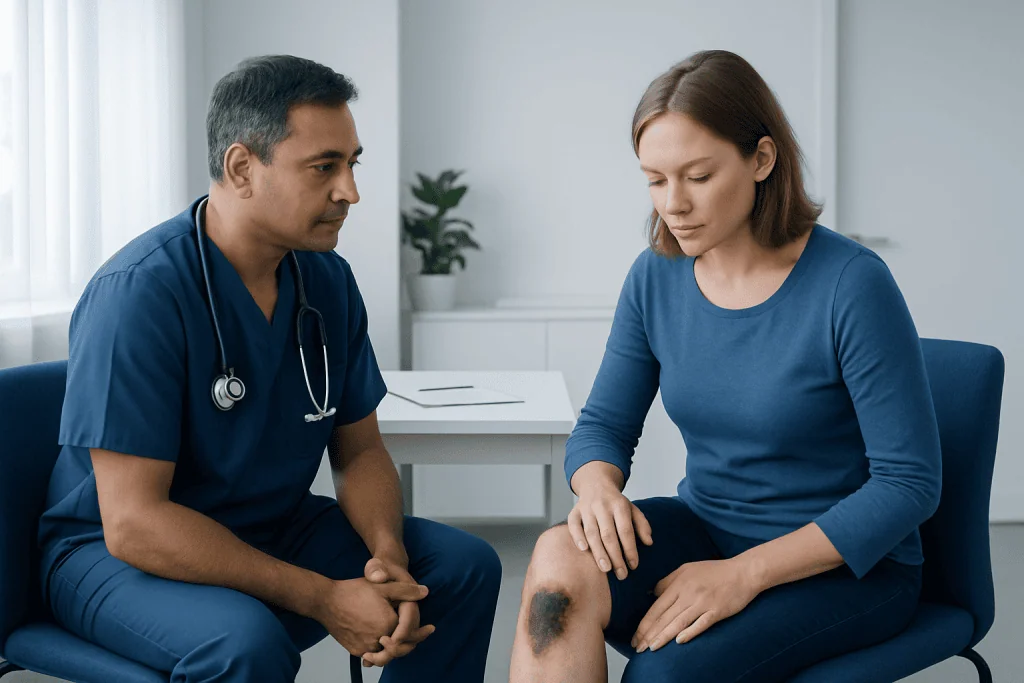
Symptoms depend on the body part involved. When necrosis affects the skin or a wound, visible changes are often the first clue. The area may look black, brown, gray, or yellow, and it may feel dry and hard or moist and soft. Some people notice a foul odor, drainage, or delayed healing.
Pain is common, especially early on, but not always. In some cases, nerve damage or poor circulation can cause numbness rather than pain. Swelling, redness around the area, warmth, and tenderness may suggest infection or inflammation in surrounding tissue. If blood flow is severely reduced, the area may feel cool.
When necrosis occurs internally, symptoms may be less obvious. A person may develop severe abdominal pain, fever, weakness, nausea, or symptoms related to the affected organ. For example, necrosis in the bowel can cause sudden abdominal pain and vomiting, while necrosis in bone may lead to persistent joint pain and reduced movement, as seen in avascular necrosis.
- Skin discoloration or blackened tissue
- Persistent or worsening pain
- Numbness, coolness, or loss of sensation
- Drainage, bad odor, or signs of infection
- Fever, chills, or feeling generally unwell
- Delayed wound healing
Common causes and risk factors
Many conditions can increase the risk of tissue becoming necrotic. Problems that reduce circulation are major contributors. These include peripheral artery disease, diabetes-related blood vessel damage, blood clots, severe pressure on the skin, and smoking-related vascular disease. Long periods of immobility can also raise risk by increasing pressure injury.
Infections are another major category. Untreated wounds, deep ulcers, burns, and surgical site infections can all progress to necrosis if bacteria spread and tissue damage becomes severe. People with weakened immune systems may be more vulnerable because their bodies have more difficulty controlling infection.
Chronic illnesses can make healing slower and tissue injury more likely. Diabetes, kidney disease, autoimmune disorders, malnutrition, and advanced vascular disease are all important risk factors. Some medications or medical treatments, including certain chemotherapy drugs, radiation, or long-term steroid use, may also affect tissue health and blood supply in specific situations.
Necrotic changes can also appear in serious inflammatory or abdominal conditions, including some forms of pancreatitis, where surrounding tissue may become damaged. Because the causes are varied, a doctor will usually look at the whole clinical picture rather than the word necrotic alone.
How doctors diagnose necrotic changes
Diagnosis starts with a careful medical history and physical examination. A doctor will ask when symptoms began, whether there was an injury or wound, and whether the person has diabetes, circulation problems, fever, or other illnesses. The appearance, texture, smell, temperature, and depth of the affected area can provide useful clues.
Blood tests may be used to look for infection, inflammation, organ stress, dehydration, or blood sugar problems. Imaging tests such as ultrasound, X-ray, CT, or MRI can help show how deep the damage goes, whether blood flow is reduced, and whether internal organs or bone are involved. In some cases, blood vessel imaging is needed to check circulation.
For wounds or suspicious masses, doctors may take a sample for culture or biopsy. A culture can help identify infection, while pathology can confirm whether tissue is necrotic and whether other disease processes are present. If there is concern about reduced circulation, prompt assessment may be especially important to help save viable tissue.
The term necrotic on an imaging or pathology report should be interpreted in context. It tells doctors that tissue death is present, but not always exactly why. The underlying cause determines whether treatment focuses on antibiotics, circulation, surgery, wound care, or monitoring.
Treatment options and what recovery may involve
Treatment for necrotic tissue depends on the location, cause, and severity. The main goals are to treat the underlying problem, prevent spread, reduce infection risk, and support healing. Small superficial areas may be managed with close wound care, while deeper or infected necrosis can require urgent treatment.
If infection is present or strongly suspected, doctors may prescribe antibiotics. Wound care may include cleaning, specialized dressings, pressure relief, and moisture balance to protect healthy tissue. In some cases, doctors recommend advanced wound care to support healing and monitor for complications.
When dead tissue prevents healing or raises infection risk, removal may be needed. This process is called debridement and can be done with dressings, enzymes, or a procedure depending on the wound and patient. If blood flow is poor, treatment may also focus on restoring circulation through vascular care or surgery. For deep infections, abscesses, or severe abdominal disease, surgical treatment may be necessary.
Recovery varies. Some people heal fully once the cause is corrected, while others need ongoing care for diabetes, circulation problems, or chronic wounds. Physical therapy, nutrition support, smoking cessation, and follow-up visits may all play a role. Near the end of the care pathway, some international patients may choose evaluation at centers such as Acibadem International, where multidisciplinary specialists in JCI-accredited hospitals diagnose and treat complex wound, vascular, and surgical conditions.
Prevention, self-care, and when to seek medical care
Prevention focuses on protecting circulation, skin integrity, and overall health. Good diabetes management, smoking cessation, regular movement, proper footwear, hydration, and prompt attention to cuts or blisters are especially important for people at higher risk. Pressure relief and regular skin checks can help those who spend long periods in bed or in a wheelchair.
At home, it is important not to ignore a wound that changes color, drains, smells bad, or becomes increasingly painful. Gentle hygiene, keeping the area protected, and following a clinician’s wound-care instructions can help. Home remedies should not replace medical care when tissue appears dead or infection is possible.
Medical care should be sought promptly for black or rapidly darkening tissue, severe pain, spreading redness, fever, numbness, sudden coolness of a limb, or any wound that is not healing. Emergency care is especially important if symptoms are accompanied by confusion, vomiting, severe weakness, rapidly worsening swelling, or severe abdominal pain.
People with diabetes, vascular disease, or immune suppression should have a lower threshold for evaluation. Early treatment can sometimes limit damage and improve the chance of healing with less extensive intervention.
Frequently asked questions
What does necrotic mean on a medical report?
Necrotic means that an area of tissue has died. It is a descriptive medical term, not a diagnosis by itself, so doctors interpret it alongside symptoms, imaging, blood tests, and examination findings.
Is necrotic tissue always an emergency?
Not every case is an emergency, but necrotic tissue should always be medically assessed. It can sometimes indicate a serious infection, poor blood supply, or organ damage that needs prompt treatment.
Can necrotic tissue heal on its own?
Dead tissue itself does not return to normal. Healing usually depends on removing or managing damaged tissue, treating infection if present, and correcting the underlying cause such as poor circulation or pressure.
Does necrotic mean cancer?
No. Necrotic simply means tissue death. Some tumors can contain necrotic areas, but many non-cancer conditions such as wounds, infections, burns, and circulation problems can also cause necrosis.
What are the early signs of necrosis in a wound?
Early signs may include worsening pain, unusual discoloration, delayed healing, drainage, or a bad odor. The skin may also feel cool, numb, hard, or increasingly tender depending on the cause.
Who is most at risk for developing necrotic tissue?
People with diabetes, poor circulation, smoking history, pressure injuries, severe infections, or weakened immune systems are at higher risk. Risk also increases after major trauma, burns, frostbite, or untreated wounds.
References
- World Health Organization
- U.S. National Library of Medicine
- Centers for Disease Control and Prevention
- National Institute of Diabetes and Digestive and Kidney Diseases
- American Academy of Dermatology
This article is for general information only and is not a substitute for professional medical advice. Please consult a qualified doctor about your individual situation.
Explore treatments in Turkey — costs, top hospitals & a free quote
JCI-accredited · board-certified surgeons · reply within 24h
Add us as a Preferred Source to see more of our trusted health content across Google Search, AI Overviews and Discover.