20 Weeks Pregnant: Symptoms, Baby Development, and What to Expect

At 20 weeks pregnant, the baby is developing rapidly and is often described as about the size of a banana. Common symptoms this week include round ligament pain, back discomfort, heartburn, leg cramps, and stronger fetal movement.
Key Takeaways
- At 20 weeks pregnant, the baby is developing rapidly and is often described as about the size of a banana.
- Common symptoms this week include round ligament pain, back discomfort, heartburn, leg cramps, and stronger fetal movement.
- The 20-week anatomy scan checks the baby's growth, organs, placenta, and amniotic fluid.
- Healthy habits such as hydration, gentle activity, good posture, and prenatal care can help manage common discomforts.
- Urgent medical advice is needed for heavy bleeding, severe pain, fluid leakage, fever, or reduced movement after movement has become regular.
At 20 weeks pregnant, many people feel more fetal movement, notice steady body changes, and have the detailed mid-pregnancy anatomy scan around this time. This week often marks the halfway point, bringing reassurance as the baby grows and everyday symptoms continue to shift.
Overview: what 20 weeks pregnant usually feels like
At 20 weeks pregnant, many people are around the midpoint of pregnancy. This week often brings a clearer baby bump, more noticeable fetal movement, and a detailed ultrasound appointment known as the anatomy scan. For many, it is a stage when pregnancy starts to feel more real physically and emotionally.
Symptoms at this point are often a mix of growing comfort and new aches. Energy may be better than it was in the first trimester, but the changing uterus, shifting posture, and hormonal effects can cause back pain, stretching sensations, or indigestion. These changes are common, though each pregnancy can feel different.
Routine prenatal care remains important. Appointments around this time usually review the pregnant person’s health, blood pressure, weight, and any symptoms, while also monitoring the baby’s growth and well-being. Questions about movement, sleep, work, exercise, or travel are all reasonable to bring up during a visit.
Symptoms this week
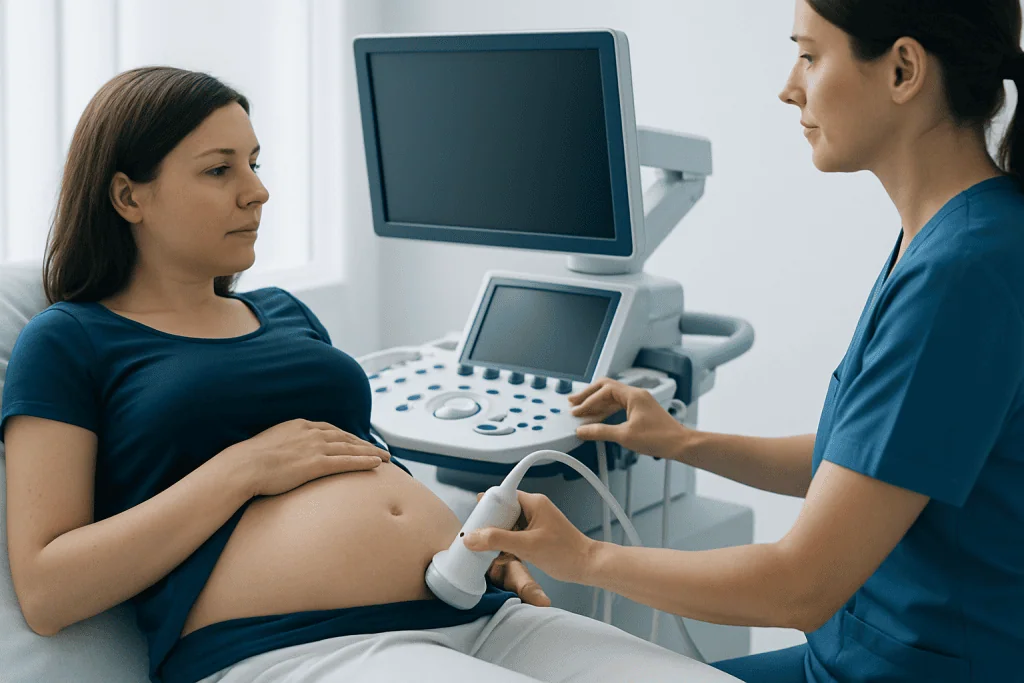
Common 20 weeks pregnant symptoms include fluttering or stronger kicks, mild pelvic or abdominal stretching pain, backache, nasal congestion, heartburn, and occasional dizziness. Some people also notice leg cramps, swelling in the feet by the end of the day, or itchy skin as the abdomen expands. Breasts may continue to feel fuller, and the skin may show stretch marks or darkening along the abdomen.
Round ligament pain is especially common around this stage. It can feel like a brief sharp or pulling discomfort low in the belly or groin when standing up quickly, coughing, or changing position. This usually reflects the normal stretching of tissues that support the uterus, but persistent or severe pain should be discussed with a doctor.
Digestive symptoms may continue because pregnancy hormones relax smooth muscle and the growing uterus can press on the stomach and intestines. Helpful measures can include smaller meals, avoiding lying down right after eating, drinking enough fluids, and choosing fiber-rich foods if constipation is a problem.
- Often normal this week: mild backache, occasional cramps in the legs, heartburn, and increasing fetal movement
- Worth mentioning at a prenatal visit: worsening swelling, frequent headaches, significant sleep problems, or pain that interferes with normal activity
- Needs prompt medical advice: bleeding, fluid leakage, severe abdominal pain, fainting, fever, or sudden vision changes
Baby development at 20 weeks
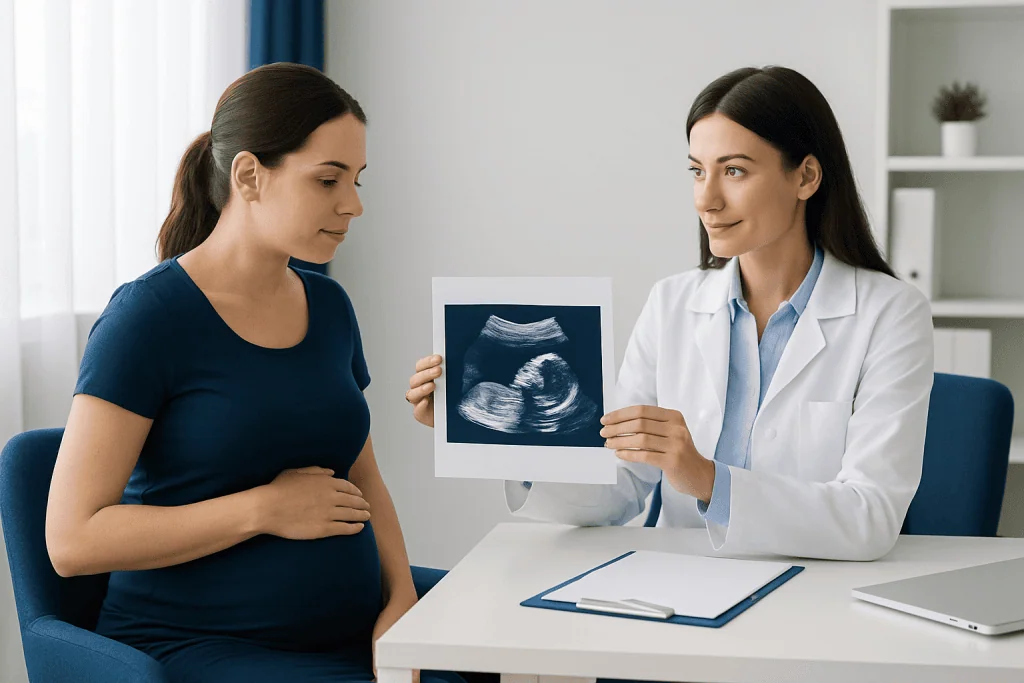
At 20 weeks pregnant, the baby is often compared in size to a banana. Exact length and weight vary, but growth is steady, and body proportions are becoming more balanced. The limbs continue to lengthen, muscles become stronger, and movements may start to feel more coordinated from the pregnant person’s perspective.
Important internal development is also underway. The baby’s digestive system is practicing swallowing, and the kidneys are producing urine into the amniotic fluid. The skin is still thin but is becoming coated with a protective substance called vernix, while fine hair known as lanugo helps cover the body for a period during pregnancy.
The brain, senses, and nervous system continue to mature. The baby can move arms and legs, make sucking motions, and respond to sounds in the womb. Many parents begin to feel more regular movement around this time, although the pattern can still be inconsistent, especially in a first pregnancy or if the placenta is positioned at the front of the uterus.
Body changes at 20 weeks
The uterus has grown enough by 20 weeks that the top of it is often near the level of the belly button. This can change the center of gravity and place more strain on the lower back and pelvis. As posture shifts, some people notice more fatigue after standing for long periods or discomfort when turning in bed.
Blood volume continues to rise during pregnancy, and circulation changes can lead to feeling warmer, sweating more easily, or becoming lightheaded if standing up quickly. Veins may become more visible, and some people develop mild ankle swelling later in the day. Comfortable shoes, rest breaks, and leg elevation can help.
Hormonal changes can also affect the skin, gums, and hair. Pregnancy may increase skin sensitivity or lead to darkened areas such as the linea nigra on the abdomen. Bleeding gums can happen more easily, so gentle dental care matters. While these body changes are common, symptoms such as severe swelling, persistent shortness of breath, or chest pain need medical attention.
The 20-week anatomy scan and routine checks
A major milestone around this week is the anatomy scan, sometimes called the mid-pregnancy ultrasound. This imaging test looks closely at the baby’s head, brain, face, spine, heart, stomach, kidneys, limbs, and other structures. It also checks growth, amniotic fluid, placental location, and often the cervix. If helpful, this may be part of a broader pregnancy ultrasound evaluation.
This scan is designed to provide detailed information, but it does not identify every possible condition. Sometimes the baby’s position makes parts difficult to see, and a follow-up ultrasound may be advised. In some cases, the placenta may be found to be low-lying at this stage, which often improves as the uterus grows but still needs monitoring.
Routine prenatal visits around 20 weeks usually include blood pressure measurement, weight review, urine checks, and discussion of symptoms. If there are concerns about contraction-like pain, bleeding, or cervical changes, doctors may assess for related problems such as preterm labor or evaluate other causes. If blood sugar screening or other tests are approaching, the care team may explain what to expect over the next few weeks.
Checklist: what to do at 20 weeks pregnant
A practical focus this week is to combine symptom management with planning ahead. Keeping prenatal appointments, noting movement patterns, and following general nutrition guidance can support a healthy pregnancy. Many people also begin preparing questions about childbirth classes, sleeping positions, work adjustments, or travel.
Gentle habits can help reduce common discomforts. Staying hydrated may ease dizziness and constipation. Light activity such as walking or prenatal stretching can support circulation and back comfort, while sleeping on the side with pillow support may improve rest. It is sensible to ask a doctor before starting new exercise routines, supplements, or over-the-counter medicines.
- Attend the anatomy scan and review the results with the prenatal care team
- Keep taking prenatal vitamins as advised
- Choose balanced meals with protein, fiber, calcium, and iron-rich foods
- Use posture support, comfortable footwear, and regular movement breaks
- Ask about any unusual discharge, persistent pain, or reduced movement concerns
If symptoms such as severe reflux, pelvic pressure, or repeated cramping are disrupting daily life, a doctor can help identify the cause and suggest safe treatment options. Some symptoms may overlap with other pregnancy-related conditions, including gestational diabetes later in pregnancy, so regular follow-up matters. In centers such as Acibadem International, multidisciplinary specialists in JCI-accredited hospitals evaluate and care for international patients throughout pregnancy when needed.
When to seek medical care
Most symptoms at 20 weeks pregnant are part of normal body adaptation, but some warning signs should not be ignored. Prompt medical advice is important for vaginal bleeding, a gush or ongoing trickle of fluid, severe abdominal pain, painful contractions, fever, or fainting. These symptoms need assessment even if they improve.
Medical review is also recommended for sudden swelling of the face or hands, severe headache, changes in vision, burning with urination, or shortness of breath that feels unusual. If fetal movement has already become familiar and there is a clear reduction, contacting the prenatal care team is sensible. Depending on the concern, doctors may recommend examination, lab tests, or fetal monitoring to check the baby’s well-being.
Anyone with a history of miscarriage, preterm birth, placental problems, high blood pressure, or multiple pregnancy should follow their clinician’s advice closely, since personalized monitoring may differ. When in doubt, it is safer to ask a qualified doctor than to wait and worry at home.
Frequently asked questions
Is it normal not to feel the baby move much at 20 weeks pregnant?
Yes, this can still be normal, especially in a first pregnancy or when the placenta is at the front of the uterus. Some people feel clear kicks by 20 weeks, while others notice only light flutters or inconsistent movement. If movement suddenly seems less than usual after it has become regular, contacting a doctor is a good idea.
What size is the baby at 20 weeks pregnant?
The baby is often described as about the size of a banana at 20 weeks. This is only a simple comparison, and exact measurements vary from one pregnancy to another. Ultrasound is the best way to assess individual growth.
What pains are common at 20 weeks pregnant?
Mild backache, round ligament pain, pelvic pressure, and occasional leg cramps are common at this stage. These are often related to the growing uterus, posture changes, and stretching tissues. Severe, constant, or one-sided pain should be assessed by a medical professional.
What is checked during the 20-week anatomy scan?
The anatomy scan examines the baby's organs and structures in detail, including the brain, heart, spine, face, limbs, stomach, and kidneys. It also looks at growth, amniotic fluid, placental position, and often the cervix. Sometimes a repeat scan is needed if some views are not clear.
Can someone sleep on their back at 20 weeks pregnant?
Many clinicians suggest side-sleeping from the second half of pregnancy because it can be more comfortable and may support circulation. Waking up on the back occasionally is common and usually not a reason to panic. Using pillows behind the back or between the knees may help maintain a more comfortable side position.
What should be avoided at 20 weeks pregnant?
It is generally wise to avoid smoking, alcohol, and medicines or supplements that have not been approved by a doctor. Activities with a high risk of falls, overheating, or abdominal injury are also best avoided. A prenatal care team can give personalized guidance about work, travel, exercise, and diet.
References
- World Health Organization
- American College of Obstetricians and Gynecologists
- National Health Service
- Centers for Disease Control and Prevention
This article is for general information only and is not a substitute for professional medical advice. Please consult a qualified doctor about your individual situation.
Explore treatments in Turkey — costs, top hospitals & a free quote
JCI-accredited · board-certified surgeons · reply within 24h
Add us as a Preferred Source to see more of our trusted health content across Google Search, AI Overviews and Discover.
Check your numbers in seconds
BMI, calories, due date, blood pressure and 30+ more clinical calculators — free, instant, doctor-reviewed ranges.