

21 Weeks Pregnant: Symptoms, Baby Development, and What to Expect

At 21 weeks pregnant, fetal movement often becomes easier to recognize and may feel more consistent. Common symptoms this week include back pain, round ligament discomfort, heartburn, leg cramps, and mild swelling.
Key Takeaways
- At 21 weeks pregnant, fetal movement often becomes easier to recognize and may feel more consistent.
- Common symptoms this week include back pain, round ligament discomfort, heartburn, leg cramps, and mild swelling.
- The baby is developing rapidly, with ongoing growth of the senses, digestive system, and sleep-wake patterns.
- Healthy habits, prenatal visits, and symptom tracking can support comfort and help identify concerns early.
- Urgent symptoms such as bleeding, fluid leakage, severe pain, or reduced movement after movement has been established should be assessed by a clinician.
At 21 weeks pregnant, many people notice more regular fetal movement, a clearly growing abdomen, and common mid-pregnancy symptoms such as back discomfort, heartburn, or leg cramps. This stage is often a time of steady baby growth, routine prenatal follow-up, and practical preparation for the second half of pregnancy.
Overview: what 21 weeks pregnant usually feels like
At 21 weeks pregnant, most people are well into the second half of the second trimester and beginning to feel the pregnancy more clearly in daily life. A growing abdomen, increased awareness of movement, and shifts in posture, sleep, and digestion are all common at this stage. For many, this week brings a mix of excitement and practical adjustment as the baby continues to grow and the body adapts.
This point in pregnancy is often less affected by early nausea than the first trimester, but it can bring its own set of changes. Symptoms such as heartburn, nasal congestion, mild ankle swelling, round ligament pain, or back strain may become more noticeable. Even when these symptoms are common, it is still important to mention anything persistent, severe, or unusual during prenatal care.
Week 21 is also a time when routine follow-up matters. If the mid-pregnancy anatomy scan has not yet been completed, it is often done around this period. Prenatal visits help monitor maternal health, blood pressure, weight trends, fetal growth, and any signs that need closer attention. If a healthcare team identifies concerns such as high blood pressure or changes in blood sugar, further assessment may be recommended, including evaluation for conditions such as gestational diabetes.
Symptoms this week
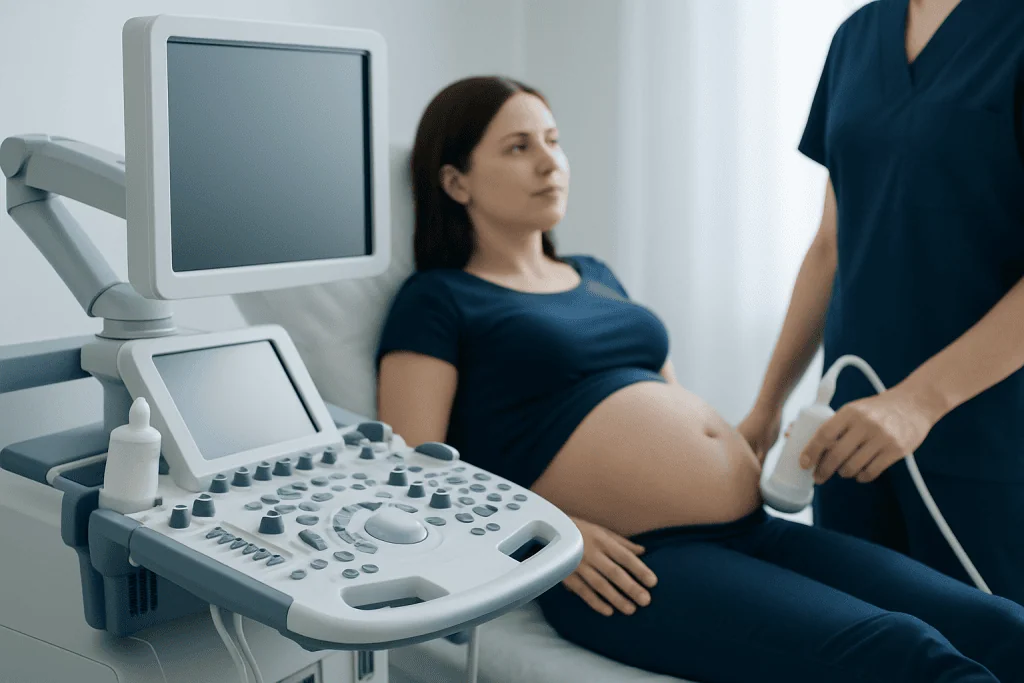
Symptoms at 21 weeks pregnant vary, but several patterns are common. Many people notice fetal flutters turning into clearer kicks or rolling sensations. The uterus is expanding upward, which can affect posture and place more strain on the lower back and abdominal muscles. Mild fatigue may still occur, especially if sleep is interrupted by discomfort, frequent urination, or difficulty finding a comfortable position.
Digestive symptoms are also common this week. Hormonal changes can relax the muscles of the digestive tract, and the growing uterus can increase pressure on the stomach and intestines. This may lead to heartburn, bloating, constipation, or a feeling of fullness after smaller meals. Eating more frequent, smaller meals and staying well hydrated may help reduce discomfort.
Other possible symptoms include:
- Round ligament pain, often felt as a brief pulling or sharp sensation in the lower abdomen or groin
- Back pain from changes in weight distribution and posture
- Leg cramps, especially at night
- Mild swelling in the feet or ankles later in the day
- Breast changes, including fullness or occasional leakage of colostrum in some pregnancies
- Skin changes such as itching, stretch marks, or darkening along the abdomen
Some symptoms can overlap with other conditions. For example, a burning sensation after meals may be simple reflux, while pain with urination should prompt medical review because it can suggest infection. It is reasonable to ask a prenatal clinician about any symptom that is new, troublesome, or hard to interpret.
Baby development at 21 weeks
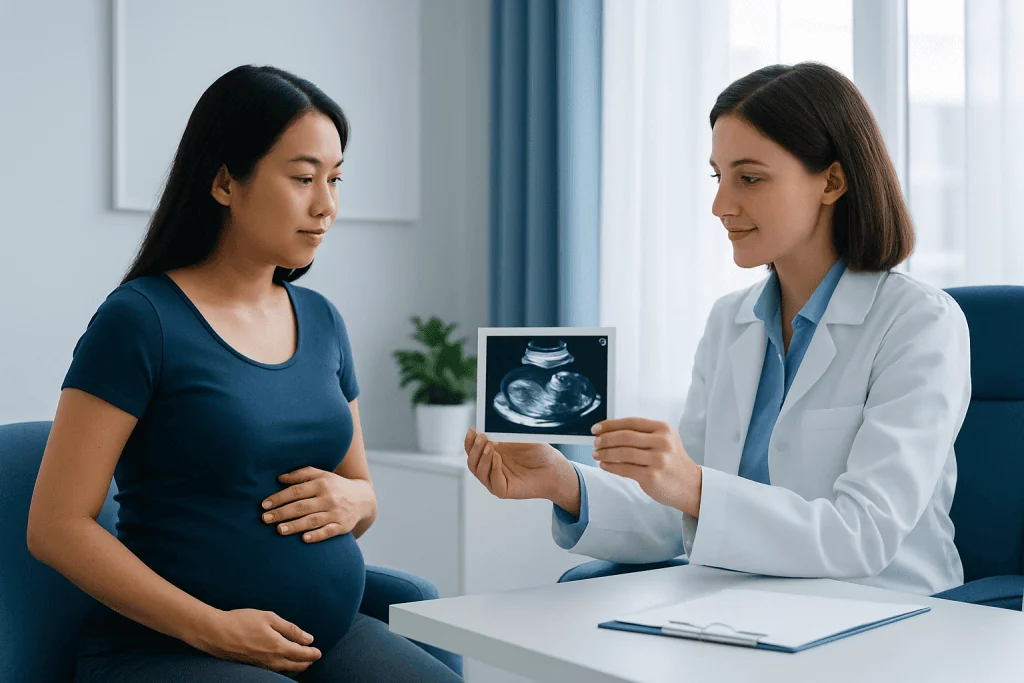
At 21 weeks pregnant, the baby is growing steadily and is often compared in size to a banana. Exact size can vary, but the baby is becoming longer and more proportionate, with continued development of fat stores, muscles, and body systems. Movements may feel stronger because the baby is larger and coordination is improving.
Several important developmental processes continue during this week. The digestive system is practicing by swallowing amniotic fluid, and the bone marrow is gradually taking on a larger role in blood cell production. The skin is still thin but is becoming more complex as protective coatings and layers continue to form. Eyebrows and hair may be present, and the baby may have periods of activity followed by sleep.
The senses are also developing. The inner ear is maturing, which supports balance and movement awareness. The baby may respond to sound, light, or changes in the pregnant person’s activity. Although these responses are still early, they reflect the steady progress occurring through the second trimester. Ultrasound can help assess growth and anatomy when clinically indicated, and some families may learn more about fetal positioning or placental location during this phase.
Body changes and why they happen
At 21 weeks, the body is adjusting to support increasing blood flow, uterine growth, and changing hormone levels. Blood volume rises during pregnancy, and this helps nourish the placenta and baby. At the same time, it can contribute to symptoms such as feeling warm, occasional lightheadedness, or swelling in the lower legs. Standing for long periods may worsen these effects.
Posture changes are another common feature. As the abdomen grows, the center of gravity shifts forward, which can place extra stress on the lower back, hips, and pelvic joints. Some people notice a waddling gait, stiffness when changing positions, or abdominal stretching sensations. Gentle exercise, supportive footwear, and safe sleep positioning can help reduce strain.
Skin and circulation changes may also become more visible. Stretch marks may appear on the abdomen, breasts, hips, or thighs as the skin expands. Some people develop visible veins, nasal stuffiness, or bleeding gums due to hormonal effects on blood vessels and tissues. These changes are often temporary, but a prenatal clinician should be informed if swelling becomes sudden, one-sided, or accompanied by headache or vision changes.
It is also normal to become more aware of emotional changes. Mid-pregnancy can bring reassurance as the risk of early pregnancy loss decreases, but it may also raise new concerns about birth, parenting, work, or body image. If worry becomes overwhelming or mood symptoms are persistent, professional support can be helpful and appropriate.
Checklist: what to do at 21 weeks pregnant
A practical weekly checklist can make this stage of pregnancy feel more manageable. One useful step is to continue attending scheduled prenatal visits and completing any recommended tests. If an anatomy ultrasound has been done, this is a good time to review results and ask about fetal growth, placenta position, cervical findings, and whether any follow-up is needed.
Comfort and routine self-care are also important. Many people benefit from adjusting sleeping positions, wearing supportive bras, using pillows for side-sleeping, and avoiding meals that trigger reflux. Gentle activity such as walking, stretching, or prenatal exercise may improve energy, circulation, and back comfort when approved by a clinician. Some may be referred for physical therapy and rehabilitation if pain or mobility issues become more limiting.
A simple 21-week checklist may include:
- Keep prenatal appointments and note questions before each visit
- Track symptoms, especially headaches, swelling, contractions, or changes in movement
- Stay hydrated and choose fiber-rich foods to help with constipation
- Practice safe body mechanics when lifting or standing for long periods
- Review medications, supplements, and travel plans with a healthcare professional
- Begin planning ahead for childbirth education, leave arrangements, and baby supplies
If screening suggests a need for more specialized follow-up, a clinician may recommend additional imaging, monitoring, or referral to obstetrics and gynecology. When pregnancy symptoms overlap with common digestive concerns, supportive input from services such as gastroenterology may occasionally be useful, particularly if reflux or constipation is difficult to control.
Healthy habits for the rest of the second trimester
The second trimester is often a good time to strengthen routines that support both maternal health and fetal development. Balanced meals with protein, vegetables, fruits, whole grains, and calcium-rich foods can help meet increased nutritional demands. Iron, folic acid, and other supplements should be taken as recommended by a prenatal clinician rather than adjusted without guidance.
Hydration matters as blood volume rises and the risk of constipation or dizziness may increase. Regular fluids, especially water, can support circulation and digestion. Physical activity is also helpful for most uncomplicated pregnancies. Safe, moderate movement may improve mood, sleep, and muscle support, though high-risk activities and exercises with a fall risk are generally avoided.
It is also wise to reduce common triggers for discomfort. Smaller meals may ease heartburn, and limiting long periods of sitting or standing can reduce swelling and back pain. Side sleeping, often on the left side if comfortable, may support circulation later in pregnancy. Tobacco, alcohol, and non-prescribed substances should be avoided, and any herbal product should be discussed with a qualified clinician before use.
If a pregnancy becomes medically complex, clinicians may recommend more specialized care. Some international patients seek coordinated maternal evaluation at centers such as Acibadem International, where multidisciplinary specialists in JCI-accredited hospitals assess pregnancy-related concerns and support individualized treatment planning.
When to seek medical care
Most symptoms at 21 weeks pregnant are related to normal physical changes, but certain signs should not be ignored. Prompt medical advice is important for vaginal bleeding, leakage of fluid, severe or persistent abdominal pain, painful contractions, fainting, chest pain, or shortness of breath. A fever, burning with urination, or new one-sided leg swelling also deserves medical assessment.
Headache with vision changes, sudden swelling of the face or hands, or significant upper abdominal pain can be concerning and should be reported urgently. Although some conditions are more typical later in pregnancy, clinicians take these symptoms seriously at any stage. Reduced or absent movement after movement has already become established should also be discussed, even though movement patterns can still be somewhat irregular at this point.
If there are questions about pregnancy complications, clinicians may evaluate for causes such as infection, blood pressure problems, or cervical changes. In some situations, further assessment may involve high-risk pregnancy care. When in doubt, it is safest to contact a qualified healthcare professional rather than assume a symptom is routine.
Frequently asked questions
How many months is 21 weeks pregnant?
Twenty-one weeks pregnant is generally considered around five months pregnant. Pregnancy months do not divide evenly by weeks, so clinicians usually track progress by weeks rather than calendar months.
What does the baby look like at 21 weeks?
At 21 weeks, the baby is often compared in size to a banana. The body is becoming more proportionate, movements are stronger, and features such as eyebrows and fine hair may be developing.
Is it normal not to feel constant movement at 21 weeks?
Yes. At 21 weeks, movement is often present but may still feel irregular from day to day, especially in first pregnancies or if the placenta cushions sensation. If movement had become clearly established and then seems to decrease noticeably, a clinician should be contacted.
What pains are normal at 21 weeks pregnant?
Mild back pain, round ligament discomfort, pelvic pressure, and occasional leg cramps are common in the second trimester. Severe pain, rhythmic tightening, or pain with bleeding, fever, or fluid leakage is not considered routine and should be assessed.
Can heartburn start at 21 weeks pregnant?
Yes. Heartburn often becomes more noticeable in the second trimester because pregnancy hormones relax the valve between the stomach and esophagus, and the growing uterus increases abdominal pressure. Smaller meals and avoiding trigger foods may help, but persistent symptoms should be discussed with a clinician.
What should be on a 21-week pregnancy checklist?
A good checklist includes attending prenatal appointments, reviewing ultrasound findings, tracking symptoms, staying hydrated, and maintaining a balanced diet and safe activity. It is also a useful time to ask about upcoming tests, travel, work adjustments, and childbirth planning.
References
- American College of Obstetricians and Gynecologists
- National Health Service
- World Health Organization
- Centers for Disease Control and Prevention
- Royal College of Obstetricians and Gynaecologists
This article is for general information only and is not a substitute for professional medical advice. Please consult a qualified doctor about your individual situation.
Persistent digestive symptoms? Get evaluated in Turkey
JCI-accredited · board-certified surgeons · reply within 24h
Add us as a Preferred Source to see more of our trusted health content across Google Search, AI Overviews and Discover.
Check your numbers in seconds
BMI, calories, due date, blood pressure and 30+ more clinical calculators — free, instant, doctor-reviewed ranges.

More from the Health Library


Related Specialists

Prof. Dr. Handan Onur Topuzlu
Medical Oncology
Dr. İsmail Beşiroviç
Inpatient Clinic Physicians Clinical Service
Dr. Ferhat Topçu
Emergency Service
Dr. Mustafa Şener Yıldırım
Intensive Care