24 Weeks Pregnant: Symptoms, Baby Development, and What to Expect

At 24 weeks pregnant, stronger fetal movement and steady growth are expected. Common symptoms this week include back pain, round ligament discomfort, heartburn, constipation, and mild swelling.
Key Takeaways
- At 24 weeks pregnant, stronger fetal movement and steady growth are expected.
- Common symptoms this week include back pain, round ligament discomfort, heartburn, constipation, and mild swelling.
- Routine prenatal care may include screening for gestational diabetes around this stage.
- Hydration, balanced nutrition, gentle activity, and rest can help manage everyday discomforts.
- Urgent symptoms such as bleeding, severe pain, reduced fetal movement, or signs of preterm labor need prompt medical advice.
At 24 weeks pregnant, the baby is growing steadily, movements are often more noticeable, and many pregnant women begin to feel a mix of physical changes such as back discomfort, heartburn, and mild swelling. This stage is also an important time for routine prenatal follow-up, monitoring symptoms, and preparing for the final part of the second trimester.
Overview: what 24 weeks pregnant usually feels like
At 24 weeks pregnant, the pregnancy is well into the second trimester and many women notice that the baby’s movements feel stronger and more regular. The uterus is continuing to expand, the abdomen is more prominent, and day-to-day symptoms may become more physical than they were earlier in pregnancy. For many, this week is marked by a growing awareness of posture changes, sleep disruption, and digestive discomfort.
This stage is also a key point in routine prenatal care. Many clinicians begin or recommend screening for conditions such as gestational diabetes around this time, especially between 24 and 28 weeks. The aim is not to create concern, but to identify treatable issues early and support a healthy pregnancy for both mother and baby.
Although every pregnancy is different, 24 weeks pregnant is often a time of steady progress rather than sudden change. Symptoms can vary from mild to more noticeable, and some women feel energetic while others need more rest. Regular prenatal visits remain important, especially if there are underlying health conditions, twins, or prior pregnancy complications.
Symptoms this week
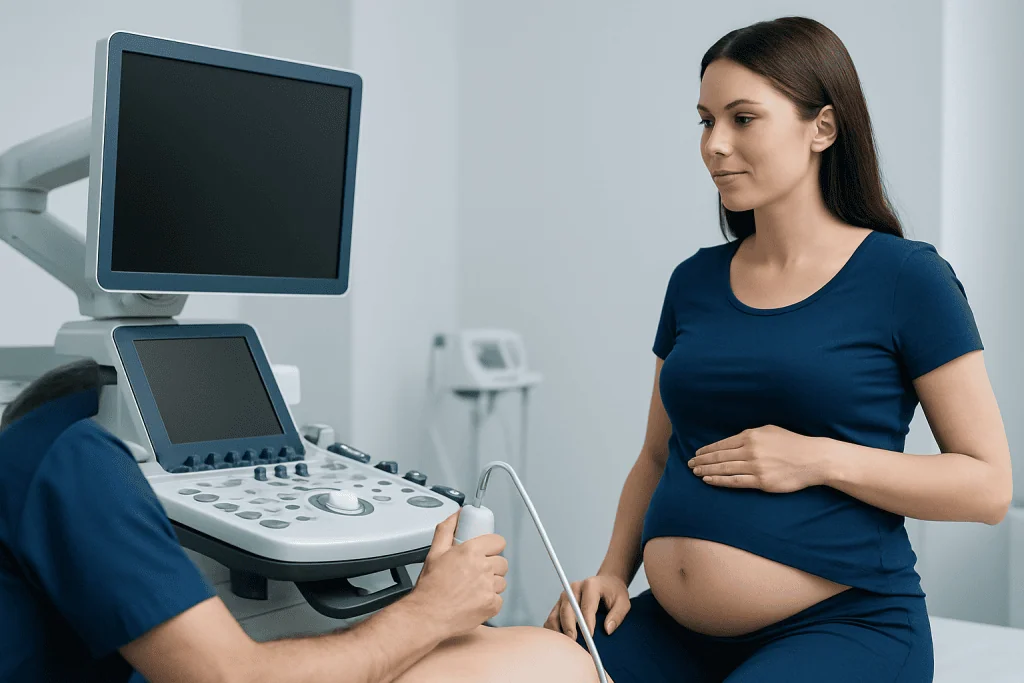
Common symptoms at 24 weeks pregnant are usually related to the growing uterus, hormone changes, and increased blood volume. Back pain is common because the center of gravity shifts forward, placing extra strain on the lower back. Round ligament pain may cause a brief pulling or sharp sensation along the lower sides of the abdomen, especially when standing up quickly or changing position.
Digestive symptoms are also frequent. Heartburn can happen as pregnancy hormones relax the muscles that normally help keep stomach acid down, and constipation may appear because digestion slows during pregnancy. Eating smaller meals, avoiding very heavy or spicy foods, and drinking enough water may help reduce these symptoms.
Other symptoms this week may include leg cramps, mild ankle swelling, breast fullness, shortness of breath with exertion, and tiredness. Some women also notice Braxton Hicks contractions, which are usually irregular, mild, and not progressive. If contractions become regular, painful, or are accompanied by pressure or discharge, a doctor should be contacted promptly.
- Backache and pelvic pressure
- Heartburn or indigestion
- Constipation and bloating
- Mild swelling in feet or ankles
- Leg cramps, especially at night
- More noticeable fetal movement
Baby development at 24 weeks

At 24 weeks pregnant, the baby is developing rapidly and is often described as being about the size of an ear of corn. Exact size and weight vary, but growth is becoming more consistent and body proportions are gradually becoming more balanced. The baby’s skin is still thin, but it is continuing to develop as fat begins to accumulate over time.
The lungs are developing further, though they are not yet fully mature. Important structures involved in breathing continue to form, and the nervous system is becoming more coordinated. The baby may respond to sounds, movement, and changes in the mother’s body, and patterns of activity and rest may become easier to notice.
Facial features are more defined, and the inner ear is developed enough to support a better sense of movement and position. Many pregnant women begin to recognize daily movement patterns around this stage. While these patterns differ from one baby to another, a gradual increase in noticeable movement is often a reassuring sign of ongoing development.
Body changes and emotional changes
By 24 weeks pregnant, body changes are usually visible and can affect comfort, balance, and stamina. The uterus is rising higher in the abdomen, which can place pressure on the stomach, bladder, and lower back. This may lead to more frequent urination, posture changes, and a feeling of tightness or heaviness in the pelvis.
Skin and circulation changes may also become more apparent. Some women notice stretch marks, darker skin pigmentation, itching over the abdomen as the skin stretches, or visible veins. Mild swelling in the feet and ankles can be normal later in the day, especially after standing for long periods, but sudden or severe swelling should always be discussed with a doctor.
Emotional changes are also part of pregnancy at this stage. Excitement, worry, irritability, and changes in sleep can all happen together. Hormonal shifts, discomfort, and preparation for the baby can affect mood. If sadness, anxiety, or emotional distress starts to interfere with daily life, it is sensible to raise it during prenatal care so support can be offered early.
Checklist: what to do at 24 weeks pregnant
This week is a good time to focus on routine care and practical preparation. Attending scheduled prenatal visits remains one of the most important steps. Around 24 to 28 weeks, many women are offered glucose screening to look for gestational diabetes, as well as other checks such as blood pressure, urine testing, and growth assessment. These are routine parts of prenatal care and help guide any needed support.
Daily habits also matter. A balanced diet with adequate protein, iron, calcium, fiber, and fluids supports both maternal health and baby growth. Gentle exercise such as walking, prenatal stretching, or clinician-approved activity can help with circulation, constipation, and back discomfort. Sleeping on the side, often with pillows for support, may improve comfort.
It can also help to prepare practical questions for the next prenatal appointment. Topics may include fetal movement, work and travel plans, vaccination recommendations, pelvic discomfort, or digestive symptoms. If more specialized evaluation or birth planning is needed, some families may be referred for obstetric and gynecologic care or pregnancy follow-up and delivery care as part of ongoing management.
- Keep all prenatal appointments
- Ask about glucose screening if it has not yet been discussed
- Track general fetal movement patterns without becoming overly fixated
- Stay active with clinician-approved exercise
- Choose supportive footwear and good posture habits
- Raise any new or worsening symptoms promptly
Self-care and symptom relief
Many common discomforts at 24 weeks pregnant can be eased with simple self-care measures. For back pain, supportive shoes, good sitting posture, gentle stretching, and avoiding heavy lifting may help. Some women feel better using a pregnancy pillow at night or placing a small cushion behind the lower back when sitting. If pain is severe, persistent, or associated with cramping, medical advice is important.
For heartburn and bloating, smaller meals eaten more often may be easier to tolerate than large meals. Avoiding lying down right after eating and limiting trigger foods can also help. Constipation may improve with more fluids, fiber-rich foods, and regular movement. Any medication, including over-the-counter remedies, should only be used if approved by a qualified clinician during pregnancy.
Swelling and leg discomfort may improve by resting with the feet slightly elevated, changing position regularly, and avoiding long periods of standing. Hydration remains important, even if urination is frequent. If symptoms become unusual or disruptive, further assessment may be needed to rule out conditions such as preeclampsia or other pregnancy-related concerns.
When to seek medical care
Most symptoms at 24 weeks pregnant are part of normal pregnancy changes, but some signs should not be ignored. A doctor should be contacted promptly for vaginal bleeding, leaking fluid, regular painful contractions, fever, severe abdominal pain, or a clear decrease in the baby’s usual movement pattern. These symptoms can have different causes, but they should be assessed without delay.
Immediate medical advice is also important for severe headache, vision changes, sudden swelling of the face or hands, chest pain, fainting, or shortness of breath that feels more than expected with mild activity. Persistent vomiting, burning with urination, or signs of infection also deserve medical review. Early evaluation can help identify treatable issues and reduce stress.
Women with high-risk pregnancies, twins, prior preterm birth, high blood pressure, or diabetes may need closer monitoring. Near the end of pregnancy planning, some families may also discuss high-risk pregnancy care if extra support is required. Acibadem International’s multidisciplinary specialists and JCI-accredited hospitals diagnose and treat pregnancy-related conditions for international patients when more advanced assessment is needed.
Frequently asked questions
Is it normal to feel a lot of movement at 24 weeks pregnant?
Yes. Many women notice that fetal movements become stronger and easier to recognize around 24 weeks pregnant. Movement patterns are still developing, so they may not be perfectly regular yet, but a gradual increase in awareness is common.
What symptoms are most common at 24 weeks pregnant?
Common symptoms include back pain, heartburn, constipation, mild swelling, leg cramps, tiredness, and pelvic pulling sensations. These are often related to the growing uterus, hormone changes, and the body’s increased demands during pregnancy.
How big is the baby at 24 weeks pregnant?
At 24 weeks, the baby is often compared to an ear of corn. Exact size can vary, but the baby is growing steadily and becoming more active, with ongoing lung, brain, and sensory development.
Do Braxton Hicks contractions happen at 24 weeks?
They can. Braxton Hicks contractions are usually mild, irregular, and do not become stronger over time. If contractions are regular, painful, or happen with pelvic pressure, fluid leakage, or bleeding, a doctor should be contacted.
When is the glucose test usually done in pregnancy?
Many pregnant women are screened for gestational diabetes between 24 and 28 weeks. The exact timing and type of test may vary depending on local practice and individual risk factors.
When should someone call a doctor at 24 weeks pregnant?
A doctor should be called for bleeding, leaking fluid, strong or regular contractions, severe pain, fever, marked swelling, severe headache, vision changes, or a noticeable decrease in fetal movement. It is also wise to seek advice for any symptom that feels sudden, unusual, or worrying.
References
- World Health Organization
- American College of Obstetricians and Gynecologists
- National Health Service
- Centers for Disease Control and Prevention
This article is for general information only and is not a substitute for professional medical advice. Please consult a qualified doctor about your individual situation.
Persistent digestive symptoms? Get evaluated in Turkey
JCI-accredited · board-certified surgeons · reply within 24h
Add us as a Preferred Source to see more of our trusted health content across Google Search, AI Overviews and Discover.

More from the Health Library



Related Specialists

Assoc. Prof. Dr. Aslihan Demirel
Infectious Diseases & Clinical Microbiology
Dr. Gülden Cancan
General Surgery
Dyt. Gizem Katkıcı Taşkın
Nutrition & Diet
Dr. Rana Özgüven
Emergency Service