32 Weeks Pregnant: Symptoms, Baby Development, and What to Expect

At 32 weeks pregnant, the baby is usually practicing breathing movements and gaining body fat. Common symptoms include fatigue, pelvic pressure, back pain, heartburn, swelling, and Braxton Hicks contractions.
Key Takeaways
- At 32 weeks pregnant, the baby is usually practicing breathing movements and gaining body fat.
- Common symptoms include fatigue, pelvic pressure, back pain, heartburn, swelling, and Braxton Hicks contractions.
- Regular prenatal visits help monitor blood pressure, fetal growth, and signs of preterm labor.
- Daily self-care may include rest, hydration, gentle movement, and tracking fetal movement patterns.
- Urgent medical advice is needed for bleeding, fluid leakage, painful regular contractions, severe headache, or reduced fetal movement.
At 32 weeks pregnant, the baby is continuing rapid growth and development, and many people notice stronger third-trimester symptoms such as shortness of breath, heartburn, pelvic pressure, and Braxton Hicks contractions. This stage often brings more physical discomfort, but it is also a time to prepare for birth, monitor fetal movement, and stay in close contact with the maternity care team.
Overview: what 32 weeks pregnant usually feels like
At 32 weeks pregnant, the pregnancy is well into the third trimester. The baby is growing quickly, body systems are maturing, and the uterus is taking up more space in the abdomen. This often means that everyday symptoms feel more noticeable, even when the pregnancy is progressing normally.
Many people at this stage feel a mix of excitement and physical strain. Breathing may feel a little more effortful, sleep can become less comfortable, and there may be more pressure in the pelvis or ribs depending on the baby’s position. These changes are usually related to growth, posture shifts, and the body preparing for labor in the coming weeks.
Routine prenatal care remains important at 32 weeks. Appointments may focus on blood pressure, swelling, fetal growth, and any symptoms that could suggest complications such as preterm labor or preeclampsia. If there are concerns about contractions, cervical changes, or other late-pregnancy issues, the care team may also discuss monitoring and support options.
Symptoms this week
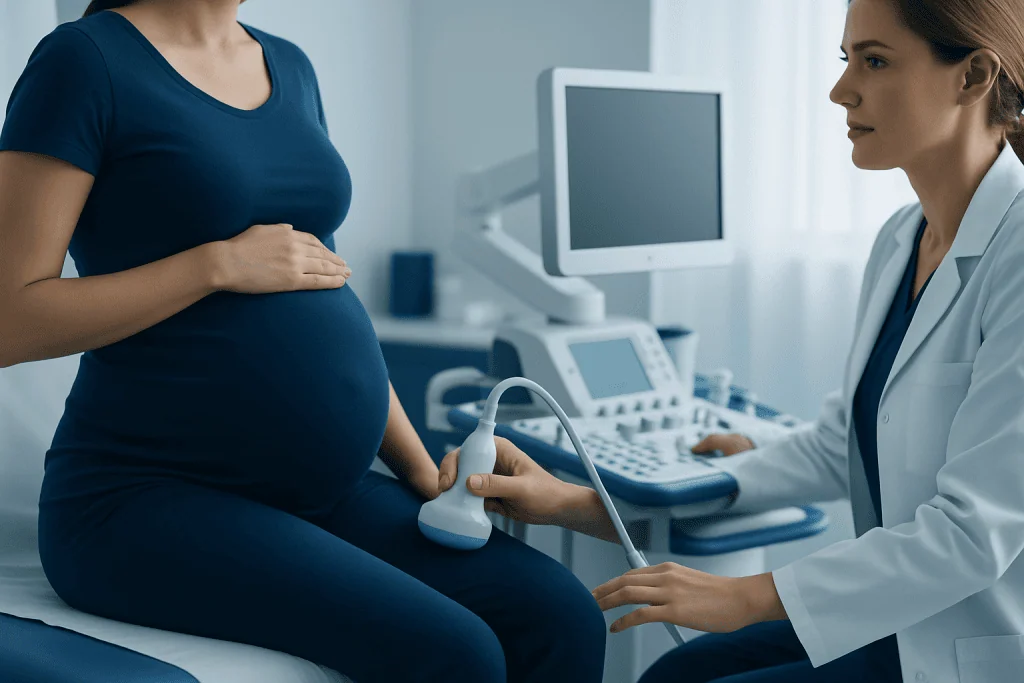
Symptoms at 32 weeks pregnant can vary from person to person. Some feel relatively well, while others notice increasing discomfort because the baby is larger and the center of gravity has shifted. Common symptoms this week include fatigue, lower back pain, pelvic pressure, constipation, heartburn, and shortness of breath with activity.
Braxton Hicks contractions are also common. These are usually irregular, mild tightening sensations that come and go and often improve with rest, hydration, or a change in position. They are different from true labor contractions, which tend to become regular, stronger, and closer together over time.
Other common symptoms may include:
- Swelling in the feet, ankles, or hands
- Frequent urination due to pressure on the bladder
- Trouble sleeping or vivid dreams
- Leg cramps, especially at night
- Breast changes, including possible leaking of colostrum
- Mild dizziness if standing too quickly
Although many symptoms are expected in late pregnancy, new or rapidly worsening symptoms should not be ignored. Severe swelling, vision changes, chest pain, intense abdominal pain, or a strong headache deserve prompt medical attention.
Baby development at 32 weeks

By 32 weeks pregnant, the baby is continuing to mature in preparation for life after birth. The lungs are still developing, but practice breathing movements are often happening regularly. The digestive system is developing, the nervous system is becoming more coordinated, and the baby is gaining fat under the skin, which helps with temperature regulation after delivery.
At this stage, the baby is often compared in size to a large squash or napa cabbage, though size can vary. The skin usually looks less transparent than earlier in pregnancy because of increasing fat stores. Fingernails and toenails are present, and many babies have a more defined sleep-wake pattern, which may be noticeable as active and quiet periods throughout the day.
Movements may feel different now. Kicks may be less sharp in some cases because space is tighter, but the baby should still move regularly. Rolling, stretching, and pressure under the ribs can become more obvious. If movement seems reduced, delayed, or significantly different from the usual pattern, it is important to contact a healthcare professional promptly.
Body changes in the pregnant person
At 32 weeks, the body is adjusting to the mechanical and hormonal demands of late pregnancy. The growing uterus can press upward on the diaphragm, causing a sense of breathlessness, especially when climbing stairs or lying in certain positions. It can also press downward on the pelvis and bladder, leading to heaviness, urinary frequency, and discomfort when walking.
Posture changes often become more noticeable during this period. As the abdomen grows, the lower back may arch more, which can contribute to back pain or soreness in the hips. Ligaments remain softer because of pregnancy hormones, and that can make joints feel less stable or increase pelvic discomfort, especially after standing for long periods.
Circulation also changes in the third trimester. Mild swelling in the lower legs can be normal, particularly later in the day or in warm weather. However, swelling that appears suddenly or is associated with high blood pressure, headache, or visual symptoms may need urgent assessment because it can be a sign of a pregnancy complication. If there are concerns about the baby’s well-being, growth, or placental blood flow, doctors may use tools such as ultrasound evaluation to guide care.
Checklist: what to do at 32 weeks pregnant
A practical approach can make this stage easier. Rest periods during the day, sleeping on the side when possible, drinking enough fluids, and eating smaller meals may help with common symptoms such as fatigue, swelling, reflux, and shortness of breath. Gentle physical activity, if approved by a doctor, may also support circulation, digestion, and mood.
This is also a good time to prepare for labor, birth, and the early newborn period. Depending on the pregnancy, the care team may discuss signs of labor, hospital planning, feeding intentions, and what to expect if the baby arrives early. Some people begin packing a hospital bag, arranging help at home, and confirming transport plans.
A 32-week checklist may include:
- Attend all scheduled prenatal visits
- Notice the baby’s usual movement pattern each day
- Review warning signs of preterm labor and high blood pressure in pregnancy
- Manage heartburn with smaller meals and avoiding lying down right after eating
- Use supportive shoes and good posture habits to ease back and pelvic strain
- Discuss any anxiety, low mood, or sleep problems with the care team
If a pregnancy is considered higher risk, extra testing or specialist follow-up may be recommended. In some situations, fetal monitoring or obstetric assessment and follow-up can help clarify symptoms and guide next steps.
How doctors monitor health at this stage
Prenatal care at 32 weeks often includes checking blood pressure, weight, urine findings, fundal height, and the baby’s heartbeat. The doctor or midwife may ask about contractions, swelling, headaches, fetal movement, vaginal discharge, and any signs that could point to infection or preterm labor. These visits help identify concerns early, even when symptoms seem mild.
Additional testing is not needed for everyone, but it may be used when medically indicated. For example, if there are concerns about growth, placenta position, amniotic fluid, or the baby’s position, imaging may be recommended. Blood tests or urine testing may also be used if there are symptoms suggesting anemia, infection, gestational diabetes concerns, or hypertensive disorders.
If contractions become frequent or symptoms raise concern for early labor, the care team may assess the cervix and monitor the baby. In some pregnancies, doctors also evaluate whether there is a risk of premature birth and whether treatment or closer observation is needed. For international patients needing maternity evaluation, Acibadem International’s multidisciplinary specialists in JCI-accredited hospitals provide diagnosis and treatment planning for pregnancy-related concerns.
When to seek medical care
It is important to contact a doctor or maternity unit promptly if there are signs that may suggest labor, reduced fetal well-being, or a maternal complication. Not every symptom means something serious, but timely assessment is the safest approach in late pregnancy.
Medical advice should be sought urgently for:
- Vaginal bleeding
- Leaking fluid or a sudden gush from the vagina
- Regular, painful contractions or tightening that does not settle
- Noticeably reduced or absent fetal movement
- Severe headache, blurred vision, or sudden swelling
- Fever, chest pain, fainting, or severe shortness of breath
- Strong abdominal pain or persistent one-sided pain
It is also sensible to call the care team for burning with urination, unusual discharge, severe itching, or symptoms that feel significantly different from normal pregnancy discomforts. Early review can help rule out infection, dehydration, blood pressure problems, or preterm labor and provide reassurance when everything is progressing as expected.
Frequently asked questions
Is it normal to have Braxton Hicks contractions at 32 weeks pregnant?
Yes, Braxton Hicks contractions are common at 32 weeks pregnant. They are usually irregular, mild, and often improve with rest, hydration, or changing position. If contractions become regular, painful, or increase in frequency, a doctor should be contacted.
How big is the baby at 32 weeks pregnant?
At 32 weeks, the baby is often compared to a large squash or napa cabbage. Exact size varies, but the baby is continuing to gain weight and body fat while major organs mature further.
Should the baby move every day at 32 weeks?
Yes, regular movement should still be felt every day at 32 weeks. The type of movement may change because space is tighter, but there should still be a usual pattern of kicks, rolls, or stretches. Reduced or absent movement should be assessed promptly.
Why am I so short of breath at 32 weeks pregnant?
Mild shortness of breath is common because the growing uterus pushes upward and limits how much the lungs can expand comfortably. Hormonal changes also affect breathing. Severe, sudden, or worsening shortness of breath needs urgent medical review.
What can help with back pain and pelvic pressure at 32 weeks?
Supportive shoes, good posture, rest breaks, side-lying sleep, and gentle approved exercise may help. Some people also benefit from a pregnancy support belt or physiotherapy advice. Persistent or severe pain should be discussed with a healthcare professional.
Can a baby born at 32 weeks survive?
Many babies born at 32 weeks do well with specialized neonatal care, but they are still premature and may need support with breathing, feeding, temperature control, and infection prevention. Outcomes depend on the baby's overall health and the circumstances of birth. Questions about individual risk are best discussed with the maternity team.
References
- World Health Organization
- American College of Obstetricians and Gynecologists
- National Institute for Health and Care Excellence
- Centers for Disease Control and Prevention
- March of Dimes
This article is for general information only and is not a substitute for professional medical advice. Please consult a qualified doctor about your individual situation.
Persistent digestive symptoms? Get evaluated in Turkey
JCI-accredited · board-certified surgeons · reply within 24h
Add us as a Preferred Source to see more of our trusted health content across Google Search, AI Overviews and Discover.
Check your numbers in seconds
BMI, calories, due date, blood pressure and 30+ more clinical calculators — free, instant, doctor-reviewed ranges.

More from the Health Library



Related Specialists

Dr. Abulfaz Abbasli
Andrology
Prof. Dr. Mehmet Akif Sargin
Gynecology & Obstetrics
Prof. Dr. Turgut Aydın
Gynecology & Obstetrics
Dr. Safiye Sayilir
Physical Medicine & Rehabilitation