External auditory canal swelling: A Complete Medical Guide for Patients

External auditory canal swelling is a symptom, not a diagnosis, and can have several different causes. Common triggers include outer ear infection, water exposure, skin irritation, trauma from cleaning, and impacted earwax.
Key Takeaways
- External auditory canal swelling is a symptom, not a diagnosis, and can have several different causes.
- Common triggers include outer ear infection, water exposure, skin irritation, trauma from cleaning, and impacted earwax.
- Symptoms may include ear fullness, pain, itching, muffled hearing, discharge, or tenderness when the outer ear is touched.
- Treatment depends on the cause and may include ear cleaning, medicated ear drops, pain relief, and avoiding further irritation.
- A doctor should assess swelling that is severe, recurrent, associated with fever, or accompanied by hearing loss or spreading redness.
External auditory canal swelling means the ear canal has become inflamed, narrowed, or blocked, often because of infection, irritation, trapped moisture, wax buildup, or skin conditions. Most causes are treatable, but medical assessment is important when swelling causes pain, discharge, hearing changes, or keeps coming back.
Overview: what external auditory canal swelling means
External auditory canal swelling refers to inflammation or enlargement of the tissues lining the ear canal, the passage that carries sound from the outside of the ear to the eardrum. This swelling can make the canal feel blocked, sore, itchy, or unusually sensitive. In some people, it mainly causes a sensation of fullness; in others, it can narrow the canal enough to reduce hearing or make it difficult for a doctor to see the eardrum clearly.
It is helpful to think of this finding as a sign rather than a single disease. The canal may swell because of infection, injury, trapped moisture, allergic irritation, skin disease, or a physical blockage such as impacted wax. The treatment therefore depends on identifying the cause rather than simply trying to reduce swelling alone.
Many cases are related to inflammation of the outer ear canal, often called otitis externa. However, not every swollen ear canal is an infection. In some patients the problem may be linked to eczema, psoriasis, over-cleaning with cotton swabs, hearing aid friction, or a localized boil within the canal. A careful examination helps distinguish among these possibilities.
Common symptoms and how they may feel
The symptoms of external auditory canal swelling vary depending on how much of the canal is involved and what is causing the inflammation. A common early complaint is a blocked or full feeling in one ear. People may also notice itching, mild discomfort, or the sensation that the ear is wet or clogged.
As swelling increases, symptoms often become more noticeable. Pain can range from mild soreness to significant tenderness, especially when the outer ear is pulled or when chewing puts pressure on nearby tissues. Muffled hearing may happen because the swollen canal physically narrows and interferes with sound passing through.
Other possible symptoms include:
- Redness or warmth around the outer ear
- Clear, cloudy, or pus-like discharge
- Visible narrowing of the ear canal
- Sensitivity when inserting earbuds or hearing aids
- Flaking skin or crusting near the canal opening
- An unpleasant odor from the ear
Not every symptom points to the same cause. For example, marked itching may suggest irritation or a skin condition, while pronounced pain and discharge are more suggestive of infection. Sudden severe hearing loss, dizziness, or facial weakness are not typical features of simple ear canal swelling and need prompt medical attention.
Why the ear canal swells: common causes and risk factors

One of the most frequent causes of external auditory canal swelling is inflammation from moisture and infection. When water stays in the ear after swimming, showering, or humid weather, the skin barrier can soften and become easier for bacteria or fungi to invade. This is why painful outer ear inflammation is sometimes called swimmer’s ear.
Mechanical irritation is another common reason. Cotton swabs, fingernails, ear picks, earbuds, or hearing aid molds can scrape the delicate canal lining. Even small injuries may trigger swelling, especially if the area then becomes infected. Some people also develop inflammation after frequent use of hair products, ear drops not intended for them, or jewelry and skin products that trigger contact dermatitis.
Blockage can also lead to symptoms. Impacted earwax may trap moisture, press on the canal wall, and contribute to irritation or hearing changes. In other cases, a painful localized infection of a hair follicle, a cyst, or bony narrowing of the canal may be involved. Less commonly, the swelling reflects spread of skin disease such as eczema or psoriasis into the ear canal.
Risk factors include frequent swimming, narrow ear canals, diabetes, weakened immune function, use of cotton swabs, chronic skin conditions, regular earbud or hearing aid use, and a history of previous ear infections. Knowing these factors can help explain why symptoms recur and guide prevention.
How doctors diagnose the cause
Diagnosis starts with a history of symptoms and a direct examination of the ear. A doctor will ask when the swelling began, whether there is pain, itching, discharge, hearing loss, recent water exposure, trauma, or skin problems elsewhere on the body. Information about hearing aids, earbud use, recent cleaning attempts, or prior ear infections is also useful.
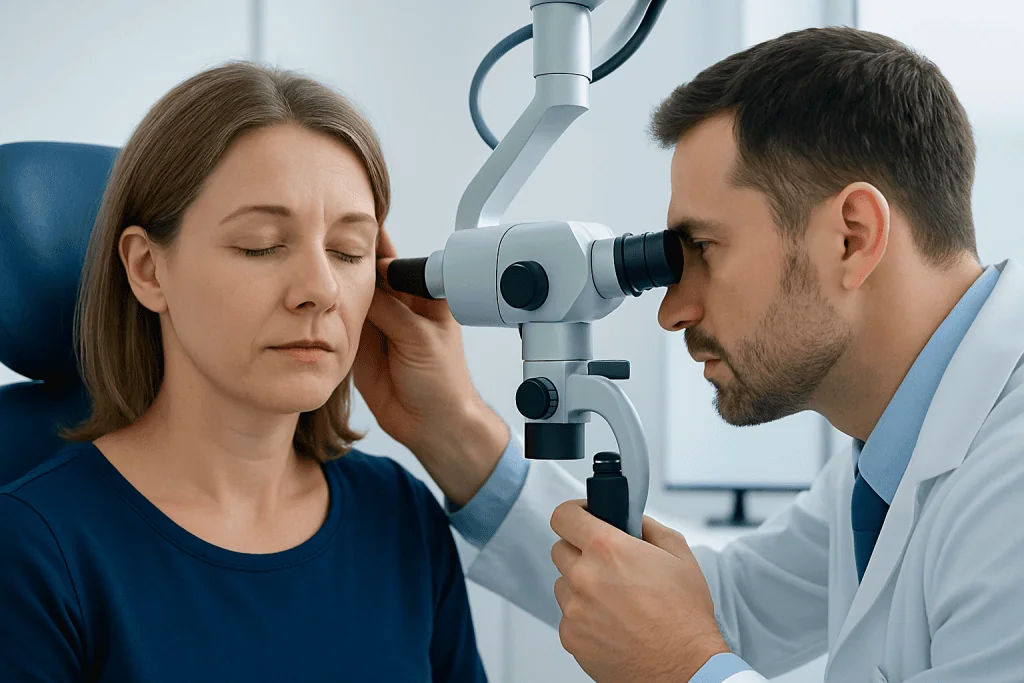
The key part of the exam is otoscopy, where the doctor looks into the ear canal with a lighted instrument. This helps show whether the canal is red, narrowed, filled with debris, blocked by wax, or affected by discharge. If swelling is significant, the eardrum may be hard to see until the ear is gently cleaned. In some cases, doctors may also examine the nose, throat, jaw, and nearby lymph nodes to rule out referred pain or wider infection.
Most patients do not need extensive testing. However, a swab may be taken if discharge is persistent, severe, recurrent, or not improving with standard treatment. Hearing tests can be helpful when muffled hearing continues after the swelling settles. Imaging is usually reserved for unusual cases, severe spread of infection, suspected deeper tissue involvement, or when a structural growth needs further assessment.
Accurate diagnosis matters because treatment for infection differs from treatment for eczema, wax impaction, or trauma. A blocked, swollen canal should not be managed blindly with leftover drops or home instruments, since the wrong approach may worsen irritation or delay recovery.
Treatment options and what recovery usually involves
Treatment depends on the underlying cause. If the swelling is due to infection or significant inflammation, doctors often prescribe medicated ear drops. Depending on the situation, these may contain antibiotics, antifungal medication, anti-inflammatory medication, or a combination. If the canal is very swollen, a small dressing may sometimes be used to help the drops reach deeper tissue.
When wax, debris, or trapped skin is contributing to the blockage, careful ear cleaning by a qualified clinician may be the most important first step. Professional ear cleaning can improve comfort, restore hearing, and allow medication to reach the inflamed skin. Self-removal with cotton swabs or pointed tools is not advised because it often pushes material deeper and increases swelling.
Pain control is also part of treatment. Simple pain relievers may be recommended, and patients are usually advised to keep the ear dry and avoid inserting anything into it until healing is complete. If there is a related skin problem such as eczema, the doctor may treat both the ear canal and the underlying skin condition. When the anatomy of the ear or repeated infections contribute to ongoing blockage, further ENT assessment may be helpful.
Some patients need specialist evaluation, particularly if symptoms recur, hearing remains reduced, or the diagnosis is uncertain. An ENT examination can assess persistent canal narrowing, unusual growths, recurrent infections, or associated middle ear problems. In more complex cases, hearing tests may also be used to check whether symptoms are affecting hearing beyond temporary blockage. Most uncomplicated cases improve within days to a couple of weeks with correct treatment and good ear care.
Self-care and prevention after the swelling settles
Preventing repeat episodes often depends on protecting the ear canal’s natural skin barrier. The ear is usually self-cleaning, so routine cleaning inside the canal is unnecessary. Cotton swabs, ear candles, and improvised tools can all irritate the skin, push wax deeper, and trigger another cycle of inflammation and blockage.
After swimming or bathing, it may help to dry the outer ear gently with a towel and let moisture evaporate naturally. Some people are advised by their doctor about safe drying strategies after water exposure, especially if they have repeated outer ear infections. Earbuds and hearing aids should be kept clean and should fit properly to reduce friction. Hair sprays, dyes, and skin products should be kept out of the canal if they seem to cause irritation.
Managing related conditions matters too. People with eczema, psoriasis, allergies, diabetes, or recurrent earwax buildup may need a longer-term plan to reduce flare-ups. This may include periodic review, wax management, and early treatment when itching or mild irritation first starts rather than waiting for more severe swelling to develop.
General prevention steps include:
- Avoid inserting objects into the ear canal
- Keep ears as dry as practical after water exposure
- Seek help for recurring wax buildup rather than removing it at home
- Use prescribed ear drops exactly as directed
- Report repeated episodes, especially if only one ear is affected
When to seek medical care
Medical care is appropriate if external auditory canal swelling causes significant pain, obvious discharge, hearing changes, or symptoms that last more than a short time. Assessment is also important if swelling keeps coming back, follows trauma, or develops after a new ear product, hearing aid, or skin treatment. Children, older adults, and people with diabetes or weakened immune systems should be assessed earlier because complications can develop more easily.
Prompt evaluation is especially important when there is fever, spreading redness of the outer ear or nearby skin, severe tenderness, or swelling that makes the ear canal nearly closed. New dizziness, facial weakness, severe headache, or sudden major hearing loss should not be ignored. These features may point to a problem that goes beyond simple canal irritation and requires urgent medical review.
If symptoms are persistent or complex, an ENT specialist may be recommended. Acibadem International’s multidisciplinary specialists in JCI-accredited hospitals diagnose and treat ear conditions for international patients, including recurrent ear canal swelling and related hearing concerns.
Frequently asked questions
Is external auditory canal swelling the same as an ear infection?
Not always. A swollen ear canal can be caused by infection, but it can also result from irritation, eczema, trauma, allergy, or wax blockage. A medical examination helps identify the exact cause and the right treatment.
Can external auditory canal swelling go away on its own?
Mild irritation may settle if the ear is protected from further moisture and trauma. However, pain, discharge, hearing changes, or ongoing swelling should be checked because infections and blockages often need treatment. Delaying care can make symptoms last longer.
Should a person use cotton swabs if the ear feels blocked?
No. Cotton swabs often push wax deeper, scrape the canal lining, and worsen swelling. If the ear feels blocked, it is safer to have it examined by a qualified clinician.
Does ear canal swelling affect hearing?
Yes, it can. Swelling may narrow the ear canal and reduce the passage of sound, causing muffled hearing or a blocked sensation. Hearing usually improves when the swelling and any blockage are treated, but persistent hearing loss needs further assessment.
Can swimming cause a swollen ear canal?
Yes. Water trapped in the ear can soften the skin of the canal and make irritation or infection more likely, especially in people who swim often. This is one of the common pathways that leads to outer ear inflammation.
When is ear canal swelling an urgent problem?
Urgent assessment is needed if swelling is severe, the pain is intense, or there is fever, spreading redness, dizziness, facial weakness, or sudden major hearing loss. People with diabetes or weakened immune systems should also seek prompt medical review. These situations may signal a more serious condition.
This article is for general information only and is not a substitute for professional medical advice. Please consult a qualified doctor about your individual situation.
Explore treatments in Turkey — costs, top hospitals & a free quote
JCI-accredited · board-certified surgeons · reply within 24h
Add us as a Preferred Source to see more of our trusted health content across Google Search, AI Overviews and Discover.

More from the Health Library

Gluten Free Chicken Nuggets: A Complete Medical Overview

Macular Hole: What Patients Need to Know

Vomiting in Yellow Colour: An Evidence-Based Guide for Patients

Hepatosplenomegaly: A Complete Medical Overview

Viagra Impotence: A Complete Medical Overview