Asd medical abbreviation: A Complete Medical Guide for Patients

In general medical use, ASD most commonly stands for atrial septal defect. ASD can also mean autism spectrum disorder, especially in developmental or behavioral care.
Key Takeaways
- In general medical use, ASD most commonly stands for atrial septal defect.
- ASD can also mean autism spectrum disorder, especially in developmental or behavioral care.
- Atrial septal defect may cause no symptoms at first, but larger defects can affect heart and lung function over time.
- Doctors confirm the meaning of ASD through context, history, examination, and tests such as echocardiography.
- Treatment for atrial septal defect ranges from monitoring to catheter-based or surgical closure, depending on the type and size.
The ASD medical abbreviation most often refers to atrial septal defect, a heart condition present at birth in which there is an opening between the upper chambers of the heart. In some medical contexts, ASD can also mean autism spectrum disorder, so the exact meaning depends on the specialty, symptoms, and test results being discussed.
What does ASD mean in medicine?
The asd medical abbreviation most commonly means atrial septal defect. This is a congenital heart condition, meaning it is present from birth. In atrial septal defect, there is an opening in the wall that separates the heart’s two upper chambers, allowing blood to pass between them.
However, ASD does not always refer to the heart. In pediatrics, psychology, neurology, and developmental medicine, ASD often means autism spectrum disorder. Because the same abbreviation can describe very different conditions, it is important to look at the surrounding medical context, such as symptoms, the doctor’s specialty, and any tests or reports.
For patients reading a chart, referral note, or lab summary, this can understandably be confusing. If a cardiologist mentions ASD, they are usually referring to atrial septal defect. If a developmental specialist, pediatrician, or mental health professional uses the term, they may mean autism spectrum disorder instead.
Understanding atrial septal defect
Atrial septal defect is a type of congenital heart defect. The septum is the wall that separates the right and left sides of the heart. When there is an opening in the upper part of this wall, some oxygen-rich blood from the left atrium can flow into the right atrium instead of moving efficiently out to the body.
Small ASDs may cause no noticeable problems and may be found incidentally during a routine examination or heart imaging. Larger defects can increase blood flow to the right side of the heart and the lungs. Over time, this may enlarge the right heart chambers or place extra strain on the pulmonary circulation.
There are several types of atrial septal defect, depending on where the opening is located. The most common is the secundum ASD. Other types include primum, sinus venosus, and coronary sinus defects. Some are more suitable for catheter-based closure, while others may require surgery.
People sometimes confuse atrial septal defect with other congenital heart abnormalities, such as a ventricular septal defect or a patent foramen ovale. Although they all involve openings or abnormal blood flow patterns, they are distinct conditions with different treatment approaches. Helpful background may also be found on related congenital heart conditions such as congenital heart disease.
Symptoms and possible effects of ASD

Many infants, children, and even adults with a small atrial septal defect have no symptoms. In these cases, the condition may only be suspected when a doctor hears a heart murmur or sees changes on an imaging test. When symptoms do occur, they often depend on the size of the defect and how much extra blood is passing to the right side of the heart.
Possible symptoms can include shortness of breath during activity, tiring easily, reduced exercise tolerance, palpitations, or frequent respiratory infections in children. Some adults may first notice symptoms later in life, especially if the defect has gone undiagnosed for many years.
If an ASD is large or remains untreated, complications may gradually develop. These can include enlargement of the right side of the heart, abnormal heart rhythms, pulmonary hypertension, and in some cases heart failure symptoms. A doctor evaluates these risks individually rather than assuming the same course for every patient.
- Often no symptoms in small defects
- Fatigue or breathlessness with exertion
- Heart murmur found on examination
- Palpitations or irregular heartbeat in some adults
- Possible long-term strain on the heart and lungs if the defect is significant
Why ASD happens and who may be affected
Atrial septal defect develops before birth as the heart forms. In many cases, there is no single known cause. Like many congenital conditions, it may result from a combination of genetic and environmental influences during fetal development.
Some ASDs are associated with inherited syndromes or other structural heart abnormalities, while many occur in otherwise healthy children with no family history. A mother’s health during pregnancy, certain infections, and exposure to some substances may contribute to congenital heart defects in general, but this does not mean a specific factor caused the condition in a particular child.
ASDs can be diagnosed at any age. Some are recognized in infancy, while others are not discovered until adulthood. Adults may learn they have an ASD after evaluation for a murmur, breathlessness, arrhythmia, or an abnormal test result performed for another reason.
How doctors diagnose the meaning of ASD and confirm a heart defect
Because ASD has more than one medical meaning, doctors first use clinical context to determine what the abbreviation refers to. If the concern is heart-related, the evaluation usually begins with a medical history and physical examination. A clinician may hear a murmur or notice signs suggesting extra blood flow through the right side of the heart.
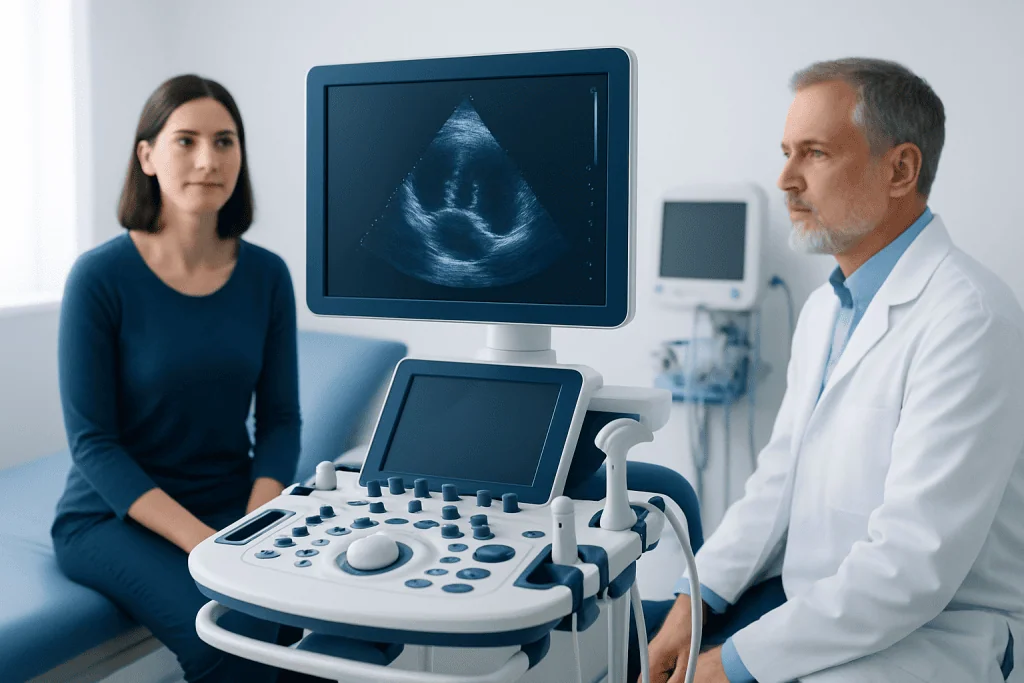
The most important test for atrial septal defect is an echocardiogram, which uses ultrasound to show the structure of the heart and the direction of blood flow. This test helps identify the type, size, and location of the defect and whether the right heart chambers are enlarged.
Other tests may include an electrocardiogram, chest imaging, pulse oximetry, or more advanced cardiac imaging in selected cases. If the anatomy needs closer evaluation or closure is being planned, specialists may recommend cardiac catheterization or a detailed structural heart assessment. Some patients are also evaluated by teams experienced in pediatric cardiology or adult congenital heart care, depending on age.
If ASD in the chart refers instead to autism spectrum disorder, the diagnostic process is different and may involve developmental screening, behavioral assessment, and specialist evaluation. For that reason, patients should always ask what the abbreviation means in their specific report rather than assuming one definition.
Treatment options for atrial septal defect
Treatment depends on the type of defect, its size, symptoms, age, and whether there is evidence that the right side of the heart is under strain. Small ASDs that do not affect heart function may only need regular follow-up. In some children, small openings may close on their own or remain stable without causing problems.
When the defect is significant, closure may be recommended to prevent long-term complications. Many secundum ASDs can be closed with a catheter-based device placed through a blood vessel, avoiding open-heart surgery. This approach is less invasive for appropriate candidates and is planned after careful imaging.
Other forms of ASD, or defects with anatomy not suited to a device, may require surgery. Doctors explain the benefits and limitations of each approach based on the individual patient’s heart structure and overall health. For selected patients, care may include congenital heart surgery or follow-up within a broader cardiology program.
Medications do not close the hole itself, but they may help manage symptoms or related issues such as abnormal heart rhythms in some people. Long-term follow-up remains important even after successful closure, especially for adults diagnosed later in life.
Living with ASD: monitoring, self-care, and prevention
There is no proven way to prevent every atrial septal defect because it forms during fetal development. However, good prenatal care, management of chronic medical conditions during pregnancy, and discussion of medications with a healthcare professional may help reduce the risk of congenital problems in general.
For people already diagnosed with ASD, self-care focuses on follow-up and heart health. Regular visits allow doctors to monitor symptoms, heart size, rhythm changes, and pulmonary pressure when needed. Patients should ask whether there are any activity restrictions, although many children and adults with repaired or small ASDs can remain active.
General heart-healthy habits are also helpful. These include not smoking, staying physically active as medically advised, managing blood pressure, and seeking evaluation for new palpitations, swelling, or reduced exercise tolerance. In complex cases, doctors may coordinate care with specialists in structural or congenital heart disease.
Near the end of the care journey, some international patients choose centers with multidisciplinary expertise. Acibadem International’s JCI-accredited hospitals and specialists diagnose and treat congenital and structural heart conditions for patients traveling from abroad.
When to seek medical care
Medical advice should be sought if a baby, child, or adult has unexplained breathlessness, tiring easily, poor growth, frequent chest infections, palpitations, or a newly identified heart murmur. These symptoms do not always mean an atrial septal defect is present, but they do deserve proper evaluation.
People who already know they have an ASD should contact a doctor if symptoms worsen, exercise becomes more difficult, or they notice dizziness, fainting, swelling in the legs, or an irregular heartbeat. After diagnosis or treatment, routine follow-up is important even when a person feels well.
Urgent medical attention is appropriate for severe shortness of breath, chest pain, fainting, bluish discoloration, or sudden neurological symptoms such as weakness or trouble speaking. These symptoms have many possible causes, but prompt assessment is the safest approach.
Frequently asked questions
What is the most common meaning of ASD in medicine?
The most common meaning of ASD in general medical and cardiology settings is atrial septal defect. This refers to an opening in the wall between the heart’s two upper chambers. In other specialties, especially developmental and behavioral care, ASD may mean autism spectrum disorder.
Is atrial septal defect serious?
It can range from very mild to clinically significant. Small defects may cause no symptoms and only need monitoring, while larger defects can lead to strain on the heart and lungs over time. A cardiologist judges seriousness based on the defect’s size, type, and effect on heart function.
Can an atrial septal defect close on its own?
Some small atrial septal defects in children may close on their own or remain so small that they do not require intervention. Larger defects are less likely to close spontaneously. Follow-up imaging helps doctors decide whether observation or treatment is best.
How is ASD diagnosed if it means a heart condition?
Doctors usually begin with a physical examination and review of symptoms. The main test is an echocardiogram, which shows the opening and how blood flows through the heart. Additional tests may be used to assess heart rhythm, heart size, or plans for treatment.
What treatments are available for atrial septal defect?
Treatment may include observation, catheter-based closure, or surgery. The right option depends on the type of ASD, its size, symptoms, and whether the right side of the heart is affected. A heart specialist explains which approach is most suitable for each person.
Can adults be diagnosed with ASD for the first time?
Yes. Some people have an atrial septal defect for years without obvious symptoms and are diagnosed only in adulthood. They may come to medical attention because of a murmur, shortness of breath, palpitations, or an abnormal imaging result.
How can a patient tell whether ASD means atrial septal defect or autism spectrum disorder?
The meaning depends on the context of the medical note or conversation. If the discussion involves the heart, breathing, murmurs, echocardiograms, or cardiology, ASD usually means atrial septal defect. If it involves development, communication, behavior, or psychology, it more often means autism spectrum disorder.
References
- American Heart Association
- National Heart, Lung, and Blood Institute
- Centers for Disease Control and Prevention
- National Institute of Mental Health
- European Society of Cardiology
This article is for general information only and is not a substitute for professional medical advice. Please consult a qualified doctor about your individual situation.
Explore treatments in Turkey — costs, top hospitals & a free quote
JCI-accredited · board-certified surgeons · reply within 24h
Add us as a Preferred Source to see more of our trusted health content across Google Search, AI Overviews and Discover.