Lochia: Benefits, Side Effects, and What the Evidence Shows

Lochia is a normal part of recovery after vaginal birth or cesarean birth. It usually changes from bright red to pink-brown, then to a lighter yellow-white discharge over several weeks.
Key Takeaways
- Lochia is a normal part of recovery after vaginal birth or cesarean birth.
- It usually changes from bright red to pink-brown, then to a lighter yellow-white discharge over several weeks.
- Very heavy bleeding, large clots, fever, severe pain, or a bad odor are not typical and should be assessed by a doctor.
- Rest, good hygiene, and using maternity pads instead of tampons can support safe recovery.
- The timing and amount of lochia vary, but a sudden return to heavy bleeding after it had slowed deserves attention.
Lochia is the normal vaginal bleeding and discharge that happens after childbirth as the uterus heals and sheds blood, mucus, and tissue. It usually changes in color and amount over several weeks, and while it is expected, some patterns can signal a need for medical evaluation.
Overview: what lochia is and what is considered normal
Lochia is the normal vaginal discharge that appears after childbirth. It contains blood, mucus, and tissue from the lining of the uterus as the body clears what supported the pregnancy and the uterus returns toward its pre-pregnancy size. In most cases, lochia is expected after both vaginal birth and cesarean birth.
People often think of lochia as simply postpartum bleeding, but it is more than blood alone. Its appearance changes over time, and these changes help show how healing is progressing. It is usually heaviest in the first few days after delivery, then gradually becomes lighter and less red.
Classically, lochia is described in stages. Lochia rubra is red and bloodier in the first days after birth. Lochia serosa follows and is usually pinkish or brown. Lochia alba is the later stage and tends to look yellowish or creamy white. The exact timing varies from person to person, but the overall pattern is a gradual decrease in flow and a lightening in color.
There is good clinical evidence that postpartum vaginal discharge is a routine part of recovery. What matters most is not following an exact day-by-day schedule, but noticing whether the amount and symptoms are moving in a reassuring direction. A qualified obstetrician or midwife can help if there is any uncertainty about what is normal.
What lochia looks and feels like over time
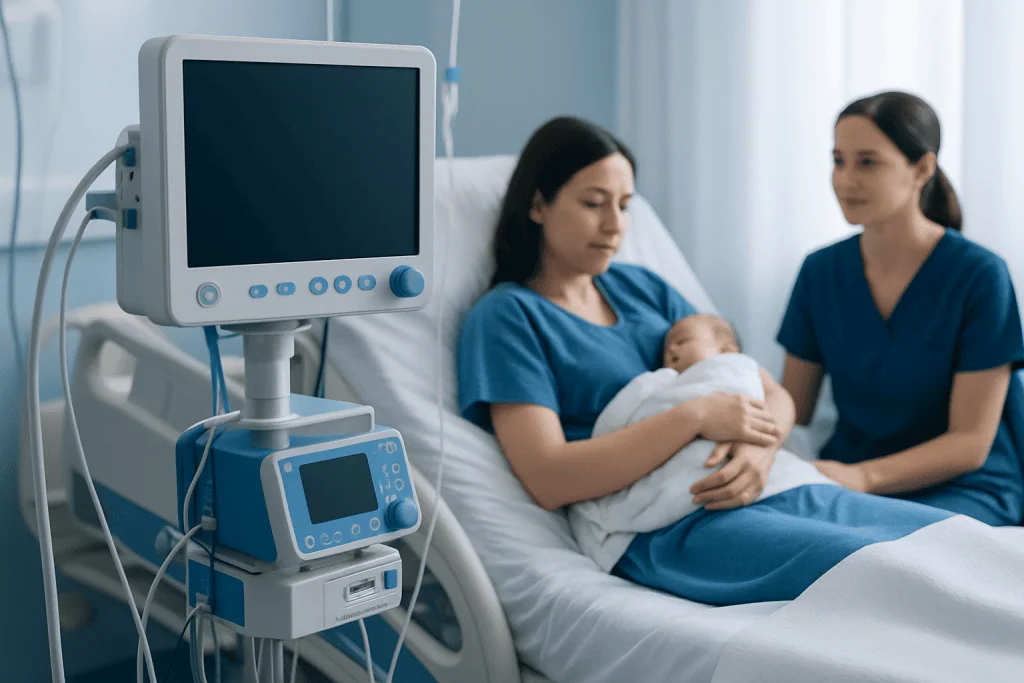
During the first few days, lochia is often bright red and may resemble a heavy menstrual period. Small clots can occur, especially after resting and then standing up, because blood may pool in the vagina. Mild cramping can also happen as the uterus contracts and shrinks, and this may be more noticeable during breastfeeding.
After several days, the discharge usually becomes thinner and lighter in color, often turning pink, brown, or rust-colored. Over the following weeks, it typically changes again into a pale yellow or off-white discharge. By this stage, the amount is usually much smaller, though light spotting can still come and go.
The total duration of lochia differs among individuals, but it commonly lasts several weeks. Some people notice that activity, lifting, or not getting enough rest briefly makes the flow heavier or redder again. This can happen even when recovery is otherwise normal, although repeated increases in bleeding should be discussed with a clinician.
Lochia should have a mild menstrual-like smell, not a strong or offensive odor. It may feel inconvenient and sometimes tiring to manage, but it should not cause severe pelvic pain, high fever, or soaking through pads very quickly. Those signs are outside the usual recovery pattern.
Common symptoms, side effects, and what lochia does not do

Lochia itself is not a treatment, supplement, or wellness product with benefits to consume. It is a normal bodily process after birth. The most common associated experiences are bleeding, discharge, mild uterine cramping, and the practical need to change pads often in the early postpartum days.
People may feel concerned about the amount of blood or the length of time the discharge continues. In many cases, this concern comes from not being told how variable normal recovery can be. Mild fluctuations can happen, especially with increased movement. However, lochia should generally trend lighter rather than steadily heavier.
What is sometimes described as a “side effect” of lochia is more accurately the discomfort of postpartum recovery. This can include perineal soreness, tiredness, and sensitivity if there were stitches or tearing. These symptoms are not caused by lochia itself, but they may occur at the same time and can make postpartum care feel more challenging.
Lochia is also not a reliable sign of fertility returning or not returning. Ovulation can occur before the first postpartum period, even if lochia has stopped. Likewise, breastfeeding can affect bleeding patterns but does not guarantee contraception. Questions about bleeding irregularities may overlap with evaluation for other gynecological conditions if symptoms do not fit a typical postpartum course.
What affects lochia: causes, risk factors, and evidence-based context
Lochia happens because the placental site inside the uterus must heal after delivery, and the thickened uterine lining from pregnancy is no longer needed. As the uterus contracts and repairs itself, blood and tissue leave the body through the vagina. This is a normal physiologic process rather than an illness.
Several factors can influence how much lochia appears and how long it lasts. The type of birth, whether there were retained placental fragments, whether the uterus is contracting well, and a person’s overall postpartum activity level can all matter. Breastfeeding often increases uterine contractions temporarily, which may cause stronger cramping and occasionally a brief increase in discharge.
Clinical evidence supports the general pattern of lochia described in obstetric care, but it does not support using a rigid timeline for every person. There is no meaningful evidence that special foods, teas, supplements, or cleansing products are needed to make lochia healthier, shorter, or more complete. In fact, intravaginal products used without medical advice may irritate tissues or increase infection risk.
Certain complications can change bleeding patterns. These include postpartum hemorrhage, infection of the uterus, and retained tissue in the uterus. Although these are less common than normal postpartum lochia, they are important because they may require urgent assessment with exam, blood tests, ultrasound, or hospital care. In some situations, treatment may involve hysteroscopy if retained tissue is suspected and needs direct evaluation or removal.
How doctors evaluate heavy or abnormal postpartum bleeding
When lochia does not seem normal, doctors begin with the pattern of bleeding and any other symptoms. They may ask how many pads are being soaked, whether clots are large, whether there is fever, pelvic pain, dizziness, or a foul smell, and whether the bleeding had improved before suddenly becoming heavier again. These details help distinguish usual postpartum bleeding from possible complications.
A physical examination may include checking blood pressure, pulse, abdominal tenderness, and how well the uterus is contracting. A pelvic examination can help identify infection, retained tissue, or tears. If there is concern about blood loss, blood tests may be used to assess anemia or infection.
Imaging is sometimes helpful, especially if retained products of conception are suspected. In that setting, a doctor may recommend ultrasound to look at the uterus and check whether tissue remains inside. Ultrasound findings are interpreted together with symptoms and examination, because imaging alone does not always explain every postpartum bleeding pattern.
If bleeding is severe or symptoms suggest a more urgent problem, rapid treatment is more important than watching at home. Postpartum care teams are trained to evaluate both straightforward and complex recovery concerns, and people should not feel they are overreacting by asking for help.
Treatment options and self-care during recovery
Normal lochia does not need treatment to stop it; it is expected to resolve as the uterus heals. The main goals are comfort, hygiene, and monitoring for changes. Maternity pads are usually recommended, especially in the early days, because they make it easier to see the amount of bleeding and avoid introducing anything into the vagina.
It is generally advised to avoid tampons, menstrual cups, and douching until a doctor says they are safe. These products can irritate healing tissues or raise the risk of infection during the early postpartum period. Gentle washing of the outer genital area, changing pads regularly, and hand hygiene are usually all that is needed.
Rest can help. If bleeding becomes noticeably heavier after strenuous activity, that may be a sign the body needs more recovery time. Hydration, regular meals, and follow-up postpartum visits also support healing. If a clinician suspects postpartum infection, retained tissue, or significant uterine bleeding, treatment may include medicines, observation in hospital, or procedures tailored to the cause.
For people who need specialist assessment, multidisciplinary postpartum and women’s health teams can guide diagnosis and treatment. Near the end of recovery planning, some may also benefit from broader evaluation in gynecology services, especially if bleeding remains unusual or overlaps with cycle changes, pain, or structural uterine concerns. Acibadem International’s multidisciplinary specialists in JCI-accredited hospitals also diagnose and treat postpartum and gynecological conditions for international patients.
When to seek medical care
Medical care is recommended if bleeding is very heavy, such as soaking through a pad in a short time, or if large clots continue to appear. Care is also needed if lochia becomes foul-smelling, if there is fever or chills, or if pelvic pain is moderate to severe rather than mild and improving. Dizziness, faintness, shortness of breath, or marked weakness should be treated promptly.
A sudden return to bright red, heavy bleeding after it had already become lighter can also be a warning sign. This may happen after overexertion, but it can also point to retained tissue or delayed postpartum hemorrhage. Bleeding concerns should be discussed sooner rather than later if they are causing uncertainty.
People should also contact a clinician if one side of the abdomen feels especially tender, if the uterus does not seem to be shrinking as expected, or if there are symptoms of infection around a cesarean incision or perineal wound. Evaluation may involve postpartum examination and, when appropriate, targeted testing or imaging.
Anyone who is unsure whether symptoms are normal should feel comfortable asking for medical advice. Postpartum recovery can vary widely, and reassurance from a qualified professional is often part of safe care.
Frequently asked questions
How long does lochia usually last?
Lochia often lasts for several weeks after childbirth, though the exact length varies from person to person. The usual pattern is that it becomes lighter and less red over time, even if there are occasional small fluctuations.
Is it normal for lochia to become heavier after activity?
Yes, some people notice a temporary increase in flow or a return to redder bleeding after doing too much physically. Even so, bleeding should generally settle again with rest, and repeated or heavy increases should be discussed with a doctor.
Can lochia have a smell?
A mild menstrual-like odor can be normal. A strong, unpleasant, or foul smell is not typical and may suggest infection, especially if it happens with fever, chills, or pelvic pain.
Are blood clots normal with lochia?
Small clots can occur, especially in the first days after birth or after lying down for a while. Large clots or repeated clotting with heavy bleeding should be assessed by a clinician.
Can someone use tampons or menstrual cups during lochia?
These are usually avoided in the early postpartum period unless a doctor advises otherwise. Pads are preferred because they help monitor bleeding and reduce the chance of irritating healing tissues or introducing infection.
Does a cesarean birth prevent lochia?
No. Lochia still occurs after a cesarean birth because the uterus is healing after pregnancy and delivery. Some people may notice differences in amount or duration, but postpartum discharge is still expected.
When should postpartum bleeding be treated as urgent?
Urgent assessment is needed for very heavy bleeding, faintness, shortness of breath, fever, severe pain, or a bad-smelling discharge. If there is any doubt about whether symptoms are normal, it is safest to contact a healthcare professional promptly.
This article is for general information only and is not a substitute for professional medical advice. Please consult a qualified doctor about your individual situation.
Explore treatments in Turkey — costs, top hospitals & a free quote
JCI-accredited · board-certified surgeons · reply within 24h
Add us as a Preferred Source to see more of our trusted health content across Google Search, AI Overviews and Discover.
Check your numbers in seconds
BMI, calories, due date, blood pressure and 30+ more clinical calculators — free, instant, doctor-reviewed ranges.

More from the Health Library

Foods Rich in Potassium and Magnesium: Benefits, Risks, and Safe Use

Eating Well With an Underactive Thyroid Gland

Vitamin C Foods: What the Clinical Research Actually Says

Calories: Benefits, Risks, and Safe Use

0 Calorie Foods: Evidence-Based Benefits, Risks, and Practical Guidance