How to Keep a Symptom Diary Before Your Appointment

A symptom diary can make symptoms easier to describe clearly at an appointment. Useful details include timing, severity, triggers, related symptoms, and what improves or worsens the problem.
Key Takeaways
- A symptom diary can make symptoms easier to describe clearly at an appointment.
- Useful details include timing, severity, triggers, related symptoms, and what improves or worsens the problem.
- A diary does not replace medical evaluation, but it can support a more accurate diagnosis.
- Simple, consistent notes are often more helpful than long or complicated entries.
- Urgent warning signs should be assessed promptly rather than waiting to finish a diary.
A symptom diary is a simple record of what a person feels, when symptoms occur, and what may affect them. Keeping one before a medical appointment can help a doctor understand patterns, possible triggers, and how symptoms are affecting daily life.
Overview
A symptom diary is a written or digital record of symptoms over time. It can be used for many concerns, including pain, headaches, dizziness, digestive symptoms, skin changes, fatigue, breathing problems, mood changes, sleep issues, or symptoms that come and go. The main purpose is to give a clearer picture of what is happening between visits.
Many symptoms are difficult to remember accurately during an appointment, especially if they are intermittent or affected by everyday routines. A diary helps organize details such as when symptoms started, how often they occur, how long they last, and whether there are any patterns. This can be especially helpful when symptoms seem linked to meals, stress, activity, medications, menstrual cycles, sleep, or environmental exposures.
Keeping a symptom diary does not mean a person needs to analyze or diagnose the problem alone. Instead, it provides practical information a healthcare professional can use during history-taking. In some cases, a careful diary may help a doctor decide whether further evaluation, tests, or specialist care is needed.
Why a Symptom Diary Helps
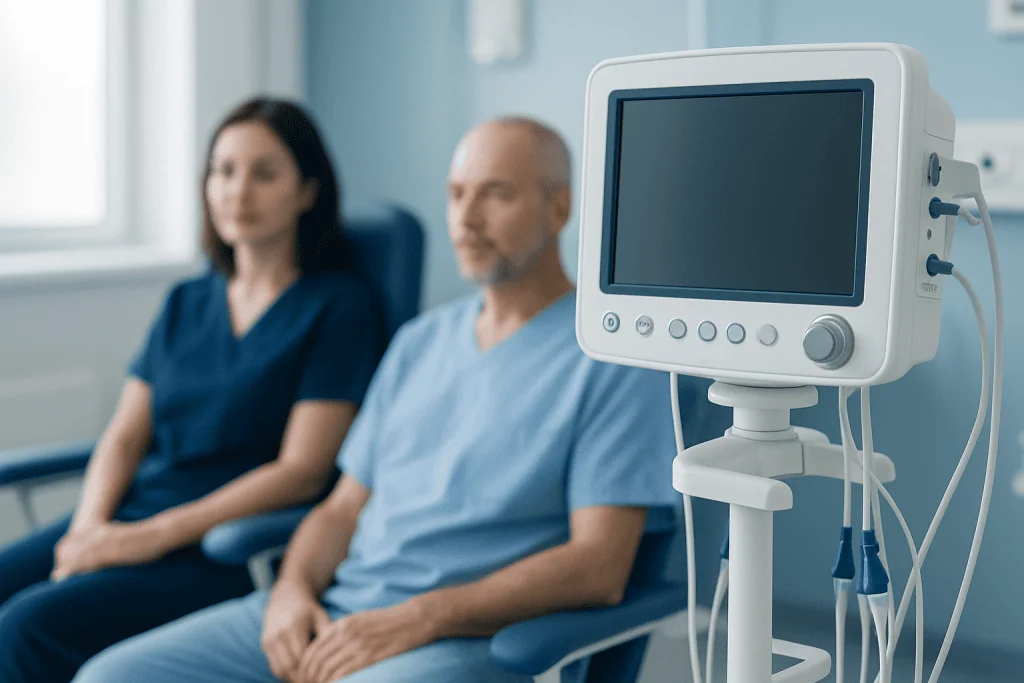
Doctors often rely heavily on symptom history when evaluating a new health concern. Even when tests are useful, the story of the symptoms still matters. A symptom diary can make that story more accurate by reducing guesswork and helping a person recall details that may otherwise be forgotten.
Patterns may become clearer when symptoms are recorded consistently. For example, headaches may occur after poor sleep, stomach discomfort may follow specific foods, or palpitations may happen during stress or exercise. Identifying these links can help guide discussion, support diagnosis, and shape next steps for care.
A diary can also show how symptoms affect daily life. Information about missed work, interrupted sleep, limited exercise, or difficulties with eating, concentration, or mood can help a doctor understand the overall impact. This may be useful in evaluating both physical and emotional wellbeing.
For ongoing conditions, symptom tracking can also help monitor whether symptoms are changing over time. Some people use a diary when following concerns such as migraine, irritable bowel syndrome, or other recurring symptoms that benefit from pattern recognition and long-term follow-up.
What to Include in a Symptom Diary

The most helpful diary entries are clear, brief, and consistent. A person does not need to write long paragraphs. Instead, each entry should focus on key details that a clinician is likely to ask about. The goal is to record what happened as objectively as possible.
Useful details often include the date and time, the symptom itself, where it is felt, how severe it is, how long it lasts, and what was happening before it began. A simple 0 to 10 severity scale may be useful for symptoms such as pain, nausea, breathlessness, or fatigue. It can also help to note whether the symptom came on suddenly or gradually.
Related symptoms and possible triggers are important as well. For example, a person might note fever, cough, rash, vomiting, dizziness, changes in bowel habits, swelling, weakness, or changes in appetite. It is also useful to record factors such as meals, caffeine, alcohol, exercise, menstrual timing, stress, travel, allergies, new medications, or poor sleep.
- Date and time symptoms started
- How long the symptom lasted
- Severity or intensity
- Location, if relevant
- Possible triggers or recent activities
- What made it better or worse
- Any medications taken and whether they helped
- Other symptoms happening at the same time
How to Keep a Diary Effectively
Consistency matters more than perfection. A person can use a notebook, phone notes app, spreadsheet, printed chart, or symptom-tracking app. The best format is one that feels easy to use regularly. If the system is too complicated, it may become difficult to maintain.
Entries are often most accurate when written close to the time the symptom occurs. Waiting until the end of the week may lead to missed details. For frequent symptoms, a few quick notes each day may be enough. For occasional symptoms, it may be enough to record episodes as they happen and summarize normal days briefly.
It helps to use the same style of entry each time. For example: “7:30 am, cramping abdominal pain, lower abdomen, severity 6/10, started after breakfast, lasted 45 minutes, improved after rest.” This makes patterns easier to review. If there are photos that may help, such as a visible rash or swelling, these can be shown to the doctor as long as privacy is protected.
Medication and self-care measures should also be noted. This includes over-the-counter medicines, prescription drugs, supplements, hydration, heat or ice, rest, diet changes, or relaxation techniques. When symptoms relate to pain or injury, a doctor may also recommend further assessment or imaging, sometimes including MRI or CT scan depending on the clinical situation.
Common Mistakes to Avoid
One common mistake is recording only the worst episodes and leaving out milder or symptom-free days. These quieter periods can be just as useful because they may show whether symptoms are intermittent, daily, or linked to specific exposures. A diary works best when it reflects the full picture rather than only the most distressing moments.
Another mistake is using vague terms without examples. Words like “bad,” “often,” or “sometimes” can mean different things to different people. More specific notes such as “three times this week,” “woke me from sleep,” or “pain spread to the right shoulder” are usually more helpful.
Some people become so focused on tracking that it increases worry. The diary should support care, not add stress. Short, factual entries are enough. If a symptom worsens significantly, becomes severe, or is accompanied by warning signs, it is better to seek medical help promptly than continue monitoring alone.
It is also important not to stop, start, or change prescribed treatment without medical advice just to test whether symptoms change. If a doctor needs more detailed evaluation, they may suggest blood tests, ultrasound, or other investigations based on the symptom pattern and examination findings.
How Long to Track Symptoms Before an Appointment
The ideal tracking period depends on the symptom. For a routine appointment about a recurring issue, one to two weeks of notes may be enough to show useful trends. For symptoms linked to menstrual cycles, migraines, digestion, or sleep, a longer period may sometimes be helpful if the appointment is not urgent.
If the symptom is new but not severe, starting the diary as soon as possible can still be valuable even if only a few days of notes are available by the appointment date. A short diary is often better than no record at all. It can still help with timing, frequency, and associated symptoms.
A person should not delay care in order to gather a “better” diary. If symptoms are worrying, worsening, or affecting daily activities significantly, it is reasonable to book an appointment and bring whatever information is available. The doctor can advise whether continued tracking is needed after the visit.
When to See a Doctor Urgently
A symptom diary is meant for observation and communication, but it is not appropriate for emergencies. Some symptoms need immediate medical attention, even if a person has only just started keeping notes. Waiting to collect more information may be unsafe in urgent situations.
Prompt medical assessment is important for chest pain, severe shortness of breath, signs of stroke, fainting, heavy bleeding, severe allergic reactions, sudden weakness, confusion, seizures, or severe and sudden pain. Fever in vulnerable individuals, dehydration, or symptoms that rapidly worsen should also be assessed without delay.
Other reasons to contact a doctor sooner include unexplained weight loss, persistent vomiting, blood in stool or urine, a new lump, severe headache unlike usual headaches, or symptoms that interfere with basic activities such as eating, sleeping, walking, or working. When in doubt, it is safest to ask a qualified healthcare professional how quickly the symptom should be reviewed.
Near the end of the process, the diary can be brought to a primary care doctor or specialist. For international patients who need further evaluation, Acibadem International’s multidisciplinary specialists and JCI-accredited hospitals diagnose and treat a wide range of conditions using a coordinated approach.
Frequently asked questions
What is a symptom diary?
A symptom diary is a record of symptoms over time, including when they happen, how severe they are, and what may affect them. It can be written on paper or kept digitally. The aim is to provide clear information for a healthcare professional.
What should a person write in a symptom diary?
Helpful details include the date and time, the symptom, how long it lasted, severity, possible triggers, and what made it better or worse. It is also useful to note related symptoms, medications taken, meals, sleep, stress, or physical activity. Brief and consistent entries are usually best.
How long should symptoms be tracked before a doctor visit?
For many routine concerns, one to two weeks of tracking can be useful. However, even a few days of notes may help if the appointment is soon. A person should not postpone medical care just to collect more diary entries.
Can a symptom diary help with diagnosis?
Yes, it can help by showing patterns, triggers, frequency, and the effect on daily life. It does not diagnose a condition by itself, but it gives a doctor more accurate information. This can support decisions about examination, testing, or referral.
Is it better to use an app or a notebook?
Either can work well if it is easy to use consistently. Some people prefer a notebook because it is simple, while others like apps for reminders and summaries. The best option is the one a person is most likely to keep up with.
When is a symptom diary not enough?
A diary is not enough in an emergency or when symptoms are severe, rapidly worsening, or linked to warning signs such as chest pain, stroke symptoms, or difficulty breathing. In those situations, urgent medical care is more important than further tracking. The diary can still be shared later if needed.
References
- World Health Organization
- National Institute for Health and Care Excellence
- Centers for Disease Control and Prevention
- MedlinePlus
- Mayo Clinic
This article is for general information only and is not a substitute for professional medical advice. Please consult a qualified doctor about your individual situation.
Explore treatments in Turkey — costs, top hospitals & a free quote
JCI-accredited · board-certified surgeons · reply within 24h
Add us as a Preferred Source to see more of our trusted health content across Google Search, AI Overviews and Discover.

More from the Health Library



Related Specialists

Dr. Meltem Hüner
Infectious Diseases & Clinical Microbiology
Prof. Dr. Metin Gürsürer
Cardiology
Prof. Dr. Enis Rauf Coşkuner
Urology
Prof. Dr. Lütfi Telci
Anesthesiology