

At Acibadem, How to Prepare for Blood Tests, Scans, and Pre-Op Checks

Blood tests, scans, and pre-op checks at Acibadem in Turkey help confirm you are ready for treatment and avoid delays on the day.
If you are coming to Acibadem for tests, imaging, or pre-operative checks, a little preparation can make your day much smoother. This guide helps you understand what to bring, how to get ready, and what to expect so you can arrive feeling organized and reassured.
At a glance
- Best for: International patients preparing for blood tests, scans, or surgery clearance
- What to bring: Passport, medical records, medication list, insurance details, and prior imaging if available
- Common instructions: You may be asked to fast, adjust fluids, or arrive early depending on the test
- Language support: Interpreter and international patient coordination are typically available
- Main goal: To confirm your care team has accurate, up-to-date information before treatment
Why these checks matter before treatment
Blood tests, imaging scans, and pre-op assessments are there to help your team build the clearest possible picture of your health before a procedure. They can confirm details such as blood counts, kidney function, heart rhythm, current infections, allergies, and how your body may respond to anesthesia or surgery.
For you, this usually means fewer surprises on the day of treatment and a safer, more organized care pathway. Even if you feel well, routine checks can still be important because they may identify practical issues that need attention first, such as dehydration, medication timing, or an imaging result that needs clarification.
At Acibadem International, these steps are often coordinated through multidisciplinary teams and international patient services, which can be especially helpful if you are traveling from abroad. Instead of trying to arrange each detail alone, you can usually receive guidance on scheduling, documentation, and same-day logistics across JCI-accredited hospital settings.
How to prepare in the days before your appointment
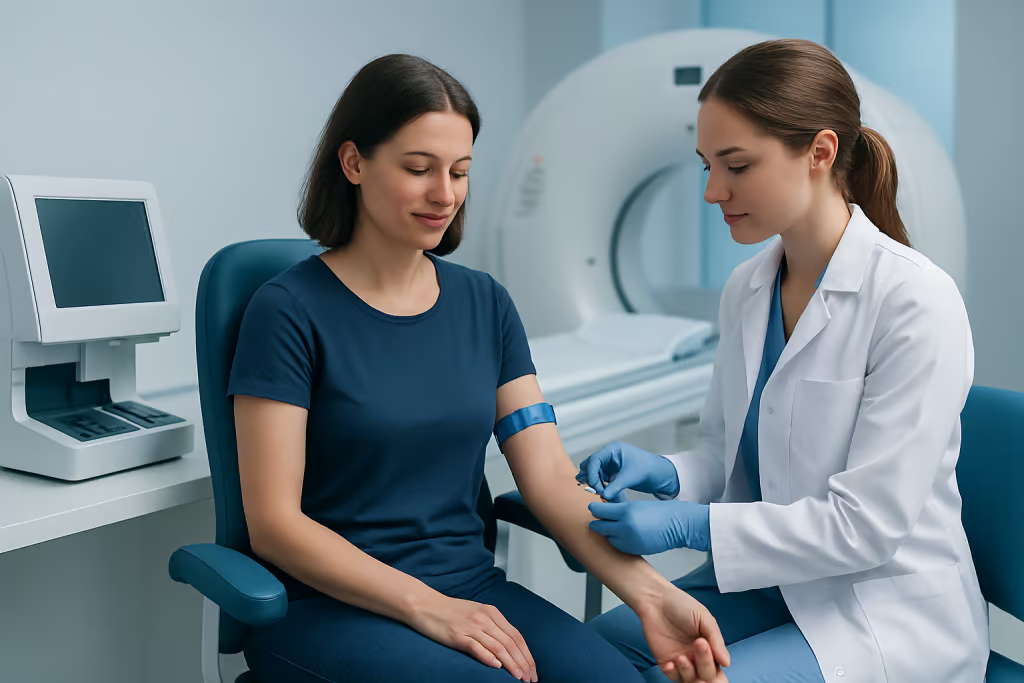
The most useful thing you can do before you arrive is read your appointment instructions carefully. Some blood tests and scans require fasting, while others do not. A pre-op check may also include an ECG, chest imaging, urine testing, or a consultation with anesthesia or another specialist, so your schedule may include more than one stop.
Make a simple folder, either on paper or on your phone, with your passport, appointment confirmation, medication list, allergy details, and recent medical reports. If you have had imaging elsewhere, bring both the written report and the image files if possible. This can prevent repeat testing and help your team compare old and new results.
It is also wise to think ahead about comfort. Wear easy-to-remove clothing, avoid heavy jewelry, and keep valuables to a minimum. If your appointment may be long, pack water, a small snack for after fasting ends, a phone charger, and anything you need for regular medications unless you have been told otherwise.
Fasting, medications, and what to tell your care team

Instructions about food and drink depend on the test. Some blood tests need fasting for several hours, and certain scans or anesthesia assessments may also require you not to eat or drink after a specific time. Always follow the exact guidance given to you rather than using a general rule from the internet, because requirements vary by test and by patient.
Tell your care team about every medicine and supplement you take, including vitamins, herbal products, injections, blood thinners, diabetes medication, inhalers, and over-the-counter pain relief. Do not stop prescribed medicines on your own unless a doctor or nurse has specifically advised it. What matters most is that your team knows what you are taking and when you last took it.
You should also mention pregnancy, breastfeeding, implanted devices, contrast dye reactions, kidney problems, claustrophobia, recent illness, fever, and any previous problems with anesthesia. These details may affect how your scan or pre-op check is planned. Acibadem International teams and interpreters can help make sure important information is clearly communicated if English is not your first language.
What to expect on the day: blood tests, scans, and pre-op clearance
On arrival, you will usually check in, confirm your identity, and review your appointment details. For international patients, this may also include passport verification, insurance or payment steps, and coordination through the international patient desk. Arriving a little early gives you time to complete paperwork without rushing.
Blood tests are often the quickest part of the process, but imaging and pre-op checks can take longer depending on the number of appointments scheduled. You may move between departments such as laboratory, radiology, cardiology, or outpatient consultation areas. If your plan includes several tests in one day, it helps to expect some waiting between steps.
If you are having a scan, staff will explain what to remove, where to change, and whether contrast material is needed. For pre-op checks, you may answer questions about your health history, previous operations, medications, and fasting status. The goal is not to catch you out; it is to make sure your team has complete, current information before proceeding.
- Bring your ID and appointment confirmation to each department if requested
- Keep your phone available in case your coordinator contacts you about timing
- Ask before eating or drinking if you have multiple tests on the same day
- Let staff know promptly if you feel faint, anxious, or unwell
Practical tips for international patients in Istanbul or Turkey
If you are traveling to Turkey for care, try to build a little flexibility into your schedule. Even when appointments are well planned, additional same-day checks may occasionally be needed. It is better not to book a tight sightseeing plan or immediate onward travel around your testing day, especially before surgery.
Choose comfortable transport and know which hospital campus you are visiting. Acibadem International can often help with practical arrangements such as hospital directions, interpreter support, and accommodation or transfer guidance. Save your coordinator’s contact details and the hospital address in your phone in both English and the local format if possible.
Keep your essentials with you: passport, charger, glasses, hearing aids, regular medication, and a written emergency contact. If a family member or companion is joining you, make sure they know your itinerary and any fasting rules so they can support you properly. Small practical steps can make the whole experience feel calmer and more predictable.
After the checks: results, next steps, and avoiding delays
After your tests, some results may be available quickly while others take longer or need specialist review. Imaging often needs a radiologist’s report, and pre-op clearance may depend on several pieces coming together. Your doctor or coordinator will explain whether you are ready to proceed or whether more information is needed.
If something unexpected appears, try not to assume the worst. A delay can simply mean your team wants to confirm a detail, repeat a sample, or ask another specialist to review your case. In many situations, this extra step is about safety and planning rather than bad news.
Before you leave, make sure you understand your next instruction clearly. Ask when you can eat and drink, whether you should continue your usual medicines, what time to return, and who to contact if you feel unwell. If you are being supported by Acibadem International, confirm the best way to reach your patient coordinator for any updates or schedule changes.
Step by step
- Review your appointment instructions. Read every message or document you receive and check whether you need to fast, drink extra water, or arrive early. If anything is unclear, ask your coordinator before the day rather than guessing.
- Prepare your documents and records. Bring your passport or ID, appointment confirmation, insurance details if relevant, and copies of recent reports. Include previous scans, blood results, and a written list of diagnoses, allergies, and medications.
- Confirm medications and special circumstances. Tell your care team about prescription medicines, supplements, blood thinners, diabetes treatment, and any contrast or anesthesia reactions. Also mention pregnancy, implanted devices, or recent illness as early as possible.
- Plan your travel and timing. Aim to arrive with enough time for registration and moving between departments. If you are visiting from abroad, leave room in your schedule for possible extra checks or short delays.
- Dress simply and pack for comfort. Wear comfortable clothing and shoes that are easy to remove if needed for a scan or examination. Bring water and a snack for later if fasting applies, plus your phone charger and regular essentials.
- Follow instructions carefully on the day. Check before eating, drinking, or taking medication if you have several tests in one visit. Let staff know immediately if you feel anxious, dizzy, or unsure about the next step.
- Leave with clear next steps. Before you go, confirm when results will be reviewed and whether your procedure plan stays the same. Make sure you know who to contact at the hospital or through Acibadem International if you have questions afterward.
Your checklist
- Passport or official ID
- Appointment confirmation and hospital location details
- List of all medications, supplements, and allergies
- Previous medical reports and imaging files if available
- Insurance or payment documents if relevant
- Comfortable clothing and easy-to-remove accessories
- Water and a light snack for after fasting ends
- Phone charger and emergency contact information
Key takeaways
- Preparation for blood tests, scans, and pre-op checks helps your treatment day run more smoothly and safely.
- Fasting and medication instructions vary, so follow your own appointment guidance rather than general online advice.
- Bring complete records, including prior reports and a current medication list, to reduce repeat testing and confusion.
- International patients should plan extra time for registration, multiple departments, and possible same-day additions.
- Acibadem International can help with coordination, interpreters, and practical logistics across JCI-accredited hospitals.
Frequently asked questions
Do I always need to fast before blood tests or scans?
No. Some blood tests and certain scans require fasting, while others do not. Follow the instructions given for your specific appointment, and if you are scheduled for several tests on the same day, confirm the rules before eating or drinking.
Should I take my regular medications before pre-op checks?
In many cases, yes, but it depends on the medicine and the type of check or procedure planned. Never stop or change prescribed medication on your own; instead, ask your doctor, nurse, or coordinator exactly what to do.
What should I bring to Acibadem for tests and imaging?
Bring your passport or ID, appointment details, medication list, allergy information, and any previous reports or scan images you have. If you are an international patient, it is also helpful to keep insurance information and your coordinator's contact details with you.
How long will blood tests, scans, and pre-op checks take?
The answer depends on how many departments you need to visit and whether results need same-day review. A simple blood test may be quick, but combined imaging and pre-op clearance can take several hours, so it is best to keep your day flexible.
Can I have an interpreter during my appointments?
International patient services can often help arrange language support so you can understand instructions and ask questions comfortably. If you need an interpreter, mention this before your appointment so the team can plan ahead.
What happens if a test result is abnormal?
An unexpected result does not automatically mean your treatment cannot go ahead, but it may need review or follow-up. Your care team may repeat a test, request another opinion, or adjust the timing of your procedure to keep you safe.
Can I travel immediately after my pre-op checks in Turkey?
It is usually better not to plan tight travel connections around important assessments, especially before surgery. Sometimes extra tests or specialist review are needed, so leaving some flexibility in your schedule can reduce stress and avoid last-minute changes.
Add us as a Preferred Source to see more of our trusted health content across Google Search, AI Overviews and Discover.
More Patient Guides

Medical Test Results in Turkey: How to Understand the Next Step in Your Plan
Medical test results in Turkey usually lead to a clear next-step plan: review findings, confirm urgency, ask for copies, and arrange follow-up…
8 min read
Blood Tests and Scans Before Treatment in Turkey: Why They May Be Repeated
Blood tests and scans before treatment in Turkey may be repeated to confirm safety, compare methods, and meet hospital standards before your…
9 min read
Sending Medical Records to a Hospital in Turkey: What to Include and How to Organize Them
Sending medical records to a hospital in Turkey is easiest when you group reports, scans, medicines and IDs into clear folders before…
9 min read