

When to Seek Urgent Help After Leaving the Hospital in Turkey

When to seek urgent help after leaving the hospital in Turkey: act fast for breathing trouble, chest pain, heavy bleeding, high fever, or confusion.
After you leave the hospital in Turkey, knowing which symptoms need urgent attention can help you act quickly and calmly. This guide helps you recognize red flags, prepare your next steps, and understand when to contact your care team, local emergency services, or return to hospital without delay.
At a glance
- Best for: International patients recovering in Turkey after hospital discharge
- Main goal: Help you spot emergency warning signs and respond quickly
- Urgent red flags: Breathing trouble, chest pain, heavy bleeding, fainting, severe fever, confusion
- Keep ready: Discharge papers, medication list, passport, insurance details, emergency contacts
- Who to contact: Your hospital team, international patient services, or local emergency care
Why this matters after you leave hospital
Leaving the hospital is an important step, but it does not always mean every part of recovery will be straightforward. Many patients feel better day by day, yet some complications can appear after discharge, including while you are resting at a hotel, apartment, or with family in Turkey. Knowing the difference between expected discomfort and urgent warning signs can help you avoid delays in care.
If you are traveling for treatment, the situation can feel more stressful because you may be away from your usual doctor, speaking a different language, or trying to decide whether a symptom is serious. A simple plan makes a big difference: keep your discharge summary with you, know which number to call, and do not ignore symptoms that are getting worse rather than better.
At JCI-accredited hospitals such as Acibadem International locations, discharge instructions are designed to explain what is normal for your recovery and what needs quick review. Even so, if you feel suddenly unwell, trust the urgency of the situation. It is safer to ask for help early than to wait and hope a serious symptom will pass on its own.
Symptoms that need urgent or emergency help
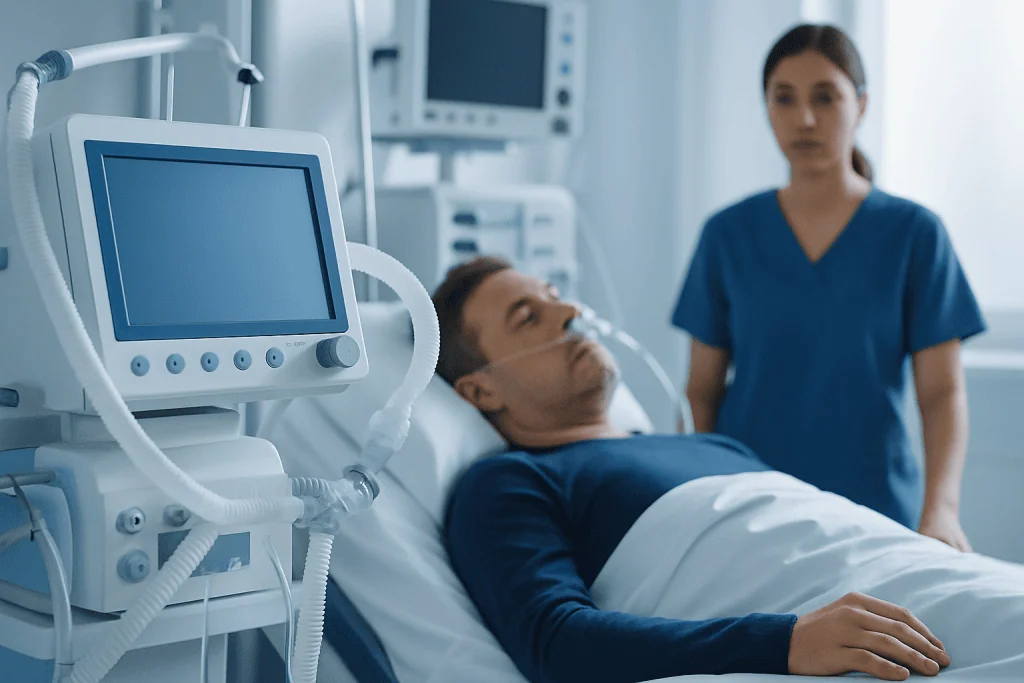
Some symptoms should never be watched at home for long. Seek urgent medical help immediately if you have trouble breathing, new chest pain, sudden severe shortness of breath, blue lips, fainting, a seizure, severe confusion, new weakness on one side, trouble speaking, or a sudden severe headache unlike your usual pain. These can point to life-threatening problems and need prompt evaluation.
Heavy bleeding is another major red flag. If blood is soaking through dressings quickly, if bleeding does not stop with gentle pressure, if you vomit blood, pass black or bloody stools, or see a large amount of blood in urine, you should seek emergency help right away. The same is true for severe swelling, rapidly increasing pain, or an incision that suddenly opens.
High fever can also be important, especially if it comes with shaking chills, worsening wound redness, pus, bad-smelling drainage, severe weakness, or confusion. After surgery or inpatient treatment, urgent care may be needed for a possible infection, blood clot, dehydration, medication reaction, or another complication. If you are unsure, contact your hospital team immediately and be ready to return for assessment.
- Breathing difficulty or chest pain
- Heavy bleeding or rapidly expanding swelling
- Fainting, seizure, confusion, or new severe weakness
- High fever with worsening pain, redness, or drainage
- Severe vomiting, dehydration, or inability to keep medicines down
- Sudden calf pain or swelling, especially with shortness of breath
What may be expected, and what should not be ignored

It is normal to have some discomfort after a hospital stay. Mild pain, tiredness, limited appetite, light bruising, or small amounts of drainage may be expected depending on your treatment. You may also have a temporary change in sleep, bowel habits, or energy level. Your discharge instructions should tell you what is considered normal for your case.
What should not be ignored is a change in pattern: pain that becomes much worse instead of gradually improving, swelling that increases quickly, redness spreading around a wound, repeated vomiting, no urine output for many hours, or new dizziness that makes standing difficult. A symptom does not have to be dramatic to matter. If it is getting worse, persistent, or preventing you from drinking, walking, urinating, taking medication, or thinking clearly, it deserves medical review.
If you are recovering after a procedure and are unsure whether a symptom is expected, use your written discharge advice as your first reference and contact your care coordinator or hospital team. Acibadem International patient services can also help international patients coordinate communication, especially if language or local logistics are making it harder to get a clear answer quickly.
How to respond calmly in Turkey
If a serious symptom appears, first focus on safety rather than travel plans or inconvenience. Sit or lie down if you feel faint, avoid eating or drinking if you may need urgent assessment, and have someone stay with you if possible. Gather your discharge documents, medication list, identification, and any recent test or procedure information so the medical team can quickly understand your situation.
If you are staying in Istanbul or another city in Turkey, contact the hospital number given in your discharge paperwork as soon as possible. Explain your symptoms clearly, when they started, and whether they are worsening. If you are under Acibadem International care, the international patient team may help direct you to the right service, support communication, and guide your return to hospital if needed.
Do not drive yourself if you have severe pain, dizziness, bleeding, breathing difficulty, or confusion. If the problem seems life-threatening, seek emergency services or go to the nearest emergency department immediately. It is helpful to tell hotel staff, your companion, or your driver that you have recently been discharged from hospital so they understand the urgency and can assist with transport or communication.
Practical discharge safety for international patients
Before you leave the hospital, make sure you know who to contact during the day, overnight, and on weekends. Save all important numbers in your phone and keep a paper copy in your bag. Ask for discharge instructions in a language you understand if possible, and review your medications, wound care, activity limits, and follow-up appointments before you leave.
It also helps to plan where you will recover. Choose accommodation that allows easy transport back to the hospital, especially in the first days after treatment. If stairs, long walks, or heavy luggage may be difficult, arrange support in advance. International patient departments at groups such as Acibadem International often help with practical points like interpreters, transportation coordination, and accommodation guidance, which can reduce stress if you need reassessment quickly.
Keep your phone charged, stay hydrated if your medical instructions allow it, and do not travel far from your treating hospital until you have been told it is safe. If you are planning to fly soon after treatment, follow the medical advice given specifically for your procedure. New symptoms should always be checked before air travel, because flying while unwell may make it harder to access timely care.
When in doubt, ask early
Many patients worry about overreacting, especially when they are in a foreign country. In reality, early questions often prevent bigger problems. A quick phone call about a concerning symptom can lead to simple advice, a medication adjustment, or a same-day review before the issue becomes more serious.
Try to describe symptoms in a practical way: when they started, whether they are new or worsening, your temperature if you have one, how much you are eating or drinking, whether you are passing urine normally, and what medication you have taken. Photos of a wound can sometimes help when requested by your care team, but they should not replace urgent in-person assessment when symptoms are severe.
The safest rule is simple: if you feel significantly worse after discharge, cannot manage basic recovery needs, or have any emergency warning sign, seek medical help immediately. Your comfort matters, but your safety comes first. Prompt reassessment is part of good aftercare, and reputable hospitals in Turkey expect patients to reach out if recovery does not look or feel right.
Step by step
- Check whether the symptom is a red flag. Compare what you are feeling with your discharge instructions, but do not spend too long analyzing if the symptom is severe. Breathing trouble, chest pain, heavy bleeding, fainting, severe confusion, or rapidly worsening pain should be treated as urgent.
- Call your hospital contact immediately. Use the number on your discharge paperwork or the international patient support contact you were given. Explain what treatment you had, when you were discharged, what symptoms started, and whether they are getting worse.
- Prepare your documents and medications. Take your discharge summary, passport or ID, medication list, allergy details, and insurance information with you. If possible, bring the medications you are currently taking so the medical team can review them quickly.
- Do not travel alone if you feel unwell. Ask your companion, hotel staff, or a trusted driver to assist you if you are dizzy, weak, bleeding, or in significant pain. Avoid driving yourself when urgent symptoms are present.
- Go to the emergency department if symptoms are severe. If your condition seems life-threatening or you cannot reach your team quickly, seek emergency care right away. It is better to be assessed early than to wait until your condition worsens.
- Keep your care team updated after assessment. If you are seen outside your original hospital, inform your treating team as soon as possible. This helps coordinate follow-up, medication changes, and any travel or discharge plan adjustments.
Your checklist
- Save your hospital, surgeon, and international patient support numbers in your phone
- Keep your discharge summary and medication list with you at all times
- Know the red-flag symptoms that need urgent help
- Stay close to your treating hospital during the early recovery period
- Arrange a companion or reachable contact for the first days after discharge
- Check your temperature if you feel feverish or unwell
- Do not ignore worsening pain, swelling, or bleeding
- Ask for interpreter support if you are not confident discussing symptoms in English or Turkish
Key takeaways
- After discharge in Turkey, worsening symptoms matter more than minor expected discomfort.
- Breathing problems, chest pain, heavy bleeding, confusion, fainting, and high fever with deterioration need urgent assessment.
- Keep your discharge papers, medication list, and emergency contacts ready in case you need help quickly.
- International patient services, including those at Acibadem International, can help with communication and return-to-hospital logistics.
- If you are unsure whether a symptom is serious, asking early is safer than waiting.
Frequently asked questions
How do I know if my symptom is normal recovery or an emergency?
Mild pain, fatigue, and some discomfort may be expected, depending on your treatment and what your discharge instructions say. A symptom becomes more concerning if it is new, rapidly worsening, prevents you from drinking or walking, or comes with red flags such as breathing difficulty, heavy bleeding, high fever, fainting, or confusion.
Should I contact my hospital first or go straight to emergency care?
If the symptom is severe or life-threatening, go straight to emergency care or call emergency services. If the issue is concerning but not immediately critical, contact your hospital team first so they can guide you on whether to return to the hospital, attend an emergency department, or adjust your aftercare plan.
What documents should I bring if I need urgent help after discharge in Turkey?
Bring your discharge summary, passport or ID, medication list, allergy information, and any recent test or procedure records if you have them. Having these ready helps the doctor understand your recent treatment quickly, especially if you are seen by a different team.
What if I do not speak Turkish and I need urgent care?
If possible, contact your hospital's international patient team for support with communication and logistics. At centers such as Acibadem International, international patient services may help with interpreters and coordination, but if the situation is an emergency, seek care first and use any available translation support on the way.
Is fever always urgent after leaving the hospital?
Not every fever means an emergency, but it should not be ignored, especially soon after a procedure or admission. Fever becomes more urgent if it is high, persistent, or linked to chills, wound redness, pus, severe pain, confusion, shortness of breath, or general deterioration.
Can I fly if I feel unwell after being discharged in Turkey?
You should not assume it is safe to fly if you have new or worsening symptoms. Contact your treating team before travel, because some problems need assessment or treatment first, and air travel can make access to urgent medical care more difficult.
What if my wound looks different after I leave the hospital?
Small bruising or mild expected drainage may be normal, depending on your instructions. Seek urgent review if the wound becomes increasingly red, hot, swollen, very painful, opens up, smells bad, or produces significant pus or bleeding.
Add us as a Preferred Source to see more of our trusted health content across Google Search, AI Overviews and Discover.
More Patient Guides

Medical Records Privacy in Turkey: Consent, Sharing, and Patient Rights
Medical records privacy in Turkey gives you rights to informed consent, confidential care, record access and controlled sharing during treatment in Istanbul.
8 min read
When to Delay Travel for Treatment in Turkey Because of Cold, Flu, or Fever
Delay travel for treatment in Turkey if you have fever, worsening flu symptoms, or breathing difficulty; contact your care team before flying.
8 min read
Traveling to Turkey for Treatment While Pregnant: Safety Questions to Ask First
Traveling to Turkey while pregnant can be safe with medical clearance, airline checks and a tailored care plan. Ask these key safety…
8 min read