

Medical Travel to Turkey During Summer or Winter: How Weather Can Affect Recovery Plans

Medical travel to Turkey in summer or winter can affect comfort, mobility and recovery timing. Plan for heat, cold, hydration and follow-up in Istanbul.
If you are planning treatment abroad, the season you choose can shape how comfortable your trip feels and how smoothly your recovery routine fits around travel. Summer heat and winter cold do not usually change your treatment plan on their own, but they can affect hydration, walking, sleep, clothing, transport and the way you organize support after your procedure.
At a glance
- Best for: Patients planning treatment travel around hot summer or colder winter months
- Main concern: How weather may affect comfort, mobility, hydration and practical recovery planning
- Key planning point: Match your treatment, hotel, transport and follow-up schedule to the season
- What to ask: When you can fly, walk outdoors, shower, exercise and attend follow-up visits
- Helpful support: International patient coordinators, interpreters and transfer planning
- Applies to: Istanbul and other parts of Turkey, where weather can vary by season and region
Why season matters when you travel for treatment
When you arrange medical travel to Turkey, the weather is not just a sightseeing detail. It can influence how easy it is for you to move around, how tired you feel after travel, what you wear comfortably after treatment, and how practical your recovery days will be once you leave the hospital. This matters especially if your plan includes walking for follow-up visits, resting in a hotel, or flying home soon after your procedure.
Summer and winter each bring different challenges. In hot weather, you may need to think more about dehydration, swelling, sun exposure and fatigue. In colder or wetter months, the practical issues are often layered clothing, slippery pavements, shorter daylight hours, traffic delays and staying warm without overheating if you are resting indoors.
The reassuring part is that these factors can usually be managed with simple planning. A well-organized itinerary, realistic recovery schedule and clear advice from your care team can make the season much less stressful. At Acibadem International, international patient services often help you coordinate transfers, translation and appointment timing so your logistics work around your recovery rather than against it.
Summer medical travel: what to expect in hot weather
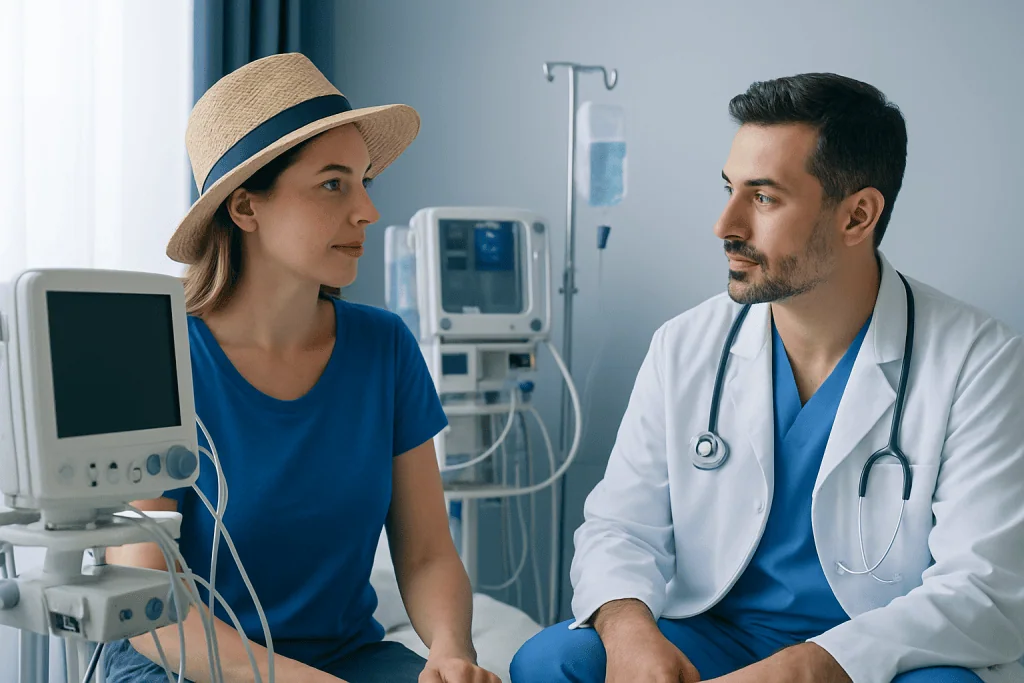
If you travel in summer, the main issue is usually heat rather than the treatment itself. Hot weather can leave you more tired after a flight, less comfortable in compression garments or dressings, and more likely to spend too much time outdoors when your body would benefit from rest. If you are recovering from any procedure that temporarily limits mobility, moving through crowded streets or waiting outside in direct sun can feel harder than expected.
Hydration becomes especially important in summer. Air travel, warm temperatures and common recovery symptoms such as reduced appetite can make it easier to become dehydrated. Your team may give you specific instructions about fluids, medication timing and walking; following them closely is one of the simplest ways to support a smoother trip.
Summer planning also means choosing breathable clothing, rooms with reliable air conditioning and transport that minimizes unnecessary walking. If your recovery involves avoiding sun on healing skin or scars, ask in advance how long you should stay out of direct sunlight and whether you need loose clothing, a hat or additional shade during transfers.
- Carry water and any allowed snacks during transfers.
- Plan indoor rest time during the hottest part of the day.
- Use loose, easy-to-remove clothing for appointments.
- Ask whether heat may worsen swelling for your specific recovery.
Winter medical travel: planning around cold, rain and shorter days
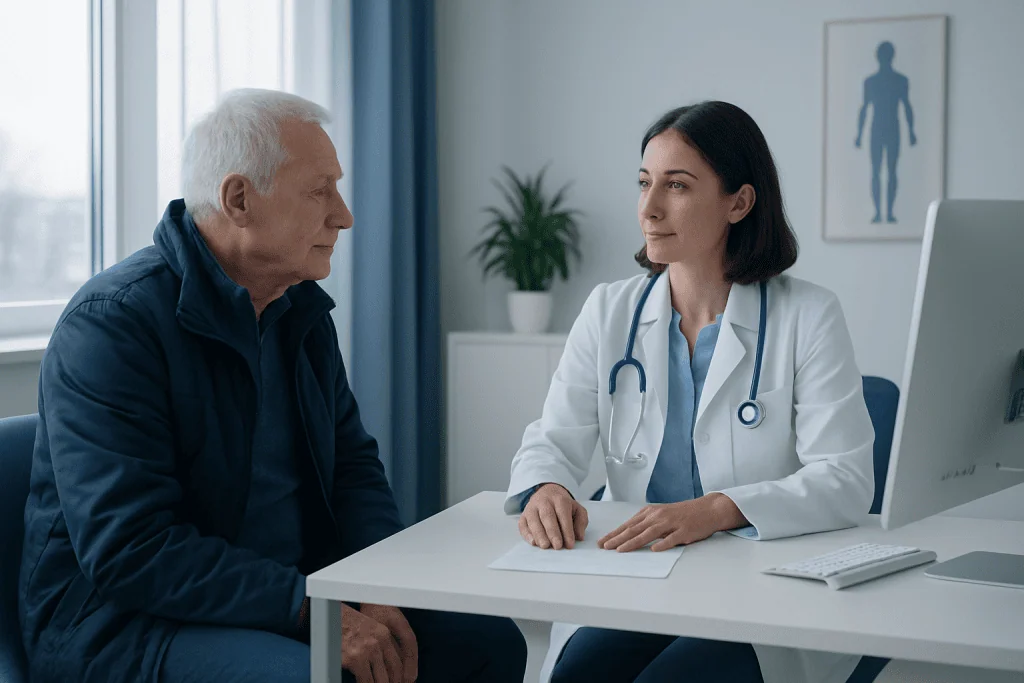
Winter trips can be very manageable, but they benefit from extra attention to transport and comfort. Colder air may feel tiring if you are already recovering, and rain or occasional icy conditions can make walking slower and less secure. This is especially relevant if you will be using stairs carefully, wearing supportive garments, or avoiding sudden movements after treatment.
In winter, clothing choices matter more than many patients expect. You want layers that keep you warm outside but are easy to remove at appointments, scans or check-ins. Shoes should be stable and easy to put on, particularly if bending is uncomfortable for a short time after your procedure.
Another practical point is timing. Shorter daylight hours and seasonal traffic can make journeys feel longer, so build buffer time into hospital visits and airport transfers. Acibadem International hospitals and their multidisciplinary teams can advise on follow-up timing, while patient coordinators can often help reduce unnecessary movement between appointments, which is particularly helpful in poor weather.
How weather can affect recovery comfort, even when treatment stays the same
In most cases, your doctor decides your treatment timing based on your medical needs rather than the season alone. Still, weather can influence your recovery experience in ordinary but important ways. Heat may make swelling, tiredness or sleep discomfort feel more noticeable. Cold weather may make it harder to relax muscles, get outside for gentle walking or stay comfortable during transfers.
Sleep quality is another overlooked factor. If your room is too warm in summer or too dry in winter, you may rest less well, and good sleep is a practical part of recovery. When booking accommodation, think beyond location: a lift, room temperature control, quiet surroundings, walk-in shower and nearby pharmacy can all matter more than tourist convenience.
Mobility also changes with the weather. In summer, long outdoor walks may be unrealistic after treatment. In winter, wet pavements and bulky clothing can make short distances feel harder. It helps to ask your team very specific questions: how much walking is encouraged, what type of movement is safe, and what signs mean you should slow down and contact the hospital.
If you are traveling to Istanbul or another busy city in Turkey, remember that traffic and crowd levels can add to weather-related fatigue. A shorter transfer, pre-arranged transportation and a flexible first day after arrival can make your overall recovery plan feel much calmer.
Choosing your travel dates, flights and accommodation wisely
A good recovery plan starts before you leave home. If your schedule allows flexibility, think about the whole journey rather than only the procedure date. Ask how many days you should arrive before treatment, how long you may need to remain in Turkey afterward, and whether a follow-up review is needed before you fly. These details help you choose travel dates that leave room for both medical care and rest.
Try to avoid overly tight itineraries. A same-day hospital discharge followed by long sightseeing, shopping or a late flight is rarely the most comfortable option. If you are traveling in summer, consider whether midday heat will affect airport transfers. In winter, consider whether weather disruption could make an early-morning journey stressful.
Accommodation should support recovery, not just serve as a place to sleep. Look for features such as climate control, elevator access, room service or easy meal delivery, comfortable bedding, and a bathroom setup that feels safe if you are moving carefully. Many international patients value having help with hotels and transfers; Acibadem International can often guide these practical arrangements so you can focus on your appointments and recovery routine.
Questions to ask your care team before you travel
The best way to reduce seasonal stress is to ask clear, practical questions before you book. Your doctor or patient coordinator can explain what matters for your specific treatment, because recovery needs differ. A procedure that mainly requires rest and hydration may have different travel considerations from one that involves mobility limits, dressings, compression garments or more frequent follow-up checks.
Useful questions include when you can safely fly, how much walking is recommended, whether weather-related swelling or discomfort is expected, and what clothing works best after treatment. You can also ask about showering, sun exposure, lifting luggage, and when you should seek medical advice if something feels unusual.
For international patients, communication support is important as well. Acibadem International provides services that can help with interpretation and care coordination, which is helpful when you are trying to understand discharge instructions, medication timing and return-visit plans in an unfamiliar environment. The goal is not to prepare for every possible problem, but to make everyday decisions easier once you are in Turkey.
Step by step
- Choose the season with your recovery routine in mind. Think about what your recovery days will actually look like, not just the treatment date. If you expect to rest indoors, need follow-up visits, or may be sensitive to heat or cold, choose a season that fits your comfort and mobility as much as your calendar.
- Confirm your post-treatment timeline before booking flights. Ask how long you should stay in Turkey after your procedure and whether you need a final review before flying home. This helps you avoid rushed departures and gives you space for weather delays, fatigue or an extra day of rest if needed.
- Book accommodation that supports rest and easy movement. Prioritize climate control, lift access, a safe bathroom and short transfer times over tourist extras. A comfortable room can make a meaningful difference if you need to sleep more, avoid stairs or limit time outdoors in summer heat or winter rain.
- Plan transport so you do not overexert yourself. Arrange airport and hospital transfers in advance, especially if weather may make walking uncomfortable. The less you need to navigate taxis, long queues or unfamiliar routes while recovering, the smoother your stay is likely to feel.
- Pack for your treatment, not just the forecast. Bring loose clothing, comfortable shoes, medications, chargers and any documents your hospital requested. Then add seasonal items such as a refillable water bottle for summer or warm layers and non-slip shoes for winter.
- Follow your care team’s advice on movement, fluids and follow-up. Your instructions after treatment matter more than general travel tips. If your team advises hydration, gentle walking, wound protection, limited sun exposure or a return visit, build those into your daily plan and ask for clarification if anything is unclear.
- Keep your first days simple. Avoid scheduling sightseeing, shopping or long social plans right after treatment. A lighter schedule gives you room to rest, notice how you feel and adjust comfortably to the weather, transport and recovery routine.
Your checklist
- Confirm how long you should stay in Turkey after treatment
- Ask when it is safe for you to fly home
- Book accommodation with air conditioning or heating and lift access
- Arrange airport and hospital transfers before arrival
- Pack loose clothes, supportive shoes and weather-appropriate layers
- Carry your medical documents, passport and medication list
- Ask about sun exposure, walking limits and hydration needs
- Leave extra time for winter traffic or summer fatigue
- Save your hospital contact details and follow-up instructions
Key takeaways
- Weather usually affects comfort and logistics more than the treatment itself
- Summer trips often require extra attention to hydration, heat and sun exposure
- Winter trips need planning for layers, safe walking and possible transport delays
- Choose flights, hotel and transfers around your recovery needs, not sightseeing plans
- Ask specific questions about mobility, clothing, follow-up and return travel before booking
Frequently asked questions
Is summer or winter better for medical travel to Turkey?
There is no universal best season, because the right timing depends on your treatment, comfort level and travel preferences. Summer may be less comfortable if you are sensitive to heat or need to avoid sun, while winter may require more planning for rain, cold and slower transport.
Can hot weather affect recovery after a procedure?
Hot weather can make you feel more tired, thirsty or uncomfortable, and it may make swelling feel more noticeable for some patients. It does not automatically mean your recovery will be worse, but it is sensible to ask your care team about hydration, clothing and time outdoors.
Is it safe to travel to Istanbul in winter for treatment?
Yes, many patients travel to Istanbul in winter without difficulty, but practical planning matters. Allow extra time for transfers, wear stable shoes, and choose accommodation that keeps you warm and comfortable without requiring a lot of walking.
What should I pack for medical travel to Turkey in summer or winter?
Pack around your recovery first: loose clothing, comfortable shoes, medications, documents and chargers are usually essential. For summer, add breathable layers, sun protection and a water bottle; for winter, bring warm layers, a light waterproof outer layer and non-slip footwear.
Should I stay longer in Turkey if I travel during extreme heat or cold?
Sometimes an extra buffer day can be helpful, especially if you may feel tired after travel or if weather could affect transport. The right length of stay depends on your procedure, follow-up needs and your doctor’s advice, so confirm this before you book return flights.
How can Acibadem International help with seasonal travel planning?
Acibadem International supports international patients with practical coordination such as appointments, interpreters and guidance around hospital logistics. That can be especially useful when you are trying to organize transfers, understand discharge instructions and keep your recovery plan manageable in summer or winter conditions.
Add us as a Preferred Source to see more of our trusted health content across Google Search, AI Overviews and Discover.
More Patient Guides
When to Stay Near the Hospital in Turkey Instead of the City Center
Stay near the hospital in Turkey if you expect early appointments, limited mobility, or close follow-up; choose the city center for flexibility.
8 min read
How International Patients Can Plan Prayer, Diet, and Daily Routine During Treatment in Turkey
Prayer, diet, and daily routine during treatment in Turkey can be planned in advance with your care team, meal requests, prayer times,…
10 min read
How to Use Hospital Wi-Fi and Keep Your Health Information Private
Hospital Wi-Fi privacy starts with secure habits: use trusted networks, avoid sensitive logins, and protect your devices during treatment in Turkey.
8 min read