

Travel Vaccines and Infection Precautions Before Treatment in Turkey

Travel vaccines before treatment in Turkey depend on your itinerary, timing, and health. Plan 4-8 weeks ahead and review infection precautions with your care…
If you are travelling to Turkey for treatment, it helps to think about vaccines and infection precautions early, not just flights and appointments. A simple pre-travel health plan can reduce avoidable illness, protect your recovery, and make your treatment trip smoother from departure to return home.
At a glance
- Best time to prepare: Ideally 4-8 weeks before travel
- Main goal: Reduce infection risk before, during, and after treatment
- Who to ask: Your local doctor, a travel clinic, and your treating hospital
- Key documents: Vaccine record, medication list, and treatment plan
- Special attention: Recent illness, chronic conditions, and immune suppression
- Practical focus: Vaccines, hand hygiene, food and water safety, masking when appropriate
Why vaccines and infection precautions matter before treatment
When you travel for medical care, even a minor infection can complicate your plans. A fever, stomach bug, flu-like illness, or skin infection may delay tests, anaesthesia, procedures, or recovery. That is why it is worth preparing for infection prevention as carefully as you prepare your medical records and travel dates.
Your risk depends on several practical factors: where you are travelling from, how long you will stay, whether you will transit through other countries, the season, your accommodation, and the type of treatment you are having. Someone coming for a short outpatient consultation may need different precautions than someone travelling for surgery, cancer care, or a longer hospital stay.
If you are receiving treatment that affects the immune system, healing, or breathing, infection prevention becomes even more important. This includes chemotherapy, major surgery, transplantation, some autoimmune treatments, and care after recent infections. In these situations, your own doctor and your treating team in Turkey should both know your recent health history.
At Acibadem International, international patient services can help you understand what practical documents and health updates to share before arrival. That support does not replace your own doctor or a travel medicine clinic, but it can help make sure your treatment team has the information needed to plan safely.
Which travel vaccines you may need to review
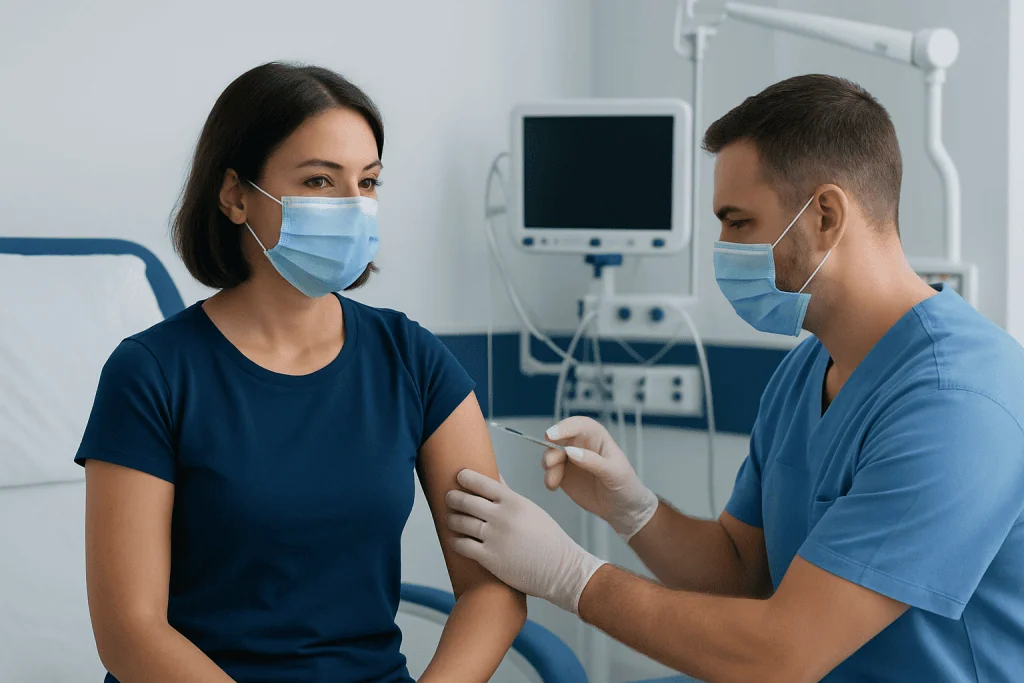
There is no single vaccine checklist that fits every patient travelling to Turkey. What you need depends on your age, routine immunisation status, medical history, and travel route. Start by checking whether your routine vaccines are up to date, because common infections such as influenza or measles can disrupt care just as much as less common travel-related illnesses.
Useful vaccines to discuss with your doctor may include routine adult or childhood boosters, seasonal flu vaccine, COVID-19 vaccination if advised in your country, and other travel vaccines based on your broader itinerary. If you are stopping in multiple countries, spending time outside major cities, or combining treatment with tourism, your recommendations may differ from someone flying directly in and out of Istanbul.
Timing matters. Some vaccines need more than one dose or take time to become fully protective, so it is best not to leave this to the last week before departure. A travel clinic or your primary doctor can review your vaccine record and help you understand what is useful, what is optional, and what may not be appropriate because of your treatment schedule.
If you are unsure whether a vaccine can be given close to surgery or medical treatment, ask early. Your hospital team may want to avoid certain vaccinations immediately before a procedure, especially if side effects such as fever could interfere with assessment. Acibadem International can help you flag these questions to the relevant department before you travel.
When to seek advice early or take extra care
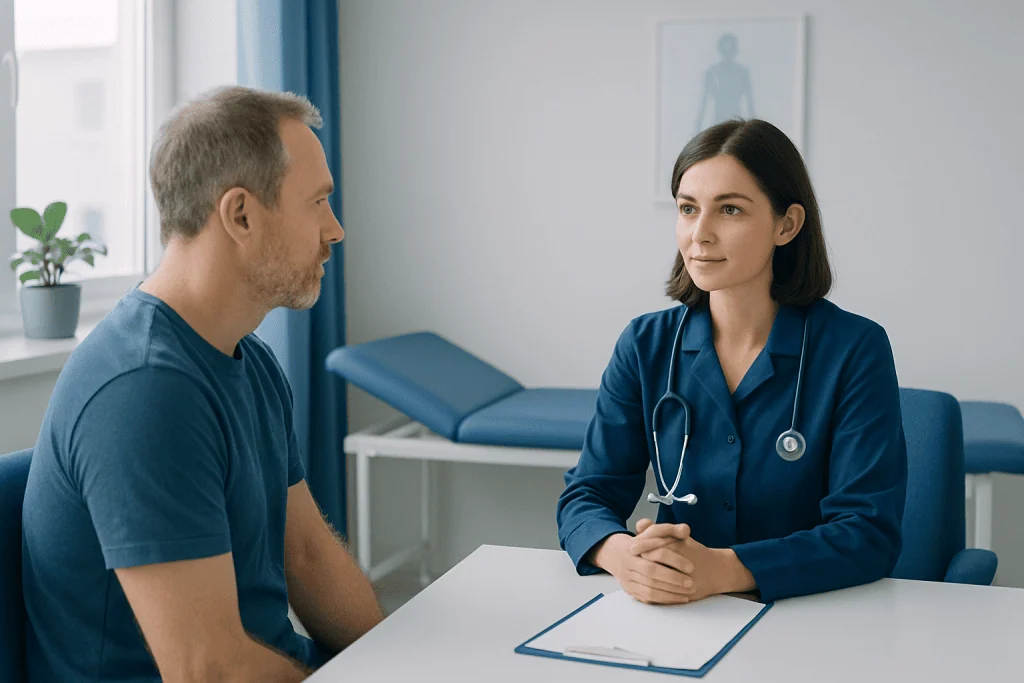
Some travellers should arrange pre-travel advice as early as possible. This includes people with diabetes, heart or lung disease, kidney disease, autoimmune conditions, cancer, recent hospitalisation, a history of blood clots, pregnancy, or any condition that weakens the immune system. It also includes anyone taking steroids, biologic medicines, chemotherapy, or other drugs that affect immune response.
You should also seek prompt advice if you have had a recent fever, cough, vomiting, diarrhoea, rash, dental infection, urinary symptoms, or contact with a contagious illness. Even if symptoms seem mild, it is better to report them before you board a flight than after you arrive for admission. A small issue can sometimes be managed safely in advance, whereas an unreported infection may lead to delays.
Another important point is vaccine suitability. Some vaccines may not be recommended for people who are immunocompromised or who are about to start certain treatments. That does not mean you should skip travel health advice; it means your plan should be individual and coordinated.
JCI-accredited hospitals such as those in the Acibadem network follow structured patient safety processes, but safe care also depends on timely information from you. Sharing your diagnoses, medications, allergies, and recent illnesses in advance helps the multidisciplinary team prepare appropriately and advise you on next steps.
Practical infection precautions during your trip
Vaccines are only one part of prevention. Day-to-day habits can make a real difference during flights, hotel stays, and hospital visits. Wash your hands regularly, carry alcohol-based hand sanitiser, avoid touching your face, and keep a small supply of tissues and disinfecting wipes in your hand luggage.
Think about food, water, and rest as part of your medical preparation. Eat from reputable places, be cautious with food that has been left out too long, and follow local advice about safe drinking water if you are travelling beyond standard hotel and hospital settings. Stay hydrated, especially after long flights, and try not to arrive sleep-deprived if you have important tests or a procedure soon after landing.
Respiratory precautions can also be sensible. In crowded airports, public transport, or waiting areas, some patients choose to wear a well-fitting mask, particularly if they are immunocompromised or travelling during respiratory virus season. If you feel unwell at any point, let your airline, hotel, or hospital contact know rather than trying to manage in silence.
Acibadem International hospitals and international patient services are used to supporting people arriving from different countries and health systems. If you need an interpreter, help understanding pre-admission instructions, or guidance on where to report symptoms on arrival, ask before your travel day so you are not figuring it out while tired or unwell.
What to prepare before you leave home
Good preparation saves stress later. Keep a clear list of your current medicines, allergies, chronic conditions, previous surgeries, and recent infections. Include both brand and generic names where possible, and note any injections, blood thinners, insulin, inhalers, or immune-modifying medicines. Bring enough medication for your journey, plus a little extra in case of delays, unless your doctor has told you to stop something before treatment.
Your vaccine record is also helpful. Even if your treating team does not need every historical detail, having a record can be useful if questions arise about recent vaccination, exposure, or eligibility for certain precautions. If your documents are not in English, a short translated summary can make things easier.
Pack with infection prevention in mind. Consider hand sanitiser, spare masks if you use them, a thermometer, oral rehydration sachets if advised by your doctor, and any personal wound-care supplies your team has recommended. If you wear contact lenses, glasses can be useful as a backup if your eyes become irritated during travel or after treatment.
Before you depart, confirm how to contact your hospital or international patient coordinator if you develop symptoms. Acibadem International can usually help guide international patients on practical communication pathways, admission timing, and what to do if a new health issue appears shortly before arrival.
What to do if you become ill before or during your stay
If you develop fever, cough, vomiting, diarrhoea, painful urination, a new rash, or any signs of infection before departure, do not assume it is too minor to mention. Contact your local doctor and inform your treating hospital as soon as possible. It is often safer to review symptoms early than to travel and discover that admission must be postponed after you arrive.
The same applies during your stay in Turkey. If you feel unwell in the hotel, after a clinic visit, or while recovering, tell your care team promptly. Early reporting can help your team assess whether you need testing, treatment, isolation precautions, or a change to your schedule. Waiting in the hope that symptoms will pass can make practical planning harder.
Try not to self-medicate heavily without advice, especially just before procedures. Some over-the-counter medicines can mask fever or interact with pre-treatment instructions. If you need urgent help, use the contact route given by your treating team or local emergency services as appropriate.
For international patients, communication matters as much as treatment. Acibadem International’s interpreter and coordination services can be helpful if you are unsure how to explain symptoms, medication use, or recent exposures in English or Turkish. Clear communication supports safe decisions and helps the team protect both you and other patients.
Step by step
- Start your travel health check early. Try to review vaccines and infection precautions 4-8 weeks before your trip, especially if your treatment date is already fixed. This gives enough time for medical advice, any recommended vaccines, and adjustments if you become unwell before travel.
- Review your vaccine record with a clinician. Ask your primary doctor or a travel medicine clinic to check routine vaccines and any travel-related recommendations based on your route and stay. Tell them you are travelling for medical treatment so they can consider procedure timing, immune status, and recovery needs.
- Share your health history with the treating team. Send your medication list, allergies, chronic conditions, and any recent infection symptoms to your hospital in advance. Include information on recent antibiotics, steroid use, chemotherapy, biologics, or other treatments that may affect infection risk.
- Plan practical prevention for the journey. Pack hand sanitiser, routine medicines, spare masks if you use them, and any health documents you may need. Build in rest, hydration, and realistic transit times so you are not arriving exhausted before important appointments.
- Monitor yourself closely before departure. In the days before you travel, pay attention to fever, cough, stomach symptoms, urinary symptoms, dental pain, or skin changes. Report anything new promptly rather than hoping it will settle by itself.
- Use safe habits throughout your stay. Continue hand hygiene, food and water care, and any respiratory precautions that suit your situation. If you are immunocompromised or recovering from treatment, be especially cautious in crowded indoor settings.
- Speak up quickly if symptoms appear. If you become unwell in Turkey, tell your coordinator, nurse, or doctor without delay. Early communication helps protect your treatment timeline and allows the team to guide you safely.
Your checklist
- Book a pre-travel review with your doctor or travel clinic
- Check routine vaccines and discuss any travel-specific recommendations
- Ask whether any planned vaccine timing could affect your treatment schedule
- Prepare a list of medicines, allergies, diagnoses, and recent illnesses
- Pack enough regular medication for the full trip plus extra for delays
- Carry hand sanitiser, tissues, and masks if appropriate for your needs
- Save your hospital and international patient contact details in your phone
- Monitor for fever, cough, diarrhoea, rash, or urinary symptoms before travel
- Inform the treating team promptly if you develop any signs of infection
Key takeaways
- Plan travel vaccines and infection precautions early, ideally 4-8 weeks before your trip.
- Your needs depend on your health, treatment type, vaccine history, and travel itinerary.
- Routine infections such as flu, stomach illness, or skin infection can delay treatment.
- Good hand hygiene, food and water care, rest, and early symptom reporting are essential.
- Share recent illness, medication use, and immune-related conditions with your treating team.
- International patient support can help coordinate communication, documents, and practical next steps.
Frequently asked questions
Do I need special travel vaccines before treatment in Turkey?
Not everyone needs the same vaccines. The right advice depends on your routine immunisations, medical condition, treatment plan, and whether you are travelling directly to Turkey or also visiting other countries or regions. A travel clinic or your regular doctor can help you review what is relevant for you.
How far in advance should I check vaccines before my treatment trip?
It is best to start around 4-8 weeks before departure if possible. Some vaccines take time to work, and your doctor may need to coordinate timing with surgery, medication changes, or other treatment plans.
Can a vaccine interfere with my procedure or hospital admission?
Sometimes timing matters, particularly if a vaccine may cause temporary side effects such as fever or if you are about to start treatment that affects the immune system. This does not mean vaccines are a problem in general, but it does mean you should ask before scheduling them close to a procedure.
What if I get a cold, fever, or stomach bug just before flying to Turkey?
Contact your local doctor and inform your treating hospital as soon as possible. Even mild symptoms can matter before certain tests, anaesthesia, or procedures, and early advice is safer than travelling first and dealing with delays after arrival.
Are infection precautions still important if I am staying mostly in the hospital or hotel?
Yes. Airports, flights, hotel dining areas, taxis, public spaces, and clinic waiting areas all involve contact with other people and shared surfaces. Simple habits such as hand hygiene, sensible food choices, hydration, and reporting symptoms early remain important throughout the trip.
I take immune-suppressing medication. What should I do differently?
Arrange travel health advice as early as you can and make sure both your home doctor and your treating team know about your medication. Some vaccines may not be suitable, and your infection prevention plan may need to be more cautious during travel and recovery.
Should I bring proof of vaccination or medical records with me?
Yes, it is sensible to bring your vaccine record if available, along with a current medication list and a summary of your medical history. This can be helpful if there are questions about recent vaccination, infection exposure, or treatment planning during your stay in Turkey.
Add us as a Preferred Source to see more of our trusted health content across Google Search, AI Overviews and Discover.
More Patient Guides

Medical Records Privacy in Turkey: Consent, Sharing, and Patient Rights
Medical records privacy in Turkey gives you rights to informed consent, confidential care, record access and controlled sharing during treatment in Istanbul.
8 min read
When to Delay Travel for Treatment in Turkey Because of Cold, Flu, or Fever
Delay travel for treatment in Turkey if you have fever, worsening flu symptoms, or breathing difficulty; contact your care team before flying.
8 min read
Traveling to Turkey for Treatment While Pregnant: Safety Questions to Ask First
Traveling to Turkey while pregnant can be safe with medical clearance, airline checks and a tailored care plan. Ask these key safety…
8 min read