

Unexpected Changes in Your Bill in Turkey: Common Extra Costs and How to Ask About Them

Unexpected changes in your bill in Turkey usually come from added tests, medicines, longer stays, or exchange-rate/payment issues. Ask for a written breakdown…
If your medical bill in Turkey changes from the original quote, it is often due to added services, different clinical needs, or practical charges that were not fully clear at the start. This guide helps you understand common extra costs, what to ask before treatment, and how to keep your paperwork and payment process organized.
At a glance
- Best time to ask: Before admission, before each test or change in plan, and before discharge
- Most common extras: Additional tests, medicines, longer stay, ICU needs, specialist reviews, implants or pathology
- Best document to request: A written itemized estimate and an updated cost breakdown if the plan changes
- Who can help: International patient services, your coordinator, billing office, and interpreter
- Payment tip: Confirm currency, card acceptance, bank transfer timing, and deposit rules in advance
Why your bill can change after you arrive
It is understandable to feel unsettled if your bill looks different from the first quote you received. In many cases, the original quote is based on the information available before you travel, such as your reports, imaging, symptoms, and the planned treatment pathway. Once you are examined in person, your medical team may identify additional needs that were not visible earlier.
These changes are not always a sign of a problem with the hospital or billing process. A quote may cover the expected treatment plan, but real care can shift if you need more tests, a different medicine, another specialist opinion, or a longer stay than first planned. This is especially common when patients travel internationally and final decisions are made after on-site assessment.
What helps most is clarity. Ask whether your quote is fixed, package-based, or an estimate; ask what is included and what is specifically excluded. At Acibadem International, international patient teams can help explain cost documents in plain English and coordinate with billing staff so you know who to contact if anything changes.
Common extra costs patients do not always expect
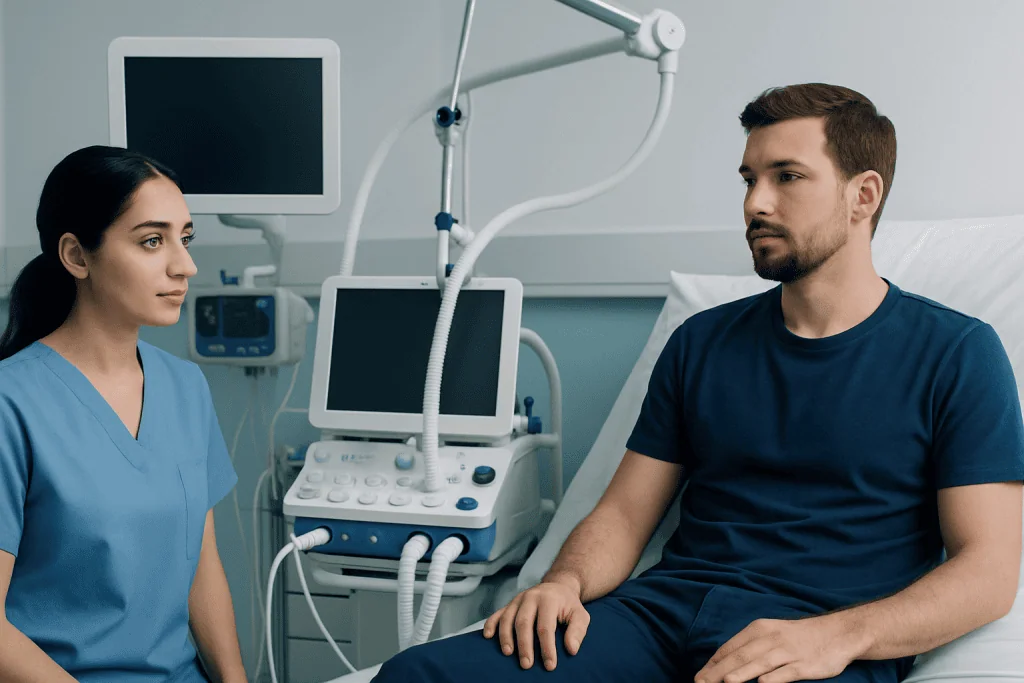
The most common additional charges are linked to changes in your clinical needs. For example, your doctor may request extra blood tests, a second imaging study, a pathology review, or consultations with another specialist before proceeding safely. Medicines, consumables, and post-treatment monitoring can also vary depending on how your body responds and how quickly you recover.
Room-related costs can change too. If you stay longer than expected, need closer observation, require intensive care, or need to postpone discharge for medical reasons, your bill may increase. Companions should also remember that their own meals, transport, accommodation, and personal expenses are usually separate from the patient bill unless clearly stated otherwise.
Some examples of costs worth asking about include:
- Pre-treatment bloodwork or repeat laboratory testing
- Additional MRI, CT, ultrasound, X-ray, or cardiac assessments
- Anesthesia-related review or medication changes
- Pathology, biopsy, or specimen analysis
- Implants, prosthetic materials, or special devices if applicable
- Extra nights in hospital, ICU time, or step-down monitoring
- Take-home medicines, dressings, or medical supplies
- Emergency treatment for an unrelated issue during your stay
If you are unsure whether an item is routine or optional, ask directly: “Is this medically necessary, and was it included in my original quote?” That one question can quickly clarify why a charge has appeared.
How to read a quote and spot what may not be included

Before you travel, read your quote slowly and look for exact wording. Terms such as “estimated,” “from,” “subject to physician evaluation,” or “excluding unforeseen medical needs” usually mean the amount can change. A package may appear simple, but it still may not cover every possible test, medication, or overnight stay.
It is helpful to ask for a line-by-line explanation rather than a single total. Even if you are comfortable with the overall amount, an itemized estimate lets you see where changes are more likely. For example, the surgery itself may be included, while pathology, extra consultations, ICU stay, or follow-up imaging may be billed separately.
If you are working with Acibadem International, ask your coordinator to explain the quote in writing and confirm the parts that are fixed versus variable. International patient services can also help you understand whether interpreter support, airport transfer coordination, and admission assistance are hospital services or separate practical arrangements, so you can plan your budget more realistically.
The best questions to ask before treatment starts
You do not need to be a billing expert to protect yourself from surprises. The key is to ask specific, simple questions at the right moments: before you confirm travel, at admission, when a doctor changes the plan, and again before discharge. Written answers are especially helpful if more than one person is helping you manage the trip.
Use clear practical questions such as: What is included? What is excluded? What are the most common reasons this total might increase? If my treatment plan changes, who informs me and when? Can I receive an updated estimate before the next step goes ahead? If you have insurance or embassy support, also ask which items require pre-approval.
Good questions to keep handy include:
- Is this a fixed package or an estimate?
- Are consultations, imaging, lab tests, pathology, and medicines included?
- Does the quote include hospital stay, ICU, and follow-up visits?
- What happens financially if the doctor changes the treatment plan?
- Will I be told before non-urgent extra services are added?
- Can I get an interim bill if my stay becomes longer?
- What currency will I pay in, and are there card or transfer fees?
These conversations are easier when you have language support. In JCI-accredited hospitals that regularly care for international patients, such as Acibadem International hospitals, coordinators and interpreters can help you ask these questions clearly and document the answers.
What to do if your bill changes while you are in hospital
If you notice a difference between the expected and current amount, try not to wait until discharge day. Ask for an updated itemized statement as soon as you become aware of a new test, extra night, or treatment change. It is much easier to understand and resolve questions while events are still recent and staff can explain them step by step.
Start with your international patient coordinator or the billing office and ask for a plain-language review of each new charge. If you need language assistance, request an interpreter. Focus first on understanding whether the added item was medically necessary, whether it was part of a plan change, and whether it had been excluded from the original estimate.
Keep copies of every update, receipt, consent, and lab or imaging order connected to the change. If something still seems unclear, politely ask who can review it with you before payment is finalized. Large hospitals with international patient services, including Acibadem International, usually have established channels for explaining invoices and coordinating between clinicians, patient services, and finance teams.
Payment, insurance, and exchange-rate details that can affect the final amount
Not every difference in your final bill is caused by medical care itself. Sometimes the amount changes because of how and when you pay. Currency conversion, bank transfer timing, credit card limits, card issuer fees, and deposit reconciliation can all affect the final figure you see in your own banking app or statement.
If you are using private insurance, government approval, embassy support, or an employer arrangement, ask very early which items are covered and which must be paid by you first. Some insurers cover the planned procedure but not added diagnostics, companion costs, take-home medicines, or extended stays. Delays in approval can also complicate discharge if payment responsibility is not clear.
Before treatment, confirm the payment process in practical terms:
- Which currencies are accepted?
- Is a deposit required, and when is it adjusted against the final bill?
- Are refunds handled in the same payment method and currency?
- How long do international bank transfers take to appear?
- Will you receive separate invoices for hospital, doctor, pathology, or imaging services?
Knowing these details helps you avoid confusion that feels like an unexplained extra charge but is actually a payment-method issue.
How to stay organized and reduce billing stress
A little organization goes a long way when you are dealing with treatment abroad. Create one folder on your phone or laptop for your quote, passport copy, insurance documents, test reports, admission forms, invoice updates, and receipts. If a family member is helping you, make sure they also have access to the latest version of the documents.
It also helps to keep one running note of names, dates, and what was explained to you. If a doctor recommends an extra test or an additional hospital night, write down when you were informed, who explained it, and whether an updated estimate was promised. This is not about being confrontational; it is about staying calm and keeping a clear record while you focus on your health.
Choose a hospital system that is used to supporting international patients through the non-clinical side of care as well as the medical side. At Acibadem International, patient services teams can help with practical coordination such as interpreters, travel and accommodation guidance, and communication between departments, which can make cost conversations easier to follow at a stressful time.
Step by step
- Request a written estimate before you travel. Ask for the quote in writing and request an itemized version if possible. Confirm whether it is a fixed package or an estimate, and ask what is excluded so you know where changes are most likely.
- Clarify the plan again at admission. When you arrive, ask whether the doctor expects the same treatment plan based on your in-person evaluation. This is the right time to confirm deposits, accepted payment methods, and who will update you if costs change.
- Ask before every added test or change in treatment. If a new scan, consultation, medicine, or extra night is suggested, ask whether it is medically necessary and whether it affects the bill. For non-urgent items, request an updated estimate before proceeding.
- Review the bill during your stay, not only at discharge. If your hospitalization becomes longer or your plan changes, ask for an interim statement. Smaller, earlier reviews are easier to understand than one large invoice at the end.
- Use your coordinator or interpreter for billing conversations. If English is not your first language or you feel unwell, ask for support from international patient services. A coordinator can help you phrase questions clearly and make sure answers are documented.
- Check payment details carefully before final settlement. Confirm the final currency, deposits already paid, and whether any external fees may apply through your bank or card provider. Make sure you receive receipts and copies of the final invoice for insurance or reimbursement.
Your checklist
- Written quote saved on your phone and email
- Confirmation of what is included and excluded
- Question list prepared for admission and discharge
- Insurance or sponsor approval documents ready
- Backup payment method available
- Folder for invoices, receipts, and estimate updates
- Interpreter or coordinator contact saved
- Companion budget planned separately from medical costs
Key takeaways
- A first quote may change after in-person evaluation, added tests, medicines, or a longer stay.
- The best protection is a written itemized estimate and updated cost breakdowns when the plan changes.
- Ask specific questions at four key points: before travel, at admission, when treatment changes, and before discharge.
- Not all bill differences are medical; payment method, currency conversion, and insurance approvals can also affect the final amount.
- International patient services and interpreters can make billing conversations clearer and less stressful.
Frequently asked questions
Is it normal for a treatment quote in Turkey to change?
Yes, it can happen, especially if the original quote was based on records reviewed remotely before you arrived. Once doctors assess you in person, they may recommend additional tests, medicines, or a different treatment approach that changes the final cost.
What extra costs are most commonly added to a hospital bill?
Common extras include additional imaging or lab work, specialist consultations, pathology, medicines, implants or devices, and longer hospital stays. In some cases, closer monitoring or ICU care may also increase the bill if medically needed.
How can I ask about extra charges without sounding difficult?
You can be direct and polite at the same time. Ask simple questions such as, “Was this included in my original quote?” and “Can I have an updated written estimate before we continue?” Most hospitals are used to these questions from international patients.
Should I ask for an itemized bill or is a total amount enough?
An itemized bill is much better because it shows exactly what was charged and why. It also helps if you need to check insurance coverage, request reimbursement, or compare the final bill against your original estimate.
Can exchange rates or bank fees make my bill seem higher?
Yes. Even if the hospital charge itself has not changed much, your own bank or card provider may apply currency conversion costs or international transaction fees. That is why it is important to confirm the payment currency and method before settlement.
What if I do not understand a billing explanation in English?
Ask for interpreter support or contact the international patient services team. In hospitals that regularly care for overseas patients, including Acibadem International, coordinators can help explain billing updates and connect you with the right department.
When is the best time to question a billing difference?
As early as possible. Do not wait until discharge if you already know your treatment plan has changed or your stay is getting longer, because early clarification is usually easier and less stressful.
Add us as a Preferred Source to see more of our trusted health content across Google Search, AI Overviews and Discover.
More Patient Guides

How to Get a Written Medical Report for Insurance or Employer Approval
Learn how to request a written medical report for insurance or employer approval before treatment in Turkey, including what documents to provide.
8 min read
Paying Medical Bills in Turkey: Cards, Bank Transfers, and Receipts
Paying medical bills in Turkey is usually done by card or bank transfer, with official receipts available through hospital billing teams in…
9 min read
Using International Insurance for Treatment in Turkey
International insurance for treatment in Turkey usually requires plan checks, pre-approval, and documents. In Istanbul, ask your hospital to verify benefits early.
9 min read