

When Unexpected Tests Are Needed in Turkey: How They Affect Timing and Cost

Unexpected tests in Turkey can extend your timeline and add costs. This guide explains why they happen, what changes, and how to plan calmly.
If your doctor recommends extra tests after you arrive in Turkey, it usually means your team is confirming the safest and most appropriate plan for you. This guide helps you understand why this happens, how it can affect timing and cost, and what you can do to stay prepared and calm.
At a glance
- What this guide covers: Why unplanned tests happen, and how they may affect schedule and budget
- Most likely impact: A same-day delay, an overnight wait, or a treatment plan adjustment
- Cost implications: Additional tests may be billed separately unless already included in your package
- Who helps you: Your specialist, care coordinators, and international patient services team
- Best preparation: Bring complete records, allow buffer days, and ask what is included in your quote
Why extra tests sometimes become necessary
Even with careful planning before you travel, your medical team may recommend additional tests once you are in Turkey. This is common in international care because the treating specialist may need to confirm details in person, compare older records with your current condition, or check whether a planned procedure is still the best option.
These tests are not usually a sign that something has gone wrong. More often, they are part of safe decision-making. A recent blood test may be needed before anesthesia, updated imaging may help define the treatment area more precisely, or a cardiology review may be requested if your medical history suggests it would be safer to do so.
At Acibadem International, multidisciplinary teams often review cases together, especially when treatment involves more than one specialty. That can mean your surgeon, anesthesiologist, radiologist, or another consultant asks for one more test so the final plan is based on the most current information rather than assumptions.
How unexpected tests can affect your timeline
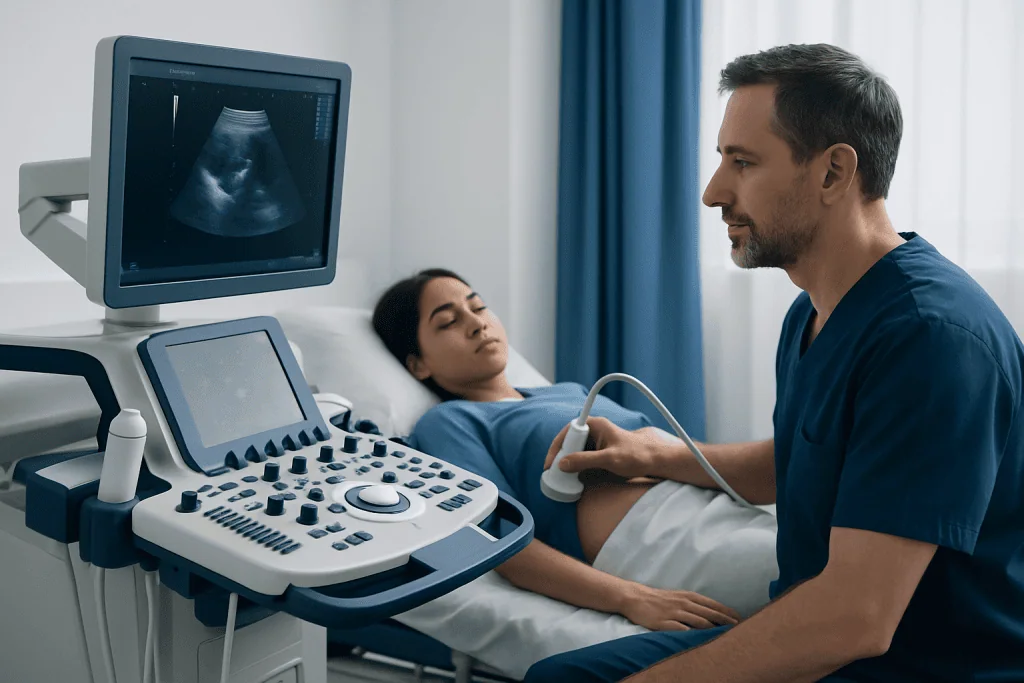
The effect on timing depends on the type of test and how urgent your treatment is. Some tests can be completed and reported on the same day, while others may require a short wait for preparation, specialist review, or scheduling. In many cases, the change is modest, but it is still helpful to expect some flexibility.
You may experience a later consultation, a rescheduled procedure time, or an extra overnight stay before treatment starts. If the results show that your original plan remains appropriate, the rest of your schedule may continue with only a small adjustment. If the results reveal a new consideration, your doctor may suggest modifying the procedure, postponing it briefly, or referring you to another specialist first.
For this reason, it is wise not to plan your trip too tightly. If possible, leave some buffer time before and after your expected treatment date. International patient coordinators can often help you reorganize appointments, transport, or accommodation if your plan changes unexpectedly.
- Simple lab work may cause minimal delay
- Imaging or cardiac clearance may require additional coordination
- Multidisciplinary review can add time but improves safety and planning
- Travel home may need adjustment if treatment dates move
What it can mean for cost and your quote

Unexpected tests can create additional costs, but the exact impact depends on what was included in your original quote or package. Some treatment plans already include routine pre-procedure assessments, while more specialized or newly indicated tests may be separate. The key is to ask for clarity as soon as a new test is suggested.
If a test is needed because your treating team requires more up-to-date or more detailed information, ask whether it is considered standard pre-treatment preparation or an extra item outside the original plan. You should also ask whether the new result could change the treatment itself, because that may affect not only the test cost but also the procedure, hospital stay, medication, or follow-up needs.
Acibadem International patient services can usually help explain your estimate in practical terms, including what is included, what may be additional, and when revised costs can be confirmed. This kind of transparency helps you make decisions without feeling rushed, especially if you are managing insurance paperwork, self-payment, or travel changes at the same time.
The most common reasons treatment plans change after testing
Sometimes the extra test simply confirms that everything can go ahead as planned. In other cases, it changes the clinical picture enough that your doctor recommends a different approach. That might mean adjusting the timing, changing the technique, asking another specialist to review your case, or deciding that a less invasive or more appropriate option is better.
This can feel disappointing if you have traveled expecting a fixed schedule. But in reality, it is often a positive sign that the team is tailoring care to your current needs rather than following a pre-set pathway. Safe treatment depends on current information, especially when you have a complex medical history, multiple medications, or a condition that may have changed since your last scan or report.
Typical triggers for a plan change include abnormal lab results, signs of infection, blood pressure or heart-related concerns, imaging findings that differ from earlier reports, or a specialist opinion that another assessment is needed first. When this happens, ask your team to explain the medical reason in plain language and what it means for your next few days.
How to prepare before you travel to Turkey
You cannot remove all uncertainty from medical travel, but you can reduce avoidable delays. The most helpful step is to send complete and recent medical records before you travel. That includes consultation notes, imaging reports, image files if requested, medication lists, allergy information, blood test results, and a summary of any chronic conditions or previous surgeries.
It also helps to ask practical questions before you confirm flights. Find out which tests are already expected on arrival, whether fasting may be required, how many days you should ideally stay in Istanbul or Turkey before treatment, and whether your quote includes standard pre-operative evaluation. If your condition is complex, ask whether a multidisciplinary review is likely.
Acibadem International often supports patients with pre-arrival coordination, interpreters, and travel logistics, which can make these steps easier to manage. Even with that support, give yourself some scheduling margin. Choosing flexible flights or accommodation terms, when possible, can reduce stress if an extra test changes your timetable.
- Send records early and in one organized file set
- Bring both digital and printed copies when possible
- Carry a current medication list with doses
- Ask what is included in the estimate and what may be additional
- Allow extra days in your travel plan if feasible
What to do if you are told you need another test after arrival
First, pause and get clear information. Ask what the test is for, how urgently it is needed, whether it changes your treatment date, and when the result is likely to be available. Most anxiety comes from uncertainty, so a short practical conversation can make the situation feel more manageable.
Next, ask for the logistics in writing if possible: where the test will happen, whether you need to fast, whether you should stop any medication, and who will call you with results. If your schedule may change, speak early with your international patient coordinator about accommodation, airport transfer timing, and any impact on your companion or family plans.
If cost is a concern, ask for an updated estimate before proceeding whenever time allows. You can also ask whether the new test is essential before treatment, whether there are alternatives, and whether your insurer needs prior approval. A reputable hospital team should be comfortable explaining both the medical purpose and the practical implications so you can make informed decisions.
How to stay calm and in control during plan changes
Unexpected changes are frustrating, especially when you have organized travel, time away from work, and family responsibilities. Try to separate the emotional reaction from the practical next step. In most cases, an extra test is being recommended to protect your safety or improve decision-making, not to create unnecessary delay.
It helps to keep one written list of questions and one person as your main point of contact. If you are receiving care through Acibadem International, the international patient services team can often coordinate communication between departments and help with interpretation, appointments, and travel-related adjustments. This reduces the risk of mixed messages when several things are happening at once.
Focus on the decisions you need today: what the test is, when it happens, when results come back, what may change, and what the revised plan looks like. Once you have those answers, the situation usually feels more structured and less overwhelming.
Step by step
- Ask why the test is needed. Request a simple explanation of what question the test is meant to answer. Knowing whether it is routine confirmation, a safety check, or a possible reason to change treatment helps you understand the urgency.
- Confirm the timing impact immediately. Ask whether your consultation, procedure, admission, or discharge date is likely to change. If the answer is not certain yet, ask when a clearer update will be available so you can manage your travel plans.
- Check the financial implications. Ask whether the test is included in your original quote or billed separately. If treatment may change based on the result, request an updated estimate covering the likely next steps.
- Clarify preparation requirements. Some tests require fasting, hydration, medication adjustments, or a companion. Make sure you know exactly what to do before the appointment so the test does not need to be repeated.
- Update your coordinator and companion. Tell your international patient coordinator and anyone traveling with you that the plan may shift. This makes it easier to adjust transport, hotel arrangements, work communication, and family expectations early.
- Keep your records together. Store new reports, images, invoices, and appointment notes in one place. This is useful if another specialist reviews your case or if you need documents later for insurance or follow-up at home.
- Ask for the revised care plan in plain language. After the result is available, ask what has been confirmed, what has changed, and what happens next. You should leave the conversation understanding your updated timeline, expected stay, and any new instructions.
Your checklist
- Bring recent medical reports, scans, and image files if available
- Carry a full medication and allergy list
- Ask before travel which pre-treatment tests are routinely expected
- Build buffer days into your stay if possible
- Choose flexible flights or accommodation when feasible
- Keep payment method, insurance documents, and passport accessible
- Save your patient coordinator’s contact details
- Write down key questions about timing, cost, and next steps
Key takeaways
- Unexpected tests in Turkey are often requested to confirm the safest and most appropriate treatment plan.
- The most common effects are short delays, schedule adjustments, or changes to the recommended treatment approach.
- Extra tests may create additional costs if they are outside your original quote or package.
- Good pre-travel preparation, complete records, and buffer days can reduce disruption.
- International patient coordinators can help you manage appointments, communication, and travel changes.
Frequently asked questions
Is it normal to need more tests after arriving in Turkey?
Yes, this can be normal in international care. Your treating doctor may want up-to-date information, in-person confirmation, or a safety check before proceeding with treatment.
Do unexpected tests always mean my treatment will be delayed?
Not always. Some tests are completed and reviewed quickly, causing little or no delay, while others may shift your procedure by a day or more depending on the type of test and the findings.
Will I have to pay extra for additional tests?
Possibly. It depends on what your original quote includes and whether the new test is considered routine pre-treatment assessment or an additional investigation outside the initial plan. Ask for a revised estimate before proceeding whenever possible.
What kinds of tests are most commonly added?
Common additions may include blood work, imaging, cardiac assessment, anesthesia clearance, or a specialist consultation. The exact test depends on your condition, history, medications, and the treatment being planned.
How can I reduce the chance of unexpected delays?
Send complete and recent medical records before travel, including reports and medication details. It also helps to allow buffer days in your itinerary and ask in advance which assessments are routinely performed on arrival.
What should I ask if a doctor recommends another test?
Ask why the test is needed, whether it changes your treatment date, when the result will be ready, and whether there will be extra cost. These questions help you understand both the medical reason and the practical impact.
Can Acibadem International help if my schedule changes?
International patient services can often help coordinate appointments, communication, interpretation, and practical travel-related adjustments. This support can be especially useful if your treatment plan changes while you are already in Turkey.
Add us as a Preferred Source to see more of our trusted health content across Google Search, AI Overviews and Discover.
More Patient Guides

At Acibadem, How to Send Medical Records Securely from Abroad
Send medical records securely from abroad by using encrypted portals, clear file names, and identity checks before sharing with Acibadem in Turkey.
9 min read
When Is an In-Person Evaluation Needed Before Treatment in Turkey?
In-person evaluation before treatment in Turkey is needed when exams, imaging, or specialist review must confirm the safest plan.
9 min read
How to Organize Your Medical Records for a Faster Review in Turkey
Medical records for treatment in Turkey should be clear, complete, and translated where needed to speed review in Istanbul or across Turkey.
9 min read