Spinal Cord Disorders: How Imaging, Surgery and Rehabilitation Are Matched to the Cause
Spinal cord disorders are treated according to their cause, not their symptoms alone. Imaging, usually MRI, first shows whether the cord is being compressed,…
Articles on the brain and nervous system: headaches, dizziness, numbness, memory concerns and common neurological conditions. Every piece flags the warning signs that need urgent medical attention rather than reading.
Spinal cord disorders are treated according to their cause, not their symptoms alone. Imaging, usually MRI, first shows whether the cord is being compressed,…
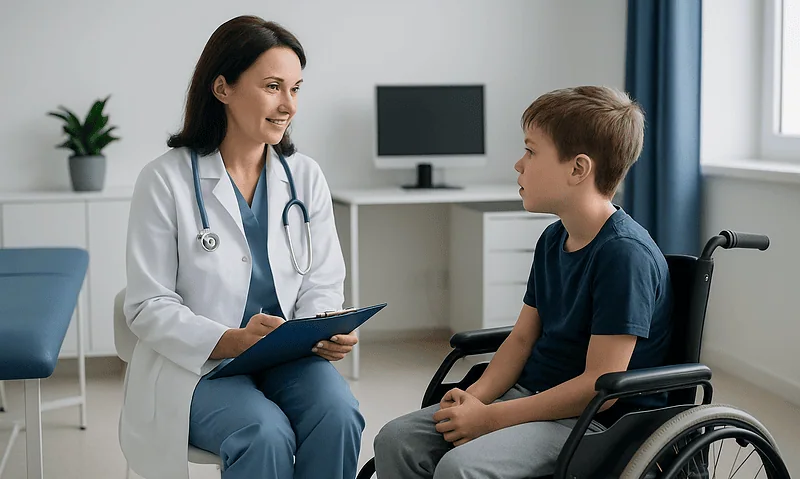
Preparing for a cerebral palsy assessment usually means gathering pregnancy, birth and newborn records, a list of your child's medical history and current concerns,…
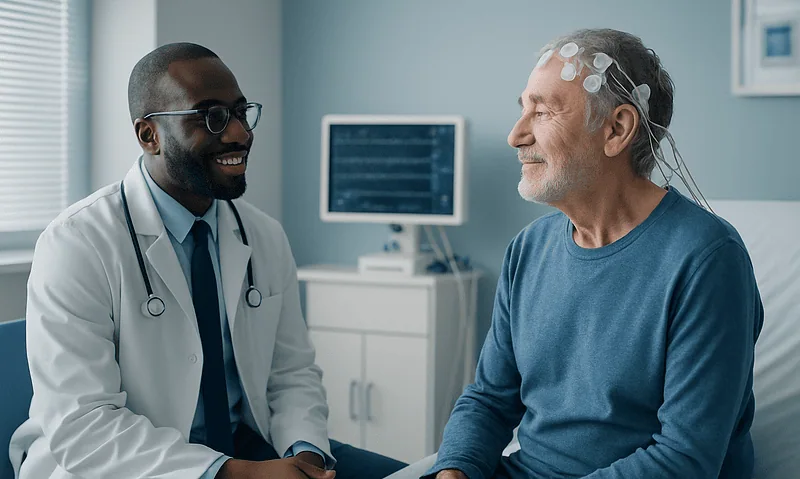
Video EEG monitoring records brain-wave activity and a synchronized video of the person for many hours or several days, so clinicians can see what…
Preparing for a craniotomy usually means a pre-operative assessment several weeks ahead, a carefully timed plan for any blood-thinning medicine set by the prescribing…
Yes, changing food and drink textures can make eating safer for many people with dysphagia, but only when the textures match a swallowing assessment.…
Family members support a stroke patient after discharge by following the swallowing plan set by the speech and language team, using only the food…
Before starting a disease-modifying therapy for multiple sclerosis, ask your neurologist how active your MS appears on MRI and clinically, why this class of…
Yes, FND is treatable. Functional neurological disorder is diagnosed by positive clinical signs, not only by ruling other conditions out, and treatment is tailored…
EMG and genetic testing pin down a neuromuscular disease diagnosis by working from different directions. Nerve conduction studies and EMG measure how nerves carry…
Neurosarcoidosis is inflammation from sarcoidosis affecting the brain, spinal cord or nerves. Because no single test confirms it, and scans and spinal fluid can…
Preparing for VNS surgery usually means three things: following the fasting instructions your anesthesia team gives you, keeping the skin on the left side…
At a narcolepsy follow-up, the most useful questions cover three areas: how often cataplexy, sleep paralysis or hallucinations are happening and what triggers them;…
Caring for someone with ALS means helping with the three functions the disease affects most: breathing, swallowing and speech. Families can learn safe positioning,…
Tension-type headache and migraine are treated differently because they arise differently. Tension-type headache is usually managed with simple pain relievers used sparingly, stress and…
Families support a stroke patient after discharge by keeping meals to the textures and fluid thickness the speech-language pathologist recommended, sitting the person upright…
Traumatic brain injury in older adults is managed more cautiously than in younger people because age-related brain shrinkage, blood-thinning medicines and unsteady balance raise…
Neurodegenerative disease diagnosis usually begins with a detailed history from the patient and someone who knows them well, a physical and neurological examination, and…
Peripheral neuropathy treatment results depend on the cause. Pain, sleep and balance often improve within weeks to a few months once the cause is…
Choose which cookies you allow. Essential cookies are always on because the site cannot work without them.