Rehabilitation in Motor Neuron Disease: How Physiotherapy Goals Are Adjusted Over Time
Rehabilitation in motor neuron disease does not aim to rebuild lost nerve cells; it aims to protect function, comfort, safety and independence for as…
Articles on the brain and nervous system: headaches, dizziness, numbness, memory concerns and common neurological conditions. Every piece flags the warning signs that need urgent medical attention rather than reading.
Rehabilitation in motor neuron disease does not aim to rebuild lost nerve cells; it aims to protect function, comfort, safety and independence for as…
Cerebrovascular disease is managed day to day by keeping blood pressure in the range your clinician sets, lowering LDL cholesterol (usually with a statin),…
Diabetic autonomic neuropathy treatment begins with keeping blood glucose, blood pressure and cholesterol within the ranges your care team sets, because steady glucose is…
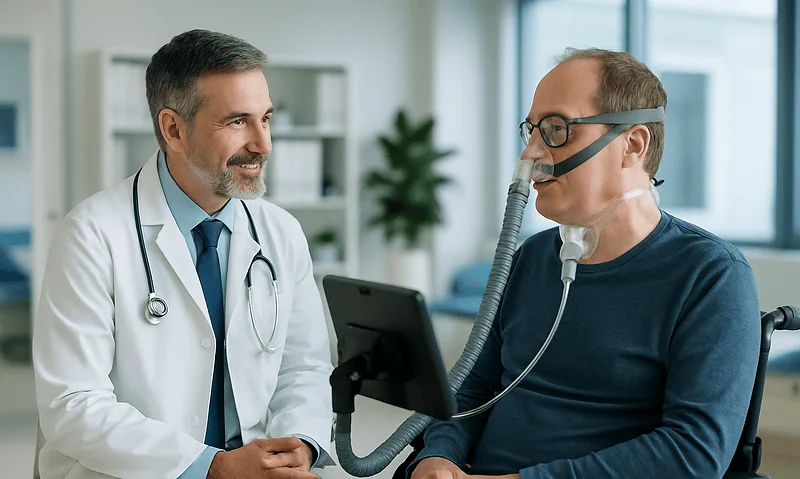
Non-invasive ventilation supports weakened breathing muscles through a mask, usually at night first, and in people with ALS whose speech and swallowing muscles are…
Daily life with Huntington's disease changes gradually as involuntary movements, thinking difficulties and mood changes affect eating, sleeping, planning and safety. Most people do…
After myelomeningocele repair, a newborn typically spends the first days in a neonatal intensive care unit lying on the tummy or side while the…
Selective dorsal rhizotomy (SDR) treats spasticity by cutting a portion of the sensory nerve rootlets in the lower spine that drive overactive stretch reflexes.…
Gamma Knife is a form of stereotactic radiosurgery that aims roughly 190 to 200 thin beams of gamma radiation from different angles at one…
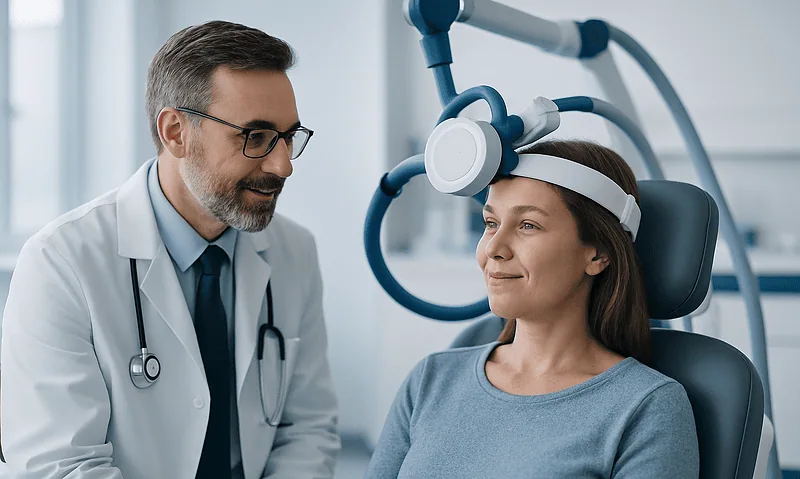
Transcranial magnetic stimulation is usually described as uncomfortable rather than painful. Most people feel a firm tapping or pecking on the scalp during the…
An aphasia assessment is a structured evaluation, usually led by a speech-language pathologist, that tests four language channels: speaking (fluency, naming, repetition), understanding spoken…
Most guidelines call insomnia chronic when trouble falling or staying asleep happens at least three nights a week for three months or more and…
Most people living with a VP shunt can work, exercise, swim, travel by air and have medical imaging, with a few standing precautions: tell…
Deep brain stimulation for essential tremor uses a thin electrode placed in the thalamus, connected to a small pulse generator under the skin, to…
Living with myasthenia gravis mostly means managing a fluctuating supply of muscle strength: pacing activity so demanding tasks fall in stronger hours, avoiding overheating…
Craniotomy recovery time depends heavily on why the surgery was done, but a hospital stay of roughly three to seven days is typical, skin…
Multiple sclerosis is treated on three fronts at once. Short courses of corticosteroids shorten a relapse, and plasma exchange is reserved for severe relapses…
The most common vagus nerve stimulation side effects are hoarseness or a changed voice, a tickling cough, throat discomfort, and mild shortness of breath,…
A sleep study for narcolepsy usually combines two tests over roughly 24 hours: an overnight polysomnogram that records brain waves, breathing, heart rate and…
Choose which cookies you allow. Essential cookies are always on because the site cannot work without them.