

After Endometriosis Surgery: What Is Normal, and Which Symptoms Mean a Call to Your Surgeon?

Key Takeaways
- Shoulder-tip pain after laparoscopy is referred from carbon dioxide gas irritating the diaphragm and typically fades within a day or two, according to NHS guidance.
- The NHS states that most people recover from a diagnostic laparoscopy within about 5 days, while surgery that treats endometriosis takes longer, commonly 2–6 weeks.
- Pain that steadily worsens, fever with chills, a red or leaking wound, heavy bleeding, inability to pass urine, a swollen painful calf, or chest pain are the signs that warrant a same-day call or emergency care.
- Surgical inflammation can mimic endometriosis pain for weeks, so most teams assess whether the operation helped at around three months rather than at the first follow-up.
- Adenomyosis, tissue within the muscle wall of the uterus, cannot be removed by pelvic laparoscopy and is a common reason for heavy, painful periods that persist after surgery.
- The WHO estimates endometriosis affects about 10% of reproductive-age women and girls, roughly 190 million people, and the NHS notes symptoms can return after surgery because the operation removes lesions, not the tendency to form them.
After endometriosis surgery, mild to moderate incision soreness, bloating, shoulder-tip pain from residual gas, fatigue and light vaginal bleeding are expected for several days to a few weeks. Warning signs that need a same-day call to your surgeon include fever or chills, pain that worsens rather than eases, a red, swollen or leaking wound, heavy bleeding, persistent vomiting, trouble passing urine, a swollen painful leg, or chest pain or breathlessness.
The discharge sheet is one page. The questions start on day two, usually around 3 a.m.: is this shoulder ache the gas they warned about, or something else? Is this spotting normal? Why does the left side hurt more today than yesterday? For many people recovering from laparoscopy for endometriosis, the hardest part is not the operation. It is learning to read a body that has just been rearranged a little, with no one in the room to translate.
This explainer is written for that stretch of time. It lays out what the research and major guideline bodies describe as the ordinary course of recovery, and it separates that from the after endometriosis surgery warning signs that genuinely merit a phone call. The aim is calm precision, not reassurance for its own sake.
One thing worth saying up front: you are not expected to diagnose yourself. Surgical teams would far rather take a call about a symptom that turns out to be nothing than miss one that mattered.
What actually happens during endometriosis surgery, and why it shapes your recovery
Endometriosis is a condition in which tissue similar to the lining of the womb grows outside it, most often on the ovaries, the ligaments behind the uterus, the bowel surface and the peritoneum, the thin membrane that lines the abdominal cavity. The World Health Organization estimates it affects roughly 10% of women and girls of reproductive age worldwide, about 190 million people.
Most operations are done by laparoscopy, keyhole surgery through two to four small cuts. The abdomen is inflated with carbon dioxide so the surgeon can see, a camera goes in near the navel, and instruments go through the other ports. Two techniques are used on the disease itself. Excision cuts each lesion out, including the root beneath the surface. Ablation destroys the lesion from the surface using heat or energy. Cysts on the ovary, called endometriomas, are usually drained and their wall removed. Adhesions, bands of scar tissue that glue organs together, may be divided.
Why does this matter for your recovery? Because the size of the external wounds tells you very little about what was done inside. A person with three tiny incisions may have had several hours of dissection around the bowel, the ureters (the tubes carrying urine from kidney to bladder) or the pelvic nerves. Raw peritoneal surfaces heal over days to weeks, and that internal healing, not the skin, drives most of the aching, bloating and fatigue.
The gas is the other recovery variable people underestimate. A small amount stays behind, rises under the diaphragm and irritates the phrenic nerve, which refers pain to the shoulder tip. The NHS lists this shoulder pain as a normal, temporary effect of laparoscopy that settles as the gas is absorbed, usually within a day or two.
Who is usually offered surgery, and who is asked to wait
Surgery is one tool among several, and guideline bodies describe it as a decision rather than a default. Mayo Clinic and the NHS describe three broad situations in which surgery is commonly considered: pain that has not responded to hormonal treatment or pain relief, a suspected endometrioma or deep lesion seen on ultrasound or MRI, and difficulty conceiving where endometriosis is a likely contributor. A diagnostic laparoscopy, in which the surgeon looks and takes a biopsy, may also be offered when imaging is inconclusive and the diagnosis would change management.
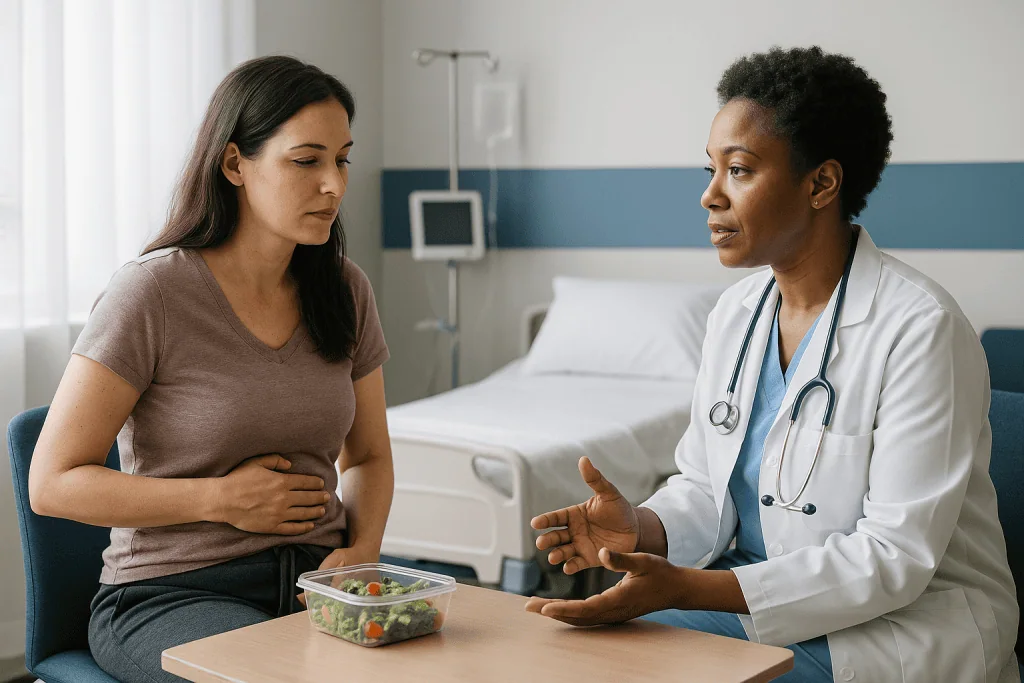
Who is asked to wait, or offered something else first? Several groups come up repeatedly in the guidance:
- People whose symptoms are controlled on hormonal medicine and who are not currently trying to conceive. Repeat operations carry cumulative scar tissue and small risks to ovarian reserve, so teams often prefer to hold surgery in reserve.
- People with a strong suspicion of adenomyosis (endometrial-type tissue within the muscle wall of the uterus itself), since laparoscopic excision of pelvic lesions does not treat the uterine wall.
- People whose pain pattern suggests a significant pelvic floor or nerve component, where physiotherapy or pain medicine specialists may be involved first or alongside.
- Anyone with an active infection, uncontrolled medical condition or recent pregnancy, where timing is adjusted for safety.
For fertility, the picture is nuanced. The NHS notes that removing lesions may improve the chance of pregnancy in some people, while for others assisted conception is a more direct route. Mayo Clinic frames the surgical decision for fertility as individual, weighing age, ovarian reserve and the partner’s fertility.
None of this is a verdict on who deserves surgery. It describes how teams weigh benefit against risk, and the right answer for you is the one reached with your own gynecologist, who knows your imaging and your history.
The first 72 hours: what is normal after endometriosis surgery
Most laparoscopies for endometriosis are day cases or involve one night in hospital. The first three days follow a recognizable pattern, and knowing it stops ordinary sensations from reading as alarms.
Expect the incisions to feel bruised and tight, particularly the one at the navel, which is often the largest. Coughing, laughing and getting out of bed will pull on them. Bloating is common; the abdomen may look visibly fuller than before surgery, and clothes with a waistband may be unwelcome. Shoulder-tip pain from residual gas typically peaks on day one or two and then fades, according to the NHS laparoscopy recovery guidance. Walking, warmth and gentle position changes help the gas disperse.
Fatigue can be out of proportion to the wounds. General anesthesia, the body’s inflammatory response to internal healing, disrupted sleep and reduced eating all contribute. Light-headedness on standing is common on day one and should improve with fluids and slow transitions.
A sore throat from the breathing tube, mild nausea, constipation from reduced mobility and some pain medicines, and small amounts of pink or brown vaginal discharge are all within the expected range. If a uterine manipulator was used (an instrument placed through the cervix to move the uterus during surgery), light spotting for a few days is typical.
Pain often has a second act. Days two and three can feel worse than the day of surgery as the anesthetic and any long-acting local block wear off, swelling peaks, and you start moving more. A gradual rise from a low baseline, in a person who is otherwise eating, passing urine and walking a little, is not the same as pain that escalates sharply or comes with fever. That distinction is the heart of the next section.
Weeks one to six: what recovery after endometriosis laparoscopy usually looks like
The NHS states that after a diagnostic laparoscopy most people can return to normal activities within about 5 days, and that recovery takes longer when the operation was used to treat a condition. For excision of moderate to severe endometriosis, surgeons commonly describe a 2–6 week window for returning to work and usual exercise, with the longer end for bowel or deep pelvic surgery. These are typical ranges from clinical guidance, not promises, and your team’s instructions override them.
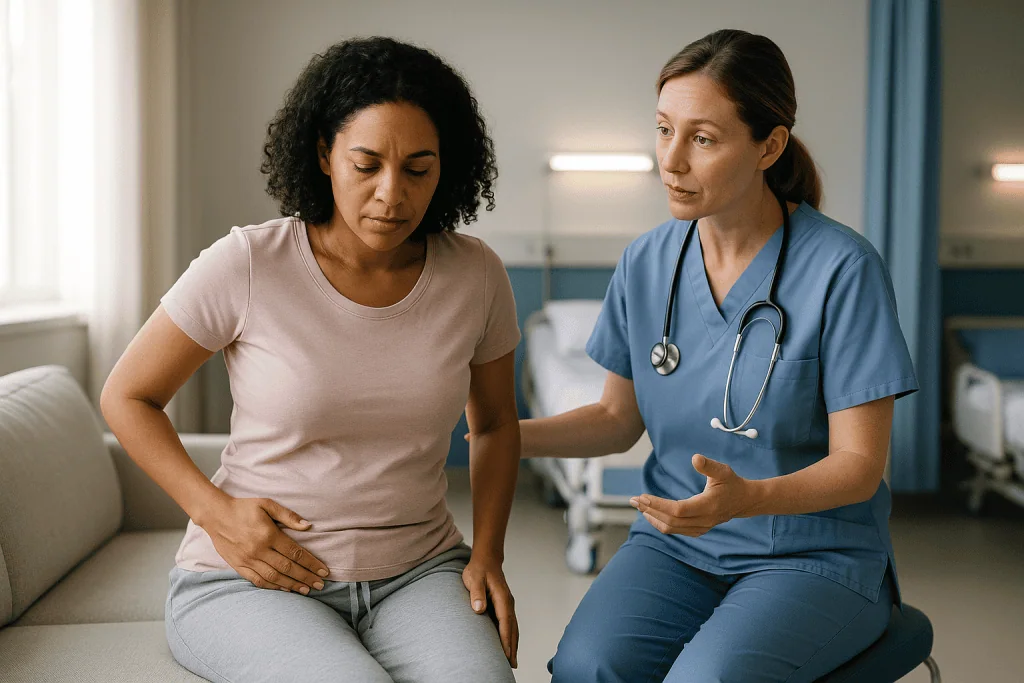
Week one is about the basics: short walks several times a day, fluids, fiber, and resting without lying still for hours. Movement reduces clot risk and helps the bowel wake up. Many people notice their energy returns in bursts followed by crashes; that pattern is normal and eases.
Week two usually brings easier movement and fading bruising around the incisions. Dissolvable stitches soften and fall away; glue peels off on its own. Internal pulling sensations when you twist or stretch are common and reflect tissue healing at the surgical sites.
Weeks three to six are when deeper healing is happening out of sight. Lifting restrictions, where given, typically run through this period because intra-abdominal pressure stresses the fascia (the tough layer beneath the skin that was cut at the port sites) before it has regained strength. The NHS advises against driving until you can perform an emergency stop without pain and recommends checking with your insurer.
Sexual activity is generally discussed individually. If the surgery involved the vagina, cervix or deep pelvic nodules, your surgeon will specify a waiting period; if not, comfort is usually the guide. Expect some tenderness the first few times.
Finally, the reason you had surgery, pelvic pain, may not improve on a neat schedule. Surgical inflammation can mask or mimic endometriosis pain for weeks. Most teams suggest judging the result at around three months, not three weeks.
After endometriosis surgery warning signs: the symptoms that need a same-day call
The after endometriosis surgery warning signs below are drawn from the NHS laparoscopy guidance and from standard surgical aftercare principles described by MedlinePlus and Mayo Clinic. They point toward complications that are uncommon but time-sensitive: infection, bleeding, injury to bowel or urinary tract, and blood clots.
Fever is the headline sign. A temperature that climbs and stays up, especially with chills, sweats or feeling generally unwell, needs assessment. The NHS also lists worsening rather than improving pain, pain that becomes severe, or pain that is not controlled by the medicine you were sent home with. Pain is expected; pain on a steeply rising trajectory is not.
Watch the wounds. Spreading redness, warmth, swelling, pus-like or foul-smelling discharge, or an edge that gapes open are signs of infection after laparoscopy and should be seen the same day. A small amount of clear or blood-tinged fluid in the first days is different and usually settles.
Abdominal signs that need urgent review include a belly that becomes rigid, markedly distended or exquisitely tender; persistent vomiting; inability to pass gas or stool combined with worsening pain; and new, severe pain when passing urine, blood in the urine, or being unable to urinate at all. These can indicate bowel or bladder involvement and are treated as emergencies.
Heavy vaginal bleeding, meaning soaking a pad an hour for more than an hour or two or passing large clots, is more than the expected spotting.
Two signs relate to clots and are emergency department matters, not a message to the clinic: a calf or thigh that becomes swollen, hot and painful, and any chest pain, sudden breathlessness or coughing up blood. Surgical teams sometimes check inflammatory markers such as C-reactive protein (CRP), a blood protein that rises with inflammation, when an infection is suspected; a normal early value is reassuring but never replaces a clinical examination.
Normal versus not normal: a side-by-side reference table
The table pairs each expected sensation with its concerning counterpart. The deciding features are almost always direction of travel (improving or worsening), intensity, and company (fever, vomiting, breathlessness). When in doubt, the right column wins and you make the call.
| Area | Usually expected | Call your surgeon or seek urgent care |
|---|---|---|
| Pain | Aching, pulling, tightness that fluctuates and trends down over days; shoulder-tip pain in the first 48 hours | Pain that steadily worsens, becomes severe, or is not eased by prescribed medicine; rigid or hugely distended abdomen |
| Temperature | Feeling warm or sweaty on day one after anesthesia, with a normal reading | Fever that persists or rises, chills, rigors, feeling generally unwell |
| Incisions | Bruising, mild redness at the edge, a little clear or pink fluid, itching as they heal | Spreading redness, heat, swelling, pus, foul smell, a wound that opens |
| Vaginal bleeding | Light spotting or brown discharge for several days to two weeks | Soaking a pad an hour, large clots, foul-smelling discharge |
| Digestion | Bloating, trapped wind, mild nausea, constipation for a few days | Persistent vomiting, no gas or stool with worsening pain, blood in stool |
| Urination | Mild stinging the first time or two after a catheter | Inability to pass urine, severe burning, blood in urine, flank pain |
| Legs and chest | Mild general stiffness from reduced movement | One swollen, hot, painful calf; chest pain, breathlessness, coughing blood: emergency |
| Energy and mood | Tiredness in waves, low mood or tearfulness in the first week | Confusion, fainting, or low mood with thoughts of self-harm |
A note on the last row. Emotional dips after any operation are common and well described, partly hormonal, partly the exhaustion of a long illness meeting a slow recovery. They deserve mention to your team, and persistent or frightening thoughts always deserve urgent help.
Bleeding, discharge, and your first period after laparoscopy
Vaginal bleeding after endometriosis surgery has two sources, and distinguishing them answers most of the worry. The first is mechanical: if a uterine manipulator was placed through the cervix, the cervix and lining may bleed lightly for a few days. The second is hormonal: anesthesia, stress and the interruption of regular medicine can nudge the cycle, so a period may arrive early, late or heavier than usual.
Light spotting or brown discharge for up to about two weeks sits within the expected range in most aftercare guidance. Bright red flow that soaks pads hourly, large clots, or discharge with a foul odor does not, and should be reported.
The first period after laparoscopy is a frequent source of alarm, and it is worth preparing for. Many people describe it as more painful than usual. Several mechanisms plausibly contribute: the uterus is contracting in a pelvis that is still inflamed; prostaglandins, the chemical messengers that drive menstrual cramping, are already elevated by surgical healing; and any hormonal medicine paused around surgery has not yet re-established control. A rough first cycle is common and does not mean the operation failed. By the second or third cycle most people have a clearer sense of their new baseline.
If you were started on hormonal treatment immediately after surgery, you may not have a period at all, or you may have unpredictable spotting for the first few months. Progestogen-based regimens in particular are known for irregular bleeding early on, as described by the NHS and Mayo Clinic. That pattern is a recognized side effect, not a sign of recurrence.
Where surgery included removal of the uterus, any bleeding beyond light discharge from the vaginal cuff in the first weeks should be discussed with the team, and heavy bleeding is urgent.
Why symptoms sometimes continue: adenomyosis, nerve pain and residual disease
A proportion of people feel no better three months after a technically successful operation, and the NHS states plainly that symptoms can return, particularly when some tissue remains. Rather than a single explanation, there are several, and sorting between them is the job of follow-up.
Adenomyosis is the one most often missed before surgery. The tissue sits inside the muscular wall of the uterus, so it cannot be excised laparoscopically from the pelvis. What does adenomyosis feel like? Johns Hopkins Medicine and Mayo Clinic describe heavy or prolonged periods, severe cramping that may begin before bleeding and last through it, a sense of pelvic pressure or heaviness, and tenderness of the uterus itself. Some people notice the lower abdomen looks fuller. Diagnosis rests on transvaginal ultrasound or MRI, sometimes with findings only recognized in retrospect. The two conditions frequently coexist.
Residual or recurrent disease is the second explanation. Deep lesions behind the uterus or on the bowel can be incompletely removed if they were not anticipated, and new lesions can develop over time under the influence of estrogen. This is one reason hormonal suppression is often discussed after surgery.
Central sensitization is the third, and the least visible. After years of pain, the spinal cord and brain can become more responsive to signals from the pelvis, so ordinary sensations register as pain even when the original source is gone. Pelvic floor muscles that have guarded against pain for years may stay tight, producing deep ache, pain with intercourse or urinary urgency. Physiotherapy and pain medicine approaches target these mechanisms directly.
Finally, other organs share the pelvis. Bladder pain syndrome, irritable bowel syndrome and musculoskeletal pain can overlap with endometriosis and persist independently. Persistent pain after surgery is therefore a reason to widen the diagnostic lens, not a sign that nothing more can be done.
Pregnancy after endometriosis surgery: what the evidence shows about likelihood and timing
Two questions dominate this topic: how likely is pregnancy after surgery, and how soon is it reasonable to try. Honest answers depend on why you had the operation and what was found.
On likelihood, the NHS states that surgery to remove endometriosis tissue may improve the chance of becoming pregnant, and Mayo Clinic describes conservative surgery, meaning removal of lesions while preserving the uterus and ovaries, as an option for people trying to conceive. Systematic reviews summarized by these bodies suggest the benefit is clearest for minimal to mild disease where lesions and adhesions were the main barrier. For people with large endometriomas or deep disease, the picture is more complex: removing cysts can relieve pain and improve access for egg collection but also carries a small risk of reducing ovarian reserve, the pool of remaining eggs. Specific pregnancy percentages are not quoted here because they vary widely by age, disease stage and partner factors, and no single figure applies to an individual.
On timing, there is no universal rule that you must wait a fixed number of months. Many teams suggest trying once you have recovered from surgery and feel well, because any fertility benefit from clearing lesions is thought to be greatest in the months soon after. Can you get pregnant one month after laparoscopy? Biologically, yes, if you are ovulating and were not started on hormonal medicine that suppresses ovulation. Whether it is advisable depends on your surgery: if the bowel, bladder or uterus was repaired, or if you were advised to take hormonal suppression first, your surgeon’s guidance takes precedence.
Where surgery was combined with a plan for assisted conception, the sequence is usually agreed in advance, and some people are advised to proceed to fertility treatment rather than wait for spontaneous pregnancy. Age is the single factor that most shapes that advice.
Hormonal treatment after surgery: what it does and why it is often suggested
Many people leave hospital with a conversation, if not a prescription, about hormonal medicine. Understanding the logic helps you take part in the decision rather than simply receive it.
Endometriosis lesions respond to estrogen, the hormone that drives the menstrual cycle. Each cycle, the tissue outside the womb thickens and bleeds much as the lining inside does, provoking inflammation and scarring. Hormonal treatments work by lowering estrogen exposure or by holding the tissue in an inactive state, which reduces this monthly stimulation. The main classes described by the NHS and Mayo Clinic are combined hormonal contraceptives, progestogen-only medicines in tablet, injection, implant or intrauterine form, and gonadotropin-releasing hormone (GnRH) analogues, which temporarily switch off the ovaries’ hormone production.
Why after surgery? Because operating removes what is visible, not the tendency to form new lesions. Suppressing the cycle afterward is intended to lower the chance that symptoms return and to extend the pain-free interval. The evidence summarized by these bodies supports that aim for people not trying to conceive, while acknowledging that symptoms often return when treatment stops.
Each class has a side-effect profile. Combined hormonal methods carry considerations around clot risk, migraine with aura and smoking. Progestogens frequently cause irregular bleeding early on and may affect mood or weight for some people. GnRH analogues produce a temporary menopause-like state with hot flushes and, over longer courses, effects on bone density, which is why they are usually time-limited or combined with low-level hormone replacement.
None of this is a recommendation to start, stop or change anything. Whether hormonal suppression suits you depends on your goals, your medical history and how you tolerated previous treatments. Those are questions for the prescribing clinician, ideally raised before surgery so the plan is ready when you wake up.
What people often get wrong about recovery after endometriosis surgery
Recovery forums are full of hard-won wisdom and a few persistent misunderstandings. These are the ones that most often cause unnecessary distress.
Small incisions mean a small operation. Keyhole access says nothing about what happened inside. Several hours of dissection near the bowel or ureter produces more internal healing than a diagnostic look, even though the skin looks identical. Judge your recovery by what your surgeon described, not by your scars.
If I still have pain at two weeks, the surgery failed. Surgical inflammation can mimic endometriosis pain for weeks. Most guidance suggests assessing the result at around three months.
Surgery removes endometriosis for good. The NHS is explicit that symptoms can return. Surgery treats what is present; it does not change the underlying biology. That is why longer-term plans, hormonal or otherwise, are part of the conversation.
A hysterectomy ends endometriosis. Removing the uterus treats adenomyosis and ends periods, but endometriosis lesions on the bowel, bladder or peritoneum can persist if not also removed, and estrogen from retained ovaries or hormone therapy can stimulate them. Mayo Clinic describes hysterectomy as an option for some people after other treatments, not as a guaranteed end point.
Rest is the best medicine. Gentle, frequent walking from day one reduces clot risk, helps the bowel recover and disperses gas. Bed rest beyond the first day tends to prolong stiffness and fatigue.
Pain after surgery means something was damaged. Complications are uncommon; healing, nerve sensitization, tight pelvic floor muscles and coexisting adenomyosis are far more frequent explanations for ongoing pain.
Everyone’s timeline should match mine. Disease extent, surgical technique, age, anesthesia response and what else is happening in your life all shape recovery. Comparing yourself to a stranger’s post is a reliable route to worry and an unreliable guide to anything else.
Follow-up after surgery: how often, and what happens if it has not helped
Follow-up is where the operation’s results are actually judged, and it tends to follow a predictable arc.
A first review commonly takes place somewhere between two and six weeks. Its purposes are practical: check the wounds, discuss the operative findings and any histology (the microscope examination of removed tissue that confirms the diagnosis), confirm any hormonal plan, and agree on return to work and activity. Bring your own notes on pain patterns, bleeding and bowel or bladder symptoms, because memory of a bad week fades quickly.
A second review around three months is where symptom response is usually assessed, since early inflammation has settled by then. If things are going well and your symptoms are stable, many services move to annual or as-needed review, with the understanding that you can return sooner if symptoms change. People on long-term hormonal treatment may be reviewed periodically for side effects. Imaging is not routinely repeated when you feel well; it is used when symptoms or examination suggest a change.
What if surgery has not helped? The honest first step is a structured reassessment rather than a second operation. Teams typically revisit the operative report to see whether all disease was removed; arrange imaging to look for adenomyosis or residual deep lesions; screen for pelvic floor dysfunction, bladder pain syndrome and bowel disorders; and consider whether pain has taken on a centrally sensitized character. Referral to pelvic health physiotherapy, a specialist pain service, or a multidisciplinary endometriosis center may follow.
Repeat surgery is sometimes appropriate, particularly where imaging shows a clear target, but each operation adds scar tissue and risk, so it is weighed carefully. Can you live well with endometriosis? The WHO notes that effective symptom management allows many people to live full lives, and that the most durable results come from combining approaches rather than relying on any single one.
Questions to ask your care team before and after endometriosis surgery
Good questions produce clearer discharge instructions and fewer midnight searches. Several of these are best asked before the operation; the rest belong at your first follow-up.
Before surgery, ask what the plan is if the disease turns out to be more extensive than expected, and whether bowel or bladder surgery is a possibility, since that changes your recovery timeline. Ask whether excision or ablation is intended and why. If fertility matters to you, ask how the operation might affect ovarian reserve and whether any fertility planning should happen first. Ask whether hormonal treatment is proposed afterward and what the alternatives are.
Immediately after, ask exactly what was found and removed, and whether anything was left behind deliberately. Request a copy of the operative report; it is your record and will matter if you move or seek a second opinion later. Ask how the wounds were closed and how to care for them. Clarify which pain pattern would be expected and which would prompt a call, and get the phone number and hours for the team, including out of hours.
At follow-up, ask whether the histology confirmed endometriosis, and whether imaging or examination suggests adenomyosis. Ask when you can judge the result and what the plan is if pain persists. Ask whether pelvic physiotherapy is appropriate for you. If you are trying to conceive, ask how long it is reasonable to try before seeking fertility review, given your age and findings.
Two more questions tend to be forgotten. First, who coordinates your care if several specialists are involved? Second, what should you do if symptoms return in a year or two: contact the team directly, or go back through your primary care doctor? Knowing the route in advance removes a layer of stress when you need it least.
When to call your doctor: red-flag signs after endometriosis surgery
Keep this list where you can find it. These signs come from NHS laparoscopy aftercare guidance and from general post-surgical red flags described by MedlinePlus and Mayo Clinic. Each one justifies contacting your surgical team the same day, or emergency services where indicated.
- A fever that is rising or persisting, chills or shaking, or feeling increasingly unwell.
- Pain that worsens rather than eases, becomes severe, or is not controlled by the medicine you were given.
- An abdomen that becomes hard, markedly swollen or very tender to touch.
- Persistent vomiting, or being unable to pass gas or stool together with worsening pain.
- Incisions that become increasingly red, hot, swollen, leaking pus or foul-smelling fluid, or that open up.
- Heavy vaginal bleeding soaking a pad an hour, large clots, or foul-smelling discharge.
- Inability to pass urine, severe burning when you do, blood in the urine, or pain in the side or back.
- A calf or thigh that is swollen, warm, red or painful, especially on one side.
- Chest pain, sudden breathlessness, rapid heartbeat or coughing up blood. Call emergency services; do not wait for the clinic to open.
- Fainting, confusion, or a racing pulse with light-headedness.
- Low mood that deepens rather than lifts, or any thoughts of harming yourself.
If you are unsure whether what you are feeling belongs on this list, that uncertainty is itself a reason to call. Surgical teams expect these conversations and are far better placed than any article to weigh your symptoms against what was done inside your pelvis. Every decision about investigation and treatment rests with them.
Frequently asked questions
What is the likelihood of getting pregnant after endometriosis surgery?
It depends on disease stage, age, ovarian reserve and partner factors, so no single figure applies to an individual. The NHS states that removing endometriosis tissue may improve the chance of pregnancy, with the clearest benefit in minimal to mild disease. For deep disease or endometriomas, surgery is weighed against possible effects on egg reserve, and fertility treatment may be advised alongside or instead.
Can you get pregnant 1 month after laparoscopy?
Biologically yes, if you are ovulating and not taking hormonal medicine that suppresses ovulation. Many teams suggest trying once you have physically recovered, because any fertility benefit is thought to be greatest in the months soon after surgery. If the bowel, bladder or uterus was repaired, or hormonal suppression was advised first, follow your surgeon’s specific guidance.
What does adenomyosis feel like?
Johns Hopkins Medicine and Mayo Clinic describe heavy or prolonged periods, severe cramping that may start before bleeding and continue through it, pelvic pressure or heaviness, a tender uterus and sometimes a fuller lower abdomen. Because the tissue sits within the uterine muscle, it is not removed by pelvic laparoscopy, which is why it is a common explanation for pain that persists after endometriosis surgery.
Can you live well with endometriosis?
Yes, many people do. The WHO notes that effective management of symptoms allows people to live full lives, though the condition is chronic and may need ongoing attention. The most durable results generally come from combining approaches, such as surgery, hormonal treatment, pelvic physiotherapy and pain management, rather than relying on one, with the plan adjusted over time with your care team.
What are the signs of infection after laparoscopy?
Spreading redness, warmth or swelling around an incision, pus-like or foul-smelling discharge, a wound that opens, and fever or chills are the main signs, according to NHS laparoscopy guidance. Pain that worsens rather than improves can also indicate infection inside the pelvis. A little clear or pink fluid in the first days is usually normal, but any of the signs above should be assessed the same day.
Is it normal for the first period after laparoscopy to be worse?
Many people report a more painful or heavier first period, and it does not mean the surgery failed. The uterus is contracting in a pelvis that is still inflamed, prostaglandin levels are raised by healing, and any paused hormonal medicine has not yet re-established control. By the second or third cycle most people have a clearer picture of their new baseline.
How long does recovery after endometriosis laparoscopy take?
The NHS states most people return to normal activities within about 5 days after a diagnostic laparoscopy, and that recovery is longer when endometriosis was treated. Surgeons commonly describe 2–6 weeks for excision, with the longer end after bowel or deep pelvic surgery. These are typical ranges, not promises; your own team’s instructions on lifting, driving and work take priority.
Why do I feel worse on day three than on the day of surgery?
Day two or three is often the low point. Long-acting local anesthetic wears off, swelling at the internal surgical sites peaks, and you are moving more. A gradual rise in soreness in someone who is eating, walking a little and passing urine is expected. Pain that escalates sharply, is severe, or comes with fever or vomiting is different and needs a call.
Does endometriosis come back after surgery?
It can. The NHS states that symptoms may return, particularly if some tissue remains, because surgery removes visible lesions rather than the underlying tendency to form them. This is why hormonal suppression is often discussed for people not trying to conceive, and why follow-up continues after a successful operation. Return of symptoms is a reason to reassess, including for adenomyosis, not a sign that options are exhausted.
How often should I follow up if my symptoms are stable after surgery?
A first review commonly happens within a few weeks to check wounds and discuss findings, with a second around three months to judge symptom response. If you are stable, many services then move to annual or as-needed review, with an open door if symptoms change. People on long-term hormonal treatment may be checked periodically for side effects. Your team sets the schedule based on your findings.
References
- NHS: Endometriosis, treatment
- World Health Organization: Endometriosis fact sheet
- MedlinePlus: Pelvic laparoscopy
This article is for general information only and is not a substitute for professional medical advice. Please consult a qualified doctor about your individual situation.

More from the Blog
Does a Hysteroscopy Hurt? Anesthesia Options and Managing Cramping Afterward
Hysteroscopy is often described as uncomfortable rather than severely painful, most commonly as cramping similar to strong period pain while the thin scope passes…
Which Questions Help You Understand a PCOS Plan? Cycles, Skin and Future Fertility
The most useful questions about a PCOS plan ask what the plan is for, since PCOS is managed by goal rather than by a…
Hysteroscopic Fibroid Removal: Treating Fibroids Inside the Uterine Cavity Without Incisions
Hysteroscopic fibroid removal, also called hysteroscopic myomectomy, treats fibroids that grow into the uterine cavity by passing a thin camera and cutting instrument through…
Ovarian Cysts and Back Pain: Why the Lower Back Hurts
Yes, ovarian cysts can cause back ache. A cyst on an ovary can press on nearby tissue or send pain along shared nerve pathways,…

Period Pain Relief: Evidence-Ranked Options Beyond Just Rest
The best-supported options for period pain relief are over-the-counter anti-inflammatory pain relievers started at the first sign of cramps, continuous low-level heat on the…

Fibroids After 40: How Age and Approaching Menopause Change the Treatment Discussion
Fibroids after 40 are usually treated according to symptoms, not age alone. Because fibroids depend on estrogen and progesterone, many shrink after menopause, so…