

Low Blood Counts During Lymphoma Treatment: Precautions and the Symptoms That Need a Call

Key Takeaways
- Neutropenia is generally defined as fewer than 1,500 neutrophils per microliter, and infection risk rises steeply below 500, per the Mayo Clinic.
- Chemotherapy-related counts typically hit their low point about a week to twelve days after each dose, so the second week of a cycle is the highest-risk window.
- A single temperature of 100.4°F (38°C) or higher in someone with neutropenia is an emergency requiring an immediate call, even if you feel well.
- Most infections during neutropenia come from the person's own gut, skin and mouth bacteria, which is why hand washing, mouth care and skin care outweigh isolation.
- Strict neutropenic diets have not been shown to prevent infection compared with ordinary food safety such as cooking meat thoroughly and washing produce.
- Anti-CD20 antibody therapy depletes B lymphocytes for months after treatment ends, so vaccine timing and infection precautions often extend well beyond the last cycle.
Lymphoma chemotherapy and some immunotherapies temporarily lower white cells, platelets and red cells, and the infection risk usually peaks about one to two weeks after each cycle. Call your care team immediately, day or night, for a temperature of 100.4°F (38°C) or higher, shaking chills, confusion, breathlessness, unusual bleeding, or feeling suddenly unwell, even without fever.
The thermometer reads 100.6. It is eleven at night, day nine after the second cycle, and the person holding it feels mostly fine: a little tired, a faint scratch in the throat, nothing that would ordinarily justify a phone call. That small hesitation, the urge to wait until morning, is the moment this article is written for.
Anyone going through lymphoma treatment hears early on that their blood counts will drop and that they must watch for infection. What they hear less often is why a modest fever matters so much, which household precautions are grounded in evidence and which are folklore, and how to judge lymphoma treatment infection risk when to call is the whole question. Chemotherapy does not remove the body’s ability to fight germs; it dims the alarm system that tells you a fight has started.
What follows is the honest version: what happens to the marrow, what the days after a cycle typically look like, and the short list of signs that should never wait until morning.
What does "low blood counts" actually mean during lymphoma treatment?
Blood is made in the marrow, the spongy tissue inside the bones, and the marrow is one of the fastest-dividing tissues in the body. That speed is exactly why it takes collateral damage from chemotherapy, which is designed to hit rapidly dividing cells. Lymphoma cells divide quickly; so do the parent cells that make your blood.
Three cell lines are affected. White blood cells fight infection, and the most important subtype here is the neutrophil, the frontline cell that swarms bacteria within hours. Platelets are tiny fragments that plug leaks in blood vessels so you stop bleeding. Red blood cells carry oxygen using a protein called hemoglobin, and when they fall the result is anemia, which you feel as fatigue and breathlessness.
Doctors watch the absolute neutrophil count, usually shortened to ANC. According to the Mayo Clinic, neutropenia in adults is generally defined as fewer than 1,500 neutrophils per microliter of blood, and the risk of serious infection climbs sharply once the count falls below 500. That lower band is what your team means when they say “profoundly neutropenic.”
Here is the part people rarely hear explained. Neutrophils do not just kill bacteria; they generate much of the inflammation you recognize as illness. The redness around a cut, the pus, the swelling of a sore throat: those are neutrophils at work. With very few of them, an infection can take hold quietly, without the usual local signs. Fever often becomes the only visible signal, which is why treatment teams treat a modest temperature with a seriousness that can feel disproportionate until you understand the mechanism.
Lymphoma treatment infection risk: when to call, and why the day of the cycle matters
Infection risk is not spread evenly across a treatment cycle. Counts fall in a predictable curve, and knowing where you are on that curve changes how you interpret a symptom.
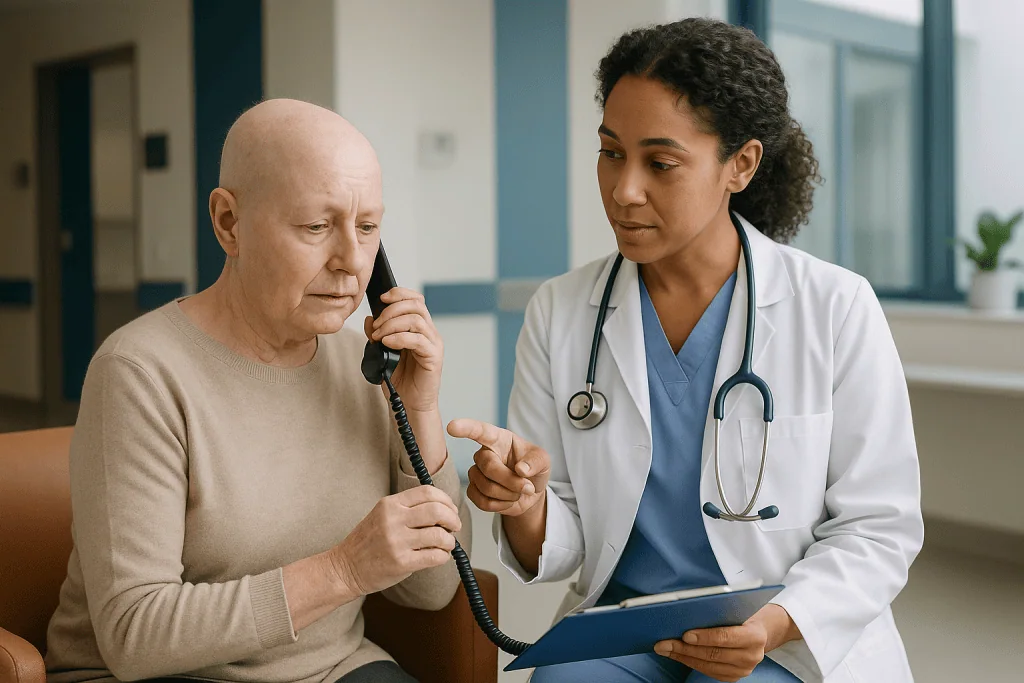
Most standard lymphoma chemotherapy regimens run on cycles of two or three weeks, as the NHS overview of non-Hodgkin lymphoma treatment describes, with a treatment day followed by a rest period in which the marrow recovers. Immediately after infusion, counts are usually still near normal. Over the following week they slide toward the low point, called the nadir. The Cleveland Clinic notes that chemotherapy-related neutropenia typically develops about a week to twelve days after treatment, which is why the second week of a cycle is when most neutropenic fevers happen.
The practical consequence is simple. A sniffle on day two carries different weight from a sniffle on day ten, because on day ten your ability to contain it is at its lowest. Many teams give patients a printed calendar marking the expected nadir window; if yours does not, ask. Counts then recover toward the next cycle, and if they have not recovered enough, the next dose may be delayed, which is a safety decision rather than a setback.
The phone rule does not change with the calendar, though. A fever of 100.4°F (38°C) or higher warrants an immediate call at any point in the cycle, because the timing of the nadir is a typical range, not a guarantee, and some regimens or prior treatments push it earlier or deeper. When in doubt about where you are in the cycle, call anyway. The oncology line exists to be used at inconvenient hours.
What do the days after a chemotherapy cycle usually look like?
Picture a three-week cycle as three distinct phases with different jobs.
The first few days are dominated by the drugs themselves: nausea, taste changes, sleep disruption from steroids if they are part of the regimen. Counts are still adequate. Hand hygiene matters, but you are not yet at the fragile point.
The middle stretch, roughly days seven to fourteen, is the nadir window described by the Cleveland Clinic. Fatigue often deepens here because red cells and platelets are also dipping. This is the period when a temperature check twice a day is worth the small effort, and when a fever triggers the immediate call. Some people receive an injection of a growth factor, a granulocyte colony-stimulating factor, which signals the marrow to release neutrophils sooner and shortens the time spent at the lowest counts; whether you receive one is a decision for your prescribing team based on your regimen and history.
The final stretch is recovery. Energy usually lifts, mouth soreness settles, and a blood test before the next cycle confirms whether counts are high enough to proceed. The NHS notes that treatment is planned around these rest periods precisely so the body can recover between doses.
Two caveats keep this honest. First, the pattern flattens over successive cycles for some people: the marrow has less reserve, so the nadir can arrive earlier or last longer. Second, radiotherapy to large areas of bone, or a stem cell transplant, produces a different and usually longer count depression. Your team will tell you which pattern applies to you, and the range above is a typical picture rather than a promise.
Who is at highest risk, and why treatment is sometimes paused
Not everyone with lymphoma carries the same infection risk, and treatment teams stratify patients rather than treating them identically.
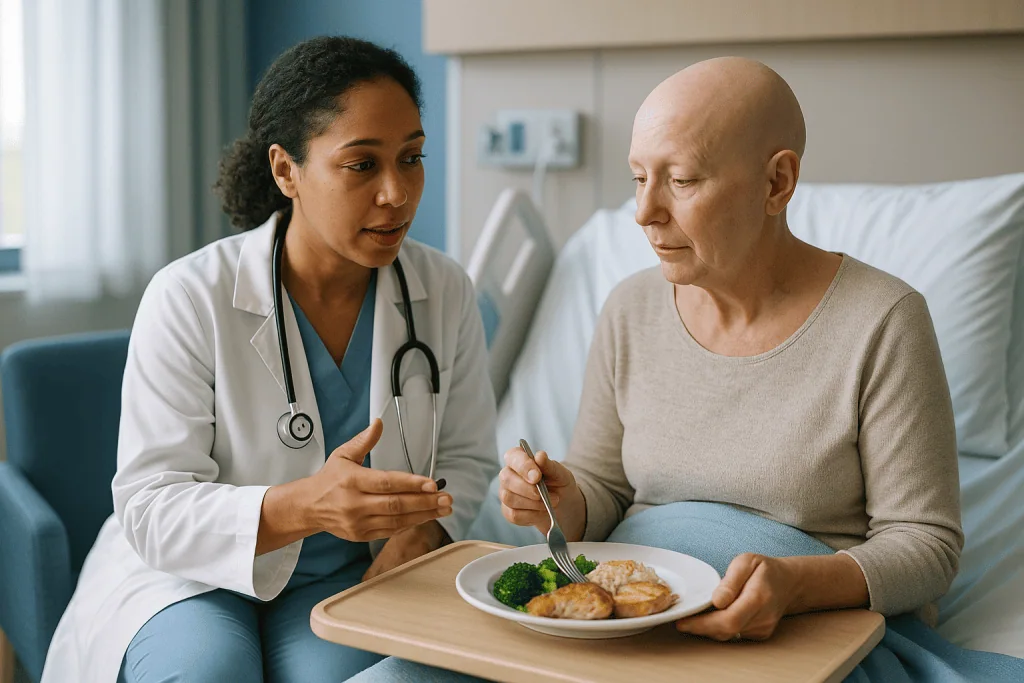
Risk tends to be higher for people over 65, those who have had several prior lines of chemotherapy, anyone with lymphoma involving the bone marrow itself, and people with other conditions such as diabetes, kidney disease or chronic lung disease. Regimens differ too: some are built to be intensive and predictably cause deep neutropenia, while others are gentler on the marrow. The Cleveland Clinic also lists poor nutrition and existing infections as factors that worsen neutropenia’s consequences.
Lymphoma adds a layer that other cancers do not. The disease itself is a cancer of lymphocytes, the immune cells that make antibodies and remember past infections, so some degree of immune weakness may exist before the first dose. Antibodies against CD20, a marker on B lymphocytes, deplete healthy B cells alongside cancerous ones, and this effect can outlast the chemotherapy by many months, leaving a person less able to make new antibodies even when their neutrophil count looks normal.
This is why your team sometimes asks you to wait. If a pre-cycle blood test shows the neutrophil or platelet count has not recovered, the dose may be delayed, reduced, or supported with a growth factor. If you have an active infection, treatment is generally held until it is controlled, because adding chemotherapy to an uncontrolled infection compounds the danger. People also tend to be asked to postpone dental work, tattoos and elective procedures during treatment.
None of these pauses reflects a judgement about how well the treatment is working. They are the team protecting the one organ, the marrow, that has to survive the whole course. The decision on timing and dose always sits with the prescribing clinician.
The three counts side by side: what low means and what you might notice
Patients often receive a printout of numbers with little translation. This table pairs each cell line with the everyday signs that low values produce and the kind of response teams typically consider. Reference ranges are those given by the Cleveland Clinic and Mayo Clinic for neutrophils; platelet and hemoglobin thresholds vary by laboratory and by your team’s protocol, so treat them as orientation, not targets.
| Cell line | Job | What “low” is generally called | What you might notice | What teams commonly consider |
|---|---|---|---|---|
| Neutrophils | First response to bacteria and fungi | Neutropenia: below 1,500/µL; severe below 500/µL | Often nothing until fever; sometimes chills, sore mouth, burning on urination | Fever protocol, blood cultures, prompt antibiotics, sometimes growth factor |
| Platelets | Plug bleeding vessels | Thrombocytopenia: below the lab’s normal range | Easy bruising, nosebleeds, pinpoint red dots, bleeding gums | Bleeding precautions; transfusion at thresholds set by the team |
| Red cells / hemoglobin | Carry oxygen | Anemia | Fatigue, breathlessness on stairs, dizziness, pale skin | Monitoring, iron or other causes checked, transfusion if symptomatic and low |
Two things stand out. The neutrophil row is the only one where the warning sign is a number on a thermometer rather than something you can see or feel, which is why fever gets its own rules. And the platelet row reminds you that bleeding, not just infection, needs a call: a nosebleed that will not stop after firm pressure for a sustained period, or blood in urine or stool, belongs on the same emergency footing as fever.
Keep your most recent counts written down. Knowing whether you were neutropenic at the last check gives whoever answers the phone a head start.
Neutropenia during chemotherapy: everyday precautions that are actually evidence-based
Advice sheets for neutropenic patients are long, and length dilutes the message. The measures with the strongest support are unglamorous.
Hand washing sits at the top, and it belongs there. Soap and water for about twenty seconds, or an alcohol-based rub when hands are not visibly dirty, before eating, after the bathroom, after touching shared surfaces, and, importantly, by everyone who visits you. Most infections in neutropenic patients are caused by the person’s own bacteria, from the gut, skin and mouth, rather than caught from others, which is why the next two items matter as much as avoiding sick people.
Mouth care is the second. Chemotherapy inflames the lining of the mouth and gut, and cracks in that lining are the route by which gut bacteria enter the bloodstream. A soft toothbrush after meals, gentle salt-water or bland rinses if your team recommends them, and prompt reporting of mouth ulcers or pain on swallowing all reduce that entry point.
Skin is the third. Every cut, scratch, blister and hangnail is a door. Wear gloves for gardening and dishes, use an electric razor rather than a blade, keep skin moisturized so it does not crack, and clean small wounds immediately. Ports and central lines get their own section below.
Temperature monitoring is the fourth: check twice daily during the nadir window and whenever you feel off. Use an oral or ear thermometer; rectal readings are avoided because they can tear the lining of the bowel.
Vaccination is the fifth and most overlooked. Inactivated vaccines such as the annual flu shot are generally recommended for people on treatment, timed by the team, and household contacts should be up to date too. Live vaccines are usually avoided during treatment. Ask before any vaccine, including travel vaccines, rather than assuming.
Chemo infection precautions at home: food, pets, plants and crowds
This is where mythology and evidence part company most sharply, so it is worth being precise about what the evidence supports.
Food safety is strongly supported; the so-called “neutropenic diet” is not. Older protocols banned fresh fruit, salad and yogurt for weeks. Studies comparing strict neutropenic diets with ordinary food-safety practice have not shown that the strict diet prevents infections, and it costs people nutrition and pleasure at a time they can least afford to lose either. What does hold up is the standard hygiene everyone should follow: cook meat, poultry, eggs and seafood thoroughly; avoid unpasteurized milk, cheese and juice; wash raw produce well and skip anything you cannot wash, such as sprouts; keep raw and cooked food separate; refrigerate leftovers promptly and do not eat them after a few days. Your team may add restrictions during a transplant or very prolonged neutropenia; follow their version.
Pets can usually stay. The evidence supports keeping your existing dog or cat while delegating the tasks that carry risk: someone else changes litter boxes, cleans cages, aquariums and bird droppings, and scoops after the dog. Avoid new pets, reptiles, and being licked on broken skin. Wash hands after handling animals.
Plants and soil carry mold spores, which matter mainly to people with prolonged, deep neutropenia. Wearing gloves for gardening and asking someone else to repot houseplants is a reasonable middle path; fresh flowers on the table are generally fine unless your team says otherwise.
Crowds are a matter of proportion. You do not need to live in a sealed room, but the nadir window is a poor time for packed indoor spaces, and anyone with a cough, cold, stomach bug or recent shingles should postpone their visit. A well-fitting mask in waiting rooms and on public transport is a reasonable, low-cost habit during those days.
Neutropenic fever symptoms: why a modest fever is treated as an emergency
The single most important number in this article is 100.4°F, or 38°C. The Cleveland Clinic and the Mayo Clinic both give this as the threshold at which a person with neutropenia should seek immediate medical attention. Some teams use a slightly different rule, such as a lower temperature sustained over an hour; use the threshold on your own alert card if it differs.
Why so low, when a healthy adult would shrug off 100.4 and go to bed? Because in a person with very few neutrophils, fever may be the first and only sign of bacteria multiplying in the blood, and that situation, called febrile neutropenia, can progress to sepsis within hours rather than days. Emergency departments and oncology units run a standard pathway for it: blood cultures drawn, intravenous broad-spectrum antibiotics started quickly, usually within the first hour of arrival, and the source hunted for afterward. Acting first and confirming later is the correct order here.
Fever is not the only cue. Shaking chills, especially if they come on suddenly, can precede the temperature rise. Feeling cold and clammy, a racing heart, fast breathing, dizziness on standing, new confusion or unusual drowsiness, and a general sense of being much more unwell than an hour ago are all treated with the same urgency, with or without a documented fever. Steroids in some regimens can blunt fever entirely, which is why “feeling suddenly terrible” earns a call on its own.
Two behaviors undermine the system. The first is taking a fever-reducing medicine before checking your temperature, which can hide the signal; ask your team how they want you to handle pain relief during the nadir. The second is driving yourself. If you are shaking, faint or confused, call emergency services rather than getting behind the wheel.
Can you get sepsis from lymphoma?
Yes, and understanding how removes some of the fear from the word. Sepsis is not a germ; it is the body’s own response to an infection spiraling into something that damages organs. The NHS describes it as a life-threatening reaction to infection that needs treatment in hospital straight away. Lymphoma raises the risk in two ways: the disease weakens the lymphocyte arm of immunity, and treatment temporarily strips the neutrophil arm. An ordinary urinary infection or a chest infection that a healthy person would fight off can, in that setting, spread into the bloodstream.
The signs the NHS lists for adults are worth memorizing, because they are the same signs your oncology team wants to hear about: acting confused or slurring speech; blue, gray, pale or blotchy skin, lips or tongue; a rash that does not fade when a glass is rolled over it; difficulty breathing or breathing very fast. In someone on chemotherapy, add fever of 100.4°F or higher, shaking chills, and passing much less urine than usual. Any one of these is enough to call emergency services or go directly to the emergency department, stating clearly that you are on chemotherapy for lymphoma.
The Mayo Clinic notes that sepsis treated early with antibiotics and fluids has a far better outlook than sepsis recognized late, which is the entire rationale for the fever rule. The system is designed around early calls, not heroic late rescues.
It is also fair to say what sepsis is not. It is not inevitable, and most people complete lymphoma treatment without it. Many will have at least one fever assessment, spend a night or two receiving antibiotics, and go home. That is the pathway working as intended, not a sign that something has gone badly wrong.
Low platelets and anemia: the other two counts that need watching
Infection gets most of the attention, but the same marrow suppression lowers platelets and red cells, and each has its own set of precautions and warning signs.
Platelets fall on a similar timeline to neutrophils. When they are low, the body bruises and bleeds more easily and stops bleeding more slowly. Sensible precautions during the nadir window include using a soft toothbrush and avoiding flossing if gums bleed, using an electric razor, blowing your nose gently, avoiding constipation with fluids and fiber so you are not straining, and skipping contact sports or activities with a real fall risk. Ask your team before taking any over-the-counter pain reliever; several common ones interfere with platelet function, and the team will tell you which are acceptable for you. Signs that need a same-day call include nosebleeds that do not stop after firm pressure for a sustained period, bleeding gums that will not settle, pinpoint red dots appearing on the skin, blood in urine or black or bloody stool, and any bruise that appears without an injury. A severe headache, sudden vision change or new weakness in someone with low platelets is an emergency, because it can signal bleeding in the brain.
Anemia builds more gradually because red cells live for around four months, so hemoglobin drifts down over cycles rather than crashing after each one. The sensation is a heavy, unearned tiredness, breathlessness on stairs, a pounding heart, dizziness on standing and difficulty concentrating. Pacing, gentle daily activity and protein-rich food help most people cope; the team monitors hemoglobin and may check iron or vitamin levels. Transfusion is considered when hemoglobin is low enough and symptoms are significant; the threshold is a team decision. Chest pain, fainting or breathlessness at rest should never be attributed to “just anemia” without a call.
Ports and central lines: keeping the most common entry point clean
Many people with lymphoma receive chemotherapy through a central venous device: an implanted port under the skin of the chest, or a catheter that exits through the skin of the arm or chest. These spare the veins in the arm and make blood draws easier, but they are also a direct highway from the outside world to the bloodstream, and line infections are among the most common causes of hospital admission during treatment.
The precautions are specific rather than vague. Keep the dressing clean, dry and intact, and let the nurse change it on schedule using sterile technique rather than improvising at home. Cover an external line for showering according to the instructions you were given, and avoid swimming, hot tubs and soaking baths while an external line is in place; a healed, fully implanted port is usually a different matter, and your team will tell you when water contact is acceptable. Never let anyone who has not been trained use, flush or clamp the line. Wash your hands before touching the dressing area at all.
Watch the site daily. Redness spreading beyond the dressing edge, warmth, swelling, tenderness, pus or oozing, a foul smell, or pain when the line is flushed are all reasons to call the same day. Fever or chills that begin shortly after the line is flushed or used are a particularly strong clue that the line itself is infected and warrant an immediate call, because the treatment may involve removing it.
Two less obvious signs deserve mention. Swelling of the arm, neck or face on the side of the line, or new prominent veins on the chest, can mean a clot has formed around the catheter; this is not an infection but still needs prompt assessment. And a line that will not flush should never be forced. Call, and let the team sort it out.
How serious is an infection during chemo, and does immunotherapy change the picture?
People asking this online usually want a straight answer, so here is one: an infection during the neutropenic phase of chemotherapy is potentially serious enough that it is treated as an emergency until proven otherwise, and with that approach most episodes are controlled. The seriousness lies in what happens if it is ignored, not in the inevitability of a bad outcome.
Newer lymphoma treatments shift the risk profile rather than removing it. Anti-CD20 antibodies, a class that includes rituximab and is used in many lymphoma regimens, deplete B lymphocytes for months, which lowers antibody production and can reactivate dormant viruses such as hepatitis B; that is why teams screen for hepatitis before starting and may prescribe an antiviral to prevent reactivation. It also means vaccine responses can be weaker for a period after treatment, a reason to time vaccines with your team rather than the pharmacy calendar.
Cellular therapies that re-engineer a person’s own T cells to attack lymphoma introduce their own early complications, including a fever-driven inflammatory reaction in the days after infusion that is monitored closely and is not the same as infection, although the two can look alike and are often treated in parallel. Longer-lasting low counts and prolonged B-cell depletion follow, so infection precautions typically extend for many months afterward. Checkpoint-inhibitor immunotherapies, used in some Hodgkin lymphoma settings, do not usually suppress the marrow but can cause inflammation of the lungs or bowel that mimics infection.
The NHS notes that treatment choice depends on lymphoma type, stage and the person’s general health, and the infection-prevention plan is built around that choice. Ask your team which parts of this picture apply to your regimen, how long your heightened-risk period is expected to last, and whether preventive antibiotics or antivirals are part of your plan. Those are prescribing decisions for them, and good questions for you.
What people often get wrong about infection risk and lymphoma
Several beliefs circulate widely enough to deserve direct correction.
“I feel fine, so the fever can wait until morning.” This is the most dangerous one. Neutropenic patients often feel fine at the moment the thermometer reads 100.4, because the very cells that make you feel ill are missing. Feeling fine is not reassurance; the number is the signal.
“Infections come from other people, so isolation is the answer.” Most infections in neutropenia arise from bacteria already living in the person’s own gut, skin and mouth. Avoiding sick visitors helps, but hand hygiene, mouth care and skin care do more, and total isolation harms mood and nutrition without a matching benefit.
“Fresh fruit and salad are forbidden.” Strict neutropenic diets have not been shown to prevent infection compared with ordinary food safety. Wash produce well and follow your team’s specific instructions, which may be tighter during a transplant.
“Is lymphoma one of the worst cancers to get?” The question misunderstands the disease. Lymphoma is not one cancer but dozens of subtypes with very different behaviors, from slow-growing forms managed over many years to fast-growing forms treated intensively with the aim of control. The MedlinePlus lymphoma overview describes this range. Ranking cancers as “worst” helps no one; your subtype, stage and treatment plan are what matter, and your team can explain them.
“How long until lymphoma spreads?” There is no stopwatch. Lymphoma is a disease of the lymphatic system, which runs throughout the body, so it is staged differently from solid tumors, and speed varies enormously by subtype. Staging scans at diagnosis, not a countdown, tell your team where it is.
“A delayed cycle means the treatment is failing.” A delay for low counts is a marrow-protection decision, unrelated to how the lymphoma is responding.
Questions to ask your care team before the first cycle
The best time to learn the rules is before you need them, ideally at the treatment planning visit with a notebook in hand. These questions tend to produce the most useful answers.
- What is my fever threshold, exactly, and which number should I call at each hour of the day and night? Is there a separate emergency line, and what should I say when I ring?
- On which days of my cycle are my counts expected to be lowest, and can you mark that on a calendar for me?
- Will I receive a growth factor injection, and if so, when, and what side effects should I expect from it?
- Am I being prescribed any preventive antibiotics, antivirals or antifungals, and how long will I take them?
- Which over-the-counter medicines are acceptable for pain or fever during the nadir, and which should I avoid because of platelets or because they mask fever?
- Which vaccines should I and my household have, and when should they be timed relative to my cycles?
- What are my specific food, pet and gardening instructions, and how do they differ from the general advice I may read?
- How should I care for my port or line at home, and what site changes need a same-day call?
- What does the emergency department need to know about me, and is there an alert card I should carry?
- How long after my last treatment does my heightened infection risk persist, and when will you recheck my counts?
Write the answers down or ask permission to record them. Under stress, people remember roughly a third of what a clinician says, and the fever threshold is not a number to reconstruct from memory at midnight. Make sure at least one other person in your household knows the plan and where the alert card lives.
When to call your doctor: lymphoma treatment infection risk red flags
Keep this list where you can see it. Every item is a reason to call your oncology team immediately, at any hour, or to call emergency services if you cannot reach them or feel severely unwell. Do not wait for a second symptom, do not take a fever reducer first, and do not drive yourself if you are shaking, faint or confused.
- A temperature of 100.4°F (38°C) or higher, taken once, or whatever threshold is printed on your own alert card.
- Shaking chills or sudden sweats, even if the thermometer has not yet risen.
- New confusion, unusual drowsiness, slurred speech or difficulty rousing, which the NHS lists among the signs of sepsis.
- Breathing that is fast or difficult, chest pain, or blue, gray, pale or blotchy skin, lips or tongue.
- A rash that does not fade when a glass is pressed and rolled over it.
- Feeling suddenly and dramatically worse than an hour before, with or without fever.
- Bleeding that does not stop with sustained firm pressure, blood in urine or stool, or vomiting blood.
- A severe new headache, vision change or weakness on one side, particularly if your platelets are known to be low.
- Redness, swelling, pus or pain at a port or line site, or fever that starts soon after the line is used.
- Persistent vomiting or diarrhea that stops you keeping fluids down, or passing very little urine.
A second tier of symptoms warrants a call the same day rather than the same minute: a sore throat, cough, mouth ulcers, burning on urination, a new skin infection, shingles-like pain or blisters, or contact with someone who has chickenpox, shingles or measles. In someone with normal counts these are minor; in someone in the nadir window they are the early chapters of the story above.
If you are ever unsure whether a symptom qualifies, that uncertainty is itself the reason to call. Oncology teams would far rather hear about ten fevers that turn out to be nothing than miss the one that was not. The decision about what happens next, whether that is reassurance, a same-day review or admission, belongs to them; your job is only to make the call.
Frequently asked questions
How serious is an infection during chemo?
Serious enough to be treated as an emergency until proven otherwise. During the neutropenic phase, an infection can spread into the bloodstream within hours because the cells that normally contain it are scarce. Treated promptly with intravenous antibiotics, most episodes are controlled and many people go home after a short admission; the danger lies in delay, which is why a fever of 100.4°F triggers an immediate call.
Can you get sepsis from lymphoma?
Yes. Lymphoma weakens the lymphocyte side of immunity and treatment temporarily removes neutrophils, so an ordinary infection can escalate into sepsis, the body’s life-threatening reaction to infection described by the NHS. Warning signs include fever, shaking chills, confusion, fast breathing, blotchy or gray skin and a rash that does not fade under pressure. Any of these means calling emergency services or your oncology line straight away.
How long do low white blood cells after chemo last?
For most standard lymphoma regimens the neutrophil count starts falling within days, reaches its lowest point roughly a week to twelve days after treatment, and recovers before the next cycle, according to the Cleveland Clinic. The dip can deepen or lengthen in later cycles, and after intensive treatment or transplant it lasts considerably longer. Your team’s blood tests, not the calendar, confirm when your counts have recovered.
What are neutropenic fever symptoms besides a high temperature?
Shaking chills, sweats, a racing heart, fast breathing, dizziness when standing, feeling cold and clammy, new confusion or drowsiness, and a sudden sense of being much more unwell are all possible early signs. Because neutrophils generate much of the inflammation you normally feel, the usual redness or pus may be absent. Any of these warrants an immediate call, even if the thermometer has not yet reached 100.4°F.
Do I need a neutropenic diet during chemotherapy?
Usually not in its strict old form. Studies comparing restrictive neutropenic diets with ordinary food-safety practice have not shown fewer infections, and the restrictions cost nutrition. What does matter is thorough cooking of meat, eggs and seafood, avoiding unpasteurized dairy and juice, washing produce well, and refrigerating leftovers promptly. Your team may tighten rules during a stem cell transplant; follow their specific instructions.
Is lymphoma one of the worst cancers to get?
The question does not fit the disease. Lymphoma is dozens of distinct subtypes, some slow-growing and managed over many years, others fast-growing and treated intensively with the aim of control, as the MedlinePlus overview describes. Ranking cancers as worst is not meaningful; what matters is your subtype, stage and treatment plan, and your care team can explain how those apply to you.
How long until lymphoma spreads?
There is no fixed timeline. Lymphoma arises in the lymphatic system, which already extends throughout the body, so it is staged differently from solid tumors, and pace varies enormously between slow-growing and aggressive subtypes. Staging scans and biopsies at diagnosis tell your team where the disease is now, and that assessment, rather than a countdown, guides treatment decisions.
Can I keep my dog or cat during lymphoma treatment?
In most cases, yes. Existing healthy pets can usually stay, provided someone else handles litter boxes, cages, aquariums and droppings, and you wash your hands after contact. Avoid acquiring new animals, especially reptiles, during treatment, and do not let pets lick broken skin or wounds. Ask your team if you are having a transplant, when precautions may be stricter for a time.
What chemo infection precautions matter most at home?
Hand washing by you and everyone who visits, careful mouth care with a soft brush, protecting skin from cuts and cracks, checking your temperature twice daily in the nadir window, and keeping your port or line dressing clean and intact. These target the most common sources of infection, which are your own bacteria entering through damaged skin or gut lining, rather than germs from other people.
Should I take a fever reducer before calling my oncology team?
No. Taking a fever-reducing medicine before checking your temperature can hide the one signal your team relies on, and some common pain relievers also affect platelets. Check your temperature first, call if it is 100.4°F or higher or if you feel suddenly unwell, and follow the instructions you are given. Ask your team in advance which medicines are acceptable for you during treatment.
References
This article is for general information only and is not a substitute for professional medical advice. Please consult a qualified doctor about your individual situation.

More from the Blog

Who May Be a Candidate for Proton Therapy: Tumors Near Critical Organs and Younger Patients
People most often considered for proton therapy have a tumor sitting close to organs that tolerate radiation poorly, such as the brainstem, spinal cord,…

Chemotherapy Port vs PICC Line: How Each Is Placed, Maintained and Removed
A chemo port is a small reservoir implanted under the skin of the chest and connected to a large vein; a PICC line is…

Autologous vs Allogeneic Stem Cell Transplant: Own Cells or Donor Cells, and Who Gets Which
An autologous stem cell transplant returns a person's own previously collected blood-forming cells after high-dose treatment, while an allogeneic transplant uses cells from a…
Life After Thyroid Cancer Surgery: Hormone Replacement, Energy and Daily Routine
After a total thyroidectomy for thyroid cancer, the body can no longer make thyroid hormone, so most people take a daily synthetic version of…
How a Basal Cell Carcinoma Excision Heals: Dressings, Stitches and Scar Maturation
After a basal cell carcinoma excision, a stitched wound usually has a sealed surface within about two weeks, with surface sutures removed anywhere from…
Hot Flashes and Fatigue on Hormone Therapy: Practical Ways the Care Team Helps
Hot flashes and fatigue are among the most common side effects of cancer hormone therapy because these treatments lower or block estrogen or testosterone,…