

Pediatric Cancer Treatment Pathways: How Chemotherapy, Surgery and Radiotherapy Are Combined
Key Takeaways
- Chemotherapy is the backbone of most pediatric protocols because childhood cancers divide fast and often spread microscopically before diagnosis, so systemic treatment addresses disease that scans cannot show.
- Giving chemotherapy before surgery is a deliberate strategy for many solid tumors: it shrinks the mass and can make a later operation smaller and safer.
- Radiotherapy works well in children, which is exactly why teams limit its volume, delay it or replace it in the youngest patients to protect developing brain, bone and hormone tissue.
- Risk groups built from age, spread, tumor genetics and early response determine treatment intensity, and minimal residual disease testing in leukemia can move a child to a gentler or stronger arm.
- Leukemia treatment runs through induction, consolidation and maintenance over roughly two to three years, while many solid tumor plans are measured in months; the difference reflects biology, not severity.
- Fever during a period of low white cell counts is treated as an emergency in pediatric oncology, because infection can progress within hours, so families are told to call the team immediately at any time of day.
Childhood cancer treatment options are usually combined rather than chosen one at a time. Most children receive chemotherapy as the backbone, with surgery to remove a solid tumor and radiotherapy reserved for situations where the benefit clearly outweighs risks to growing tissue. The exact mix and order depend on the diagnosis, the child's age and a risk group assigned by the pediatric oncology team, who guide every decision.
The whiteboard in the consultation room has three words on it: chemotherapy, surgery, radiotherapy. A parent stares at them while a six-year-old, oblivious, works through a sticker book on the floor. The oncologist draws arrows between the words. Not a menu, she explains. A sequence.
That is the part families rarely hear before the appointment. Childhood cancer treatment options are almost never a choice between one approach and another. They are layered, timed and adjusted, and the order is often as deliberate as the treatments themselves. A tumor may be shrunk before a surgeon ever sees it. Radiation may be delayed, shortened or skipped entirely because a child’s brain or bones are still developing.
This explainer walks through how those pieces fit together, what a typical pathway looks like from the first week onward, what the evidence supports, and which warning signs should prompt a call to the team. Every decision belongs with the child’s pediatric oncologists; the goal here is to make their reasoning easier to follow.
Why childhood cancer treatment options are combined rather than chosen one at a time
Adult cancers are often treated one modality at a time: surgery first, then perhaps chemotherapy if the pathology report suggests it. Pediatric oncology grew up differently. Because most childhood cancers are fast-dividing tumors of blood, bone, nerve or embryonic tissue, they tend to respond strongly to chemotherapy, and many have already spread microscopically by the time they are found. That biology pushed the field toward combination from the start.
Combining treatments does three things. It attacks cancer cells that behave differently from one another, so a cell resistant to one drug may still be vulnerable to another or to radiation. It allows each therapy to be given at a lower intensity than it would need alone, which matters enormously when the patient is still growing. And it lets a team treat both the visible tumor and the invisible disease at the same time: surgery for what a scan can show, systemic drugs for what it cannot.
The World Health Organization estimates that roughly 400,000 children and adolescents aged 0 to 19 develop cancer each year worldwide, and notes that childhood cancers are generally not preventable or detectable by screening, so treatment rather than prevention carries the weight. That is why pediatric oncology has invested so heavily in protocols: written, evidence-based plans that specify which treatments are given, in what order and for how long, refined through decades of cooperative clinical trials.
A protocol is not rigid. Teams adapt it to how a child responds, to side effects and to new information from scans and lab tests. But it gives families something rare in a frightening situation: a map.
How chemotherapy works in a growing body
Chemotherapy is a group of medicines that damage cells while they are dividing. Cancer cells divide constantly, so they take the brunt, but healthy cells that also divide quickly, such as those lining the mouth and gut, hair follicles and the bone marrow that makes blood cells, are caught in the crossfire. That overlap explains most of the familiar side effects.
In children, chemotherapy is usually delivered in cycles: a period of treatment followed by a rest period that lets normal tissues recover before the next round. The Mayo Clinic describes this cycle structure as standard across cancer types, with the number and spacing of cycles set by the specific plan. Most pediatric regimens use several drugs together, each with a different mechanism, so that a tumor cannot easily adapt to all of them at once.
Delivery routes matter for comfort. Many children have a central line placed early: a soft tube inserted into a large vein in the chest, either exiting through the skin or sitting entirely under it as a port. It allows blood draws and infusions without repeated needle sticks in small arms. Some medicines are given by mouth, and for leukemia and certain brain tumors, chemotherapy may also be injected into the fluid around the spinal cord during a lumbar puncture, because most drugs given through a vein cannot reach that space well.
Pediatric oncologists calculate treatment intensity from a child’s body size and adjust it as the child grows or as organs respond. Those calculations, and any changes to them, sit entirely with the prescribing team. What families can expect is a rhythm: infusion days, recovery days, blood counts checked in between, and a plan that shifts if counts fall too low or side effects mount.
What surgery does, and why the order matters
Surgery has two jobs in pediatric oncology. The first is diagnostic: a biopsy, meaning removal of a small piece of tissue for examination under a microscope, tells the team exactly what kind of cancer they are dealing with and often how aggressive it is. The second is therapeutic: removing as much of a solid tumor as can safely be taken.
The word “safely” carries the whole argument about sequencing. A tumor wrapped around a major blood vessel, pressed against the spinal cord or filling most of a kidney may be dangerous to remove in one piece at diagnosis. Chemotherapy given first, called neoadjuvant treatment, can shrink it, firm its edges and pull it away from vital structures, making a later operation smaller and less risky. When chemotherapy or radiation is given after surgery to clear any remaining cells, it is called adjuvant treatment.
Different tumors follow different orders. The Mayo Clinic notes that Wilms tumor, the most common kidney cancer in children, is generally treated with surgery and chemotherapy, with radiation added for some children depending on the tumor’s features. Whether the operation comes before or after chemotherapy varies between established protocols, and both approaches are accepted practice.
Surgeons also aim to preserve function. In bone tumors of the leg, limb-sparing operations that replace the affected bone with a graft or implant are now common where they are technically feasible. In brain tumors, the surgeon’s goal is the maximum removal that does not harm speech, movement or vision, which is why some tumors are only partly removed on purpose.
For families, the practical point is this: a delay before surgery is often a decision, not a wait.
Radiotherapy in children: powerful, and used carefully
Radiotherapy uses focused high-energy beams to damage the DNA of cancer cells so they can no longer divide. It is highly effective against many childhood tumors, and it is also the treatment pediatric teams debate most, because the same energy affects growing tissue nearby.
A young brain, spine, jaw or growth plate is still building itself. Radiation to those areas can slow growth, affect hormone production, or influence learning and memory years later. The younger the child, the greater the concern. That is why protocols for many cancers omit radiation in the youngest children, delay it until a child is older, use chemotherapy to postpone or replace it, or shrink the treated area to the smallest volume that still covers the tumor.
When radiation is used, it is typically given in small daily fractions rather than one large dose. The Mayo Clinic describes external beam treatment as usually delivered five days a week over several weeks, with each session lasting minutes. Splitting the total into fractions gives normal cells time to repair between visits while cancer cells, which repair poorly, accumulate damage.
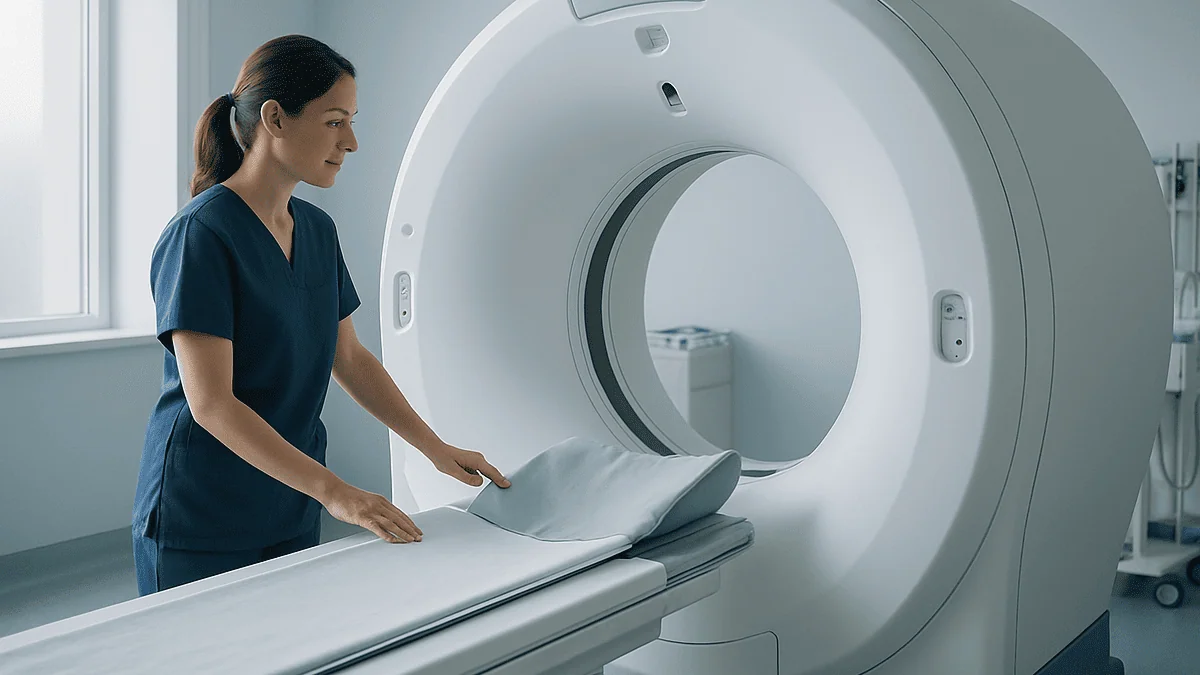
Young children must lie completely still for planning scans and each session. Many centers use light sedation or anesthesia for preschoolers, and child life specialists often rehearse the process with play, letting a child position a toy on a model table. Older children usually manage with a custom mask or mold and a favorite playlist.
Proton therapy, a form of radiation that deposits most of its energy at a set depth and less beyond the target, is increasingly used for some pediatric tumors because it spares more surrounding tissue. Whether that translates into fewer long-term effects is still being measured in follow-up studies, and access varies; the choice of technique rests with the radiation oncology team.
Who is treated intensively first, and who is asked to wait
Not every child with a cancer diagnosis starts aggressive treatment within days. The decision hinges on how urgently the disease threatens the child and how likely it is to progress.
Children with acute leukemia are almost always treated immediately, because the disease crowds out normal blood production and infection or bleeding can become dangerous within days. Tumors compressing the airway, spinal cord or a major vessel are also treated urgently, sometimes with steroids or an initial round of chemotherapy before the full diagnostic picture is complete.
Other children are asked to wait, and that can feel counterintuitive. MedlinePlus describes neuroblastoma, a cancer of immature nerve cells most often found in children under five, as a disease with a wide range of behavior; some tumors in infants are known to shrink or mature on their own, so certain low-risk cases are monitored closely rather than treated right away. Some slow-growing brain tumors in children are managed with observation after surgery, with scans at set intervals, and treatment started only if the tumor changes.
Watchful waiting is not neglect. It reflects evidence that, for specific low-risk groups, the harms of treatment would outweigh the benefit. Families in this position are usually given a clear schedule of imaging and blood tests and told exactly what change would trigger a shift to active treatment.
A child’s overall health also shapes timing. An active infection may delay the first chemotherapy cycle by days; a fitness assessment before major surgery may prompt nutritional support first. Each of these pauses is a clinical judgment made by the treating team, weighing the pace of the disease against the child’s readiness to tolerate what comes next.
Risk groups and clinical trials: the engine behind every protocol
Two ideas explain why two children with the same diagnosis can receive very different treatment. The first is risk stratification: sorting children into groups based on how likely their cancer is to come back. The second is the cooperative clinical trial, the mechanism by which pediatric oncology has learned which group needs more, and which can safely be given less.
Risk groups are built from several ingredients. The child’s age at diagnosis matters; infants and teenagers often fall into different categories from school-age children with the same cancer. Where the disease has spread, the genetic changes found inside the cancer cells, and, crucially, how quickly the cancer responds to the first weeks of treatment all feed in. In leukemia, laboratories can now detect minimal residual disease, meaning tiny numbers of cancer cells left after initial treatment that no microscope would find; a child whose count falls fast may be moved to a gentler arm, while a child with lingering cells may be escalated.
This is where trials enter. The National Cancer Institute notes that most children with cancer in the United States are treated at centers that participate in cooperative group studies, and that clinical trials have been central to improvements in childhood cancer care. A trial in pediatrics is rarely a test of an unproven drug against nothing. More often it compares the current standard plan with a carefully reasoned modification, such as removing one drug for low-risk children or adding a targeted therapy for high-risk ones.
Enrollment is always voluntary, consent is explained in plain language, and a child who declines a trial receives the current standard of care. Families should feel free to ask which arm of a study their child would join and what the study is designed to learn.
Childhood cancer treatment options by diagnosis: a comparison table
The table below sketches how the main modalities are typically combined for several common pediatric cancers. It is a general orientation drawn from standard descriptions in the cited sources, not a plan for any individual child; the treating team decides each element based on risk group, age and response.
| Diagnosis | Typical backbone | Role of surgery | Role of radiotherapy |
|---|---|---|---|
| Acute lymphoblastic leukemia | Multi-phase chemotherapy over roughly 2 to 3 years, per NHS guidance | Central line placement only; no tumor to remove | Uncommon; reserved for specific high-risk situations |
| Wilms tumor (kidney) | Chemotherapy, before or after surgery depending on protocol | Removal of the affected kidney or tumor is central | Added for some children based on tumor features |
| Neuroblastoma | Ranges from observation (low risk) to intensive chemotherapy plus transplant and immunotherapy (high risk) | Biopsy in all; removal timed after chemotherapy in many | Used in high-risk disease to the tumor site |
| Medulloblastoma (brain) | Surgery followed by chemotherapy | Maximum safe removal is the first step | Standard for older children; delayed or avoided in the youngest |
| Osteosarcoma (bone) | Chemotherapy before and after surgery | Limb-sparing or, less often, amputation | Rarely used; tumor responds poorly to radiation |
Two patterns stand out. Leukemia is the outlier where surgery plays almost no role, because the disease lives in the bone marrow rather than in a removable mass. Every solid tumor, by contrast, involves at least a biopsy, and most involve chemotherapy on both sides of an operation.
The NHS describes leukemia treatment as moving through phases of induction, consolidation and maintenance, which is why its timeline is measured in years while a bone tumor plan is often measured in months. Neither is more or less serious; they simply reflect different biology.
Childhood cancer treatment timeline: what the first weeks usually look like
The first fortnight after diagnosis is often the most compressed period a family will experience. Understanding its shape can lower the temperature a little.
Days one to three are usually about confirming the diagnosis. Blood tests, imaging such as ultrasound, CT or MRI, and a biopsy or bone marrow sample under anesthesia establish what the cancer is and where it sits. Children with leukemia may have a lumbar puncture at the same time to check spinal fluid. A central line is often placed during this same anesthetic to spare the child a second procedure.
Within the first week, the team typically meets as a multidisciplinary group, which means oncologists, surgeons, radiation specialists, pathologists and radiologists reviewing the case together, and assigns a provisional risk group. Families then sit down for a treatment discussion that covers the protocol, any trial options and consent.
Treatment for leukemia often begins within days of diagnosis. The NHS describes the opening induction phase as an intensive period, often involving a hospital stay of several weeks, aimed at bringing the disease into remission, meaning no cancer cells detectable by standard tests. For solid tumors, the first chemotherapy cycle may start once the biopsy result is back, with surgery planned several cycles later.
Weeks two to six settle into a rhythm: infusion visits, blood counts checked between them, and reassessment scans or marrow tests at protocol-defined points. Those reassessments are where risk groups are refined and plans adjusted.
Timelines beyond this vary widely by diagnosis. Bone tumor protocols commonly run for most of a year; leukemia maintenance stretches over two to three years, per the NHS, with much of that later period spent largely at home on oral medicine and clinic visits. Any specific dates belong to the child’s own written plan.
Immunotherapy for childhood cancer, targeted therapy and stem cell transplant: where they fit
Three newer approaches now sit alongside the classic trio, and each fills a particular gap.
Immunotherapy means treatment that helps the child’s own immune system recognize and attack cancer cells. In pediatrics its clearest established roles are in high-risk neuroblastoma, where antibody-based treatment is part of standard protocols after intensive chemotherapy, and in certain leukemias that have relapsed or not responded, where engineered immune cells or antibody drugs are used. These are not first-line replacements for chemotherapy in most children; they are added to, or reserved for, specific situations defined by risk group and response. The National Cancer Institute lists immunotherapy among the standard categories of treatment now used in childhood cancer.
Targeted therapy refers to medicines designed to block a specific molecular change that drives a particular cancer. Their use depends on testing the tumor’s genetics at diagnosis, which is why many centers now sequence pediatric tumors routinely. For some low-grade brain tumors and rare leukemia subtypes, a targeted drug may reduce the need for conventional chemotherapy or radiation; for others, no matching target exists.
A stem cell transplant is a way of allowing very intensive chemotherapy, sometimes with radiation, by rescuing the bone marrow afterward with an infusion of blood-forming stem cells, either the child’s own collected earlier or a donor’s. It is used in high-risk neuroblastoma, in leukemia that returns after standard treatment, and in a few other high-risk settings. It involves weeks in hospital and a prolonged recovery of the immune system.
None of these is a shortcut, and none is offered to every child. Each has its own side-effect profile, and each is chosen by the team only when the evidence for a particular risk group supports it.
Preparing a child for treatment: comfort, honesty and play
Children cope with treatment better when they understand it at their own level, and the evidence-based tool for that is play, not persuasion.
Most pediatric oncology teams include child life specialists or play therapists whose job is to translate procedures into something a child can rehearse. A four-year-old may practice holding still by giving a doll an MRI; an eight-year-old may be shown the actual radiotherapy mask and allowed to decorate it. Rehearsal reduces the unknown, and the unknown is what frightens children most.
Honesty, pitched to age, matters more than parents often expect. Young children need short, concrete truths: “the medicine goes into your line and might make your tummy feel funny.” School-age children benefit from knowing the plan for the week. Teenagers usually want to be in the room for treatment discussions and to have a say in scheduling around school and friends. Withholding information rarely protects a child; they notice adult anxiety and fill the gap with imagination.
Practical comfort measures are worth setting up early. Numbing cream or cold spray before line access and injections, a familiar blanket or tablet for infusion days, and a consistent routine around hospital visits all help. Nutrition support from a dietitian is often built in from the start, because appetite changes are common and maintaining weight supports recovery between cycles.
Siblings and parents need preparation too. Many centers offer psychology and social work support as a standard part of the pathway rather than an add-on. The MedlinePlus overview of cancer in children points families toward these supportive services alongside medical treatment, reflecting the guideline view that emotional care is part of the plan, not separate from it.
Chemotherapy side effects in children and how teams manage them
Side effects follow from mechanism. Because chemotherapy targets dividing cells, the tissues that divide fastest show the effects first, and most of them recover between cycles.
Low blood counts are the most medically significant. A fall in white cells, called neutropenia, leaves a child less able to fight infection; a fall in red cells causes tiredness and pallor; a fall in platelets makes bruising and nosebleeds more likely. Teams check counts before each cycle and may delay treatment or give a transfusion if levels are too low. Fever during a low-count period is treated as an emergency, which is why every family is given a number to call and told never to wait until morning.
Nausea and vomiting are common but far better controlled than a generation ago. Anti-sickness medicines are usually given before chemotherapy begins, on a schedule set by the team, rather than waiting for symptoms. Mouth soreness is managed with gentle oral care and pain relief chosen by the clinicians. Hair loss, when it occurs, is temporary; hair typically regrows after treatment ends, sometimes with a different texture at first.
Some effects are drug-specific and monitored by design: certain medicines can affect hearing, heart function or kidneys, so protocols build in hearing tests, echocardiograms or blood tests at defined points. Constipation, appetite changes and fatigue are addressed with dietary support, activity and, where needed, prescribed medicines.
The Mayo Clinic describes most chemotherapy side effects as manageable and largely reversible once treatment stops. Parents are encouraged to keep a simple diary of symptoms and to report new ones early; a change that seems small at home may prompt a helpful adjustment at the next visit. Any change to a medicine is the prescribing team’s call.
Late effects of childhood cancer treatment: follow-up after the last cycle
The final infusion is a milestone, but it opens a new phase rather than closing the story. Children who complete treatment enter a structured follow-up program that watches for two things: any sign of the cancer returning, and late effects, meaning health problems that appear months or years after treatment because of the treatment itself.
The National Cancer Institute explains that late effects depend on the type and location of treatment, the child’s age when treated and their individual susceptibility. Radiation to the brain or spine may affect growth hormone production, thyroid function or aspects of learning. Certain chemotherapy drugs can influence heart muscle, hearing or fertility. Surgery may leave functional changes that need physical therapy. Because these possibilities are known in advance, follow-up is tailored: a child who received chest radiation gets heart monitoring; one who received a hearing-sensitive drug gets audiology checks.
Early follow-up is frequent, with clinic visits and scans or blood tests at intervals set by the protocol, often every few months in the first years. Visits space out over time. Many programs eventually transfer young adults to a dedicated survivorship clinic that continues the screening schedule and holds a summary of exactly what treatment was given, a document families should keep for life.
Emotional recovery follows its own timeline. Some children return to school and sport quickly; others need graded reintegration, catch-up support or counseling. Parents commonly describe the months after treatment as harder than expected, because the intense structure of appointments falls away while the worry does not. Teams anticipate this, and asking about psychological support at the end-of-treatment visit is entirely appropriate.
What people often get wrong about childhood cancer treatment options
Some misunderstandings surface so often in clinic that they deserve direct correction.
“More treatment is always safer.” Pediatric oncology has spent decades learning where treatment can be reduced without harming outcomes, precisely because late effects are real. When a team assigns a child to a lower-intensity arm, that reflects evidence, not economy. The NCI’s late-effects guidance exists because overtreatment carries its own cost.
“Waiting to operate means the surgeon is unsure.” Giving chemotherapy first is a planned strategy for many solid tumors, intended to shrink the mass and make the operation safer. The delay is the treatment doing its job.
“Radiation is avoided because it does not work in children.” The opposite is true. It works well, which is why the challenge is protecting healthy tissue rather than doubting effectiveness.
“Being offered a clinical trial means the standard treatment has failed.” In pediatrics, trials are the mechanism through which standard care is refined. Most children enrolled receive the current best-known plan or a carefully reasoned adjustment to it.
“Special diets or supplements can replace or boost treatment.” No dietary regimen has been shown to treat childhood cancer, and some supplements interact with chemotherapy or affect liver function. Nutrition support matters for strength and recovery, and any supplement should be cleared with the team first.
“Children should be shielded from knowing.” Age-appropriate honesty is consistently recommended by pediatric psychology. Children who understand what is happening tend to cooperate more with procedures and report less distress.
“Once treatment ends, it is over.” Follow-up is part of the pathway. A treatment summary and a survivorship plan are as much a part of care as the first infusion.
Questions to ask your care team
Consultations move fast, and the questions that matter most often surface on the drive home. Writing them down beforehand, and asking for a named contact who can answer follow-ups, turns a one-way briefing into a conversation. These are the questions pediatric oncologists say families most usefully ask.
- What exactly is the diagnosis, and which risk group has my child been placed in? What information went into that decision, and could it change?
- Which treatments are planned, in what order, and why that order for this particular cancer?
- Is my child being offered a clinical trial? What does the trial compare, which arm would my child join, and what happens if we decline?
- If surgery is part of the plan, what does the surgeon hope to remove, what is being deliberately left alone, and what function might be affected?
- If radiotherapy is proposed, what area will be treated, why now rather than later, and what technique will be used?
- How will we know whether the treatment is working, and when are the reassessment points?
- Which side effects should we expect this week, which should prompt a call, and who do we call at night or on weekends?
- What long-term effects is this specific plan known to carry, and what monitoring will be built in afterward?
- Can school, siblings and normal routines continue, and who on the team helps with that?
- Who is our main point of contact, and how do we reach them between appointments?
None of these questions second-guesses the team. Most clinicians welcome them, because a family that understands the reasoning is a family that spots problems early and sticks with a long plan through its hard middle stretches. If an answer is unclear, ask for it again in plainer words; that is a fair request at any point in treatment.
When to call your doctor
Every family in pediatric oncology is given an emergency contact number, and the instruction that comes with it is simple: use it. The team would rather hear about ten things that turn out to be nothing than miss one that is not. During treatment, some symptoms need a same-hour call regardless of the time.
Call immediately, day or night, if your child has:
- A temperature at or above the threshold your team has specified, or feels hot, shivery or unusually cold and clammy, because fever during a period of low white cell counts can signal a serious infection that progresses quickly
- Difficulty breathing, fast or labored breathing, or a bluish tinge to lips
- Unusual drowsiness, confusion, a severe headache, a stiff neck or a seizure
- Bleeding that will not stop, black or bloody stools, or a widespread rash of small purple spots
- Redness, swelling, pain or discharge around the central line, or a line that will not flush
- Severe or persistent vomiting that prevents fluids, signs of dehydration such as no urine for many hours, or severe abdominal pain
- New weakness in the legs, trouble walking, or loss of bladder or bowel control
Call during clinic hours, the same day, for: a sore mouth that stops eating or drinking, constipation lasting more than a couple of days, a new cough or cold symptoms, contact with chickenpox or measles, a fall or injury, or any symptom that simply worries you.
The NHS stresses that infections in children on treatment can worsen rapidly and require prompt antibiotics, which is why a fever is treated as an emergency rather than watched at home. When in doubt, call. Once treatment has ended, the follow-up team remains the right first contact for any new or unexplained symptom, however minor it seems.
Frequently asked questions
What are the main childhood cancer treatment options?
The three core treatments are chemotherapy, surgery and radiotherapy, usually combined and sequenced according to the diagnosis and risk group. Newer approaches, including immunotherapy, targeted therapy and stem cell transplant, are added for specific high-risk or relapsed situations. Which elements a child receives, and in what order, is decided by the pediatric oncology team following an evidence-based protocol.
How long does a childhood cancer treatment timeline usually last?
It depends heavily on the diagnosis. NHS guidance describes acute lymphoblastic leukemia treatment as lasting around two to three years, with much of the later phase spent at home. Many solid tumor protocols run for several months to about a year. The child’s own written plan, which the team will explain, is the only reliable timeline for an individual.
Why is chemotherapy sometimes given before surgery?
Chemotherapy given first can shrink a tumor, firm its edges and pull it away from blood vessels or nerves, so the surgeon can remove it more safely and completely. This is called neoadjuvant treatment and is standard for several pediatric solid tumors, including bone tumors and many neuroblastomas. The delay before surgery is planned, not a sign of uncertainty.
Is radiotherapy safe for young children?
Radiotherapy is effective in children, but growing tissue is more sensitive to it, so teams use it selectively. In the youngest children, protocols often delay or avoid radiation, use chemotherapy instead, or shrink the treated area to a minimum. When it is used, small daily fractions over several weeks help normal cells recover. The radiation oncology team weighs benefit against long-term risk for each child.
What are the most common chemotherapy side effects in children?
Low blood counts leading to infection risk, tiredness and bruising are the most significant, along with nausea, mouth soreness, appetite changes and temporary hair loss. Most effects follow the treatment cycle and ease during rest periods. Teams give anti-sickness medicine preventively, check counts before each cycle and monitor drug-specific effects on hearing, heart or kidneys. Any fever needs an immediate call.
What is a risk group and why does it matter?
A risk group is a category that estimates how likely a cancer is to return, based on the child’s age, how far the disease has spread, genetic features of the cancer cells and how quickly it responds to early treatment. It determines treatment intensity: lower-risk children may receive gentler regimens with fewer late effects, while higher-risk children receive more intensive combinations.
When is immunotherapy for childhood cancer used?
Immunotherapy, which helps the child’s own immune system attack cancer cells, has established roles in high-risk neuroblastoma after intensive chemotherapy and in certain leukemias that have relapsed or not responded to standard treatment. It is not a routine first-line replacement for chemotherapy. Whether it is appropriate depends on the diagnosis, risk group and response, assessed by the oncology team.
Should we join a clinical trial if one is offered?
That decision is personal, but it helps to know that most children with cancer in the United States are treated at centers participating in cooperative group trials, and these trials are how standard care has been refined. Most compare the current best plan with a reasoned adjustment. Participation is voluntary, and a child who declines still receives standard treatment.
What are late effects of childhood cancer treatment?
Late effects are health problems that appear months or years after treatment because of the treatment itself, such as hormone changes after radiation, heart or hearing effects from certain drugs, or learning differences after brain treatment. They depend on the specific treatments, the child’s age and individual factors. Structured follow-up programs screen for them, and families should keep a written treatment summary for life.
What symptoms mean we should call the team right away during treatment?
Call immediately for fever at or above the threshold the team has given, breathing difficulty, unusual drowsiness or confusion, seizures, uncontrolled bleeding, a purple spotted rash, problems at the central line site, severe vomiting or dehydration, or new leg weakness. Infections can progress quickly when white cell counts are low, so fever is treated as an emergency rather than watched at home.
References
- World Health Organization – Cancer in children (fact sheet)
- NHS – Acute lymphoblastic leukaemia: Treatment
- MedlinePlus – Cancer in Children
This article is for general information only and is not a substitute for professional medical advice. Please consult a qualified doctor about your individual situation.

More from the Blog
How Parents Can Support a Child in Intensive Care After Pediatric Cardiac Surgery
Parents in the PICU after a child's heart surgery help most by being a steady, familiar presence: talking and singing in a normal voice,…

Head Lice: What Works Now That Resistance Is Common
Head lice in the United States are now widely resistant to over-the-counter permethrin and pyrethrin products, so a failed first treatment usually reflects resistance…
Night Terrors in Toddlers: What They Are and Are Not
No. Night terrors in toddlers are not a sign of mental illness. They are a common parasomnia, a partial arousal from deep sleep in…

Pediatric Physical Therapy vs Occupational Therapy: Which Skills Does Each One Work On?
Pediatric physical therapy mainly works on how a child moves through space: strength, balance, posture, walking and other large-muscle skills. Pediatric occupational therapy works…
Going Home After Neonatal Sepsis Treatment: Discharge Criteria and Development Reviews
Babies usually go home after neonatal sepsis once the treating team is satisfied that the infection is controlled, the antibiotic course is complete or…
Preparing Your Child for Pediatric Plastic Surgery: Evaluations, Tests and Talking It Through
Preparing a child for plastic surgery usually means a consultation with the surgical team, a separate anesthesia assessment, and only the tests the child's…