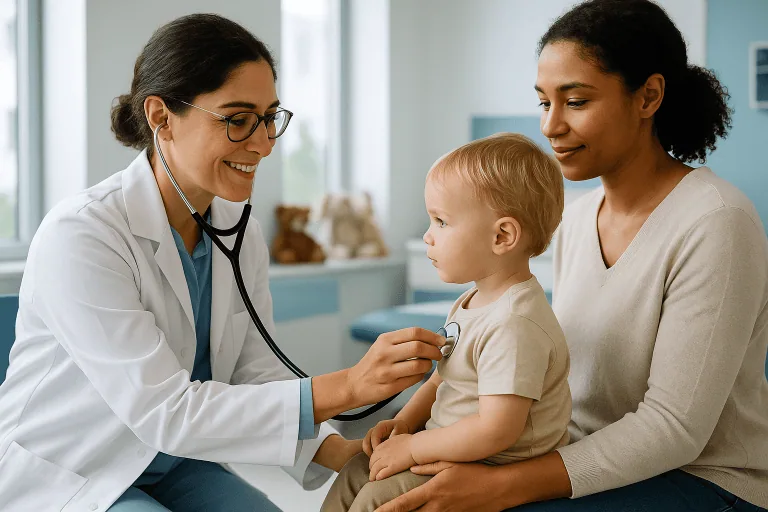
Pediatric Cancers Treatment
Pediatric cancer care combines child-focused diagnosis, chemotherapy, surgery, radiotherapy, immunotherapy, and supportive care tailored to each cancer type and the child’s needs.
Quick answer
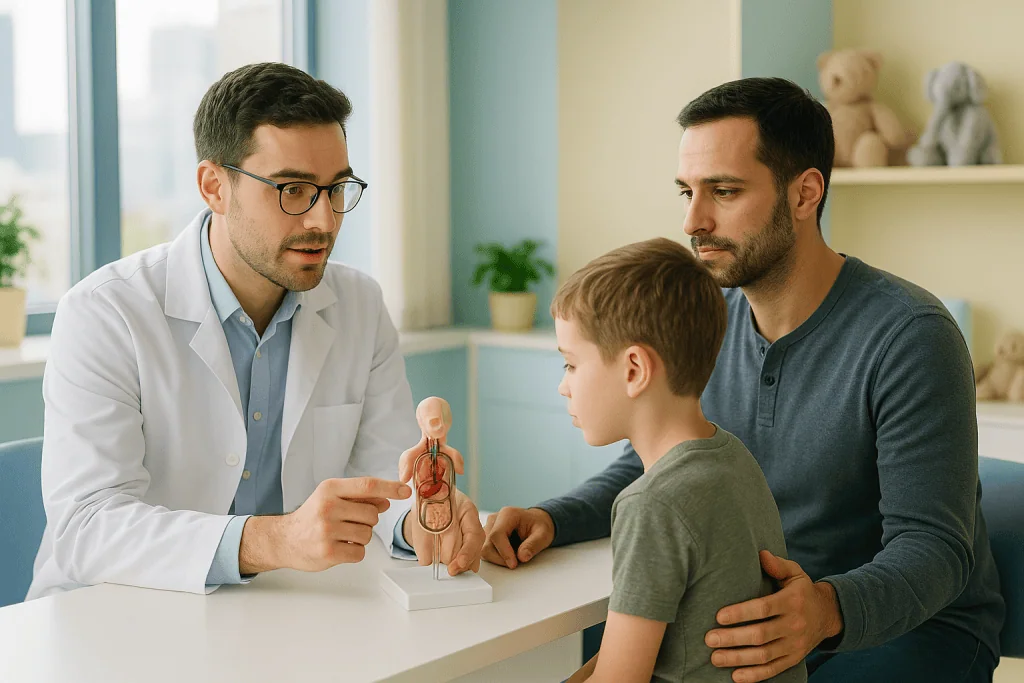
Pediatric cancer care covers the diagnosis, treatment and long-term follow-up of cancers in babies, children and adolescents. Depending on the exact cancer type, treatment may combine chemotherapy, surgery, radiotherapy, immunotherapy, targeted therapy or stem cell transplantation, delivered alongside intensive supportive care. Because children are still growing, treatment also protects development, and structured follow-up continues for years after therapy ends.
Childhood Cancer: What It Is and What Lies Ahead
Childhood cancer is a group of diseases in which abnormal cells grow and multiply uncontrollably in a baby, child or adolescent. It includes blood cancers such as leukemia, tumours of the brain and spinal cord, lymphomas and a wide range of solid tumours, and it is treated by teams trained specifically in children’s oncology. Treatment usually combines several methods, chemotherapy, surgery, radiotherapy and, for selected diagnoses, immunotherapy, targeted therapy or stem cell transplantation, delivered alongside intensive supportive care that carries the child through months of therapy.
The terminology can be confusing when you first start reading. Childhood cancer, pediatric cancer, children cancer and kids cancer all describe the same field: cancers that arise before adulthood, and the specialised branch of medicine built around them. This page uses the terms interchangeably, because they mean the same thing.
A possible cancer diagnosis in a child changes everything for a family. Parents often describe the first days as a blur of unfamiliar medical terms, urgent appointments, fear and uncertainty. You may be trying to work out whether the diagnosis is correct, what treatment your child actually needs, how side effects will be managed, and whether specialist care in another hospital or another country could offer the right level of expertise and coordination. Those are reasonable questions, and this page is written to help you think through them with clear information rather than reassurance.
One point matters from the start: pediatric cancers are not smaller versions of adult disease. The cancers most adults are familiar withbreast cancer, lung cancer, prostate or bowel cancer, are rare in children. Childhood cancers arise from different cell types, often develop faster, and frequently respond differently to treatment. They demand care from teams trained specifically in children’s oncology, because a child’s age, growth, emotional development, nutrition, school life, fertility considerations and family support all shape the treatment plan. The goal is not only to treat the cancer effectively, but to protect the child’s development and quality of life as far as possible while doing so.
Modern childhood cancer care is highly specialised and increasingly personalised. Diagnosis may involve advanced imaging, expert pathology, molecular testing, bone marrow studies, genetic evaluation and multidisciplinary review. Treatment follows established international protocols wherever these exist, adapted to the individual child. Supportive care carries equal weight: preventing and managing infection, pain, nausea, nutritional difficulties, emotional distress and treatment-related complications is part of the treatment itself, not an optional extra.
For international families, the decision carries additional layers. You may be comparing medical opinions across countries and weighing travel logistics, language support, accommodation, treatment duration and continuity of care after returning home. A well-organised pediatric oncology programme should give you clear communication, coordinated planning, child-centred care and a treatment roadmap grounded in the specific diagnosis and stage of disease. What follows explains how that works in practice.
What Pediatric Cancer Care Involves
Pediatric cancer care is the diagnosis, treatment and long-term follow-up of cancers that occur in babies, children, adolescents and young adults. It brings together pediatric oncologists, haematologists, surgeons, radiation oncologists, radiologists, pathologists, nuclear medicine specialists, geneticists, intensive care physicians, infectious disease specialists, rehabilitation teams, psychologists, dietitians, specialist nurses and child-life or psychosocial support professionals. No single doctor manages a childhood cancer alone; the structure of the team is part of the treatment.
The treatment plan depends on the type of cancer, where it started, whether it has spread, how aggressive the cells appear under the microscope, and whether specific genetic or molecular markers are present. In many pediatric cancers, treatment follows carefully developed international protocols. These protocols define the sequence and intensity of therapy, the tests used to measure response, and the ways side effects are monitored, so decisions rest on decades of accumulated evidence rather than the preference of one clinician.
The main treatment methods are:
- Chemotherapymedicines that destroy cancer cells or stop them from dividing, given in planned cycles.
- Surgeryremoval of tumours when it is safe and appropriate, planned around growth and function.
- Radiotherapyprecisely directed radiation used in selected situations, with particular care taken around developing tissues.
- Immunotherapytreatments that help the immune system recognise or attack cancer cells.
- Targeted therapymedicines aimed at specific molecular changes found in the cancer’s cells.
- Stem cell transplantationintensive therapy followed by infusion of blood-forming stem cells, considered for certain high-risk or relapsed diseases.
In pediatric oncology, supportive care is not secondary: it is central. Children may need blood transfusions, antibiotics, nutritional support, central venous catheter care, pain management, fertility counselling when appropriate, physical rehabilitation, dental assessment, psychological care and educational support. Good supportive care keeps children as strong as possible during treatment and can reduce delays and complications that would otherwise interrupt the protocol.
Because children are still growing, pediatric cancer treatment also includes long-term survivorship planning from the outset. This may involve monitoring heart function, kidney function, hormone health, hearing, growth, fertility, learning and emotional wellbeing, along with awareness of possible late effects. The strongest care plans look well beyond the immediate treatment period and take the child’s future health and development seriously.
What are the most common childhood cancers?
Leukemias, cancers of the blood and bone marrow, are the most common cancers of childhood, with acute lymphoblastic leukemia the most frequent single diagnosis. Brain and central nervous system tumours are the most common solid tumours in children. After these come lymphomas, neuroblastoma, Wilms tumour of the kidney, soft tissue sarcomas such as rhabdomyosarcoma, bone cancers such as osteosarcoma and Ewing sarcoma, retinoblastoma of the eye, and liver tumours such as hepatoblastoma. The mix shifts with age: neuroblastoma, Wilms tumour and retinoblastoma are diseases of infants and young children, while bone sarcomas and Hodgkin lymphoma become more frequent in adolescence.
How do most pediatric cancers occur?
Most pediatric cancers occur through chance genetic changes in growing cells, errors that arise as a child’s tissues develop and divide rapidly. Unlike many adult cancers, they are generally not linked to lifestyle, diet, environment or anything a parent did or failed to do. A minority of childhood cancers are associated with inherited cancer predisposition syndromes, which is why family history and genetic evaluation form part of the diagnostic picture in selected cases. For most families, however, there is no identifiable cause, and searching for one is neither necessary nor helpful. This is worth stating plainly, because parental guilt is one of the most common and least deserved burdens of a childhood cancer diagnosis.
Is there a link between vaccines and pediatric cancers?
No. Large studies conducted over many years, across many countries, have found no credible evidence linking routine childhood vaccinations to cancer. Vaccination remains a normal part of child health, and after cancer treatment ends, the oncology team plans how and when a child’s vaccination schedule should resume, because intensive therapy can reduce previously built immunity. That planning is part of standard survivorship care, decided by the treating physicians for each individual child.
Signs of Cancer in Kids: When Further Evaluation Makes Sense
Signs of cancer in kids are often indistinguishable at first from the everyday illnesses of childhood. Fever, tiredness, bruising, aching limbs, swollen glands, headaches or a swollen tummy usually have entirely ordinary explanations. What distinguishes concerning symptoms is their behaviour over time: they persist when a common illness would have resolved, they worsen rather than improve, they recur without explanation, or several appear together.
What are the first signs of childhood cancer?
The first signs of childhood cancer are usually non-specific, which is precisely why the diagnosis is often reached through a pattern rather than a single finding. Features that commonly prompt referral for specialist assessment include:
- Persistent or unexplained fever, or repeated infections
- Unusual paleness, tiredness that does not lift with rest, or unexplained weight loss
- Easy bruising, small red or purple skin spots, or unusual bleeding
- Ongoing bone or joint pain, sometimes waking the child at night, or a limp
- A visible or palpable lump, or swelling in the abdomen
- Swollen lymph nodes that persist and grow rather than settle
- Headaches that are worse in the morning, persistent vomiting, changes in vision, balance problems or seizures
- A white glow in the pupil in photographs, or a new squint, in young children
No single childhood cancer symptom proves anything on its own; each item on that list is far more often caused by something benign. Doctors weigh persistence, progression and combination. Abnormal blood tests are another common route into specialist assessment, sometimes discovered when a child is being checked for an apparently unrelated complaint.
In infants and very young children, the signs may be subtler still: irritability, poor feeding, loss of previously achieved milestones, or a change in the way the child moves or walks. A child’s first assessment usually happens in general pediatrics, and it is the pediatrician who decides whether the pattern warrants referral to a pediatric oncology team for formal evaluation.
How Pediatric Cancers Are Diagnosed
Pediatric cancers are diagnosed through a stepwise pathway that moves from general assessment to increasingly precise testing, and precision matters at every step: even cancers with similar names can require entirely different treatment protocols.
How are pediatric cancers analyzed?
Pediatric cancers are analyzed primarily through pathology: the laboratory examination of tissue, blood or bone marrow samples. Specialists examine the cells under the microscope, then apply further techniques as clinically indicated: immunohistochemistry to identify cell surface proteins, flow cytometry to characterise blood and marrow cells, cytogenetic testing to detect chromosome changes, and molecular profiling or next-generation sequencing to find specific genetic alterations. Together, these analyses establish the exact cancer subtype and can directly influence treatment intensity and medication choices.
In practice, the diagnostic pathway typically runs as follows:
- Step 1: History and examination. A detailed medical history and thorough physical examination, including family history where an inherited risk is possible.
- Step 2: Blood tests. Blood counts, organ function, inflammation markers, clotting studies and tumour-related markers when relevant to the suspected diagnosis.
- Step 3: Imaging. Ultrasound, MRI, CT, PET-CT, bone scan or other nuclear medicine studies, chosen according to the suspected cancer type. Younger children may need sedation or anaesthesia to lie still for some scans.
- Step 4: Biopsy or bone marrow sampling. In most cases a tissue biopsy confirms the diagnosis. For blood cancers, bone marrow aspiration and biopsy are usually central to both diagnosis and staging.
- Step 5: Pathology and molecular analysis. The laboratory work described above, which defines the exact subtype.
- Step 6: Staging and risk grouping. Determining how far the disease extends and assigning a risk group, which sets the intensity of the treatment protocol.
The order and depth of these steps vary by diagnosis, but the principle does not: treatment should begin only when the team knows exactly what it is treating. Starting therapy before the diagnosis is fully characterised can expose a child to the wrong treatment and make later testing harder to interpret.
Conditions Treated in Pediatric Oncology
Pediatric cancer programmes treat a wide range of diseases, from the common blood cancers of childhood to rare solid tumours. Each diagnosis has its own behaviour, staging system, risk groups and treatment pathway.
Leukemias affect the blood and bone marrow. Acute lymphoblastic leukemia and acute myeloid leukemia are usually treated with intensive chemotherapy, with targeted therapy in selected cases and stem cell transplantation for certain high-risk or relapsed situations. Treatment is guided by leukemia subtype, genetic markers, early response and minimal residual disease testing where available: a sensitive measure of how many cancer cells remain after initial therapy.
Lymphomas include Hodgkin lymphoma and the non-Hodgkin lymphomas. They may present with swollen lymph nodes, fever, night sweats, weight loss, or masses in the chest or abdomen. Treatment typically uses chemotherapy, sometimes combined with immunotherapy or radiotherapy depending on the disease type and stage.
Brain and spinal cord tumours form a diverse group: medulloblastoma, glioma, ependymoma, germ cell tumours and other rarer entities. Treatment may involve neurosurgery, chemotherapy, radiotherapy, targeted therapy and rehabilitation. Every decision balances tumour control against the protection of brain development, endocrine function, hearing, learning and movement: a balance that has no equivalent in adult neuro-oncology.
Are adult or pediatric brain cancers more common?
In absolute numbers, far more brain tumours are diagnosed in adults, simply because adults vastly outnumber children in any population. Within childhood cancer itself, however, brain and central nervous system tumours occupy a much larger share: they are the most common solid tumours of childhood and among the most common childhood cancers overall. The types also differ. Medulloblastoma and certain low-grade gliomas are characteristic of childhood, while the tumour types that dominate adult neuro-oncology are comparatively rare in children: a further reason why pediatric brain tumours belong in pediatric hands.
Solid tumours in children include neuroblastoma, Wilms tumour of the kidney, rhabdomyosarcoma, Ewing sarcoma, osteosarcoma, hepatoblastoma, retinoblastoma, germ cell tumours and other rare cancers. Depending on the diagnosis, care may combine chemotherapy, tumour surgery, radiotherapy, stem cell transplantation, nuclear medicine therapies or targeted approaches, sequenced according to the relevant protocol.
High-risk, relapsed or refractory cancers require additional evaluation: molecular testing, specialist board review, risk reassessment, transplantation planning or assessment for immunotherapy. For some children the goal remains long-term disease control; for others, honest conversations turn to symptom relief, comfort and family-centred decision-making. A serious programme is able to hold both conversations openly.
Cancer predisposition syndromes are assessed when a child’s diagnosis, family history, age at presentation or tumour type suggests an inherited risk. Genetic counselling can guide treatment choices, screening for related conditions, and recommendations for siblings or other family members when appropriate.
How Pediatric Cancer Treatment Is Performed
Treatment begins with careful preparation. Before therapy starts, the care team confirms the diagnosis, stage and risk group. This may involve reviewing outside records, repeating selected imaging, obtaining an independent pathology review and completing baseline tests. Heart, kidney, liver, hearing, endocrine, dental and fertility-related evaluations may be recommended depending on the planned medicines or radiation field, so that any vulnerability is known before it matters.
Families receive a treatment roadmap wherever possible: the intended sequence of therapy, expected hospital stays, outpatient visits, monitoring tests, likely side effects and the warning signs the team wants to hear about promptly. For international patients, this planning extends to travel timing, translation of records, medication availability, accommodation and communication with physicians in the home country.
Many children need a central venous catheter, a port or tunnelled line, to receive chemotherapy, blood products, antibiotics and nutrition safely without repeated needle punctures. The choice depends on treatment intensity, the child’s age, expected duration of therapy and infection risk, and families are trained in catheter care and the signs of infection.
Chemotherapy is delivered in cycles. Some medicines are given intravenously in hospital or outpatient infusion units; others are taken by mouth or injected into the spinal fluid when the central nervous system needs preventive or direct treatment. Blood counts are monitored closely, because chemotherapy can lower immunity, increase bleeding risk and cause anaemia. The team adjusts timing and supportive care according to the child’s response and safety: a planned cycle that slips by a few days is a normal part of treatment, not a failure of it.
Surgery may be used to biopsy a tumour, remove it completely, reduce tumour burden, manage complications or reconstruct affected areas. Pediatric surgery for cancer is planned with attention to growth, function, organ preservation and appearance. In bone and soft tissue tumours, limb-sparing procedures are considered when safe, though some cases still require more extensive operations. For brain tumours, neurosurgery aims to secure the diagnosis and remove as much tumour as can safely be removed while protecting neurological function.
Radiotherapy may be recommended for certain brain tumours, lymphomas, sarcomas, neuroblastoma and other cancers. Modern planning uses detailed imaging to shape the radiation dose tightly around the tumour and limit exposure to healthy tissue, precision that matters more in children, whose developing organs are more sensitive. Treatment is delivered over multiple sessions, and younger children may need sedation or anaesthesia to remain still and comfortable during each one.
Immunotherapy and targeted therapy are used in selected cancers. Immunotherapy can include monoclonal antibodies, immune-modulating medicines or cell-based therapies, depending on the diagnosis and what is available. Targeted therapies act on specific molecular pathways driving the cancer’s growth. Neither is suitable for every child: eligibility depends on cancer type, biomarkers, prior treatment, disease status and safety factors, which is one more reason thorough molecular analysis matters.
Stem cell transplantation may be considered for certain leukemias, lymphomas, immune-related disorders and high-risk solid tumours. It involves intensive treatment followed by infusion of blood-forming stem cells from the child or from a donor, depending on the indication. Transplantation requires detailed donor matching, rigorous infection prevention, organ assessment and prolonged follow-up. It is among the most complex undertakings in pediatric oncology and is proposed only when the expected benefit justifies the risks.
What are the special needs of pediatric cancers?
The special needs of pediatric cancers flow from one fact: the patient is still growing. Medicine doses are calculated by weight or body surface area and rechecked as the child grows. Imaging, radiotherapy and some procedures may require sedation or anaesthesia simply because a young child cannot hold still. Developing organs, heart, kidneys, brain, hearing, hormone systems, fertility, need active protection during therapy, not just monitoring afterwards. Nutrition needs closer attention, because children have smaller reserves. School, play and normal routine are clinical concerns, not luxuries: they anchor a child’s psychological health through a long treatment. And the family is part of the care team, parents administer medicines, guard against infection and carry the emotional load, so their training and support are built into the plan.
Technology supports every stage, though its value lies in what it enables rather than the devices themselves. Imaging systems define tumour location and spread; digital pathology and specialised laboratory testing classify cancers more accurately; planning software lets radiation oncologists shape doses precisely; surgical navigation, microsurgical techniques, minimally invasive approaches and intraoperative imaging assist selected operations; and monitoring systems in inpatient and intensive care units help detect complications early. The measure of good technology is safer decisions, more accurate targeting and faster response to change.
Treatment duration varies widely. Some lymphoma protocols run for several months. Leukemia therapy can continue for years, including a long maintenance phase of milder treatment. Solid tumour care often combines cycles of chemotherapy with surgery and possibly radiotherapy over many months, and brain tumour care may involve surgery followed by further treatment and extended rehabilitation. Families should receive a realistic schedule, with the honest caveat that infections, blood count recovery, complications and response assessments can all shift the timing.
Recovery is not a single event. During treatment, children may pass through periods of fatigue, low appetite, hair loss, nausea, mouth sores, heightened infection risk, mood changes, school interruption and physical weakness. Afterwards, many children gradually return to their normal routines, while some need rehabilitation, endocrine care, learning support, hearing aids, cardiac monitoring or counselling. Follow-up visits exist to detect any recurrence early, manage late effects and support the child’s return to daily life.
Why Acting Early Matters
Early evaluation matters because childhood cancers can progress quickly and treatment decisions are often time-sensitive. Delay can allow a cancer to grow, spread or cause complications, infection, bleeding, spinal cord compression, breathing difficulty, kidney problems, severe pain or neurological injury. In blood cancers, severe anaemia, low platelets and depleted infection-fighting cells can become urgent medical problems in their own right.
Acting early does not mean rushing without clarity. It means moving efficiently through the correct diagnostic pathway so that treatment begins with confidence. The balanced approach combines speed with precision: prompt imaging, expert pathology, appropriate staging and review by specialists who work with pediatric protocols daily. A few days spent completing the diagnosis properly is almost always time well spent; weeks lost to indecision rarely are.
Early involvement of supportive care teams also reduces risk. Preventing infection, managing pain, supporting nutrition, protecting fertility where possible and addressing anxiety are all easier when anticipated from the beginning than when handled as emergencies. The care team explains to each family which changes in the child’s condition need prompt review, along with medication schedules and catheter care, so that problems are caught while they are still small.
For families considering care abroad, early communication carries practical weight. Medical record review, travel fitness assessment, visa processes, appointment coordination and treatment planning all take time, and in urgent situations, international patient teams prioritise the essential information so a child can be assessed as quickly and safely as circumstances allow.
Benefits of Specialised Pediatric Cancer Treatment
The benefits of treatment depend on the diagnosis and stage, but specialised pediatric oncology care offers concrete advantages over care improvised outside a dedicated programme.
| Benefit | What It Means for You |
|---|---|
| Accurate diagnosis and risk assessment | Your child’s treatment rests on the cancer subtype, stage, biology and response markers, not a general label. |
| Coordinated treatment planning | Specialists align chemotherapy, surgery, radiotherapy, supportive care and follow-up so decisions come in the right sequence. |
| Child-focused supportive care | Infection prevention, nutrition, pain control, emotional support and rehabilitation help your child tolerate treatment more safely. |
| Modern diagnostic and treatment tools | Advanced imaging, pathology, molecular testing, treatment planning and monitoring support more precise decisions. |
| Long-term survivorship planning | Follow-up addresses growth, learning, hormones, heart health, fertility, hearing, emotional wellbeing and other late effects. |
Recovery and Follow-Up: A General Timeline
Recovery varies by cancer type and treatment intensity, but families often find it helpful to understand the general pattern of care. Treat this as orientation, not a schedule: your child’s protocol will define the real one.
| Time Period | What Patients Can Expect |
|---|---|
| Day 1 | Evaluation, baseline tests, treatment planning and preparation may begin. If therapy starts immediately, the team monitors for early reactions and explains which warning signs need urgent attention. |
| First week | Children may receive chemotherapy, surgery, radiotherapy planning, transfusions, antibiotics or supportive care. Families learn medication schedules, nutrition guidance and infection precautions. |
| First month | Treatment response and side effects are assessed. Blood counts, imaging, organ function and symptom control guide the next phase of therapy. |
| During active treatment | Care continues in cycles or phases. Hospital stays alternate with outpatient visits. Schooling, activity, nutrition and emotional support are adjusted to the child’s condition. |
| Longer term | Follow-up focuses on recurrence monitoring, recovery of strength, vaccination planning, developmental needs, late effects and the return to family and school routines. |
What Influences Outcomes in Childhood Cancer
Outcomes in childhood cancer are shaped by many factors, and no single statistic can predict what will happen for an individual child. In general, many childhood cancers are highly treatable, particularly when diagnosed accurately and treated according to established pediatric protocols, but prognosis differs substantially by diagnosis, stage, tumour biology, response to therapy, age, overall health, and whether the disease is newly diagnosed or relapsed.
What is the survival rate of childhood cancer?
There is no single survival rate for childhood cancer, and any page that quotes one figure for all childhood cancers is simplifying past the point of usefulness. Survival varies enormously between diagnoses, and within each diagnosis it varies again by subtype, genetic markers, stage, risk group and early response to treatment. What can be said honestly is that outcomes for many childhood cancers have improved markedly over recent decades as protocols, supportive care and diagnostic precision have advanced. The meaningful numbers for your family are the ones your treating team can give you for your child’s exact diagnosis and risk group: those are worth asking for directly, and a good team will discuss them openly.
The exact cancer subtype is among the most important factors. Acute lymphoblastic leukemia, acute myeloid leukemia, Hodgkin lymphoma, neuroblastoma, brain tumours, bone sarcomas and kidney tumours each have their own risk groups and treatment approaches, and even within one diagnosis, genetic markers and early response can change the recommended intensity of therapy.
Stage and spread matter too. A localised tumour is treated differently from one that has reached the bone marrow, lungs, brain, spinal fluid, bones or lymph nodes. High-quality imaging and accurate staging protect against both undertreatment and overtreatment. For some cancers, surgery can remove all visible disease; for others, chemotherapy or radiotherapy is given first to shrink the tumour and make a safer operation possible.
Response to treatment is monitored continuously. In leukemia, minimal residual disease testing shows how many cancer cells remain after initial therapy. In solid tumours, imaging, tumour markers, post-surgical pathology and symptom improvement all inform the assessment. Treatment is adapted when response is slower than expected or when toxicity requires adjustment.
The child’s general health influences how well treatment is tolerated. Nutrition, infection history, organ function, genetic conditions, immune status and previous treatments can all affect medication choices and dosing. Strong supportive care makes a measurable practical difference here: preventing complications and maintaining strength helps children complete their planned therapy whenever it is safe to do so.
Finally, experience and coordination shape outcomes. Pediatric cancer care demands rapid decisions among multiple specialists: a brain tumour case may involve a neurosurgeon, pediatric oncologist, radiation oncologist, pathologist and rehabilitation physician; a sarcoma case may draw in orthopaedic oncology, radiology, pathology, chemotherapy, radiotherapy, prosthetics and physiotherapy. Multidisciplinary review keeps these decisions aligned and prevents care from fragmenting.
How does childhood cancer affect families?
Childhood cancer affects the whole household, not only the patient. Parents typically reorganise work, income and daily routine around treatment; one parent often becomes the primary hospital companion while the other holds home life together. Siblings may feel anxious, displaced or overlooked, and benefit from age-appropriate explanation and attention of their own. The emotional load, fear, exhaustion, uncertainty stretched over months, is real and predictable, which is why psychosocial support, counselling and child-life services are built into serious pediatric oncology programmes rather than offered as an afterthought. Families who accept that support early generally cope better than those who try to carry everything privately. Parents are also working members of the care team: they monitor symptoms, give medicines, guard against infection and help the child cope, so clear education, translated instructions where needed and reliable access to the medical team directly improve safety during treatment.
Pediatric Cancer Care at Acibadem
Families travelling for pediatric cancer care need more than a series of appointments. They need a structured clinical pathway, experienced pediatric specialists, clear communication and practical support before, during and after treatment. Acibadem hospitals provide pediatric oncology within a broader cancer treatment framework built on multidisciplinary collaboration, with international patient services designed for families arriving from abroad.
Pediatric cancer cases are commonly reviewed through specialist discussions or multidisciplinary boards, where pediatric oncologists, surgeons, radiation oncologists, radiologists, pathologists, nuclear medicine specialists, intensive care physicians and other experts evaluate the diagnosis and treatment plan together. This matters most when the cancer is rare, high-risk or recurrent, or when surgery, radiotherapy, transplantation or advanced molecular testing is under consideration.
The care model follows evidence-based, internationally recognised treatment principles, adapted to the individual child. In practice, that means a structured explanation of the cancer type, the purpose of each treatment phase, the expected side effects, the monitoring plan and the criteria used to judge response. When a child arrives with prior test results, the team reviews the pathology, imaging and treatment records to confirm the diagnosis and determine whether additional testing is needed before anything else happens.
Diagnostics are handled with a child’s comfort in mind as well as accuracy. Imaging, laboratory medicine, pathology, molecular testing, nuclear medicine and interventional procedures all contribute to diagnosis and staging, and sedation or anaesthesia is used for certain scans and procedures when a child needs it. Pediatric teams reduce distress through age-appropriate preparation and by keeping parents involved. Treatment technology is applied according to clinical need, radiotherapy planning that shapes dose around the target, surgical methods that support precise tumour removal and functional preservation in selected cases, laboratory methods that identify tumour biology, and monitoring systems in inpatient, intensive care and transplant settings. The emphasis is on the right tool for the diagnosis, not complexity for its own sake.
Because pediatric cancer treatment can last weeks, months or longer, international patient services carry particular weight. Acibadem International assists with appointment coordination, medical record transfer, interpretation in more than 20 languages, travel-related planning, hospital admission processes and ongoing communication between families and clinical teams, practical scaffolding that lets a family in an unfamiliar country stay focused on their child.
Planning is personal by necessity. A toddler with neuroblastoma, a teenager with a bone sarcoma, a child with leukemia and an infant with a brain tumour have very different needs, in intensity, timing, hospital stay, anaesthesia, school support, fertility discussion, rehabilitation and follow-up. The team weighs not only the diagnosis but the child’s age, development, prior treatment, organ function, family preferences and emotional needs. And continuity does not end at discharge: when a family returns home, physicians can prepare summaries and recommendations that help local doctors continue monitoring, blood tests, imaging, medication oversight, late-effect management, vaccination guidance and survivorship care. This matters especially for children who complete part of their therapy abroad and continue follow-up or maintenance treatment in their home country.
Preparing for a Second Opinion
Many families seek a second opinion before starting a complex protocol, after a relapse, or when a response to treatment has been incomplete. A useful second opinion rests on complete records: pathology reports, imaging files in their original digital format, laboratory results, surgical notes, chemotherapy records, radiotherapy plans, discharge summaries, and a clear timeline of symptoms and prior treatment. The more complete the file, the more meaningful the review, reviewing actual pathology slides or raw imaging often adds more than reading the reports written about them.
A thorough review can establish whether the diagnosis is complete, whether the proposed treatment aligns with international practice, whether additional testing would change the plan, and what options exist for complex or relapsed disease. Sometimes it confirms the current plan, which has its own value; sometimes it suggests modifications; sometimes it surfaces questions that deserve answers before treatment begins.
Whichever team treats your child, certain questions are worth asking in a structured way: What exactly is my child’s cancer, at the subtype level? Has it spread? What is the goal of each treatment phase? What are the alternatives? Which complications should we prepare for, and how will they be managed? How will my child’s growth, schooling and long-term health be protected? Pediatric cancer care is complex, but a family that understands the plan, its logic, its sequence and its checkpoints, can move through it with far greater clarity and confidence than one left to guess.
Preparation
- Children are evaluated with blood tests, imaging, pathology review, and genetic or molecular tests when needed. A multidisciplinary pediatric oncology team explains the diagnosis, treatment options, expected side effects, and supportive care plan to the family.
Aftercare
- Aftercare includes infection prevention, nutrition support, symptom control, rehabilitation when needed, and scheduled follow-up visits. Long-term monitoring helps detect recurrence early and manage late effects related to cancer treatment.
Frequently Asked Questions
What affects the cost of pediatric cancer treatment?
Cost is influenced by the cancer type, diagnostic tests, treatment combination, medicine requirements, inpatient stay, intensive care needs, supportive care, and follow-up schedule. A personalized quote can only be prepared after specialists review the child’s medical records.
How can international families get a quote from Acibadem?
Families can request a free consultation by sharing available medical reports, imaging, pathology results, treatment history, and current medications. The international patient team can coordinate specialist review and provide an individualized estimate based on the recommended care plan.
Does a package usually include all pediatric cancer treatment costs?
Packages may include consultations, selected diagnostics, hospital services, translation, and coordination, but pediatric cancer care can change as test results and treatment response become clear. Medicines, intensive care, complications, additional procedures, or extended stays may be quoted separately.
Why can the final cost change during treatment?
Pediatric cancer treatment may require adjustments due to infection, blood count recovery, imaging results, pathology findings, treatment response, or unexpected complications. The care team should explain any changes in the plan and the related cost implications.
Are travel and accommodation included in the medical quote?
Medical quotes usually focus on hospital and clinical services. Travel, accommodation, visas, and family living expenses are typically separate, although international patient services may help coordinate logistics and language support.
Is this information medical or financial advice?
No. This is general educational information and does not replace specialist medical advice or a formal financial estimate. A pediatric oncology consultation is needed to confirm suitability, treatment options, and a personalized quote.
Medically reviewed by the Acıbadem International Medical Board August 30, 2026
See our medical review board →
Update history
- PublishedJune 5, 2026
- Medical review approvedAugust 30, 2026
- Last content updateSeptember 8, 2026
References1
- Childhood Cancers cancer.gov
Trusted care for international patients
From the Acibadem Blog
Supporting a Child Through Pediatric Cancer Treatment: Infection Care, Nutrition and Routine
Supporting a child through cancer treatment rests on three everyday habits: protecting against infection when blood counts are low, keeping food and fluids going…
Pediatric Cancer Treatment Pathways: How Chemotherapy, Surgery and Radiotherapy Are Combined
Childhood cancer treatment options are usually combined rather than chosen one at a time. Most children receive chemotherapy as the backbone, with surgery to…