

Preparing for Colon Cancer Surgery: Bowel Preparation, Medication Review and Fitness Checks
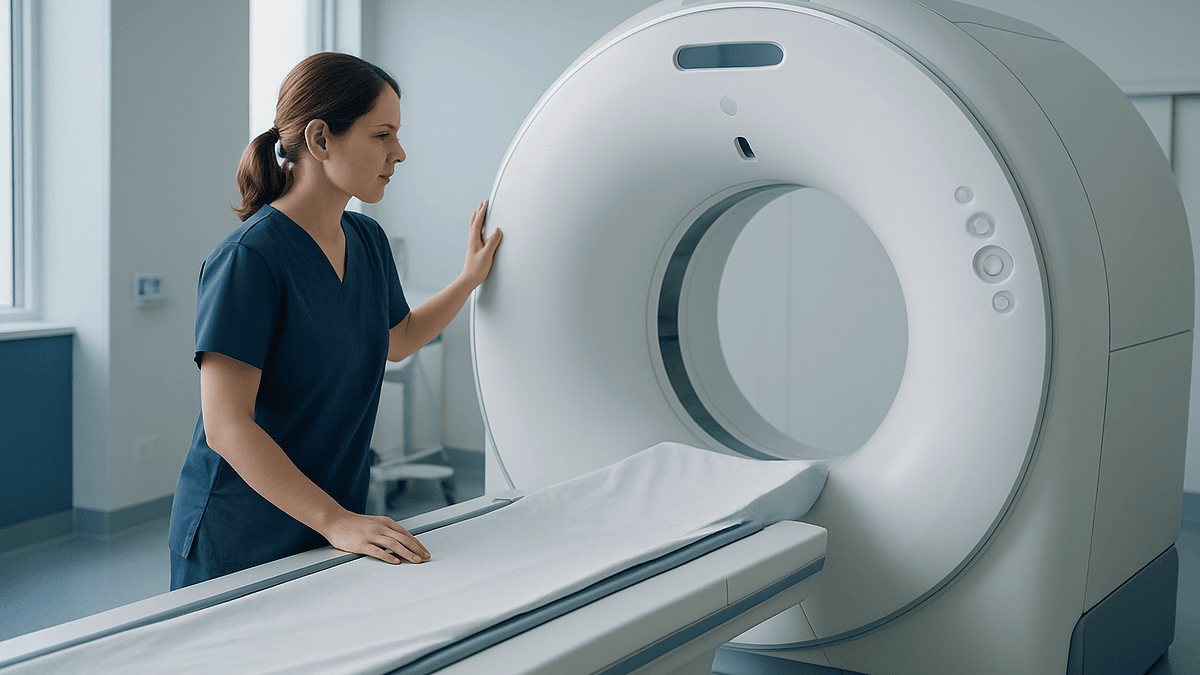
Key Takeaways
- Bowel prep for colon surgery usually combines a low-residue diet, a laxative flush and oral antibiotics, and registry evidence supports the combination rather than the flush alone.
- Anyone with signs of a partial bowel blockage, such as pencil-thin stools or a swelling abdomen, should tell the team before starting the laxative, because the prep may need to be modified or skipped.
- Blood thinners, diabetes medicines and herbal supplements are the three groups most likely to need a timed plan, and every pause or restart is scheduled by the prescribing clinician, never by the patient alone.
- Iron-deficiency anemia is common in colon cancer and is one of the few problems the pre-assessment clinic can sometimes correct before the operation.
- Whether a stoma is formed depends mainly on the tumor's position and whether the operation is planned or an emergency, not simply on the cancer's stage, and many stomas are temporary.
- MedlinePlus quotes a typical hospital stay of about three to seven days after large bowel resection, with fatigue, not pain, usually the dominant complaint in the weeks that follow.
Quick Answer
Bowel prep before colon cancer surgery usually means a low-residue diet, a prescribed laxative solution and, in many centers, oral antibiotics during the day or two before the operation, to empty the colon and lower the risk of infection. Preparation also includes a medication review, blood tests, heart and lung checks, and fasting rules. Your surgical team sets the exact plan, and their written instructions take priority over general advice.
The envelope from the surgical unit is thicker than she expected. Inside: a diet sheet, a pharmacy label for a laxative solution, a list of medicines to discuss, and an appointment for something called a pre-assessment clinic. She has a diagnosis she is still absorbing, a surgery date circled on the calendar, and a sudden new job: getting her own body ready for the operation.
Bowel prep before colon cancer surgery is the part most people fix on, partly because it is unpleasant and partly because it is the one task that feels entirely in their hands. Yet the prep is only a third of the story. The medication review and the fitness checks that sit alongside it quietly shape how safely the operation goes and how the first week afterward feels.
This explainer walks through all three, in the order they usually happen, with the evidence laid out plainly and the decisions left where they belong: with the team who will be in the operating room with you.
What does bowel prep before colon cancer surgery actually involve?
Bowel preparation, usually shortened to bowel prep, is the process of emptying the large intestine of stool before an operation on it. For colon cancer surgery it typically has three parts, although your unit may use only some of them.
The first part is dietary. For one to three days you are commonly asked to switch to a low-residue or low-fiber diet, meaning foods that leave little bulk behind: white bread, plain rice, eggs, smooth yogurt, clear soups. Then, usually on the day before surgery, you move to clear liquids only. MedlinePlus describes this stepped approach in its guide to large bowel resection, the operation that removes part of the colon.
The second part is mechanical. A prescribed laxative solution draws water into the bowel and flushes it through, so the stool is cleared rather than simply reduced. The experience is similar to a colonoscopy prep: frequent, urgent, watery bowel movements over several hours, best managed close to a bathroom with something to read and a supply of clear fluids to replace what you lose.
The third part, used in many centers, is a short course of oral antibiotics, tablets taken by mouth that stay largely within the gut. The aim is to reduce the number of bacteria lining the colon at the moment the surgeon cuts and rejoins it. Which antibiotics, when they are taken and whether they are used at all is a decision your surgical team makes based on their protocol and your medical history.
None of this happens in the operating room. Bowel prep is done at home or on the ward, which is why the written instructions matter so much. Read them twice, ask about anything unclear, and keep them beside the phone.
Why do surgeons ask for it, and what does the evidence show?
Think of the colon as a garden hose full of soil. If a surgeon cuts it and stitches or staples the two ends together, that join, called an anastomosis, has to heal while sealed against whatever is inside. An empty, cleaner bowel is easier to handle during keyhole surgery, gives the surgeon a clearer view, and in theory means fewer bacteria pressing against the fresh join.

The evidence has moved in an interesting way. Earlier randomized trials that tested the laxative flush on its own, without antibiotics, found it did not clearly reduce complications compared with no prep. That finding led some units to abandon it. More recent large surgical registry analyses and guideline reviews, indexed in the NIH National Library of Medicine, then compared laxative prep combined with oral antibiotics against either alone or nothing. The combined approach was associated with fewer surgical site infections and fewer anastomotic leaks, which is why several surgical societies now recommend it for planned colon operations.
Two honest caveats belong here. Most of the combined-prep data come from observational registries rather than large randomized trials, so the strength of the evidence is moderate rather than definitive. And practice still varies between countries and hospitals; a unit that skips the flush is not being careless, it may simply be weighting the trial evidence differently.
What this means for you is straightforward. If your team asks for a full prep, the request rests on a reasonable body of evidence. If they ask for a lighter version, that too has support. The one thing the evidence does not support is doing half the prep you were given, because the antibiotics and the flush appear to work as a pair.
Who is usually asked to do bowel prep, and who is asked to wait or skip it?
Most people having a planned removal of part of the colon, whether through small keyhole incisions or one longer open incision, will be asked to do some form of prep. That includes the common operations for colon cancer: a right hemicolectomy (removing the right side of the colon), a left or sigmoid colectomy (the lower left portion) and an anterior resection (the sigmoid colon and upper rectum).
There are groups for whom the standard prep is modified or paused. The clearest is anyone whose tumor is partly blocking the bowel. Flushing several liters of fluid toward a narrowing can cause severe cramping and, rarely, a full obstruction, so surgeons often use a gentler approach or none at all. If you have noticed your stools becoming pencil-thin or your abdomen swelling, tell the team before you start the prep, not after.
People with significant kidney disease, heart failure or frailty may be given a different laxative formulation or asked to prep on the ward, where fluids and blood salts can be monitored. Diabetes changes the timing of the clear-fluid day, because sugar levels can drop when meals stop; that is a conversation with whoever manages your diabetes, not a reason to skip the prep on your own.
Emergency surgery, where the bowel has already blocked or perforated, usually has no prep at all. There is no time, and the priority shifts to stabilizing the patient. This is one reason emergency colon operations more often end with a temporary stoma, which we come back to later.
Finally, a small number of people are asked to wait for the surgery itself rather than the prep: those with a recent chest infection, poorly controlled blood pressure or a newly found anemia that can be corrected first. Waiting a few weeks to arrive in better shape is a clinical judgment, and it is one your surgeon and anesthesiologist make together.
Medication review before colon surgery: what your team needs to know and why
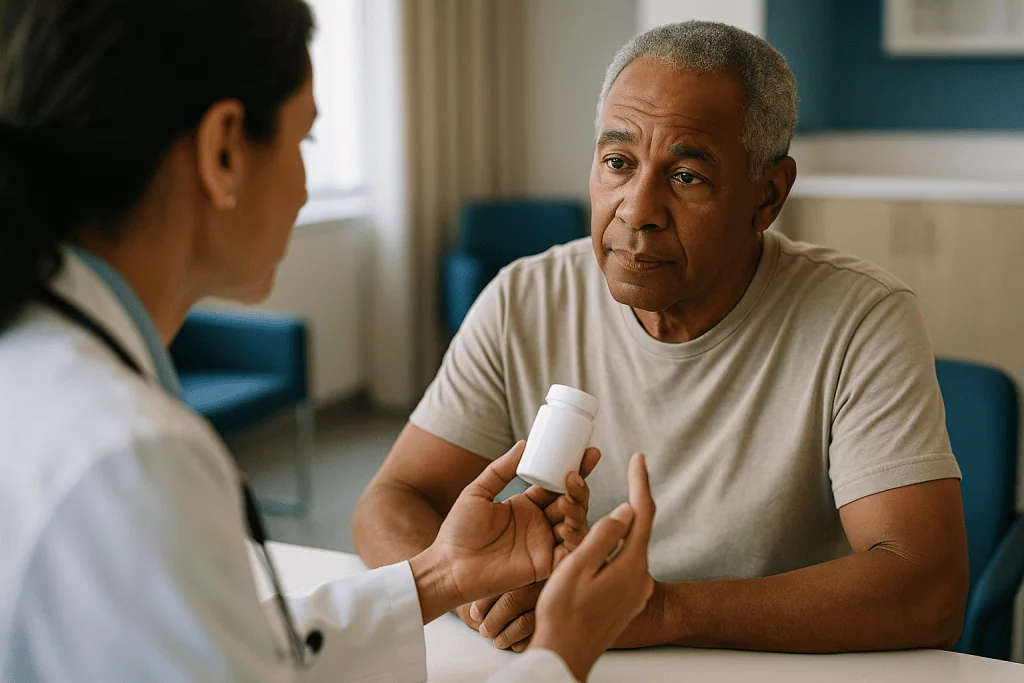
The pre-assessment nurse or pharmacist will ask for every medicine you take, and they mean every one: prescriptions, over-the-counter painkillers, inhalers, patches, vitamins and herbal supplements. Bring the boxes or a photo of them. The review is not a test of your memory; it is about how each substance behaves under anesthesia and around a healing bowel.
| Medicine group | Why it matters around colon surgery | Who decides the plan |
|---|---|---|
| Anticoagulants and antiplatelets (blood thinners) | Reduce clotting, which protects against strokes and clots but raises bleeding risk during surgery | Surgeon with the prescribing clinician, often a cardiologist or hematologist |
| Diabetes medicines, including newer injectable classes | Fasting lowers sugar; some newer classes slow stomach emptying or affect fluid and acid balance during fasting | Anesthesiologist with the diabetes team |
| Blood pressure medicines | Some are continued, some paused on the morning of surgery to avoid pressure dropping under anesthesia | Anesthesiologist |
| Steroids and immune-suppressing drugs | Affect stress response and wound healing; usually continued, sometimes adjusted | Surgeon with the prescribing specialist |
| Herbal supplements and fish oil | Several thin the blood or interact with anesthetics | Anesthesiologist; commonly paused in advance |
Blood thinners deserve a word on mechanism. Warfarin, the older anticoagulant, takes days to wear off and days to rebuild, so any pause is planned well ahead. The newer direct oral anticoagulants act and clear faster, and antiplatelet drugs such as aspirin affect platelets for their lifespan of about a week. The NHS guide to preparing for an operation stresses that none of these should be stopped on your own initiative; the risk of a clot from an unplanned pause can outweigh the bleeding risk the pause was meant to avoid.
The same principle covers everything in the table. Your job is complete disclosure. The team’s job is the timing.
Fitness checks before colon cancer surgery: what the tests are looking for
A colon resection is a major operation under general anesthesia lasting several hours, so the pre-assessment clinic is really a fitness assessment: can your heart, lungs, kidneys and blood carry you through the operation and the recovery? Mayo Clinic’s overview of colectomy describes these checks as routine, and most of them are quick.
Blood tests come first. A full blood count looks for anemia, low red blood cells, which is common in colon cancer because tumors bleed slowly into the bowel for months. Iron deficiency found at this stage can sometimes be corrected before surgery, which is one of the more useful things the clinic can do. Kidney and liver tests confirm you can process anesthetic drugs and the fluids given during the prep. A clotting screen and blood group are taken in case a transfusion is needed.
An electrocardiogram, a five-minute tracing of the heart’s electrical rhythm, is standard for most adults. If it shows something unexpected, or if you become breathless on stairs, the anesthesiologist may add an echocardiogram (an ultrasound of the heart) or a formal exercise test. Some units use cardiopulmonary exercise testing, pedaling a bike while your breathing is measured, to estimate how much reserve you have for recovery.
Lung function tests and a chest X-ray are added for smokers, people with asthma or COPD, and anyone with a recent chest infection. A swab for bacteria such as MRSA on the skin is common, so that antibiotic cover can be matched to what is found.
The anesthesiologist also asks about previous anesthetics, loose teeth, sleep apnea and your alcohol intake. Answer plainly. Nothing you say changes whether you deserve the operation; it changes how safely the team can deliver it.
Can you get fitter before surgery? What prehabilitation really offers
Prehabilitation is the idea of using the weeks between diagnosis and surgery to build reserve, the way a runner trains before a race rather than after it. It usually rests on three legs: exercise, nutrition and mental preparation. The NHS guide to bowel cancer treatment and general pre-surgery advice both encourage it, and many cancer units now run structured programs.
The exercise component does not require a gym. Guideline advice for adults is around 150 minutes a week of moderate activity, the kind where you can talk but not sing, and even people who start well below that can add daily brisk walks and simple leg-strengthening movements. The physiological logic is sound: stronger legs mean earlier walking after the operation, and earlier walking is linked to fewer chest infections and blood clots in enhanced recovery programs. What the evidence does not yet show conclusively is a large effect on major complications; trials have been small and mixed, so treat prehabilitation as sensible preparation rather than a guarantee.
Nutrition matters more than most people assume. Cancer, worry and a changed appetite can strip muscle in weeks. Protein at each meal, and a dietitian’s input if you have lost weight without trying, are standard requests. If you are given nutritional drinks, they are part of the plan, not an optional extra.
Stopping smoking is the single change with the clearest evidence. The NHS notes that quitting even a few weeks before an operation lowers the risk of wound and chest complications, because carbon monoxide and nicotine reduce oxygen delivery to healing tissue. Alcohol reduction helps the liver process anesthetics and improves sleep.
The mental leg is often skipped. Knowing what each day will look like, practicing slow breathing, and naming the person who will drive you home all reduce the sense of free fall that a surgery date can bring.
Eating and drinking in the final days: fasting rules and what to expect
The last 72 hours follow a script, and it helps to know the reasoning behind each line rather than just the rule.
The low-residue days reduce the volume of stool the laxative has to shift, so the flush is quicker and less exhausting. Skip whole grains, seeds, nuts, raw vegetables, fruit skins and red meat; favor white rice, pasta, eggs, fish, smooth yogurt and well-cooked peeled vegetables. Your unit’s sheet will be more specific and takes priority.
Clear-fluid day means anything you can see through: water, clear broth, apple juice without pulp, weak tea or black coffee, gelatin, ice pops without fruit pieces. Many units ask you to avoid red or purple colors because the dye can be mistaken for blood in the bowel. Aim for a glass every hour while awake; the laxative pulls fluid out of the body, and dehydration is what causes the headache and dizziness people remember.
Fasting before anesthesia is separate from the prep. The NHS guide to preparing for an operation gives the widely used pattern: no solid food for about six hours before the anesthetic, and clear fluids allowed until about two hours before. The six-hour gap exists because a stomach with food in it can regurgitate during anesthesia and reach the lungs. The two-hour fluid window is deliberate; arriving dehydrated is not a virtue.
Many enhanced recovery programs add a carbohydrate-rich clear drink the evening before and early on the morning of surgery, within the fasting window. The idea is to shift the body out of starvation mode, which appears to reduce insulin resistance after surgery. If you have diabetes, whether you receive this drink is decided by your team, not by the protocol sheet.
Your own medicines on the morning of surgery follow the plan written at pre-assessment. If it says take with a sip of water, that sip is allowed.
How long does colon cancer surgery take, and what happens on the day?
The operation itself is measured in hours, not minutes. The time depends on the section of colon involved, whether keyhole or open, how much scar tissue exists from previous operations, and whether lymph nodes or nearby organs are being removed at the same time. Your surgeon will give an estimate at the consent conversation; treat that number as personal, because averages quoted online rarely match an individual case. What families can rely on is that waiting-room time is always longer than operating time, since it includes anesthesia, positioning, and the recovery bay afterward.
On arrival you change into a gown, have a wristband checked several times, and meet the anesthesiologist again. A cannula, a thin tube into a vein, goes into the back of the hand or arm. Compression stockings and often a small injection under the skin to thin the blood slightly are given, because pelvic and abdominal surgery raises the risk of leg clots. Antibiotics are given into the vein within the hour before the first incision, regardless of whether you took oral ones at home.
Under general anesthesia the surgeon removes the segment containing the tumor together with its blood supply and the fan of lymph nodes that drain it, described in the MedlinePlus entry on large bowel resection. The two healthy ends are then joined, or, if joining is unsafe, one end is brought to the skin as a stoma. A catheter to drain urine and sometimes a small drain near the join are placed while you are asleep.
You wake in a recovery area, often with a nerve block or an epidural managing pain, and are moved to the ward once your breathing and blood pressure are stable. Most people remember very little of that first afternoon, and that is normal.
Will I need a colostomy bag after colon surgery?
A stoma is an opening on the abdomen where a piece of bowel is brought to the skin and stool passes into a sealed pouch. A colostomy uses the colon; an ileostomy uses the small bowel. The question of whether one is needed causes more anxiety than any other, so it deserves a plain answer: many people who have colon cancer surgery do not need one at all, and among those who do, a large proportion have a temporary stoma that is later reversed.
Whether a stoma is formed depends on where the tumor sits and how the operation unfolds, not simply on the cancer’s stage. Tumors high in the colon can usually be removed and the bowel rejoined immediately. Tumors low in the rectum, close to the anus, leave a join that heals in a less forgiving environment, so surgeons often protect it with a temporary loop ileostomy for some months. The NHS bowel cancer treatment guide describes both temporary and permanent stomas in these terms.
Stage 4 disease, meaning the cancer has spread beyond the bowel, does not automatically mean a bag. If the primary tumor is causing a blockage, a stoma may be the quickest way to relieve it; if the tumor is quiet and treatment is focused on the spread, surgery on the bowel may not be planned at all. Each of these is a multidisciplinary decision.
Emergency operations are the setting where stomas are most common, because an inflamed or obstructed bowel is not safe to rejoin. That is a practical argument for reporting worsening symptoms early rather than waiting for the planned date.
If a stoma is possible, a specialist stoma nurse usually meets you before the operation, marks the best site on your abdomen and shows you the pouch. Meeting the equipment in advance takes much of the fear out of it.
Recovery after colon resection: what the first days and weeks usually look like
The first 24 hours are about waking up, controlling pain and taking sips. Enhanced recovery programs, now standard in most colorectal units, ask you to sit out of bed and take a few steps on the day of surgery or the morning after. It feels early. It is early on purpose, because movement wakes the bowel, protects the lungs and lowers clot risk.
Over days two to four the bowel restarts, announced by passing gas, then loose stool. Fluids progress to soft food as this happens. The urinary catheter and any drains come out, pain moves from intravenous medicines to tablets, and the cannula is removed once you are drinking well. MedlinePlus gives a typical hospital stay of around three to seven days for a large bowel resection, with shorter stays more common after keyhole surgery.
Going home does not mean being recovered. Fatigue is the dominant complaint of weeks two and three: the body is diverting energy to healing a join inside and incisions outside. Bowel habits are unpredictable for a while, often looser and more frequent, particularly after the right side of the colon is removed because that section absorbs much of the water. MedlinePlus advises avoiding heavy lifting for several weeks so the abdominal wall can knit, and most people return to desk work and driving within a few weeks once they are off strong painkillers and can brake without pain.
Stage 1 cancers and larger cancers are removed with much the same operation, so the recovery timeline is driven by the type of surgery and your fitness rather than by the stage. Full stamina commonly takes six to twelve weeks to return, a range quoted in the NHS bowel cancer guide, and longer for people who were frail beforehand.
The pathology results arrive during this period and determine whether further treatment is discussed. That conversation belongs to your oncology team.
What foods should I avoid after a colon resection?
The post-operative diet runs opposite to the way most people expect: it starts with the same low-fiber foods you ate before surgery and only gradually returns to the whole grains and vegetables that are good for a healthy colon. The MedlinePlus discharge guide for large bowel resection lays out this progression.
In the first two to four weeks the join and the shortened colon handle bulk poorly. Foods commonly limited include:
- Raw vegetables, salads and vegetable skins, which are hard to break down
- Whole nuts, seeds, popcorn and dried fruit, which can cause cramping
- Very high-fiber cereals and breads until stools settle
- Gas-forming foods such as beans, cabbage, onions and carbonated drinks, which stretch a tender bowel
- Large fatty or fried meals, which speed transit and worsen looseness
- Alcohol, which irritates the bowel and interacts with painkillers
What tends to work is the reverse list: small meals every two to three hours rather than three large ones, plenty of fluids sipped through the day, protein at each meal for healing, and soft cooked vegetables and peeled fruit added back one at a time. If a food causes trouble, leave it a week and try again rather than banning it forever.
People whose right colon was removed often find that soluble fiber sources such as oats, bananas and peeled apples firm the stool, while insoluble fiber does the opposite. Those with a new ileostomy receive a more specific sheet from the stoma nurse, because output volume and blockage risk need closer attention.
By around six to eight weeks most people are back to a broadly normal diet, and long-term advice returns to the familiar pattern: fiber, vegetables, less processed meat, moderate alcohol. If eating remains a struggle at that point, ask for a dietitian referral rather than assuming it is the new normal.
What people often get wrong about bowel prep before colon cancer surgery
Some misunderstandings show up in almost every pre-assessment clinic. Correcting them costs nothing and prevents genuine harm.
“If a little prep is good, more is better.” Doubling the laxative, or fasting for an extra day, increases dehydration and salt imbalance without improving the result. The protocol is dosed and timed for a reason; extra effort here does not translate into a cleaner bowel.
“I’ll skip the antibiotics; the flush is the important part.” The evidence points the other way. The observational data supporting prep show benefit for the combination, and the flush on its own performed no better than nothing in earlier trials. Skipping either half undermines the logic of doing it at all.
“I should stop my blood thinner myself to be safe.” An unplanned pause can allow a clot that is far more dangerous than the bleeding the pause was meant to prevent. Every stop, and every restart, is scheduled by the team.
“Bowel prep is what makes surgery succeed or fail.” It is one contributor among many. Smoking status, anemia, nutrition, fitness and the surgical technique itself carry at least as much weight. People sometimes pour anxiety into the prep because it feels controllable, while ignoring the walk they could take every day.
“The prep will be unbearable.” It is unpleasant and tiring, not dangerous for most people, and it ends within a day. Chilling the solution, using a straw, sipping steadily rather than gulping, and applying a barrier cream before the bathroom visits start all make it more tolerable.
“Once I’m home, I’m better.” Discharge marks the point where you are safe to recover elsewhere, not the point of recovery. Planning help for the first two weeks is part of the preparation, not an afterthought.
Questions to ask your care team
The consent appointment and the pre-assessment clinic are the two moments when the people who will operate on you are sitting still and expecting questions. Write yours down beforehand; almost everyone forgets under the fluorescent lights. Bring someone with you, and ask whether you may record the conversation on your phone.
On the prep itself, useful questions include: Which parts of the prep does this unit use, and what is the reasoning? What should I do if I vomit the solution or cannot finish it? If I have signs of a partial blockage, whom do I call before starting? Is there a version of the prep I can do on the ward if I live alone?
On medicines: Which of mine will be paused, when, and who tells me when to restart? What do I take on the morning of surgery? Are any of my supplements a problem? Who manages my diabetes plan during the clear-fluid day?
On the operation: Is keyhole surgery planned, and what would make you convert to an open operation? Where will the incisions be? Is a stoma possible, and if so is it likely to be temporary? Can I meet the stoma nurse beforehand? Roughly how long will I be in theater, and when will my family hear news?
On recovery: What does the enhanced recovery plan expect of me on each day? How will pain be managed once I go home? What are the signs of a problem with the join, and whom do I call at 2 a.m.? When will the pathology results be discussed, and with whom?
One final question is worth asking directly: What can I do in the next few weeks that would make the biggest difference to how this goes? The answer will be specific to you, which is exactly why no article can supply it.
When to call your doctor: red-flag signs before and after surgery
Most preparation and most recoveries are uneventful. A small number of situations need a same-day call to the surgical unit, or emergency care if the unit cannot be reached. Knowing them in advance turns a frightening moment into a clear action.
During bowel prep, contact the team if you develop severe or worsening abdominal pain, a swollen tight abdomen, repeated vomiting that prevents you keeping fluids down, or no bowel movement at all several hours after the solution should have worked. These can indicate a blockage and mean the prep should stop. Dizziness on standing, a racing heart, confusion or very little urine suggest dehydration or salt imbalance and also warrant a call. A fever, new cough or chest pain in the days before surgery should be reported, because the operation may need rescheduling.
After surgery, the MedlinePlus discharge guide lists the signs that need urgent attention: a temperature above about 38°C (100.4°F), increasing rather than decreasing abdominal pain, an abdomen that becomes hard or swollen, vomiting, no gas or stool for more than a day or two after having passed some, and any redness, warmth, pus or separation at an incision. Bleeding from the rectum beyond streaks, or a stoma that turns dark purple or black, needs immediate assessment.
Seek emergency care without waiting for a callback if you have chest pain, sudden breathlessness, a swollen painful calf, fainting, or heavy bleeding. Clots in the leg or lung remain a recognized risk for several weeks after abdominal surgery, which is why the stockings and walking matter.
None of these signs means something has definitely gone wrong. They mean the team needs to look, and looking early is what keeps a small problem small. Keep the ward’s number where you can find it in the dark.
Frequently asked questions
How long does it take to recover from stage 1 colon cancer surgery?
Recovery depends on the type of operation and your fitness more than on the stage. MedlinePlus gives a typical hospital stay of around three to seven days after large bowel resection, shorter after keyhole surgery. Most people return to light activity within a few weeks, while full stamina commonly takes six to twelve weeks, a range the NHS quotes for bowel cancer surgery generally.
Is a colostomy bag necessary for stage 4 colon cancer surgery?
Not necessarily. A stoma is formed when the bowel cannot safely be rejoined or when a tumor is causing a blockage, and those decisions depend on the tumor’s position and the urgency of the operation rather than on stage alone. Some people with stage 4 disease have no bowel surgery at all if treatment focuses on the spread. Your multidisciplinary team makes this call.
How long does colon cancer surgery take?
The operation usually takes several hours, varying with the section of colon involved, whether keyhole or open, scar tissue from earlier operations and whether nearby structures are removed. Your surgeon will give a personal estimate at the consent visit. Families should expect the total time away, including anesthesia and recovery, to be considerably longer than the operating time itself.
What foods should I avoid after a colon resection?
For the first few weeks most units advise limiting raw vegetables, skins, nuts, seeds, popcorn, very high-fiber cereals, gas-forming foods such as beans and carbonated drinks, fried or fatty meals and alcohol, as described in the MedlinePlus discharge guide. Small frequent meals with protein and plenty of fluid suit a healing bowel, with fiber reintroduced gradually over about six to eight weeks.
Can I do bowel prep if I have diabetes?
Usually yes, but the clear-fluid day and fasting period change how your sugar levels behave, so the plan for your diabetes medicines needs to be set in advance by your diabetes or anesthetic team. Some newer diabetes drug classes have specific timing considerations around anesthesia. Never adjust these medicines on your own; ask the pre-assessment clinic to write the plan down.
What happens if I cannot finish the bowel prep solution?
Call the surgical unit rather than forcing it. Vomiting the solution, severe cramping or no bowel movement hours after it should have worked can indicate a blockage or intolerance, and the team may adjust the plan or complete the prep on the ward. Partial prep is common and usually manageable; what matters is that the surgeon knows before the operation.
Do I really need to stop smoking before colon surgery?
It is the change with the clearest evidence. The NHS notes that stopping even a few weeks before an operation lowers the risk of wound and chest complications, because carbon monoxide and nicotine reduce oxygen delivery to healing tissue and the bowel join. Nicotine replacement and support services are usually offered at pre-assessment; ask what your unit provides.
Should I stop my blood thinner before colon cancer surgery?
Only when and how your surgical and prescribing teams instruct. Anticoagulants and antiplatelets raise bleeding risk during surgery, but an unplanned pause can allow a clot or stroke that is more dangerous. Different drugs clear at different speeds, so the timing is individual. Bring every medicine to pre-assessment and expect a written schedule for stopping and restarting.
What is prehabilitation before colon cancer surgery?
Prehabilitation means using the weeks before surgery to build physical and nutritional reserve: daily brisk walking and simple strength exercises, adequate protein, stopping smoking, reducing alcohol and preparing mentally for the hospital stay. Trials show it is feasible and improves fitness measures; evidence for large reductions in major complications is still mixed, so think of it as sensible preparation rather than a guarantee.
How soon after colon surgery can I eat normally?
Most people start clear fluids the day of surgery, move to soft low-fiber food as the bowel restarts over the next two to four days, and return to a broadly normal diet by around six to eight weeks, according to MedlinePlus discharge guidance. Bowel habit often stays looser for longer, especially after right-sided resections, and a dietitian can help if eating remains difficult.
References
- MedlinePlus: Large bowel resection
- MedlinePlus: Large bowel resection – discharge
- NHS: Bowel cancer – Treatment
- NHS: Having an operation (surgery) – Preparing for surgery
This article is for general information only and is not a substitute for professional medical advice. Please consult a qualified doctor about your individual situation.

More from the Blog

Mohs Surgery Recovery: Pressure Dressing, Stitches and the First Two Weeks of Wound Care
Mohs surgery recovery usually begins with a firm pressure dressing worn for about one to two days, followed by daily gentle cleaning, ointment and…

Why Genetic and Molecular Testing Comes First in Acute Myelogenous Leukemia Treatment
Genetic and molecular testing comes first in acute myelogenous leukemia because the chromosome changes and gene mutations found in the leukemia cells decide which…

Why a Dental Check Comes Before IMRT for Head and Neck Cancer
A dental check comes before IMRT for head and neck cancer because radiation permanently reduces the jawbone's blood supply and its ability to heal.…

Why Immunotherapy Side Effects Can Look Like an Infection: What the Care Team Checks
Immunotherapy side effects can look like an infection because both are driven by inflammation, so fever, cough, diarrhea, and fatigue overlap. Immune related adverse…

Rebuilding Strength After Acute Myeloid Leukemia Treatment: Nutrition, Activity and Rest
Recovery after AML treatment usually unfolds over months, not weeks, as the bone marrow slowly rebuilds normal blood cells. Evidence supports three anchors: regular…

HIPEC Recovery in Hospital: Pain Control, Bowel Recovery, Walking and Returning to Eating
HIPEC recovery in hospital usually means one to two weeks after the operation, often starting with a planned night or two in intensive care.…