

Questions to Ask a Surgical Oncologist Before Agreeing to a Cancer Operation
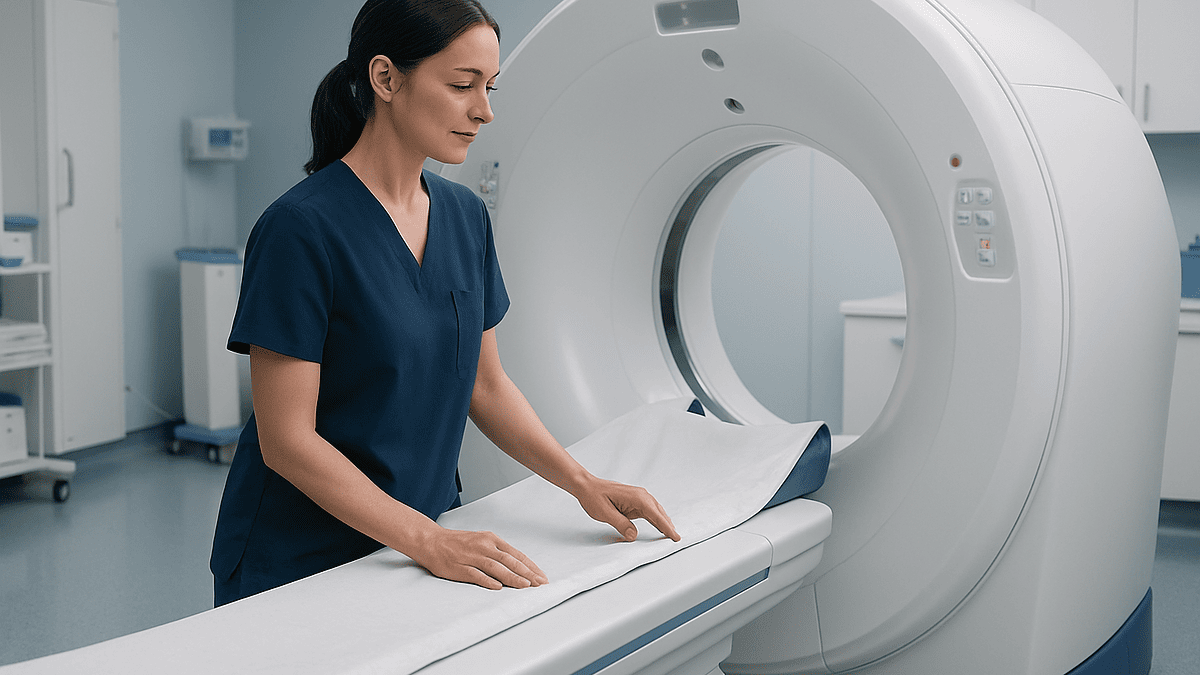
Key Takeaways
- A referral to a surgical oncologist means surgery is being considered, not decided, and the first question to ask is whether the operation is meant to diagnose, remove, or relieve.
- Clinical staging from scans and pathologic staging from removed tissue can differ, so ask how the plan would change if the stage turns out different on the table.
- A margin is the rim of normal tissue removed around a tumor; a positive margin, where cancer reaches the edge, can mean a second operation or added treatment.
- Minimally invasive approaches usually mean smaller incisions and shorter stays, but the priority in cancer surgery is complete removal, and an open approach is sometimes the safer route to it.
- Valid consent under NHS guidance must be voluntary and informed, which means you can ask for risks specific to your operation, not just the general list.
- At stage 4, surgery is usually proposed for symptom relief or limited metastases, so the key questions are about goals, recovery time, and how it fits with ongoing drug treatment.
Before agreeing to a cancer operation, ask the surgical oncologist what the surgery is meant to achieve, exactly what will be removed, how the diagnosis and stage were confirmed, what the specific risks and recovery look like, what alternatives exist including waiting, how the operation fits with chemotherapy or radiation, and who will care for you afterward. Bring a companion, take notes, and ask for time to decide.
The folder sits on the kitchen table, unopened. Inside is the scan report, the pathology letter, and a single line that has rearranged the week: a referral to a surgical oncologist. The appointment is Thursday. Somewhere between the first phone call and now, the idea of questions to ask a surgical oncologist has become both urgent and oddly hard to pin down. What do you ask a stranger who is proposing to operate on you?
Most people walk into that room with a version of the same fear: that they will nod along, sign something, and only later realize what they did not ask. That fear is reasonable. It is also fixable. A cancer consultation is a structured conversation, and the surgeon expects to be questioned.
This guide is built around the questions people actually type into a search bar the night before, organized so that you leave the appointment understanding the plan rather than simply agreeing to it.
Why would I be referred, and what does a surgical oncologist do?
A surgical oncologist is a surgeon who has completed additional training in operating on cancers, usually solid tumors such as those of the breast, colon, pancreas, liver, skin, or soft tissue. The referral itself does not mean an operation has been decided. It means a specialist is being asked whether removing tissue could help, and if so, how.
In practice, the referral usually comes for one of four reasons. A biopsy has confirmed cancer and the team wants an opinion on whether it can be removed. Imaging has found a mass that cannot be safely diagnosed with a needle, and surgery may be the way to get tissue. Cancer has already been treated with drugs or radiation and the team wants to know whether surgery can remove what remains. Or a tumor is causing a mechanical problem, such as a blockage or bleeding, and surgery is being considered to relieve it regardless of whether every cell can be taken out.
The surgical oncologist rarely acts alone. In most cancer programs, decisions run through a tumor board, a regular meeting where surgeons, medical oncologists, radiation oncologists, radiologists, and pathologists review each case together. The person you meet is translating that group’s thinking, and adding their own judgment about what is technically possible in your body.
So the first useful question is simply: Why me, why now, and what are you hoping surgery will do? The answer separates three very different jobs. Diagnostic surgery gathers information. Curative-intent surgery aims to remove all detectable disease. Palliative surgery, which means surgery to ease symptoms rather than eliminate the cancer, aims at comfort and function. Knowing which of these is being proposed changes every question that follows.
Surgical oncologist vs medical oncologist: who decides what?
People are often surprised to meet two, sometimes three, oncologists for one cancer. The division of labor matters because it tells you who to ask about what.

A medical oncologist treats cancer with medicines: chemotherapy, hormone therapy, targeted drugs, and immunotherapy. They usually coordinate the overall plan over months and years. A radiation oncologist uses focused radiation to destroy cancer cells in a defined area. The surgical oncologist’s contribution is physical removal, and, just as importantly, the tissue that removal provides, because the pathology report from an operation is often what finalizes the stage, the description of how far a cancer has spread.
These specialties increasingly work in sequence rather than in isolation. Neoadjuvant treatment, meaning chemotherapy or radiation given before surgery to shrink a tumor, has become standard for several cancers. Adjuvant treatment, meaning the same therapies given after surgery to reduce the chance of the cancer returning, is standard for many others. The National Cancer Institute describes surgery as one part of a plan that frequently includes these other modalities, not a stand-alone event.
This is why a good consultation includes the question: Has my case been discussed with a medical oncologist and a radiation oncologist, and do they agree that surgery is the right first step? If the honest answer is that the discussion has not happened yet, that is not alarming, but it is worth knowing before you commit to a date.
It also helps to ask who will be your main point of contact. Cancer care can feel like being passed between offices. Naming the coordinator, whether a nurse navigator, a physician assistant, or the surgeon’s office, gives you a single door to knock on when the plan changes.
What actually happens during a cancer operation, in plain language
Cancer surgery is not one procedure but a family of them, and the surgeon should be able to describe yours in ordinary words. Most operations to remove cancer share a few common steps.
First, access. The surgeon reaches the tumor either through a single larger incision, called open surgery, or through several small incisions using a camera and long instruments, called laparoscopic or minimally invasive surgery. Robotic surgery is a form of minimally invasive surgery in which the surgeon controls the instruments from a console in the same room. None of these approaches is automatically better; the choice depends on the location of the tumor, its size, prior operations, and the surgeon’s training.
Second, removal with a margin. A margin is the rim of normal-looking tissue taken around a tumor so that a pathologist can check whether cancer cells reach the edge. A clear margin means they do not. A positive margin means they do, which can lead to a second operation or additional treatment.
Third, lymph node assessment. Lymph nodes are small filters in the drainage system of the body, and cancer often spreads to them first. Depending on the cancer, the surgeon may remove a sentinel node, the first node a tumor drains to, or a group of nodes, to see whether the disease has traveled.
Fourth, reconstruction or repair. When part of an organ is removed, the remaining ends may need to be joined, and when tissue is lost, a plastic surgeon may rebuild it.
Finally, everything removed goes to pathology. The full report usually takes days, and it is this report, more than the operation itself, that shapes what comes next. Asking walk me through my operation step by step is not naive. It is the single question that most reliably reveals whether the plan is clear in the surgeon’s own mind.
Who is usually offered surgery, and who is usually asked to wait?
Surgery is offered when the expected benefit, whether information, control, or relief, outweighs the risk of the operation for that particular person. Both halves of that sentence matter, and both are worth asking about directly.

Surgery is more likely to be recommended when the cancer appears confined to one area and can be removed with clear margins, when the person is fit enough to tolerate anesthesia and recovery, and when removal is expected to change the course of the disease or resolve a symptom that drugs cannot. It is also recommended when tissue is needed and no safer way to obtain it exists.
People are commonly asked to wait, or offered something else first, in several situations. Some tumors are too large or too close to critical structures to remove safely as they are, so neoadjuvant treatment is used to shrink them. Some cancers have already spread widely enough that removing the original tumor would not change the overall picture, and drug treatment takes priority. Some very slow-growing cancers, certain prostate and thyroid cancers among them, may be monitored under active surveillance, a plan of scheduled scans and tests rather than immediate treatment, according to NHS guidance on cancer treatment options.
Then there is fitness. Surgeons assess heart and lung function, kidney health, nutrition, frailty, and other conditions such as diabetes. Someone may be asked to wait weeks to stop smoking, improve blood sugar control, or build strength through a structured prehabilitation program, because those changes can lower the chance of complications.
The question to ask here is blunt: Am I a good candidate for this operation, and if there is anything that would make me a better one, what is it? The answer sometimes buys time that turns out to be useful.
Questions to ask a surgical oncologist about the diagnosis and stage
An operation is only as sound as the diagnosis underneath it, so the first cluster of questions to ask a surgical oncologist concerns what is actually known.
Start with certainty. How was the cancer confirmed? Most solid tumors are confirmed by biopsy, a sample of tissue examined under a microscope. Some are operated on based on imaging alone when a biopsy would be risky or unhelpful. Knowing which applies to you tells you how much of the plan rests on assumption.
Move to the type. What exactly is the cancer called, and what does that name tell you? Pathology reports include the cell type, the grade, meaning how abnormal the cells look and roughly how fast they may grow, and often molecular markers that influence drug choices. You do not need to memorize these, but you should hear them once in plain English.
Then the stage. What stage do you believe this is, and how confident are you? Staging before surgery is called clinical staging and is based on scans and biopsies. Staging after surgery is called pathologic staging and is based on what was removed. The two do not always match, and the surgeon should say so.
Ask whether anything is missing. Are there tests you would want before operating, and why? Additional imaging, a second pathology review, or genetic testing can change the plan, and it is better to hear about them before a date is set than after.
Finally, ask how the plan would change if the stage turned out to be different on the table. Surgeons routinely prepare for this. Hearing them describe it out loud tells you the plan has depth rather than a single script.
Questions to ask before cancer surgery about the operation itself
Once the diagnosis is clear, the conversation turns to mechanics. This is where a written list earns its keep, because the details come fast and the vocabulary is unfamiliar. The table below pairs the core questions to ask before cancer surgery with the reason each one matters and what a clear answer tends to sound like.
| Question | Why it matters | A clear answer sounds like |
|---|---|---|
| What exactly will be removed? | Defines the scope, the margin, and what function may change | A named organ or part, plus which nodes, in plain words |
| Open, laparoscopic, or robotic, and why for me? | Approach affects incision size, hospital stay, and conversion risk | A reason tied to your anatomy, not a general preference |
| How long is the operation expected to take? | Longer anesthesia carries different considerations | A typical range for this procedure, with caveats |
| Will anything be reconstructed? | Some operations involve a second surgeon or a later stage | Who does it, when, and what the options are |
| Could the plan change during surgery? | Unexpected findings can mean more, or less, is removed | A description of what would trigger each decision |
| Will I have drains, a stoma, or a catheter? | These shape the first weeks at home | Which ones, for roughly how long, and who removes them |
Two further questions belong here. What kind of anesthesia will I have, and will I meet the anesthesiologist beforehand? The anesthesia team assesses your heart, lungs, and medicines, and the NHS advises that this pre-operative assessment is the moment to raise any prior reactions to anesthesia. And what should I stop or continue in the days before? Blood thinners, some diabetes medicines, and certain supplements are commonly adjusted, but only the prescribing clinician should tell you which and when. Write the answer down and ask for it in writing as well.
Questions about risks, complications, and what could go wrong
Surgeons are legally and ethically required to explain the material risks of an operation before you consent. The NHS describes valid consent as voluntary, informed, and given by someone with the capacity to decide. Informed means you have heard the risks that a reasonable person in your position would want to know. You are allowed to ask for more than the standard list.
Frame the question in two layers. First: What are the common complications of this specific operation? Across cancer surgery in general, these include bleeding, infection at the wound or inside the body, blood clots in the legs or lungs, pneumonia, and problems with healing where tissue has been joined. Second: What are the complications specific to removing this organ or this region? Every operation has its own. Nerve injury, changes to bowel or bladder function, swelling in a limb after node removal, and altered swallowing or speech are examples tied to particular sites. The surgeon should name the ones that apply to you.
Then ask about frequency in the surgeon’s own words: Of these, which do you see most often, and which worry you most for me? Numbers vary widely by cancer, by operation, and by the health of the person, which is why this article does not quote them. A thoughtful surgeon will give you their honest sense rather than a reassuring blur.
Ask what happens if a complication occurs. Would I need another operation? Would it delay other treatment? A complication that pushes back adjuvant chemotherapy is a real cost, and it belongs in the decision.
Finally, ask about long-term change. Some effects, such as a permanent stoma, altered digestion, or changes to fertility or sexual function, are not complications at all but predictable consequences. You deserve to hear them as clearly as the risks.
What are the alternatives, and what happens if I wait or decline?
The question people most often forget to ask, according to patient guidance from both Mayo Clinic and the NHS, is the simplest one: What are my other options? A surgeon who recommends surgery should still be able to describe what would happen without it.
Alternatives fall into a few groups. There may be a different operation, smaller or larger, with a different balance of risk and thoroughness. Breast cancer, for instance, can often be treated with breast-conserving surgery plus radiation or with mastectomy, and the choice depends on tumor size, location, and personal preference. There may be non-surgical treatment that achieves similar control for certain cancers, such as radiation for some early tumors, or ablation, a technique that destroys a tumor with heat or cold through a needle, for some small liver or kidney lesions. There may be active surveillance for very slow cancers. And there may be a sequence change, with drugs first and surgery later, or surgery first and drugs later.
Then ask the harder question: What would you expect to happen if I did nothing for now? The answer might be that the tumor would likely grow and become harder to remove. It might be that little would change over months. Either way, it is information you need to weigh the urgency honestly.
Ask, too, about time. How long can I safely take to decide? For most cancers, a few weeks to gather a second opinion or to attend to family matters does not change the outcome, but the surgeon can tell you whether yours is one where speed genuinely matters.
Seeking a second opinion is normal, and most surgeons expect it. The NHS notes that patients may ask to be referred for one, and it is not a mark of distrust.
Questions to ask a surgical oncologist about experience and the team
It can feel rude to ask a surgeon about their track record. It is not. Among the most important questions to ask a surgical oncologist are the ones about how often they do this operation and who supports them.
Ask directly: How many of these operations do you perform in a typical year? You are not looking for a magic number, and this article will not supply one. You are listening for whether this procedure is routine for this surgeon or occasional. Complex operations, such as those on the pancreas or esophagus, are the ones where this matters most, and a candid surgeon will say if a colleague or a higher-volume team would be a better fit.
Ask about the hospital’s support structure. Is there an intensive care unit? Who covers overnight and on weekends? If I have a complication at two in the morning, who comes? Cancer surgery is a team activity, and the night shift is part of the team.
Ask who else will be in the operating room. Trainees participate in surgery at teaching hospitals, under supervision, and this is a normal and well-regulated part of medical education. You can ask what they will do and how closely they are supervised.
Ask how outcomes are tracked. Does the program review its complications? Are results reported to a national registry? You may not get details, but the response tells you whether the culture is one of measurement.
Finally, ask how communication works. Who calls my family when the operation is over? How will I get the pathology results, and how soon? These small logistics carry enormous emotional weight, and settling them in advance removes one layer of dread from the day itself.
What questions should I ask my oncologist at stage 4 cancer?
Stage 4 means the cancer has spread from where it started to distant parts of the body. Surgery is discussed less often at this stage, but it is not off the table, and when it is proposed the purpose is usually different. That shift in purpose is the heart of what to ask.
Begin with goals. What is this operation meant to do for me? At stage 4, surgery may remove a limited number of metastases, secondary tumors, when scans suggest the spread is confined, a situation sometimes called oligometastatic disease. It may relieve a blockage in the bowel, stop bleeding, stabilize a bone weakened by a tumor, or place a device to deliver medicines or drain fluid. Each of these has a different measure of success, and none of them is about removing every cancer cell.
Ask about trade-offs in time. How long would recovery take, and what would I be unable to do during it? When time and energy are the currency, weeks spent recovering from an operation are a real expense. Ask whether a less invasive option, such as a stent, a small tube placed to hold a passage open, or radiation to a painful spot, could achieve a similar result.
Ask how surgery fits with systemic treatment. Would this delay or interrupt my current medicines? And ask about the alternative of continuing drugs alone.
Ask about palliative care early. Palliative care is specialist support for symptoms and quality of life at any stage, not only at the end. The WHO defines it as care that improves quality of life for people facing life-threatening illness, and it can run alongside surgery and chemotherapy.
Above all, say what matters to you. If a family event, travel, or simply being at home is the priority, tell the team. Plans can be shaped around that.
What the days and weeks after cancer surgery usually look like
Recovery has a shape, even though the details vary enormously between a small skin excision and a major abdominal operation. Asking the surgeon to describe yours in stages helps the weeks feel less like a void.
The first hours are spent in a recovery area where nurses monitor breathing, blood pressure, pain, and the wound. Some operations are day cases, meaning you go home the same day; others involve a hospital stay of several days or longer. The National Cancer Institute notes that recovery time depends on the type of surgery and overall health, and the surgeon can give you the typical range for your procedure rather than a promise.
The first days focus on three things: pain control, movement, and function. Most cancer programs now follow enhanced recovery principles, a set of practices that encourage early walking, early eating where possible, and pain relief that limits heavy sedation. Walking soon after surgery reduces the risk of blood clots and pneumonia. If you have drains or a catheter, staff will explain how they are managed and when they come out.
The first weeks are about healing and waiting. The final pathology report typically arrives within days to a couple of weeks, and it drives the next decision, whether that is a follow-up visit to confirm nothing further is needed, or a referral for adjuvant treatment. Ask when that conversation will happen and who will lead it.
Fatigue often lasts longer than people expect, and it is not a sign of failure. Lifting restrictions, driving guidance, and returning to work all depend on the operation. Ask for specifics, and ask what a normal bad day looks like versus one that should prompt a call.
What people often get wrong about cancer surgery
Some misunderstandings surface in almost every consultation, and clearing them away makes room for better questions.
“If they can operate, that means it’s caught early.” Not necessarily. Surgery is used at every stage for different reasons, including symptom relief in advanced disease. The proposal of an operation tells you what the team thinks surgery can do, not automatically how early the cancer is.
“Exposing the tumor to air makes it spread.” This is a persistent myth with no support in mainstream evidence, and the National Cancer Institute addresses it directly. Cancer does not spread because it is exposed to air during surgery.
“Minimally invasive is always better.” Smaller incisions usually mean less pain and a shorter stay, but the priority in cancer surgery is removing the tumor completely with clear margins. For some tumors an open approach achieves that more reliably. The right question is which approach is best for your tumor, not which sounds most modern.
“Surgery is the whole treatment.” For many cancers it is one stage of a plan that includes drugs or radiation before or after. Agreeing to an operation without asking what follows it leaves half the picture blank.
“Asking questions or seeking a second opinion will offend the surgeon.” Surgeons expect both. A consultation is meant to be a two-way conversation, and the NHS, Mayo Clinic, and National Cancer Institute all publish question lists precisely because patients are encouraged to use them.
“If the surgeon says it went well, I’m done.” “Went well” describes the operation. The pathology report, arriving days later, describes the cancer. Both matter, and the second one shapes what happens next.
Questions to ask your care team: a list to take into the room
Here is a compact list drawn from everything above, grouped the way a consultation usually flows. Print it, or read it aloud from your phone. Bring someone whose only job is to write down the answers, and ask permission to record if that helps. The Mayo Clinic’s guidance on treatment decisions suggests exactly this kind of preparation.
- What is the goal of this operation for me: diagnosis, removal of all detectable disease, or relief of symptoms?
- How was my cancer confirmed, what type and stage is it, and how confident are you in that stage?
- Are any further tests needed before surgery, and has my case been reviewed at a tumor board?
- What exactly will be removed, and what will change about how my body works afterward?
- Which surgical approach do you recommend for me, and why?
- What could change during the operation, and how would you decide?
- What are the common complications of this operation, and which specific ones apply to me?
- What are my alternatives, including a different operation, non-surgical treatment, or waiting?
- What would you expect to happen if I did not have surgery now?
- How long can I safely take to decide, and would you support a second opinion?
- How often do you perform this operation, and who supports you overnight and on weekends?
- How long will I be in the hospital, and what will the first two weeks at home look like?
- Will I need chemotherapy or radiation before or after, and who will coordinate that?
- Who is my single point of contact if something changes or I have a question?
- How and when will I receive the pathology results?
You will not get through all fifteen in one visit, and that is fine. Ask which can be answered by a nurse or in writing, and which need the surgeon. Then ask for a follow-up call before you sign.
When to call your doctor: red-flag signs after cancer surgery
Before you leave the hospital, ask for a written list of warning signs and a phone number that is answered around the clock. The details will be specific to your operation, but certain signs are red flags after almost any cancer surgery, and MedlinePlus and NHS guidance on surgical aftercare agree on the core list.
Call your surgical team promptly, or go to an emergency department, if you notice any of the following:
- A fever, chills, or shaking, which can signal infection in the wound or deeper inside the body.
- Redness spreading from the incision, increasing warmth, swelling, foul-smelling discharge, or an incision that opens.
- Bleeding that soaks a dressing or does not stop with gentle pressure.
- Pain that is worsening rather than easing, or that is not controlled by the plan you were given.
- Swelling, pain, or warmth in one calf or leg, which may indicate a blood clot.
- Sudden shortness of breath, chest pain, or coughing up blood, which may indicate a clot in the lung and is an emergency.
- Persistent vomiting, inability to keep down fluids, a swollen or hard abdomen, or no bowel movement or gas for longer than the team said to expect.
- Little or no urine over many hours, or very dark urine.
- Confusion, unusual drowsiness, or fainting.
- Any output from a drain or stoma that changes suddenly in color, volume, or smell.
Some symptoms after surgery are expected: tiredness, mild bruising, soreness around the incision, and a low appetite for a few days. The point of the list is not to make every ache alarming but to give you a clear line between normal recovery and something that needs eyes on it. When in doubt, call. Surgical teams would far rather hear about a false alarm than miss a real one, and the decision about what to do next always rests with them.
Frequently asked questions
What are the most important questions to ask when seeing an oncologist for the first time?
Ask what type and stage of cancer you have, how it was confirmed, what the goal of treatment is, what all your options are including waiting, and what the plan would look like from start to finish. Then ask who coordinates your care and how to reach them. Bring a companion to take notes, and ask for a follow-up call if you leave with unanswered questions.
Why would I be referred to a surgical oncologist?
You are usually referred because a biopsy or scan suggests a solid tumor that might be removed, because tissue is needed to make a diagnosis, because earlier drug or radiation treatment has shrunk a tumor enough to consider removal, or because a tumor is causing a blockage or bleeding that surgery could relieve. The referral is a request for an opinion, not a commitment to an operation.
What does a surgical oncologist do that a general surgeon does not?
A surgical oncologist has completed extra training focused on cancer operations, including techniques for removing tumors with clear margins, assessing lymph nodes, and coordinating surgery with chemotherapy and radiation. Many general surgeons also perform cancer operations, especially common ones. The distinction matters most for complex or rare tumors, and it is reasonable to ask any surgeon how often they perform your specific procedure.
What are good questions to ask a surgeon before any operation?
Ask what exactly will be done, why this approach is recommended for you, what the common and serious risks are, what the alternatives are, how long recovery usually takes, what could change during surgery, and who provides care afterward. Ask how often the surgeon performs the procedure and who covers nights and weekends. NHS guidance on having surgery lists similar questions for any operation.
What are good questions to ask an oncologist at stage 4?
Ask what the goal of any proposed treatment is, how it is expected to affect symptoms and daily life, how long recovery would take, how it fits with current medicines, and what less invasive alternatives exist. Ask about palliative care, which supports symptoms and quality of life alongside treatment. Tell the team what matters most to you so the plan can be built around it.
Is it rude to ask a surgical oncologist how many operations they have done?
No. Surgeons expect questions about experience, and for complex operations the answer is genuinely relevant. Ask how many of your specific procedure they perform in a typical year, whether the hospital has intensive care and around-the-clock surgical cover, and how complications are tracked. A candid surgeon will say if a colleague or a different team would be a better fit for your case.
Should I get a second opinion before cancer surgery?
Many people do, and most surgeons support it. A second opinion can confirm the diagnosis, offer a different approach, or simply give you confidence in the plan. Ask your surgeon how long you can safely wait to arrange one; for most cancers a short delay does not change the outcome, but the treating team can tell you if yours is time-sensitive.
Does cancer spread when it is exposed to air during surgery?
No. This is a widespread myth without support in mainstream evidence, and the National Cancer Institute addresses it directly. Cancer does not spread because a tumor is exposed to air. Surgeons do take precautions to avoid disturbing a tumor unnecessarily, but the belief that opening the body causes spread should not influence a decision about whether to have an operation.
What happens if the surgeon finds something unexpected during the operation?
Surgeons plan for this. Depending on what is found, they may remove more or less than planned, take biopsies and stop, or proceed as intended. Ask beforehand what findings would trigger each decision and whether you would be consulted or a designated person contacted. The consent form typically covers these scenarios, and the final pathology report afterward clarifies what was found.
How soon after cancer surgery will I know whether it worked?
The operation report tells you what was removed; the pathology report, usually available within days to a couple of weeks, tells you about margins, lymph nodes, and final stage. Whether further treatment is needed depends on that report. Longer-term monitoring with scans or blood tests follows over months and years, and the schedule is set by your treating team based on the cancer type.
References
This article is for general information only and is not a substitute for professional medical advice. Please consult a qualified doctor about your individual situation.

More from the Blog
Preparing for Colon Cancer Surgery: Bowel Preparation, Medication Review and Fitness Checks
Bowel prep before colon cancer surgery usually means a low-residue diet, a prescribed laxative solution and, in many centers, oral antibiotics during the day…
How Endometrial Cancer Treatment Is Planned: Surgery First, Then What the Pathology Says
Endometrial cancer treatment is usually planned in two steps. Most people have surgery first, typically a hysterectomy with removal of the ovaries and fallopian…
Immunotherapy for Lung Cancer: How Infusion Days Run and What the Team Monitors
Immunotherapy for lung cancer usually means a checkpoint inhibitor given by vein in an outpatient infusion unit, typically every 2–6 weeks for up to…

How Long Is Parotidectomy Recovery? Drain Removal, Incision Care and Resuming Activity
Parotidectomy recovery time is usually measured in weeks rather than days. Most people go home the same day or after one night, the surgical…

Recovery After TARE Radioembolization for Liver Tumors: Fatigue, Appetite and the First Weeks
Recovery after radioembolization (TARE with yttrium-90 microspheres) is usually gradual rather than dramatic. Most people go home the same day or after one night,…

Immunotherapy Side Effects in Melanoma Care: What Is Expected and What Needs a Call
Most immunotherapy side effects in melanoma care, such as mild fatigue, itch or a faint rash, are expected and manageable, but they can escalate…