

Preparing for Trauma Reconstruction: Imaging, Infection Control and the Anesthesia Assessment

Key Takeaways
- A dedicated facial CT is often requested even after an emergency scan, because trauma protocols aimed at the brain and neck may not capture facial bones at the fine detail surgeons need.
- The CDC counts a surgical site infection as one appearing within 30 days of surgery, or within 90 days when an implant such as a fixation plate is left in place.
- WHO guidelines recommend giving preventive antibiotics within 120 minutes before the incision and generally not continuing them for days afterward.
- The airway examination at the anesthesia assessment is especially detailed in facial trauma because jaw fractures can limit mouth opening and nasal fractures can rule out a nasal breathing tube.
- The NHS describes typical fasting before a general anesthetic as about six hours without food and about two hours without clear fluids, with your own team's written instructions taking precedence.
- Nicotine narrows small blood vessels and carbon monoxide displaces oxygen from red cells, which is why stopping smoking matters more for grafts and flaps than for almost any other surgery.
Preparing for trauma reconstruction usually involves three linked steps: detailed imaging (most often a CT scan) so surgeons can map displaced bone and missing tissue, infection control measures such as wound cleaning, skin preparation and timed preventive antibiotics, and a pre-anesthesia assessment that reviews your airway, heart, lungs, medicines and past anesthetics. Each step can change the surgical plan or its timing, and the final decisions rest with your treating team.
The mirror is the hard part. A week after the accident, the stitches are out, the bruising has faded to yellow, and yet the face looking back is not quite the one that left the house that morning. The cheek sits a little flatter. The eye seems a fraction lower. Then a surgeon uses the phrase “reconstruction,” and a second wave of questions arrives, none of them about the injury itself: What scans do I need? Why the fuss about infection? Who is the anesthesiologist and why does she want to know about my snoring?
Preparing for trauma reconstruction is where most of the anxiety lives, precisely because so much of it happens in waiting rooms rather than operating rooms. The imaging appointment, the swab and skin wash, the long form about medicines and allergies can feel like paperwork standing between you and repair.
They are not paperwork. Each one answers a question the surgical team cannot safely guess at, and understanding what those questions are turns a bewildering month into a plan you can follow.
What does preparing for trauma reconstruction actually involve?
Preparing for trauma reconstruction is less a single appointment than a short campaign with three fronts. The first is imaging: the team needs a precise map of what broke, what shifted and what soft tissue is missing before anyone plans an incision. The second is infection control, because a wound that began on a road surface or a kitchen floor carries bacteria that a planned operation never would. The third is the anesthesia assessment, a structured conversation and examination that decides how safely you can be put to sleep and, just as important, how safely you can be woken up.
Trauma reconstruction itself is an umbrella term. It covers repositioning and fixing facial bones, repairing torn or missing skin, restoring the function of nerves or tear ducts, and later revising scars. Some of this happens within days of an injury; some waits months until swelling has gone and the tissues have shown what they will become.
Timing ties the three fronts together. A CT scan taken in the emergency department may be repeated once swelling settles, because the surgical plan depends on bone positions rather than bruises. Infection control starts the moment a wound is first cleaned and continues through the operation and into the weeks after. The anesthesia assessment often happens last, yet its questions about breathing, heart rhythm, medicines and previous anesthetics can move the date of surgery entirely.
Here is the honest framing: none of these steps is a formality. Each exists because it changes a decision. Imaging changes the plan, infection control changes the risk, and the anesthesia assessment changes whether the plan proceeds at all. Once you see them that way, the waiting feels less like delay and more like the work it is.
How does trauma reconstruction work, step by step?
Think of the face as a house with a frame, plumbing and a facade. Trauma can damage any layer, and reconstruction rebuilds them in order: bone first, then the structures that run through it, then the skin and soft tissue on top.
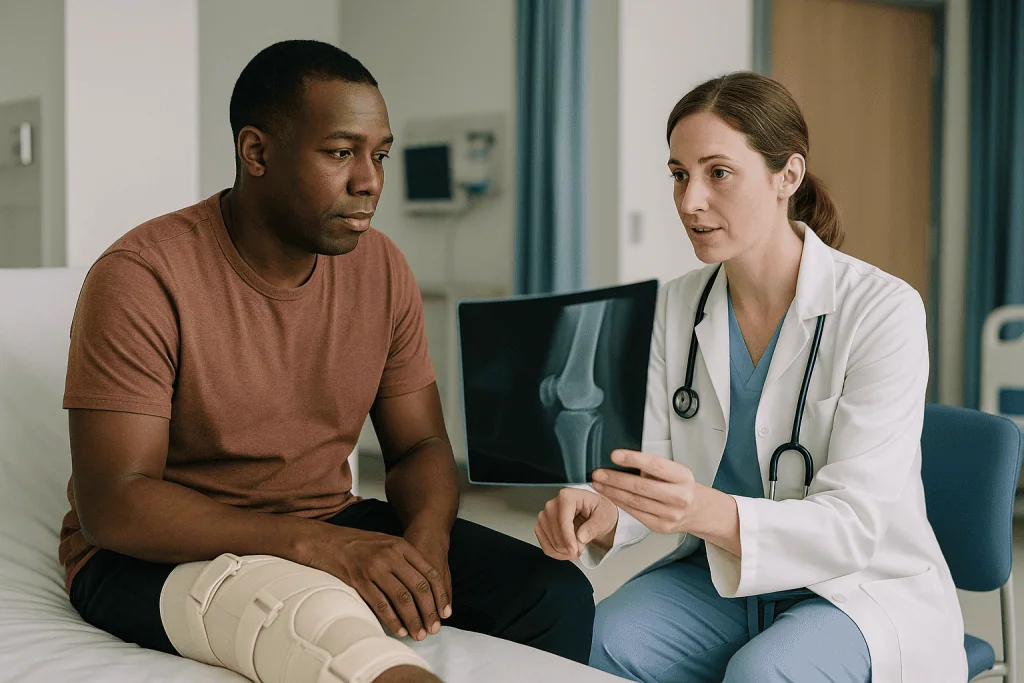
Bone work usually means open reduction and internal fixation. “Reduction” is the plain word for moving a broken bone back into its correct position; “internal fixation” means holding it there with small plates and screws placed under the skin. Surgeons reach the fracture through incisions hidden inside the mouth, along the eyelid crease or within the hairline where possible. The plates are generally left in permanently; they carry load while the bone knits and then simply sit quietly.
When bone is missing rather than displaced, the team may use a graft. A bone graft borrows a small piece of bone from elsewhere, often the skull, hip or rib, to fill a gap. Larger defects sometimes call for a flap, which is a block of living tissue, complete with its own blood supply, moved from another part of the body and reconnected under a microscope.
Soft tissue repair follows the same logic. Clean lacerations are closed in layers so that tension sits in the deep stitches, not on the skin. Where skin has been lost, a graft (skin without its own blood supply, which must “take” from the wound bed) or a local flap (neighboring skin rotated into the gap) fills the space.
Nerves, tear ducts and salivary ducts are repaired alongside, because they are hard to reach once the surface is closed. The final step, scar revision, is often planned as a separate operation months later, after the first repair has matured and shown which scars actually need attention.
Who is usually offered reconstruction promptly, and who is asked to wait?
Not everyone with a facial injury needs surgery, and not everyone who needs it should have it this week. Triage here rests on function and on the body’s readiness, not on appearance alone.
Early operation is typically considered when a fracture is displaced enough to threaten function: a jaw that no longer meets properly, an eye socket floor that has trapped a muscle so the eye cannot move fully, a nasal septum blocking the airway, or bone fragments pressing on a nerve. Open wounds with exposed bone or cartilage also push the timetable forward, because uncovered tissue dries out and invites infection.
Waiting is the usual advice when swelling obscures the true shape of the face. Surgeons often prefer to operate once it has settled, since bone positions and eyelid contours are easier to judge on a face that is no longer distorted by fluid. Waiting is also common when the patient has other injuries that take priority, such as a head injury, a chest injury or a fracture of the neck, all of which affect how safely anesthesia can be delivered.
Some people are asked to wait for reasons that have nothing to do with the face. Poorly controlled diabetes, a recent heart event, active smoking, an untreated chest infection or a blood clotting problem each raises surgical risk in ways the team may want to address first. The anesthesia assessment is where many of these delays originate.
Then there are people for whom the answer is “probably never surgery”: stable, undisplaced fractures that will heal in position with a soft diet and time, or scars a patient is content to leave alone. A recommendation to observe rather than operate is a clinical judgment, not a dismissal, and your treating team should be able to explain the reasoning either way.
Why imaging comes first: what a CT scan tells the surgical team
A surgeon’s hands can feel a step in a cheekbone, but they cannot see through it. Computed tomography, or CT, does. A CT scan is an X-ray technique that takes many thin cross-sectional pictures and stacks them into a three-dimensional image, so a fracture can be viewed from any angle on a screen before the first incision.
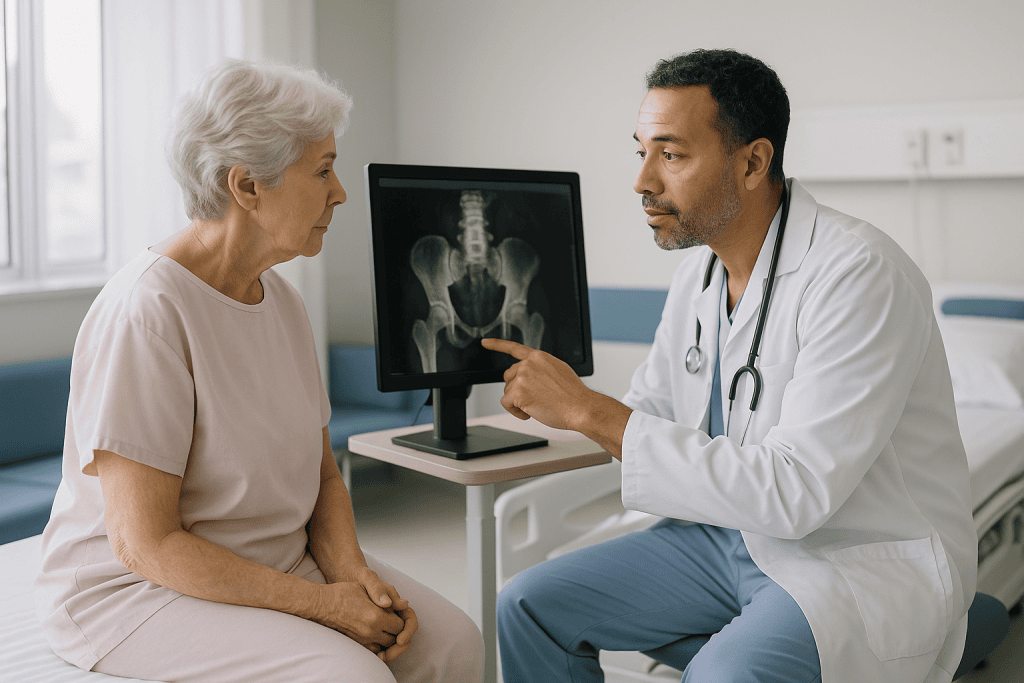
For facial trauma, CT has largely replaced plain X-rays because the face is a lattice of thin bones overlapping in complex ways. Plain films flatten that lattice into one plane, hiding fractures behind other structures. CT separates them, showing whether the floor of the eye socket has dropped, whether the cheekbone has rotated as well as sunk, and whether a fracture line runs into a sinus or the base of the skull.
The scan does three jobs in planning. It confirms the diagnosis, including fractures that were not suspected on examination. It measures displacement, which drives the decision between observing and operating. And it guides technique: the team decides which incisions will reach the fragments, how many plates may be needed, and whether a graft is likely. In some units the CT data is fed into software that produces a mirror image of the uninjured side, or a printed model, so plates can be shaped before surgery.
Magnetic resonance imaging, or MRI, uses magnets and radio waves rather than X-rays and shows soft tissue in far more detail. It is used selectively in facial trauma, for instance when the team suspects injury to the eye itself, the optic nerve or the brain, rather than routinely for bone.
You may be asked to lie still with your head in a padded cradle for a few minutes. That stillness matters: movement blurs the images that the entire plan will rest on.
Do you need a CT scan before facial surgery, and will it be repeated?
People ask whether a CT scan before facial surgery is truly necessary when they have already had one in the emergency department. The answer depends on what the first scan was for and how the face has changed since.
Emergency scans are often ordered to rule out injury to the brain and neck, with the face included almost as an afterthought. They may be taken at thicker slices, or without the fine facial reconstructions surgeons rely on. If the original images are of high enough quality, the team will usually reuse them rather than expose you to more radiation. If they are not, or if the fragments may have moved, a dedicated facial CT is requested.
Radiation is a fair concern. A CT of the face involves a low dose compared with body scans, and the images are targeted to the region of interest. The team weighs that small, real exposure against the risk of operating without a clear map. Pregnant patients should tell the team before any scan so shielding or alternatives can be considered.
Some scans are repeated for reasons that have nothing to do with image quality. Swelling can push bone fragments after the first scan. A patient who was scanned lying flat with a neck collar may need repeat images once the neck has been cleared. Fixation planning sometimes needs specific angles that a general trauma protocol did not capture.
A few practical points help the process. Remove metal from the head and neck, including earrings, hairpins and removable dental work, since metal scatters X-rays and blurs bone edges. Mention any prior facial surgery or implants, which can look like fractures to an unfamiliar eye. If you feel claustrophobic, say so; a CT scanner is a short, open ring rather than a tunnel, and the technologist can talk you through it.
Infection prevention before surgery: what the evidence supports
Trauma wounds break the first rule of clean surgery, which is that the skin is prepared before it is cut. A laceration from a windshield or a fall has already been open, and whatever was on the road, the glass or the ground has had time to settle in. Infection control in trauma reconstruction is therefore a longer game than in an elective operation.
A surgical site infection, or SSI, is an infection in the skin, deeper tissue or an implanted device at the site of an operation. The CDC defines the surveillance window as 30 days after surgery, extending to 90 days when an implant such as a plate is left in place, which tells you how long the risk period genuinely lasts.
Prevention begins with cleaning. Early, thorough irrigation of the wound with sterile fluid and removal of embedded debris does more to lower bacterial load than anything given later. Dead or badly damaged tissue may be trimmed away, a step called debridement, because bacteria thrive in tissue with no blood supply.
The World Health Organization’s global guidelines on preventing SSI set out measures with reasonable evidence behind them: bathing or showering before surgery, avoiding hair removal or using clippers rather than razors if hair must go, keeping blood sugar under control around the operation, keeping the patient warm in theater, and giving preventive antibiotics at the right time rather than for prolonged courses.
Your own contribution is modest but real. Keep any dressings dry and intact unless told otherwise. Do not apply creams, ointments or home remedies to the wound. Wash your hands before touching your face. If you have diabetes, work with your usual clinician on control in the weeks before surgery; high glucose impairs the white cells that fight bacteria, and the WHO guideline treats glucose control as a genuine surgical safety measure.
Antibiotics, skin antiseptics and the hours before the incision
Two categories of medicine feature in infection control, and it helps to know what each is doing so that the routine makes sense.
Preventive, or prophylactic, antibiotics are given so that antibiotic is already circulating in the tissues when the incision is made. Bacteria that land in a wound during surgery find a hostile environment rather than a welcoming one. The WHO guideline recommends that this dose be given within 120 minutes before the incision, with the exact timing adjusted for how quickly the particular drug distributes through the body. It also recommends against continuing prophylaxis for days afterward in most operations, because longer courses add resistance and side effects without adding protection.
Which antibiotic, whether one is needed at all, and for how long are decisions for the surgical and anesthesia team. Contaminated wounds, bites, wounds that were open for a long time before cleaning, and operations involving the mouth or sinuses may prompt a different approach from a clean, planned procedure. Tell the team about any antibiotic allergies and any reactions, however minor, so alternatives can be planned rather than improvised.
Skin antiseptics work differently. Solutions based on chlorhexidine or iodine disrupt bacterial cell membranes on the skin surface, reducing the number of organisms near the incision. They are applied in the operating room by the team. You may also be asked to shower with an antiseptic wash beforehand; the WHO guideline supports preoperative bathing with either plain or antimicrobial soap, without a strong preference for one.
A caution specific to the face: antiseptics can irritate the eyes and the lining of the nose and mouth. The team chooses agents and techniques accordingly. If you notice stinging or a rash after a preoperative wash, mention it, since it can signal a sensitivity worth knowing about before the operation.
What happens at the anesthesia assessment before surgery?
The anesthesia assessment before surgery is a meeting with an anesthesiologist or a specialist nurse, often in a preoperative clinic days or weeks ahead. It is part interview, part examination, and its purpose is to predict problems before they happen.
The interview covers medical history in detail: heart conditions, high blood pressure, asthma or other lung disease, diabetes, kidney or liver problems, previous blood clots, and any bleeding tendency. You will be asked about every medicine, supplement and herbal product you take, about alcohol, tobacco and recreational drugs, and about allergies. Expect questions about previous anesthetics and whether you or a blood relative reacted badly to one; some rare inherited reactions run in families. Expect questions about snoring, sleep apnea and reflux, because each affects how the airway is managed.
The examination focuses on the airway, and in facial trauma this deserves particular attention. The anesthesiologist checks how far you can open your mouth, how your teeth meet, whether any are loose, how your neck moves and whether the nose is blocked. A fractured jaw can limit opening; a fractured nose may rule out a nasal breathing tube; swelling can change the airway between clinic and theater. Options such as a fiberoptic scope for placing the breathing tube are planned here rather than discovered on the day.
Blood tests, an electrocardiogram or a chest X-ray may be ordered depending on age, history and the scale of surgery. Many healthy people need none.
The session ends with a plan: the type of anesthesia, whether you are likely to go home the same day, which medicines to continue and which to pause, and fasting instructions. Mayo Clinic’s patient guidance describes general anesthesia as a medically induced state of controlled unconsciousness; the assessment is what makes that state predictable for you specifically.
What not to do before plastic surgery: fasting, smoking and medicines
People search “what not to do before plastic surgery” hoping for a short list. The list is short, but the reasons behind each item are what make people actually follow it.
Fasting is the rule with the clearest mechanism. Under general anesthesia the reflexes that keep stomach contents out of the lungs are switched off. The NHS advises that patients are usually asked not to eat for about six hours before a general anesthetic, with clear fluids often allowed until about two hours before, though your own team’s instructions override any general figure. Chewing gum and sweets count as eating.
Smoking undermines healing in two ways. Nicotine narrows the small blood vessels that carry oxygen to a wound, and carbon monoxide from smoke occupies the red cells that should be carrying that oxygen. Both effects matter more for a face rebuilt from grafts and flaps than for almost any other surgery, since those tissues survive on borrowed blood supply. The NHS notes that stopping smoking before an operation reduces the risk of complications; the longer before surgery, the better, and vaping is not a neutral substitute because it still delivers nicotine.
Alcohol interferes with blood clotting, with liver metabolism of anesthetic drugs and with wound healing. Your team will tell you how far in advance to stop.
Medicines are the area where people cause themselves the most trouble by being helpful. Anticoagulants and antiplatelet drugs, which reduce the blood’s ability to clot, may need to be paused or bridged, but stopping them without instruction can cause a stroke or clot in someone who takes them for a heart condition. Some herbal supplements also thin the blood or interact with anesthetics. Bring a complete list, follow the written instructions from the assessment, and never stop or change a prescribed medicine on your own initiative.
Preparing for trauma reconstruction at a glance: the three checks compared
The three preparation steps answer different questions, happen on different timelines and involve different people. Seeing them side by side makes it easier to understand why each appointment exists and what you can do to make it count.
| Step | What it answers | Who leads it | What can change as a result | Your part |
|---|---|---|---|---|
| Imaging (usually CT) | Exactly which bones are broken, how far they have moved, whether soft tissue or nerves are involved | Radiology team, reviewed by the surgeon | Operate or observe; which incisions; whether plates, grafts or flaps are likely | Remove metal, lie still, report pregnancy or previous implants |
| Infection control | How contaminated the wound is and how to lower the bacterial load before, during and after surgery | Surgical and nursing team, with WHO and CDC guidance | Timing of surgery, need for debridement, antibiotic choice and timing, skin preparation | Keep dressings dry, avoid home remedies, control glucose, wash as instructed |
| Anesthesia assessment | Whether general anesthesia is safe now, how the airway will be managed, which medicines to pause | Anesthesiologist or preoperative nurse | Type of anesthesia, extra tests, postponement to treat another condition, day-case versus overnight stay | Bring a full medicine list, disclose smoking and alcohol honestly, follow fasting instructions |
The column that deserves the most attention is the fourth one. Each step is capable of postponing surgery, and postponement is not failure. A repeated scan that shows fragments have shifted, a wound that needs a further clean, or an anesthesia review that picks up an irregular heart rhythm each represents a problem caught in a clinic rather than in an operating room.
The last column is deliberately modest. You cannot control what the scan shows, but you can control whether the images are sharp, whether the wound stays clean and whether the anesthesiologist has the full picture. Those are the levers that belong to you.
Facial reconstruction recovery time: how long does it take to heal?
“How long does it take to heal from facial reconstructive surgery?” is really three questions layered on top of one another, because swelling, bone and scar each keep their own calendar.
Swelling and bruising are the loudest phase and the shortest. The face swells generously because its tissues are loose and richly supplied with blood. Expect it to peak in the first days, then recede over the following weeks. Sleeping with the head raised and applying cool compresses as instructed help; so does patience.
Bone healing runs quietly underneath. Plates hold fragments in position while new bone bridges the fracture, a process that continues for weeks and then remodels for months. During this period surgeons often ask for a soft diet after jaw surgery, avoidance of contact sports, and no nose-blowing after fractures near the sinuses, since a sudden pressure change can push air into the tissues.
Scars are the slowest chapter. A fresh scar is red and raised as new blood vessels and collagen flood the area; over many months it typically pales and flattens. This is why scar revision is rarely planned early: a scar that looks alarming at two months may be unremarkable by the time it has matured.
The infection risk period gives a useful anchor. The CDC’s surveillance window for surgical site infection runs 30 days after most operations and 90 days when an implant is placed, which is one reason follow-up appointments are spread across those months rather than crowded into the first fortnight.
Numbness of the cheek, lip or forehead is common after facial fractures, because sensory nerves run through the very bones that were broken. Sensation frequently improves over months, though not always completely. Your team can tell you which nerves were involved in your case and what pattern of recovery is realistic. No general article can promise a timeline for a specific face.
Is trauma reconstruction the hardest plastic surgery to recover from?
The question appears constantly in search boxes, and the honest answer is that “hardest” is not a medical measurement. Recovery difficulty depends on which tissues were rebuilt, how large the operation was, what else was injured and what the person was like beforehand. Still, trauma reconstruction does carry some features that make it demanding in ways elective cosmetic surgery is not.
The first is that nobody chose it. Elective patients arrive rested, well nourished, having stopped smoking weeks ago and having read every leaflet. Trauma patients arrive frightened, sometimes with other injuries, sometimes with a concussion that clouds memory of what was said in clinic. The preparation described in this article is partly an attempt to close that gap.
The second is the mixed nature of the repair. A face rebuilt after trauma may involve bone fixation, a graft and a nerve repair in a single operation. Each has its own aftercare, and the instructions can conflict: a soft diet for the jaw, no pressure on the graft, eye exercises for the muscle that was trapped. Written instructions matter more than usual.
The third is the emotional load. Elective patients typically move toward a face they wanted. Trauma patients move back toward a face they had, and the comparison point is memory rather than a photograph in a consultation room. Even a technically excellent repair can feel like a loss for a while.
Against that, trauma patients often have advantages. Many are younger and otherwise healthy. The team is not trying to improve on nature, only to restore it, and the body’s own healing does much of the work once bones are aligned and wounds are clean.
So the fair answer is: demanding, yes, for reasons that are as much about circumstances as about surgery, and manageable when preparation is taken seriously.
How to rebuild your life after trauma while you wait for surgery
The gap between injury and reconstruction is often the least supported part of the whole experience. The emergency is over, the operation has not begun, and the calendar fills with scans and clinics that feel like limbo. People asking how to rebuild their life after trauma are often asking about exactly this stretch.
Sleep first. Pain, swelling and the mind’s habit of replaying the event all disrupt it, and poor sleep worsens pain perception and mood in a loop. Sleeping propped up, keeping to regular hours and asking your team early about pain control set up the rest.
Nutrition is a medical issue here, not a lifestyle one. Wounds and bone both consume protein and calories, and a fractured jaw or painful mouth can quietly cut intake in half. A soft, high-protein diet, planned with the team or a dietitian if needed, is part of preparing the body for surgery.
Watch for the psychological aftershocks. Intrusive memories, avoidance of the place where the injury happened, jumpiness and low mood are common in the weeks after any frightening event. Many settle. When they persist or intensify, they may point to post-traumatic stress or depression, both of which respond to treatment and both of which your surgical team can help you seek support for. Mentioning them is not a distraction from the physical repair; it is part of it.
Practical rebuilding helps as well. Arrange time off work with realistic buffers. Line up someone to drive you home after anesthesia and stay the first night. Photograph your face at intervals if you find it reassuring, but resist judging the outcome before the swelling has gone.
Above all, keep the appointments. Each one is a piece of the plan, and missing a scan or a preoperative review is the most common way a surgery date slips.
What people often get wrong about preparing for trauma reconstruction
Myths about surgery preparation travel quickly, and several of them are specific enough to trauma reconstruction to deserve correction.
“The scan from the emergency room is all they need.” Sometimes it is. Often it was designed to look at the brain and neck, and the facial bones were incidental. A dedicated CT, or the original images reconstructed at finer detail, is a routine request rather than a sign that something was missed.
“A longer course of antibiotics is safer.” The WHO guideline points the other way for most operations: a properly timed dose before incision does the work, and extending it for days afterward adds resistance and side effects without adding protection. Contaminated wounds are handled case by case, and the decision belongs to the team.
“I should stop my blood thinner so I don’t bleed.” Stopping it without instruction risks a clot or stroke in the person it was prescribed to protect. Pausing, bridging or continuing is a planned decision made at the anesthesia assessment.
“Skipping breakfast is enough for fasting.” Fasting rules include gum, sweets, milky drinks and some supplements. The NHS’s typical guidance of around six hours without food and around two hours without clear fluids is a starting point; your written instructions are the rule.
“If the swelling has gone down, it must not be broken.” Swelling is a response to injury, not a measure of bone position. Fractures that have healed out of place can still limit jaw function or eye movement long after the face looks normal.
“Reconstruction will make me look exactly as I did.” The realistic goal is restored function and a natural appearance. Subtle asymmetry, some scarring and patches of altered sensation are common after significant facial injury, and honest teams say so beforehand rather than afterward.
Questions to ask your care team before trauma reconstruction
Consultations move fast, and the questions that matter most tend to surface in the car park afterward. Writing them down beforehand, and bringing someone to listen, changes that. These are the ones that consistently prove useful.
- Which bones or tissues are you planning to repair, and which are you deliberately leaving alone? Why?
- What would happen if I chose not to have surgery, or to wait? Is observation a genuine option in my case?
- Will you use my existing scans, or do I need a new CT? What are you looking for on it?
- How contaminated do you consider my wound, and what does that change about timing or antibiotics?
- Where will the incisions be, and what will the scars typically look like as they mature?
- Will plates or grafts be used? Will they stay in permanently, and how do they behave with cold weather, airport security or future scans?
- Which of my medicines and supplements should I continue, and which should I pause? Who gives me the written instructions?
- How will my airway be managed given my facial injuries? Are there specific risks for me?
- What sensory changes or nerve effects are possible, and how often do they improve?
- What will the first two weeks look like in terms of diet, activity, dressings and follow-up?
- Who do I call, and at what number, if something worries me at night or over a weekend?
- Is there support available for the emotional side of this, and how do I access it?
You are entitled to ask the same question twice and to ask for the answer in writing. A team that welcomes questions before surgery is one that will take your calls afterward, and the tone of these conversations is a reasonable guide to the care ahead.
When to call your doctor
Most of the preparation period passes without drama, but some changes should never wait for the next scheduled appointment. Contact your surgical team, or seek urgent care if you cannot reach them, if any of the following appear before or after reconstruction.
Call the same day for signs that a wound may be infected: spreading redness, increasing rather than easing pain, warmth, new swelling, pus or cloudy discharge, a bad smell from the dressing, or a fever. MedlinePlus lists these as the typical features of a surgical wound infection, and early treatment is far simpler than late.
Call urgently for new or worsening double vision, loss of vision, an eye that is bulging or cannot move fully, or severe pain behind the eye. Bleeding into the eye socket after orbital fractures or surgery can threaten sight and is treated as an emergency.
Seek emergency care immediately for any difficulty breathing, noisy breathing, a swelling tongue or throat, or bleeding from the mouth or nose that will not stop with gentle pressure. Facial swelling can compromise the airway, and this is not a symptom to monitor at home.
A clear, watery discharge from the nose that tastes salty or metallic, especially after fractures near the base of the skull, needs prompt assessment because it can indicate a leak of the fluid that surrounds the brain. Worsening headache, repeated vomiting, confusion, unusual drowsiness or a seizure after a head injury are emergencies in their own right.
Finally, call if thoughts of harming yourself appear at any point. Trauma affects the mind as well as the face, and your team would far rather hear from you than not.
None of these lists replaces clinical judgment. If something feels wrong and you cannot explain why, that instinct is a legitimate reason to pick up the phone.
Frequently asked questions
How long does it take to heal from facial reconstructive surgery?
Healing happens in layers with different timelines: swelling and bruising settle over the first weeks, bone knits and then remodels over weeks to months, and scars keep maturing for many months. The CDC’s 30- to 90-day window for surgical site infection gives one sense of how long the vulnerable period lasts. Only your treating team can give a realistic timeline for your particular injuries and repair.
What is the hardest plastic surgery to recover from?
There is no medical ranking, because difficulty depends on which tissues were repaired, the size of the operation and the person’s health beforehand. Trauma reconstruction is often demanding because it was unplanned, may combine bone, graft and nerve repair in one operation, and carries an emotional load that elective surgery does not. Careful preparation narrows that gap considerably.
What not to do before plastic surgery?
Do not eat or drink outside the fasting instructions you were given, do not smoke or vape, do not drink alcohol in the period your team specifies, and do not stop, start or change any prescribed medicine or supplement without explicit instruction. Avoid applying creams or home remedies to wounds, and do not skip preoperative appointments, since missed scans or reviews are a common reason surgery is postponed.
Do I need a CT scan before facial surgery if I already had one in the emergency department?
Often the original images can be reused if they cover the facial bones at fine enough detail. When the emergency scan was aimed mainly at the brain and neck, or when swelling may have shifted fragments, a dedicated facial CT is commonly requested. The team balances the small additional radiation dose against the risk of operating without an accurate map.
What happens at the anesthesia assessment before surgery?
An anesthesiologist or specialist nurse reviews your medical history, medicines, allergies, previous anesthetics, smoking and alcohol use, and examines your airway, including mouth opening, teeth and neck movement. Tests such as blood work or an electrocardiogram are ordered only when your history warrants them. The session ends with a plan for the type of anesthesia, medicine adjustments and fasting.
Why is infection prevention before surgery different after trauma?
A trauma wound was open and contaminated before anyone could prepare the skin, so bacteria from the road, glass or ground have had time to settle in. Prevention therefore starts with thorough cleaning and removal of damaged tissue, then continues with timed preventive antibiotics, skin antiseptics, glucose control and warmth in theater, following WHO and CDC guidance.
How long before surgery do I have to stop eating and drinking?
The NHS describes typical guidance as no food for around six hours before a general anesthetic and clear fluids permitted until around two hours before, but your own team’s written instructions are the ones to follow. Fasting protects your lungs, because anesthesia switches off the reflexes that normally keep stomach contents out of the airway.
Should I stop my blood thinner before trauma reconstruction?
Never stop or change it on your own. Anticoagulants and antiplatelet medicines are usually prescribed to prevent clots or strokes, and pausing them without a plan can cause exactly the event they protect against. Whether to continue, pause or bridge is decided at the anesthesia assessment, in discussion with the clinician who prescribed the medicine.
How to rebuild your life after trauma while waiting for reconstruction?
Focus on sleep, nutrition and appointments. Sleeping propped up and controlling pain protects rest; a soft, high-protein diet feeds healing tissue, especially if a jaw injury limits eating. Watch for persistent intrusive memories, avoidance or low mood, which are common after frightening events and respond to treatment. Tell your team about them, and keep every scan and clinic date.
What are the warning signs that mean I should call my doctor after facial reconstruction?
Call the same day for spreading redness, increasing pain, warmth, pus, a bad smell or fever at the wound. Seek urgent care for new double vision, loss of vision, a bulging or immobile eye, breathing difficulty, uncontrolled bleeding, clear salty nasal discharge, worsening headache, confusion or repeated vomiting. If something feels wrong and you cannot explain why, that is reason enough to phone.
References
- CDC: About Surgical Site Infections
- WHO: Global guidelines for the prevention of surgical site infection, second edition
- NHS: General anaesthesia
- MedlinePlus: Surgical wound infection: treatment
This article is for general information only and is not a substitute for professional medical advice. Please consult a qualified doctor about your individual situation.

More from the Blog

Which Moles Can Be Removed for Cosmetic Reasons and Which Always Need Pathology First
A mole can generally be removed for cosmetic reasons only after a clinician has examined it, usually with a dermatoscope, and found no features…

Non-Surgical Facelift vs Surgical Facelift: What Each Treats and Where Each Stops
A surgical facelift repositions sagging deeper facial tissue and removes excess skin, so it treats jowls, a slack jawline and loose neck skin. Non-surgical…

What to Tell Your Doctor Before Botox: Past Treatments, Pregnancy and Blood Thinners
Before Botox, tell your doctor about every previous botulinum toxin treatment and how you responded, including medical uses such as migraine or sweating; all…
Preparing for Skin Graft Surgery: Wound Assessment, Infection Control and Stopping Smoking
Preparing for skin graft surgery centers on three things the evidence consistently supports: a wound bed that is clean, well supplied with blood and…
Fibroblast Treatment Risks Explained: Pigment Changes, Scarring and Skin Types at Higher Risk
Fibroblast treatment risks come mainly from the controlled burn the plasma pen creates on the skin surface. The most common problems are post-inflammatory dark…

Why Dermatologists Prescribe a Priming Cream Before Pigmentation Laser Treatment
Dermatologists often prescribe a priming cream before laser pigmentation treatment to quiet the pigment-producing cells in the skin, so the laser's heat is less…