Trauma Reconstruction
Trauma reconstruction restores form and function after complex injuries involving bones, joints, nerves, vessels, or soft tissue. Care is individualized with orthopedic and reconstructive surgical planning.
Quick answer
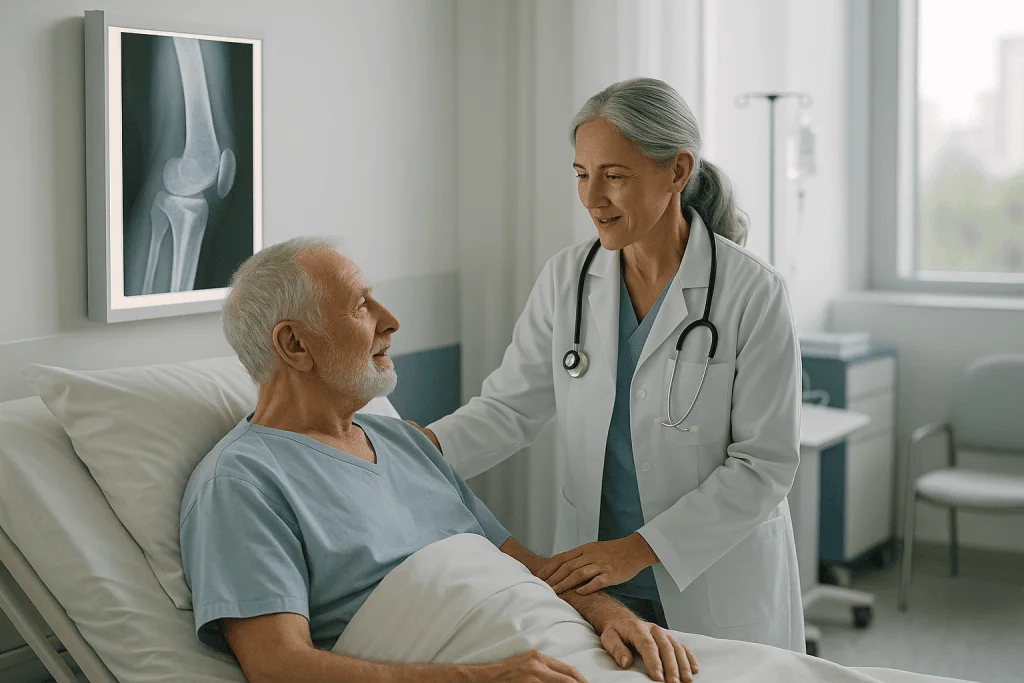
Trauma reconstruction is planned surgery, often combined with rehabilitation, that rebuilds bone, joints, soft tissue, nerves and blood vessels after a serious injury. It goes beyond fixing a single fracture: surgeons may realign bone, cover wounds, repair tendons and nerves, restore circulation or correct old deformities. It can be done soon after injury or years later, in one operation or several stages.
What Is Trauma Reconstruction?
Trauma reconstruction is a planned surgical and rehabilitative process that restores anatomy and function after severe or complicated injury. It may involve the skeleton, joints, muscles, tendons, ligaments, nerves, blood vessels, skin and deeper soft tissues, often several of these at once, which is why trauma reconstruction frequently requires more than one surgical specialty working from a single plan. It is intended for people whose injury is too complex for simple repair, whose initial treatment did not heal as expected, or who live with long-term problems months or years after the original accident.
A serious injury can change daily life in an instant. After a traffic accident, fall, sports injury, workplace incident, burn, crush injury or previous emergency operation, you may be left with pain, deformity, stiffness, weakness, numbness, instability, open wounds, restrictive scars or difficulty using a limb. In the first hours and days, the priority is survival and emergency stabilisation. Once the immediate danger has passed, a second set of questions begins. Can I walk normally again? Will my hand function return? Can the bone heal in the right position? Will I need more than one operation? Is it too late to repair an old injury?
Trauma reconstruction exists to answer those questions with a structured, multidisciplinary approach. It is not simply “repairing a fracture”. Depending on the injury, it may involve rebuilding bone, restoring joint alignment, repairing tendons, nerves or blood vessels, covering exposed tissue, correcting deformity, treating infection, improving scars or replacing lost tissue with tissue from elsewhere in the body. The goal is to restore as much function, stability, comfort and appearance as medically possible while reducing the risk of long-term disability. That last phrase matters: the aim is honest, measurable improvement, defined together with you, not a promise that everything will be exactly as it was.
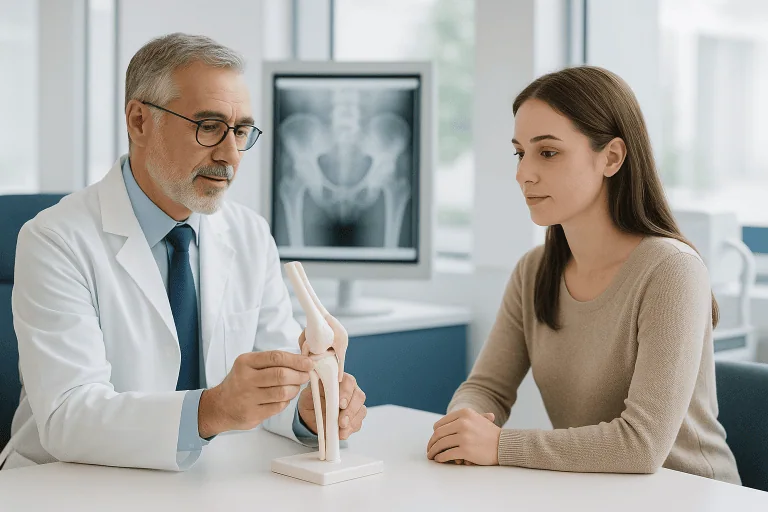
Many people considering trauma reconstruction are anxious, and understandably so. The injury may be complex, painful or already treated elsewhere. Some patients are living with a non-healing fracture, limb shortening, chronic wounds, nerve damage, severe scarring or joint stiffness long after the original trauma. Others need reconstruction soon after a recent accident. In both situations, careful evaluation is the foundation. A workable plan depends on understanding the injury in full: the bones, joints, soft tissues, circulation, nerves, infection status, previous operations, your general health and your personal priorities.
At Acibadem, trauma reconstruction is planned through close collaboration between orthopaedic trauma surgeons, reconstructive and plastic surgeons, microsurgeons, vascular surgeons, radiologists, rehabilitation physicians, physiotherapists, pain specialists and infectious disease specialists, brought in as the case requires. This coordinated structure matters practically: it reduces fragmentation of care and supports a clear pathway from diagnosis through surgery, rehabilitation and follow-up.
When does reconstruction happen, early or delayed?
Trauma reconstruction can be performed soon after injury, once you are stable, or later as a secondary reconstruction. Early reconstruction may include fixation of fractures, repair of blood vessels, nerve repair, tendon repair, removal of damaged tissue (debridement) and coverage of exposed structures. Delayed reconstruction addresses problems that emerge or persist after initial treatment: a fracture that healed in the wrong position (malunion), one that has not healed at all (nonunion), bone loss, limb length differences, chronic infection, unstable joints, painful scars, contractures or loss of function after previous surgery. Neither pathway is “better” in general: the right timing depends on the tissue, the infection status and your overall condition.
Trauma reconstruction may include one or more of the following approaches:
- Bone reconstruction: realigning fractures, correcting deformity, treating non-healing fractures, replacing missing bone, or stabilising bone with internal implants or external fixation frames.
- Joint reconstruction: restoring joint alignment, repairing ligaments, addressing instability, treating post-traumatic arthritis, or rebuilding complex injuries around the hip, knee, ankle, shoulder, elbow, wrist or hand.
- Soft tissue reconstruction: closing complex wounds, covering exposed bone or implants, releasing contractures, improving scars, or moving healthy tissue from another part of the body.
- Nerve and tendon reconstruction: repairing or grafting damaged nerves, rebuilding tendons, restoring hand function and improving movement after injury.
- Vascular reconstruction: repairing injured arteries or veins when circulation to a limb is compromised.
- Microsurgical reconstruction: using magnification and fine instruments to reconnect small blood vessels or nerves, often for free tissue transfer or complex limb salvage.
- Rehabilitation and functional restoration: rebuilding strength, mobility, coordination, balance and independence through structured therapy.
The word “reconstruction” is deliberate. The objective is not only to close a wound or place a bone plate. The medical team evaluates what you actually need to return to everyday life: walking, working, writing, lifting, dressing, driving, exercising, caring for family, taking part in social activities. The best plan is individualised to the injury pattern, your health, the timing and realistic functional goals, and it is written down as a sequence, not a single event.
Who May Need Trauma Reconstruction?
You may need trauma reconstruction when an injury is too complex for straightforward repair, when initial treatment did not heal as expected, or when long-term complications limit movement, comfort or appearance. Some patients arrive soon after an accident. Others seek care after months of pain, repeated operations, persistent swelling, non-healing wounds or a visible deformity. Both groups are legitimate reconstruction candidates; the assessment simply looks different.
Common symptoms and concerns that lead to a trauma reconstruction consultation include:
- Pain that persists after a fracture, surgery or soft tissue injury
- A fracture that has not healed, or has healed in the wrong position
- Visible deformity, shortening, rotation or abnormal limb alignment
- Instability of a joint or repeated giving way
- Limited range of motion, stiffness or contracture
- Weakness, numbness, tingling or loss of fine motor function
- Open wounds, chronic drainage, or exposed bone, tendon or metal implants
- Scarring that restricts movement or causes discomfort
- Difficulty walking, standing, gripping, lifting or performing daily tasks
- Concern about infection after an open fracture or previous surgery
- Loss of tissue after crush injury, burn, severe laceration, or cancer-related surgery combined with a trauma history
How is a complex injury assessed and diagnosed?
Assessment begins with a detailed medical history and physical examination, not with a scan. The surgeon will ask how the injury occurred, what treatment has already been performed, whether there were open wounds or infection, and how the injury affects your daily life. For patients who were treated elsewhere, previous operative notes, imaging studies, implant details and laboratory results are reviewed alongside the current examination, because what was done before shapes what can be done next.
Modern diagnostic evaluation may include X-rays to assess bone alignment and healing; CT scans to define complex fractures, joint surfaces or bone defects; MRI to evaluate ligaments, tendons, cartilage, muscles or nerves; ultrasound for soft tissue or vascular assessment; and specialised vascular imaging if blood flow is a concern. Nerve conduction studies or electromyography may be used when nerve injury is suspected. Laboratory tests can help identify inflammation, infection risk, nutritional issues or medical conditions that affect healing.
In complex cases, the diagnosis is not a single finding but a complete map of the injury. That map guides surgical sequencing: what must be corrected first, what can safely be combined, what should be staged over separate operations, and how rehabilitation should be timed around each stage. A reconstruction plan built on an incomplete map tends to produce incomplete results, which is why thorough assessment is treated as part of the treatment itself, not a formality before it.
Conditions Trauma Reconstruction Addresses
Trauma reconstruction may be considered for a broad range of injuries and post-injury complications. The indication usually rests on loss of function, pain, instability, deformity, non-healing tissue or risk to the limb. Some injuries are urgent because circulation, infection control or tissue viability is at stake. Others are planned reconstructions designed to improve long-term outcome after the acute phase has passed.
Conditions commonly addressed include:
- Complex fractures: fractures involving multiple fragments, joint surfaces, open wounds or severe displacement.
- Open fractures: injuries where broken bone communicates with the outside environment, raising the risk of infection and soft tissue loss.
- Nonunion: a fracture that has not healed within the expected timeframe and remains painful or unstable.
- Malunion: a fracture that has healed in a poor position, causing deformity, abnormal mechanics or functional limitation.
- Bone loss: missing bone after high-energy trauma, infection, repeated surgery or severe open fracture.
- Post-traumatic joint damage: joint surface injury, instability, stiffness or arthritis after fracture or dislocation.
- Hand and upper limb injuries: tendon, nerve, vessel, bone and soft tissue injuries affecting grip, sensation or fine movement.
- Lower limb injuries: trauma affecting the pelvis, hip, femur, knee, tibia, ankle, foot, or the ability to stand and walk.
- Soft tissue defects: loss of skin, muscle or connective tissue requiring grafting, local flaps, regional flaps or microsurgical tissue transfer.
- Nerve injuries: partial or complete nerve damage causing weakness, numbness, neuropathic pain or loss of coordinated movement.
- Vascular injuries: damage to arteries or veins that threatens circulation or contributes to swelling and tissue compromise.
- Infected trauma wounds: chronic drainage, osteomyelitis, infected implants or recurrent wound breakdown after injury.
- Scar contractures and burn-related problems: tight scars that restrict motion or alter function.
- Limb length discrepancy or deformity: shortening, angulation or rotation after injury or growth plate damage.
- Amputation level optimisation and stump revision: improving comfort, prosthetic fitting and function after traumatic limb loss when reconstruction or salvage is not the best option.
Not every severe injury can be restored completely, and not every patient is best served by aggressive reconstruction. A responsible plan balances what is surgically possible against your safety, expected function, rehabilitation capacity and long-term quality of life. In some situations, limb salvage is appropriate; in others, a carefully planned amputation with advanced rehabilitation and prosthetic support provides better day-to-day function than repeated salvage attempts. These decisions require honest discussion and experienced judgement, and a good surgeon will lay out both paths plainly rather than defaulting to the most complex operation.
What is the most common trauma surgery?
Fracture fixation, surgery to realign and stabilise a broken bone with plates, screws, rods or frames, is generally the most common operation performed by trauma surgeons worldwide. Hip fracture surgery in older adults, fixation of wrist and ankle fractures, and stabilisation of long bones such as the femur and tibia make up much of everyday trauma practice. Trauma reconstruction sits one layer beyond this routine work: it deals with the injuries that fixation alone cannot solve, and with fixation that did not heal as intended. If you want to understand how routine fracture care is organised, the page on orthopedic traumatology explains that side of the pathway; trauma surgery covers the acute, emergency phase that often comes first.
What reconstructive surgery options exist after cancer or trauma?
Reconstructive surgery after cancer or trauma draws on the same core toolkit: skin grafts, local and regional flaps, microsurgical free tissue transfer, bone grafting and reconstruction, implants, tendon and nerve repair, and staged procedures that rebuild a structure over several operations. The difference lies in the starting point. After trauma, the surgeon works with tissue damaged by force, contamination and scarring; after cancer surgery, with tissue removed deliberately, sometimes affected by radiotherapy. Both settings may involve rebuilding visible structures, for example breast reconstruction after mastectomy, as well as functional ones such as jaws, limbs and joints. The choice between graft, flap, implant or staged reconstruction depends on the size and depth of the defect, the quality of the surrounding tissue, blood supply, infection status and your own health and preferences. No single option is universally superior; the plan is matched to the defect.
Facial Trauma Reconstruction
Facial trauma reconstruction deserves its own consideration because the face concentrates so many functions in a small area: vision, breathing, chewing, speech, facial expression and identity. Fractures of the cheekbone, eye socket, nose, jaw or forehead can alter both function and appearance. Soft tissue injuries can damage nerves that move the face or provide sensation. Dental injuries frequently accompany facial fractures, and high-energy facial trauma can occur alongside head injury, which is assessed and managed separately, see traumatic brain injury for that side of care.
Reconstruction of the face follows the same logic as elsewhere in the body, restore the skeleton first, then the soft tissue envelope, but with finer tolerances, because small asymmetries are visible and small malalignments of the jaw affect the bite. Depending on the injury, treatment may involve fixation of facial fractures with small plates, repair of the orbital floor to support the eye, realignment of the nose, soft tissue repair, scar revision, or staged rebuilding of a damaged structure. Focused procedures such as nasal reconstruction address specific parts of the face when trauma has destroyed or distorted them, and injured teeth and supporting bone are managed through dental traumatology.
How do you find specialists in reconstructive facial surgery after trauma?
Look for a hospital rather than an individual, and for a team rather than a single specialty. Complex facial trauma is usually managed jointly by plastic and reconstructive surgeons, oral and maxillofacial surgeons, ear-nose-throat surgeons and, where the eye socket is involved, ophthalmic specialists. Useful signs of genuine expertise include: routine multidisciplinary planning for complex cases; access to fine-cut CT imaging and three-dimensional planning; microsurgical capability for nerve repair and tissue transfer; and an honest willingness to describe what a reconstruction cannot achieve as clearly as what it can. When reviewing any provider, ask how they would sequence your particular injury, whether the plan would be staged, and what the realistic appearance and function targets are. A team that answers those questions specifically, with reference to your imaging, not generic reassurance, is the team worth taking seriously.
How Trauma Reconstruction Is Performed
Preparation and Planning
Trauma reconstruction begins well before the operating room. The medical team reviews the injury, your medical history, previous surgeries, imaging, medications, allergies and personal goals. Records from earlier treatment, operative notes, implant details, culture results and serial imaging, are gathered into a single picture, because meaningful planning depends on seeing the whole history rather than fragments of it.
Preparation may include updated imaging, blood tests, infection screening, vascular studies, nerve testing, anaesthesia assessment and consultation with other specialties. If there is an open wound or suspected infection, cultures and tissue evaluation may be needed before any definitive reconstruction is scheduled. If bone healing has been poor, the team looks for reasons: smoking, diabetes, nutrition, vitamin D status, medication effects and circulation are all assessed, because operating without correcting the underlying obstacle often repeats the original failure.
Complex cases are discussed by a multidisciplinary team. Orthopaedic trauma surgeons focus on bone alignment, fixation, limb length, joint mechanics and load-bearing. Reconstructive surgeons evaluate tissue coverage, scars, wound closure and microsurgical options. Vascular surgeons assess blood flow. Infectious disease specialists guide antibiotic strategy when infection is present. Rehabilitation physicians and physiotherapists consider how the surgical plan will translate into actual movement and function afterwards.
The plan may involve a single operation or a staged reconstruction. Staging is common when infection must be controlled first, when soft tissues need time to recover, or when bone reconstruction requires multiple phases. Before anything is scheduled, you should understand the expected sequence, the likely hospital stay, the restrictions that will apply, the therapy that will be needed and the realistic possibility of additional procedures. A trauma reconstruction plan that fits on one line is usually an incomplete one.
What Happens During the Operation
The exact operation depends entirely on the injury. For bone reconstruction, surgeons realign the bone and stabilise it with plates, screws, rods, wires or external fixation frames. If bone is missing, options include bone grafting, bone transport (gradually growing new bone across a gap), staged reconstruction with temporary spacers, or biological strategies that encourage healing. The aim is always the same: restore alignment and create a mechanically and biologically stable environment in which bone can repair itself.
For joint injuries, the surgeon may reconstruct damaged ligaments, restore the joint surface, release scar tissue, remove loose fragments or correct deformity around the joint. In selected cases where the joint surface is severely and irreversibly damaged, replacement or fusion may be considered, weighed against your age, activity level, bone quality and functional goals. Rebuilding severely damaged joints is its own disciplinecomplex joint reconstruction describes it in more detail.
Soft tissue reconstruction may include careful removal of nonviable tissue, scar release, skin grafting, local tissue rearrangement or flap surgery. A flap is living tissue moved with its own blood supply to cover critical structures such as bone, tendon, nerves or implants. In microsurgical free flap reconstruction, tissue is transferred from one part of the body to another and its blood vessels are reconnected under magnification. For some limbs, this is the difference between salvage and amputation, and between a wound that closes durably and one that breaks down repeatedly.
Nerve reconstruction may involve direct repair, nerve grafting, nerve transfer or decompression, depending on the type and timing of the injury. Tendon reconstruction may include repair, grafting, tendon transfer or staged procedures. These operations demand highly structured therapy afterwards, because good function depends not only on the surgical repair but on controlled early movement and retraining of the repaired structures.
When blood vessels are damaged, vascular repair or bypass restores circulation. In high-energy injuries the order of reconstruction is critical and non-negotiable: blood flow first, then infection control, then skeletal stability, then soft tissue coverage, then functional repair. Getting the sequence wrong can undo everything that follows.
Technology That Supports Precision and Safety
Trauma reconstruction relies on detailed visualisation, accurate planning and careful monitoring. Advanced imaging lets surgeons understand fracture lines, joint surfaces, bone loss and soft tissue condition before the first incision. Three-dimensional imaging and planning tools are used in selected cases to evaluate deformity, plan bone cuts or design patient-specific strategies. Intraoperative imaging confirms alignment and implant placement during surgery, while the correction can still be adjusted.
Microsurgical equipment allows work on small vessels and nerves at fine scale; modern operating microscopes and magnification systems support delicate tissue transfer and nerve repair. Specialised fixation systems stabilise bone while respecting the biology of the surrounding soft tissue. In complex wounds, negative pressure wound therapy may be used before or after reconstruction to manage fluid, protect the wound environment and prepare tissue for closure. Where a tissue flap needs close observation of its circulation, postoperative monitoring tools support the nursing team’s watch.
A necessary caution: technology is valuable when it serves clinical judgement, not the other way around. The decisions that determine the outcome of trauma reconstruction, timing, sequencing, tissue handling, alignment, infection control, rehabilitation planning, are made by people. Devices and imaging help an experienced team execute a sound plan more accurately; they do not rescue an unsound one.
How long does trauma reconstruction surgery and hospital stay take?
Surgery length varies widely, and any single figure would be misleading. A focused procedure to correct a nonunion or release a scar may take a few hours. A major limb reconstruction involving bone fixation, vascular repair and free tissue transfer takes considerably longer. Some patients need one operation; others require staged procedures spread over days, weeks or months, with recovery periods in between.
Hospital stay follows the same pattern. You may stay briefly after a smaller procedure, or remain longer after complex microsurgery, infection treatment, external fixation or major lower limb reconstruction. If you live far from the hospital, allow time for postoperative review before any long journey home. Extended travel after surgery, long flights or car journeys, needs planning to manage swelling and reduce blood clot risk, especially after lower limb procedures. The surgical team will advise when extended travel is reasonable after your specific reconstruction, and that answer should shape your plans, not the other way round.
Recovery and Rehabilitation After Trauma Reconstruction
Recovery is not an afterthought to trauma reconstruction; it is half of it. Surgery creates the conditions for healing; rehabilitation converts healing into usable function. Your rehabilitation plan may include wound care, swelling control, splinting, braces, gradual weight-bearing, range-of-motion exercises, strengthening, gait training, hand therapy, scar management, desensitisation and pain control, layered in a sequence matched to what was reconstructed.
Some patients begin gentle movement very early to prevent stiffness. Others need a period of strict protection to allow bone, tendon, nerve or flap healing. Weight-bearing after lower limb reconstruction may be restricted until healing is visible on imaging. Hand and upper limb reconstruction often requires specialised therapy, because small gains in motion, sensation and coordination translate into large gains in daily life. Nerve recovery is characteristically slow, nerves regenerate gradually over many months, and bone healing takes time influenced by injury severity, blood supply, infection status, nutrition and general health. Expect follow-up imaging and periodic reassessment; a good recovery plan is realistic, structured and adjusted as healing actually progresses rather than as the calendar suggests it should.
| Time Period | What Patients Can Expect |
|---|---|
| Day 1 | Monitoring focuses on pain control, circulation, wound or flap status, limb positioning and prevention of early complications. Some patients begin breathing exercises and gentle movement of unaffected areas. |
| First Week | Wound care, swelling control, splinting or bracing and early rehabilitation instructions begin. Weight-bearing or movement restrictions are explained clearly according to the reconstruction performed. |
| First Month | Follow-up visits assess wound healing, implant stability, bone healing progress and therapy response. Stitches or dressings may be removed when appropriate. Rehabilitation becomes more structured. |
| Two to Three Months | Many patients progress in mobility, range of motion and strength, though restrictions may continue if bone, tendon, nerve or soft tissue healing still requires protection. |
| Longer Term | Bone remodelling, nerve recovery, scar maturation, strength, endurance and coordination may continue to improve for many months. Some patients need additional procedures or long-term therapy. |
Can trauma be healed completely?
Sometimes, but not always, and an honest answer depends on which tissue was injured. Many fractures, once properly aligned and stabilised, heal into strong bone that functions much as it did before. Other structures are less forgiving. Damaged joint cartilage has limited capacity to regenerate, which is why post-traumatic arthritis can develop even after technically excellent surgery. Severed nerves regrow slowly and may not restore sensation or strength to their pre-injury level. Mature scars can be improved but not erased. Trauma reconstruction is therefore framed around function: the realistic question is not “will everything be exactly as before?” but “how much walking, gripping, working and living can be regained?” For many patients the answer is a great deal, provided the plan is sound, the timing right and the rehabilitation followed through.
How do you rebuild your life after trauma?
Physically, by treating rehabilitation as a project with milestones rather than a waiting period. Understand your restrictions and the reason for each one; too little movement breeds stiffness and weakness, too much too soon threatens the repair. Attend therapy consistently, track small gains, and raise problems, increasing pain, new numbness, wound changes, with your clinical team early rather than late. Practically, plan for the middle phase: many patients manage the first weeks well and are surprised by the slower months that follow, when progress is real but gradual. Psychologically, expect the recovery to demand something of you. Frustration, sleep disturbance, fear of reinjury, body image concerns and anxiety about future function are common after complex trauma, and they are treatable. Supportive communication, realistic milestones and, where helpful, psychological support alongside physical therapy keep patients engaged through what is often a long process. Rebuilding a life after trauma is rarely a single decision; it is a sequence of ordinary weeks handled well.
Why Acting Early Matters and the Risks of Delay
Timing strongly affects trauma reconstruction. In recent injuries, early evaluation identifies problems that are not obvious at first: compromised circulation, evolving infection, hidden joint injury, nerve damage, soft tissue at risk. Prompt stabilisation and tissue coverage reduce complications in open fractures and severe wounds. Early rehabilitation planning limits stiffness, weakness and loss of function before they become entrenched.
When an injury is older, delay allows problems to progress. A fracture that healed in poor alignment places abnormal stress on nearby joints. A nonunion causes ongoing pain and disability. Exposed bone or implants raise infection risk. Deformity, scarring, joint stiffness, chronic infection, muscle wasting and nerve degeneration all tend to worsen with time, and each makes the eventual reconstruction harder. A stiff hand, elbow, shoulder, knee, ankle or foot becomes progressively more difficult to mobilise.
That said, there are situations where waiting is medically correct: allowing soft tissue swelling to settle before definitive surgery, or completing infection control before bone grafting. The principle is not to operate quickly: it is to evaluate early and then choose the right moment deliberately.
Benefits of Trauma Reconstruction
The realistic benefits depend on the injury, the timing, your overall health and your rehabilitation, but trauma reconstruction is designed to improve both structural healing and practical daily function, and it is against those two measures that any plan should be judged.
| Benefit | What It Means for You |
|---|---|
| Improved alignment and stability | Correcting bone or joint position can reduce pain, improve mechanics and support safer movement. |
| Better wound healing and tissue coverage | Healthy soft tissue coverage protects bone, tendons, nerves and implants while lowering the risk of recurrent wound problems. |
| Restored or improved function | Repairing bones, tendons, nerves, vessels and soft tissues may improve walking, hand use, strength, coordination or independence. |
| Reduced long-term complications | Appropriate reconstruction may help limit deformity, stiffness, chronic infection, instability and progressive joint damage. |
| More personalised rehabilitation | A planned reconstruction allows therapy to be coordinated with the surgical repair, protecting healing tissues while rebuilding function. |
| Improved appearance and body confidence | Scar revision, soft tissue reconstruction and deformity correction can improve contour and symmetry when medically appropriate. |
Factors That Influence a Good Result
Outcomes after trauma reconstruction are shaped by factors on both sides of the operating table. On the injury side: high-energy trauma, open fractures, contamination, infection, severe bone loss, nerve damage, vascular injury, crush mechanisms and delayed treatment all add complexity. Previous surgeries may leave scar tissue or altered blood supply. Joint surface damage raises the risk of stiffness or post-traumatic arthritis even after careful reconstruction: this is a limit of biology, not of surgical effort, and you deserve to hear it stated plainly beforehand.
On the patient side, health matters. Diabetes, smoking, poor circulation, immune suppression, anaemia, malnutrition, certain medications and uncontrolled infection can all impair healing. Before surgery, the treating team may recommend steps to improve safety, addressing nicotine use, blood sugar control, infection, nutrition, and medication review, all managed under medical supervision as part of the plan, because these factors are among the few that can genuinely be changed.
Surgical expertise is important, but so is the match between the operation and your goals. A manual labourer, a musician, an athlete, an office worker, a parent of young children and an older adult with limited mobility will each define success differently. A good result may mean returning to work, walking without severe pain, improving grip, achieving stable wound coverage, reducing infection risk, correcting a deformity, or gaining enough independence to manage daily life. The plan should be built around your definition, discussed explicitly, not assumed.
Rehabilitation participation is one of the most important factors you control. Patients who understand their restrictions and follow therapy guidance are better positioned to regain function safely. Too little movement leads to stiffness and weakness; too much too soon threatens repairs. Clear, continuing communication between surgeon, therapist and patient is what balances protection with progress.
Finally, emotional recovery should not be sidelined. Complex trauma is physically and psychologically demanding, and long recoveries test motivation. Realistic milestones, honest updates on progress and coordinated support help patients stay engaged, and engagement, over months, is what turns a technically successful operation into a life that works again.
Trauma Reconstruction at Acibadem
Patients seeking trauma reconstruction usually need more than a surgical appointment. They need a team capable of understanding a complex injury in full and a hospital environment prepared for advanced reconstructive care. Acibadem’s model is structured around those needs.
Care is delivered in hospitals with established clinical pathways, modern operating theatres, advanced imaging, intensive care capacity when needed and on-site rehabilitation services. For complex injuries, multidisciplinary coordination is central: orthopaedic trauma surgeons, reconstructive and plastic surgeons, microsurgeons, vascular surgeons, radiologists, anaesthesiologists, infectious disease specialists, rehabilitation physicians, physiotherapists and wound care teams contribute to the plan as the case requires. This matters most when a patient presents with combined bone and soft tissue injury, prior failed treatment, infection, or functional loss involving the hand, arm, leg or foot, precisely the cases where fragmented care fails.
Many trauma reconstruction decisions benefit from structured specialist discussion. In selected cases, multidisciplinary boards or case conferences review the imaging, infection status, reconstructive options and sequencing before a plan is fixed. This aligns the surgical strategy with established protocols and with the patient’s practical goals, and it supports careful risk assessment for staged reconstruction, limb salvage decisions and revision surgery after previous operations elsewhere.
Acibadem uses contemporary diagnostic and surgical technology to support planning and execution: detailed imaging to define the true extent of bone, joint and soft tissue injury; intraoperative imaging for alignment and fixation; microsurgical tools for nerve, vessel and tissue transfer procedures; modern wound management methods to prepare complex wounds for closure; and structured therapy programmes to support recovery. Which of these is used depends on the injury and the clinical indication, not on a standard menu.
Experience carries particular weight in this field because no two cases are alike. A severe lower limb injury demands decisions about fixation, soft tissue coverage, weight-bearing, infection control and future walking mechanics. A complex hand injury requires fine coordination of tendon repair, nerve reconstruction, scar management and therapy. A chronic nonunion may need new fixation plus biological support, infection assessment and alignment correction all at once. The treating team’s experience is what converts these variables into one coherent, sequenced plan.
Trauma reconstruction is a journey rather than a single event. It requires careful diagnosis, thoughtful timing, skilled surgery, disciplined rehabilitation and clear communication at every stage. Whether the problem is a recent complex injury or a long-standing one left over from earlier treatment, a thorough expert evaluation, of the imaging, the records and the person in front of the team, is what clarifies the options and puts the stages in the right order.
Preparation
- Your medical team reviews injury history, physical findings, imaging, and any previous operations. Blood tests, anesthesia assessment, and infection control planning may be needed. Patients may be asked to stop certain medications and avoid smoking before surgery.
Aftercare
- After surgery, pain control, wound care, and monitoring for infection or circulation problems are important. Immobilization, gradual weight bearing, and physical therapy are often required. Follow-up visits assess healing, function, and whether additional reconstructive stages are needed.
Frequently Asked Questions
What affects the cost of trauma reconstruction?
Cost depends on the injury pattern, number of tissues involved, imaging and tests, implant or graft needs, surgical duration, hospital stay, wound care, rehabilitation, and whether staged procedures are required. A specialist review is needed to prepare a personalized plan.
How can I get a quote for trauma reconstruction in Turkey?
You can request a free consultation by sharing medical reports, imaging, photographs of the injury if appropriate, and details of previous treatments. The clinical team reviews the information and the international patient team prepares a personalized estimate based on the proposed care plan.
Is trauma reconstruction usually a single operation?
Some injuries can be treated with one planned procedure, while complex trauma may require staged reconstruction, soft tissue coverage, infection control, bone healing support, and rehabilitation. The recommended approach is determined by orthopedic and reconstructive specialists.
What is typically included in an international patient package?
A package may include specialist assessment, preoperative tests, surgery, anesthesia, hospital stay, standard inpatient medications, nursing care, interpreter support, and follow-up planning. Items such as advanced implants, extended rehabilitation, hotel stay, and additional procedures may be handled separately.
Why does rehabilitation affect the total cost?
Trauma reconstruction often aims to restore function as well as appearance. Physiotherapy, occupational therapy, splints, wound care, and follow-up imaging may be needed, and the intensity and duration of rehabilitation depend on the injury and operation.
Is this information medical or financial advice?
No. This is general educational information only. Treatment suitability and final costs should be discussed with qualified specialists after medical evaluation, and a free consultation can help clarify the expected pathway and quote.
Medically reviewed by the Acıbadem International Medical Board September 13, 2026
See our medical review board →
Update history
- PublishedJune 8, 2026
- Medical review approvedSeptember 13, 2026
- Last content updateSeptember 12, 2026
Trusted care for international patients
From the Acibadem Blog
Recovery After Trauma Reconstruction: Immobilization, Weight Bearing and Physical Therapy
Recovery after trauma reconstruction usually moves through three overlapping stages: a period of immobilization while repaired bone and soft tissue knit, a graded return…
How Trauma Reconstruction Surgery Rebuilds Bone, Nerve and Soft Tissue in Stages
Trauma reconstruction surgery rebuilds injured bone, nerve and soft tissue in a set order, often across several operations. Surgeons first secure breathing and bleeding,…