

Recovery After Laparoscopy for Female Infertility: Rest, Symptoms to Watch and Follow-Up Scans

Key Takeaways
- The NHS puts return to normal activity at around 5 days after a purely diagnostic laparoscopy, about 2 weeks after minor operative surgery, and up to 12 weeks after major keyhole procedures.
- Shoulder-tip pain after laparoscopy is referred from the diaphragm, irritated by leftover carbon dioxide, and typically eases over a few days as the gas is absorbed.
- Walking from the first day lowers the risk of blood clots and helps trapped gas disperse; bed rest slows recovery rather than speeding it.
- Removing an ovarian endometrioma can reduce the egg supply in that ovary, so teams often recheck the ovarian reserve marker AMH afterward.
- Evidence summarized by the NHS and Mayo Clinic supports a modest improvement in pregnancy chances after surgery for mild endometriosis, not a guarantee.
- Fever, worsening abdominal pain, spreading wound redness, heavy bleeding, calf swelling or breathlessness are the signs that should prompt a same-day call.
Most people go home the same day after laparoscopy for infertility, feel sore and tired for several days, and return to normal routines within a week if the procedure was diagnostic; treatment of endometriosis or tubal disease takes longer. Shoulder-tip pain and bloating are expected. Fever, worsening pain, heavy bleeding or breathlessness need urgent review. Your surgical team decides follow-up scan timing and when to try to conceive.
The discharge nurse hands over a folded sheet of instructions, a small bag of dressings and a phone number, and suddenly the hospital corridor feels very long. You have three small dressings on your abdomen, a dull ache under your right shoulder blade that nobody warned you about, and a head full of questions that have nothing to do with wound care. Did they find anything? Does this mean the tubes are open? When is it safe to try again?
Recovery after laparoscopy for infertility sits in an unusual place. Physically, it is one of the gentler operations a person can have. Emotionally, it can be one of the heaviest, because the surgeon has just looked directly at the organs you have been worrying about for months or years.
This explainer separates the two. It sets out what the body is doing in the days after keyhole surgery, which symptoms are ordinary and which are not, what follow-up scans can and cannot tell you, and where the honest limits of the evidence lie when people ask about pregnancy afterward.
What recovery after laparoscopy for infertility actually involves
Laparoscopy is keyhole surgery: a thin telescope with a camera is passed through a small cut, usually just below the navel, so the surgeon can see the pelvic organs on a screen. To make room, the abdomen is inflated with carbon dioxide gas. One or two further cuts, typically less than a centimeter long, allow instruments to pass through, according to Cleveland Clinic. The operation is done under general anesthetic, meaning you are fully asleep.
In an infertility work-up the surgeon is looking at four things: the outside of the uterus, both fallopian tubes, the ovaries, and the lining of the pelvis. A blue dye is often flushed through the cervix during the operation, a step called chromopertubation, which simply means watching whether dye spills out of the ends of the tubes. If it does, the tubes are open.
Sometimes the surgeon treats what is found at the same sitting: burning or cutting away patches of endometriosis (tissue similar to the womb lining growing outside the womb), removing an ovarian cyst, or dividing adhesions, which are bands of internal scar tissue that can tether the tubes and ovaries. Operative laparoscopy of this kind involves more internal healing than a diagnostic look, and recovery stretches accordingly.
Three separate processes are unfolding while you recover. The anesthetic drugs are clearing from your system, which explains the first day of grogginess and nausea. The leftover gas is being absorbed and breathed out, which explains bloating and shoulder ache. And tissue is healing, both at the skin and inside the pelvis where the work was done. The NHS notes that most people go home the same day or the following morning; what happens over the next few weeks depends largely on which of those internal jobs was performed.
Who is usually offered laparoscopy for infertility, and who is asked to wait
Laparoscopy is no longer the automatic next step for every couple who has not conceived. Mayo Clinic describes it as a test used when the story points toward a problem the camera can actually see: pelvic pain suggesting endometriosis, a previous infection or surgery that might have scarred the tubes, an abnormal ultrasound, or unexplained infertility where a direct look may change the plan.
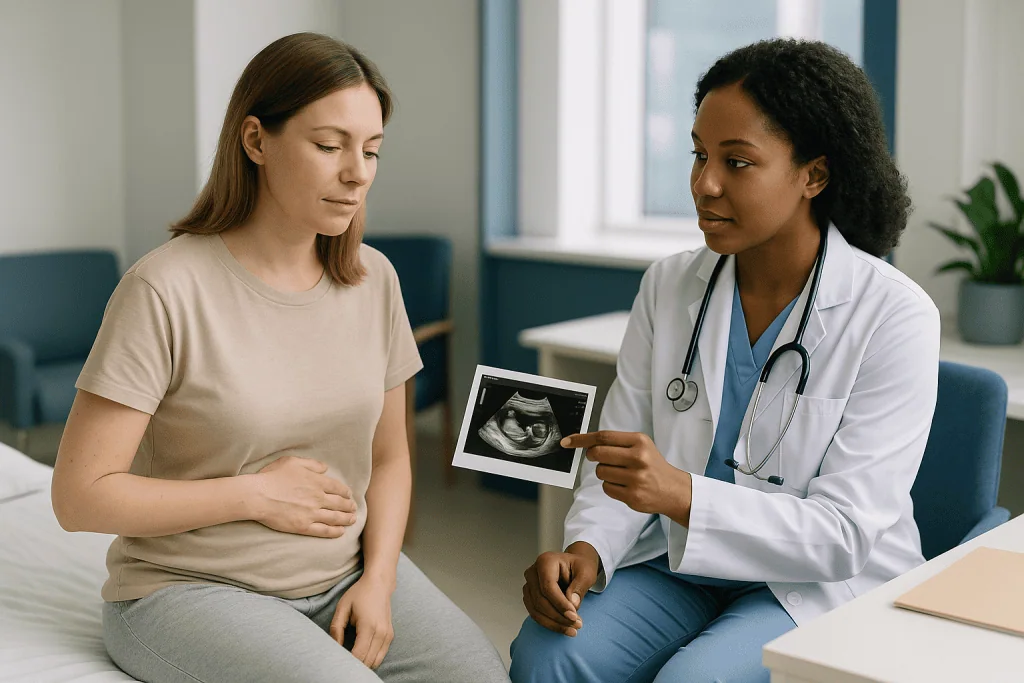
Many people are first offered less invasive tests. A hysterosalpingogram, or HSG, is an X-ray taken while contrast fluid is passed through the tubes; a similar check can be done with ultrasound. Blood tests assess ovulation and ovarian reserve, and a semen analysis for a male partner is standard. If those tests already point to in vitro fertilization, some teams reasonably move there without an operation, because IVF bypasses the tubes altogether.
Who is usually asked to wait? Anyone with an active pelvic or chest infection, since anesthesia and surgery both go better once it has settled. Anyone whose medical conditions, such as diabetes or blood pressure, are not yet well controlled. Anyone who might already be pregnant; a pregnancy test is routine on the day. People taking blood-thinning medicines are often asked to pause them under supervision beforehand, a decision that belongs to the prescribing clinician, never to the patient alone. Some teams also delay when body weight or breathing conditions raise anesthetic risk, and will discuss preparation first.
The point worth holding onto is that surgery is a tool, not a rite of passage. A good team can explain why the camera is likely to change your plan, and if the honest answer is that it probably will not, that is a legitimate reason to choose a different route.
The first 24 hours: what to expect after laparoscopy
You wake in a recovery area with a blood pressure cuff on your arm, possibly an oxygen mask, and a nurse asking you to rate your pain. Most people describe the first hour as foggy rather than painful. A sore, scratchy throat is common because a breathing tube was placed while you were asleep; it fades over a day or two.
Nausea is the most frequent complaint, and anesthetic teams give anti-sickness medicine routinely, so tell them if it persists. Sipping water and then trying a light snack usually happens within a couple of hours. Before discharge, the team wants to see that you can pass urine, keep fluids down, walk to the bathroom and manage on the pain relief they have chosen.
The NHS advises that someone drive you home and ideally stay with you for the first night, and that you avoid driving, alcohol, signing legal documents or operating machinery for 24 hours, because anesthetic drugs blunt reaction time and judgment well after you feel awake.
The abdomen feels tight and distended that evening, like an overfull stomach after a large meal. That is gas, not swelling from injury. Some cramping low in the pelvis, similar to period pain, is expected, particularly if dye was flushed through the uterus or endometriosis was treated. Light vaginal spotting can appear.
Sleep is often broken. Lying on your side with a pillow tucked under the abdomen tends to be more comfortable than lying flat. Set a gentle rhythm for the evening: a short walk around the room every couple of hours, small drinks, pain relief taken as your team directed rather than waiting for the ache to climb. Tomorrow will feel noticeably different from today.
Why shoulder pain after laparoscopy happens, and what actually helps
Of all the surprises after keyhole surgery, the ache under one shoulder blade catches people out most. It has nothing to do with the shoulder itself. A small volume of carbon dioxide stays in the abdomen after the operation and rises to collect beneath the diaphragm, the dome of muscle that separates chest from belly. The gas and the mild acidity it creates irritate the diaphragm, which is supplied by the phrenic nerve. That nerve enters the spinal cord at the same levels as nerves from the shoulder, so the brain misreads the signal. Doctors call this referred pain.

The NHS describes the shoulder discomfort as typically lasting a few days as the gas is gradually absorbed into the bloodstream and breathed out. It tends to be worse when upright or after a deep breath and eases when lying down, which is the opposite of most surgical pain and another clue that it is gas rather than a wound problem.
Several ordinary measures help. Gentle walking speeds the gas toward absorption and moves it away from the diaphragm. Warmth on the shoulder or upper back soothes the muscle that tightens in response. Lying on the side opposite the pain, or with knees drawn up, shifts the bubble. Peppermint tea and slow deep breathing are widely suggested; evidence for them is thin, but they are harmless. Simple pain relievers of the kind your team advised at discharge treat the ache as effectively as they treat the incisions.
What should prompt a call is shoulder or chest pain that is sharp, worsening, accompanied by breathlessness, or persisting beyond the range your team described. Those features point away from gas and toward something that needs assessment.
Laparoscopy recovery time: a realistic week-by-week picture
People search for a single number, and there is not one. The NHS gives the most useful framing: after a laparoscopy done purely to diagnose, most people resume normal activities within about 5 days; after a minor operative procedure, around 2 weeks; after major keyhole surgery such as removing an organ, recovery can take up to 12 weeks. Fertility laparoscopies usually fall in the first two categories, with extensive endometriosis surgery sitting toward the longer end.
| Stage | What most people notice | Typical range (NHS) |
|---|---|---|
| Day 1 to 2 | Grogginess, nausea, bloating, shoulder-tip ache, period-like cramps, spotting | Home same day or next morning |
| Day 3 to 7 | Gas pain fading, incisions itchy rather than sore, energy returning in bursts, tired by evening | Diagnostic cases back to normal activity by about day 5 |
| Week 2 | Most operative cases comfortable with desk work, light exercise, driving | Minor treatment cases back to normal around 2 weeks |
| Weeks 3 to 6 | Deeper internal healing after endometriosis or adhesion surgery; heavier lifting resumes gradually | Team-directed; review appointment often in this window |
| Up to 12 weeks | Full recovery after major keyhole surgery | Upper limit cited by NHS |
Two things distort this picture. The first is that energy recovers more slowly than pain. Many people feel fine at ten in the morning and are asleep on the sofa by three. That is normal, and it is the body diverting resources to healing. The second is that the surgeon’s report matters more than the calendar. Someone whose tubes were simply checked with dye is recovering from a different operation than someone who had an ovarian cyst removed and adhesions divided, even though both have identical dressings. Ask which category your procedure fell into before you plan your return to work.
Rest, movement and going back to work after keyhole surgery
The instinct after any operation is to stay still. The evidence points the other way. Blood clots in the leg veins, called deep vein thrombosis, form more readily when someone lies immobile after anesthesia, and walking is the simplest protection there is. The NHS, MedlinePlus and Cleveland Clinic all encourage gentle movement from the first day: to the bathroom, around the house, then short walks outside as comfort allows.
Rest still matters, just in a different form. Sleep as much as you want in the first week. Sit rather than stand when you can. Let someone else carry the laundry. The distinction is between resting the healing tissue and letting the whole circulation stagnate.
Lifting is the usual sticking point. Most teams advise avoiding anything heavy enough to make you brace your abdominal muscles, roughly a full shopping bag or a toddler, until the review appointment or until they say otherwise. Straining pulls on the internal stitches and the small incisions, and can prolong bloating and discomfort.
Driving requires that you can perform an emergency stop without hesitating because of pain, and that you are clear of anesthetic and any sedating medicine. The NHS suggests checking with your insurer as well as your team, since some policies specify a waiting period.
Returning to work depends on the job. Desk-based roles are often manageable within the timeframes above; roles involving lifting, long standing or shift patterns may need longer, and a phased return is reasonable to request. Exercise follows the same logic: walking early, then gradual return to swimming, cycling and gym work once the incisions have sealed and the team is comfortable. Contact sports and heavy core work come last.
Incisions, bathing, bleeding and the digestive system
The small cuts are usually closed with dissolvable stitches, skin glue or adhesive strips. Dissolvable stitches disappear on their own over a couple of weeks; glue peels away as the skin renews. Keep the area clean and dry, and follow the specific timing your team gave for removing dressings and showering, which is commonly within a day or two. Baths, hot tubs and swimming generally wait until the wounds have fully sealed, because soaking softens the closing edges.
Watch the wounds once a day in good light. Mild redness at the edges, a little clear or pink fluid on the dressing, itching, and a firm ridge under the skin are all part of normal healing. Spreading redness, warmth, thick discharge or a wound that opens are not, and belong in the section on calling your doctor.
Light vaginal bleeding or brownish spotting for several days is common, especially when a dye test was performed or an instrument was placed in the uterus to move it during surgery. Use pads rather than tampons until your team says otherwise, to reduce infection risk while tissue heals.
The gut is slow to wake after anesthesia, and pain medicines can add to constipation. Plenty of fluids, fruit, vegetables and whole grains help, and gentle walking stimulates the bowel. Passing wind is a welcome sign that things are moving. Many teams suggest a mild stool softener; ask rather than guess. Some people also notice they need to urinate more often for a day or two, a side effect of the fluids given during surgery. Burning when passing urine, or an inability to pass urine at all, is different and needs a call.
When can you have sex again, and when can you start trying to conceive?
The question people most want answered is often the one they feel awkward asking. The general guidance from the NHS and Mayo Clinic is to wait until vaginal bleeding has stopped, the incisions are comfortable and you feel ready. For many people that is within a couple of weeks; for others, particularly after more extensive surgery, longer. Your team will give a specific window, and it is worth asking before you leave hospital rather than wondering afterward.
Trying to conceive is a separate decision with two parts: the body and the plan. On the body side, once bleeding has settled and you are comfortable, there is usually no physical reason to delay if the surgery was diagnostic or involved a dye test. Some clinicians take the view that the first few cycles after a tubal flush are a reasonable time to try naturally, though evidence for a strong post-procedure boost is limited and the effect, if any, is modest.
On the plan side, everything depends on what was found. After endometriosis surgery, some people are prescribed hormonal medicines, such as combined hormonal contraception or GnRH analogues, which work by suppressing the estrogen that drives endometriosis growth. Conception is not possible while taking these, and any course length is set by the prescribing clinician. Others are advised to try naturally for a defined period before moving to assisted treatment. After surgery for blocked tubes, the team may want a follow-up patency test first.
Nobody should start, stop or alter a prescribed medicine to try for a pregnancy sooner without that conversation. The plan is meant to fit your findings, your age and your circumstances, and the team who saw inside is best placed to shape it.
Pregnancy after laparoscopy for endometriosis: what the evidence honestly shows
Ask what the likelihood of pregnancy is after laparoscopy for endometriosis and any honest clinician will begin with a question of their own: which endometriosis, and in whom? The answer depends on the stage of disease, whether the ovaries were involved, age, ovarian reserve and the male partner’s results, and no single percentage can carry all that weight.
What can be said is this. Mayo Clinic describes conservative laparoscopic surgery, removing endometriosis while preserving the uterus and ovaries, as an option that may improve the chance of pregnancy, particularly in mild to moderate disease. The NHS similarly notes that surgery to remove or destroy endometriosis tissue can improve the chances of pregnancy for some people, though it stresses that it does not help everyone. The underlying randomized evidence suggests a real but modest benefit for minimal and mild endometriosis; for more severe disease the picture is less clear and IVF often becomes part of the conversation.
Two cautions deserve emphasis. Removing an endometrioma, a cyst on the ovary containing endometriosis, can reduce the number of eggs remaining in that ovary, which is why teams weigh surgery carefully when IVF is likely. And endometriosis can recur, so the window after surgery is often treated as a period to act rather than to wait indefinitely.
People also ask how long it takes to get pregnant with endometriosis, or search for success stories. Stories are real and worth hearing, but they are selected by their happy endings and cannot tell you your odds. The more useful benchmark comes from Mayo Clinic’s general guidance: seek fertility assessment after a year of trying, or after six months if you are 35 or older, and sooner when endometriosis is known. Your team can translate the operative findings into a realistic plan.
Follow-up scans and tests: what happens at the review appointment
The review appointment, commonly a few weeks after surgery, is where the operation turns into a plan. Expect four elements: a check of the incisions and your recovery, the surgeon’s account of what was seen, the histology result, and a decision about further tests.
Histology means the laboratory examination of any tissue removed under a microscope. It confirms whether suspected endometriosis really was endometriosis and characterizes any cyst. Many teams also show operative photographs, which can be startling but genuinely help people understand their own anatomy.
Which scans follow depends on what was done. After ovarian surgery, a transvaginal ultrasound, a scan performed with a slim probe inside the vagina for a close view of the ovaries and uterus, checks that the ovary has settled and looks for any early recurrence of a cyst. A blood test for anti-Müllerian hormone, or AMH, a marker of how many eggs remain, may be repeated to see whether ovarian reserve has changed; Mayo Clinic lists it among the standard ovarian reserve tests.
After surgery on the fallopian tubes, the team may want confirmation that the tubes have stayed open. That can be an HSG, the X-ray dye test, or an ultrasound-based version using a contrast fluid. It is usually scheduled once the pelvis has healed, and the timing is the team’s call.
A word of realism about what scans can and cannot do. Ultrasound sees cysts, fluid and the shape of organs; it does not see superficial endometriosis or fine adhesions, which is why the operation was needed in the first place. A clear post-operative scan is reassuring, not a guarantee. The review is the moment to ask how each result changes the next step, and how long the team suggests trying before revisiting the plan.
Recovery after laparoscopy for infertility when the hardest part is not physical
The incisions heal on a schedule. The mind does not. People type “how to heal from infertility” into search engines at three in the morning because the operation has just made an abstract worry concrete, and there is no dressing for that.
The findings themselves land in very different ways. Some people are relieved: a clear pelvis and open tubes remove a fear, even though they leave the question unanswered. Others feel grief when endometriosis is confirmed after years of being told their pain was normal, mixed with a strange validation. Some learn that damage is more extensive than hoped and that the route forward runs through assisted treatment. All of these are reasonable responses, and none of them means you are coping badly.
Fatigue makes everything heavier. The first week after anesthesia is not the week to make large decisions or to have the conversation about next steps with a partner who processes things differently from you. Give the body its head start.
Mayo Clinic and the NHS both point to the same practical supports for the emotional side of infertility: counseling with someone experienced in fertility, patient support groups, honest conversation with a partner about what each of you needs, and permission to step back from social situations that hurt. Many fertility services have counselors attached; asking for that referral at the review appointment is a normal request, not a sign of weakness.
There is no clinical fix for the uncertainty. What helps most, in the experience of people who have been through it, is turning the vague dread into a written plan with dates and decision points, so that waiting becomes a stage with an end rather than an open field.
What people often get wrong about recovering from fertility laparoscopy
Bed rest speeds healing. It does the opposite for circulation and bowel function, and it raises clot risk. Rest your abdomen, not your legs. Short frequent walks from day one are the standard advice from the NHS and MedlinePlus.
Shoulder pain means the surgeon damaged something. The ache is referred from the diaphragm, irritated by leftover gas. It fades over a few days and is a near-universal experience, not a complication.
Small scars mean a small operation inside. The skin incisions look the same whether the surgeon spent twenty minutes looking around or two hours excising endometriosis. Internal healing, not the dressings, sets your recovery time. Ask which you had.
Laparoscopy makes you fertile. It diagnoses and sometimes treats a barrier. Evidence supports a modest improvement in pregnancy chances after surgery for mild endometriosis; it does not turn low odds into high ones, and for many people the operation’s main value is deciding the next step.
You must wait months before trying. After a diagnostic procedure there is usually no reason to delay once bleeding has stopped and you feel well, unless a medication plan intervenes. Waiting is sometimes advised for a reason; it is not a rule.
Everyone with infertility needs a laparoscopy. Mayo Clinic frames it as a test for specific situations, and many couples move to treatment without one.
Feeling fine on day three means you are healed. Pain settles before tissue strength returns. The lifting and exercise limits exist for the internal work you cannot feel.
Online success stories predict your outcome. They are true for the people who wrote them and silent about everyone who did not. Your operative findings, age and partner’s results are the relevant data.
Questions to ask your care team before and after the operation
Surgeons answer the questions they are asked. These are the ones that tend to change how the next few months unfold.
- Was my procedure diagnostic only, or was treatment carried out? Which recovery timeframe does that put me in?
- Exactly what did you see? Were both tubes open on the dye test? Was endometriosis present, and if so, how extensive, and where?
- Was anything removed, and when will the laboratory result be available? Who will call me with it?
- Did the surgery involve either ovary? Should my ovarian reserve be rechecked afterward?
- Which follow-up scan or test do you recommend, why, and when should it happen?
- When is it safe for me to drive, lift, exercise, bathe and have sex?
- When can we start trying to conceive, and for how long would you suggest trying naturally before we revisit the plan?
- Are you recommending any medicine after surgery? How does it work, how long is the course, and does it prevent conception while I take it?
- If we do not conceive in the window you suggest, what is the next step, and does anything we found today change the likely route?
- Which symptoms should make me call, and which should send me to an emergency department? What number do I ring out of hours?
- Is there a fertility counselor I can be referred to?
- Can I have a copy of the operation note and photographs for my records?
Write the answers down or ask someone to come with you. Anesthesia and adrenaline both erode memory, and the review appointment is often shorter than anyone would like. A clear written summary lets you make decisions at home, calmly, with the facts in front of you rather than half-remembered.
When to call your doctor: red-flag signs after laparoscopy
Most recoveries are uneventful, and most of what you feel in the first week is explained by gas, anesthetic and small healing wounds. A short list of symptoms falls outside that pattern, and the NHS, MedlinePlus and Cleveland Clinic agree on them. Contact your surgical team or an out-of-hours service the same day if you notice any of the following.
- A fever, or feeling shivery and unwell, after the first day
- Abdominal pain that is getting worse rather than better, or that is not controlled by the pain relief you were given
- Redness spreading from an incision, increasing warmth, swelling, thick or foul-smelling discharge, or a wound that opens
- Vaginal bleeding heavier than a normal period, or bleeding that increases after initially settling
- Persistent vomiting, inability to keep fluids down, or a swollen, hard abdomen with no wind passing
- Burning or difficulty passing urine, or being unable to pass urine at all
- Pain, swelling or warmth in one calf, which can signal a blood clot
- Fainting, dizziness on standing, or a racing heart
Call emergency services or go straight to an emergency department for chest pain, sudden breathlessness, coughing up blood, severe abdominal pain with a rigid abdomen, or heavy bleeding that soaks through a pad in an hour. These can indicate a clot that has travelled to the lungs, bleeding inside the abdomen, or injury to the bowel or bladder, all of which are uncommon but time-critical.
You know your own body. If something feels wrong and does not fit the picture described in your discharge sheet, that alone is reason enough to pick up the phone. Teams would far rather reassure ten people than miss one. The decisions about assessment and treatment rest with them; your job is only to report what you notice, early.
Frequently asked questions
What is the likelihood of getting pregnant after laparoscopy for endometriosis?
There is no single figure, because the chance depends on the stage of endometriosis, whether the ovaries were involved, your age, ovarian reserve and your partner’s results. The NHS and Mayo Clinic describe surgery as something that can improve chances for some people, particularly in mild to moderate disease, with a modest benefit in trials. Your surgeon can interpret your specific operative findings and advise how long to try before reconsidering.
How long does it take to get pregnant with endometriosis?
Endometriosis can lengthen the time to conception, but it varies enormously and many people with the condition conceive without treatment. Mayo Clinic’s general guidance is to seek assessment after 12 months of trying, or 6 months if you are 35 or older; with known endometriosis, teams often set a shorter window after surgery because the disease can recur. Ask your team for a personalized timeframe.
How long is laparoscopy recovery time for a fertility procedure?
The NHS gives about 5 days for return to normal activity after a diagnostic laparoscopy and around 2 weeks after minor operative treatment, with up to 12 weeks for major keyhole surgery. Fertility procedures usually fall in the first two groups, though extensive endometriosis excision takes longer. Energy typically lags behind pain relief, so tiredness in the afternoons for a week or two is common.
Is shoulder pain after laparoscopy normal?
Yes. Carbon dioxide used to inflate the abdomen irritates the diaphragm, and the nerve supplying the diaphragm shares spinal levels with the shoulder, so the brain registers the pain there. The NHS notes it usually lasts a few days. Walking, warmth and position changes help. Shoulder or chest pain that is sharp, worsening or accompanied by breathlessness is different and should be reported promptly.
What should I expect after laparoscopy on the first night at home?
Expect bloating, period-like cramps, a scratchy throat, some spotting and tiredness. You should not drive, drink alcohol or make important decisions for 24 hours, and an adult should stay with you. Short walks around the house every couple of hours ease gas and reduce clot risk. Take pain relief as directed rather than waiting for pain to build, and sleep on your side with a pillow against your abdomen.
How to heal from infertility emotionally after surgery?
There is no clinical shortcut, but recognized supports help: fertility counseling, peer support groups, honest conversation with your partner about what each of you needs, and permission to protect yourself from painful social situations. Give the first post-anesthetic week to physical recovery before making decisions. Many people find turning uncertainty into a written plan with dates and decision points makes the waiting bearable.
Are success stories of pregnancy after laparoscopy reliable?
They are true for the people who share them, but they are selected by their outcomes; those who did not conceive rarely post. Stories can offer hope and practical tips, yet they cannot tell you your own odds. The relevant information is your operative findings, histology, ovarian reserve, age and partner’s semen analysis, which your team can translate into a realistic plan.
When can I have sex after laparoscopy for infertility?
Most teams advise waiting until vaginal bleeding has stopped, the incisions are comfortable and you feel ready, which for many people is within a couple of weeks. After more extensive surgery, or if a uterine procedure was performed at the same time, the window may be longer. Ask your surgeon for a specific timeframe before discharge, and use pads rather than tampons while spotting continues.
What follow-up scans are done after laparoscopy for infertility?
It depends on what was done. After ovarian surgery, a transvaginal ultrasound checks the ovary and looks for cyst recurrence, and the ovarian reserve marker AMH may be rechecked. After tubal surgery, an HSG X-ray dye test or an ultrasound contrast test may confirm the tubes remain open. Histology of any removed tissue is reviewed at the same appointment. Your team decides the timing.
Which symptoms after laparoscopy mean I should call my doctor?
Call the same day for fever, abdominal pain that is worsening or uncontrolled, spreading redness or discharge from an incision, bleeding heavier than a period, persistent vomiting, difficulty passing urine, or a swollen painful calf. Seek emergency care for chest pain, sudden breathlessness, a rigid abdomen or very heavy bleeding. If something feels wrong and does not match your discharge sheet, that alone is reason to call.
References
- NHS: Laparoscopy (keyhole surgery): recovery and risks
- NHS: Endometriosis: treatment, including surgery and fertility
- MedlinePlus: Pelvic laparoscopy
- Cleveland Clinic: Laparoscopy: procedure, recovery and risks
This article is for general information only and is not a substitute for professional medical advice. Please consult a qualified doctor about your individual situation.

More from the Blog

The Well-Woman Exam: What Happens and Which Tests at Which Age
A well-woman exam is a yearly preventive visit that reviews your health history, checks blood pressure and weight, and offers age-based screening such as…
When an IVF Cycle Does Not Work: How Your Team Reviews What Happened and Plans the Next Step
When an IVF cycle fails, the usual next step is a review appointment with your fertility team, typically a few weeks after the result,…
Ovulation Induction Explained: How Monitored Cycles Work Before IUI or IVF Is Considered
Ovulation induction uses medicine to help an ovary mature and release an egg in people who ovulate rarely or not at all. A monitored…

Postpartum Recovery: The Six-Week Myth and the Real Timeline for the Body
Postpartum recovery is not finished at six weeks. The six-week mark is when bleeding usually stops, the uterus has returned to roughly its pre-pregnancy…

Reading Your PGT-A and PGT-M Results: What the Report Can and Cannot Tell You Before Transfer
A PGT-A report classifies each embryo's biopsied cells as euploid (the expected chromosome count), aneuploid, mosaic, or no result, while a PGT-M report states…

Tubal Assessment in Female Infertility Treatment: What the Test Shows and How It Guides Care
Tubal assessment in infertility checks whether the fallopian tubes are open so an egg and sperm can meet. It is usually done with a…