Female Infertility Treatment
Female infertility care identifies and treats causes that may prevent pregnancy, including ovulation, tubal, uterine, endometriosis or age-related factors. Treatment may include medication, surgery, IUI or IVF.
Quick answer
Female infertility treatment is a step-by-step medical pathway that first identifies why pregnancy is not occurring, through hormone tests, ultrasound and assessment of the uterus and fallopian tubes, and then treats the specific cause. Options range from ovulation medication and intrauterine insemination to minimally invasive surgery and IVF. The right approach depends on the cause, your age, ovarian reserve and your partner's semen analysis.
Female Infertility: Understanding the Problem and Your Fertility Options
Female infertility is the inability to become pregnant after twelve months of regular, unprotected intercourse, where the contributing factors lie partly or wholly on the female side. Female infertility treatment is the structured process of finding out why conception is not happening and then correcting or working around that cause, with medication, minimally invasive surgery, intrauterine insemination (IUI) or in vitro fertilisation (IVF). It is for women who have been trying to conceive without success, and for women with a known condition that makes pregnancy less likely or less predictable.
Trying to become pregnant usually begins with hope and planning. When months pass without a positive test, that hope can turn into a draining cycle of anticipation, disappointment and uncertainty. The questions arrive quickly. Is something wrong? Should we wait longer? Is age already working against us? Will treatment be invasive? Is IVF the only realistic option? A careful fertility evaluation exists to answer exactly these questions, accurately, without rushing you into treatment you may not need.
It helps to be clear about one thing from the start: a diagnosis of infertility does not mean pregnancy is impossible. In many cases it means that one or more medical factors are making conception more difficult, less predictable or less likely without support. Those factors may involve ovulation, the fallopian tubes, the uterus, endometriosis, hormonal balance, ovarian reserve, egg quality, previous pelvic infection, prior surgery or age-related change. Some of these can be corrected. Others can be bypassed. A few simply need accurate information and better timing.
What does fertility mean?
Fertility means the natural ability to conceive a child and carry a pregnancy. In practical terms, it depends on a chain of events working together: an egg must mature and be released, sperm must reach and fertilise it, the fallopian tube must transport the resulting embryo, and the uterus must allow it to implant and grow. Fertility is therefore a property of a couple, not of one person: a weak link at any point in that chain, on either side, can delay or prevent pregnancy. That is why a proper infertility assessment always looks at the whole chain rather than a single test result, and why fertility can change over time even in the same person, particularly with age, illness or surgery.
What Female Infertility Treatment Is
Female infertility treatment is a structured medical process that identifies and addresses the factors preventing pregnancy. It usually begins with a detailed evaluation and may lead to medical therapy, minimally invasive surgery, intrauterine insemination, in vitro fertilisation, or a combination of these. The best treatment depends on the cause of infertility, your age, your ovarian reserve, how long you have been trying, previous pregnancies, your partner’s sperm results, any prior treatments and your overall health. There is no single standard protocol that fits everyone, and a clinic that offers one should prompt questions rather than confidence.
The definition has a practical timing rule built into it. Infertility is commonly defined as not becoming pregnant after twelve months of regular, unprotected intercourse. For women aged 35 or older, evaluation is generally recommended after about six months, because fertility can decline more quickly with age and time matters more. Women with irregular periods, known endometriosis, prior pelvic infection, repeated miscarriage, previous ovarian surgery, chemotherapy exposure or suspected tubal disease may benefit from evaluation even earlier, sometimes before trying at all.
Female infertility care is a pathway rather than a single procedure. Some patients need medication that helps ovulation occur regularly, and nothing more. Others need treatment for a thyroid or prolactin disorder, surgical correction of a uterine polyp or fibroid, removal of endometriosis, repair or bypass of tubal damage, or assisted reproductive technology such as IUI or IVF. In selected situations, fertility preservation, donor eggs, preimplantation genetic testing or advanced embryo selection may be discussed, depending on the medical indication and the regulations that apply where you are treated.
A careful fertility programme also evaluates the male partner, because infertility often involves male factors, female factors or both at once. Even when a woman has a clearly identifiable condition, semen analysis remains an essential part of planning: a significant sperm problem changes which treatments are realistic. Male infertility assessment is quick, non-invasive and prevents months of treating only half of the problem. A complete picture of infertility and its causes on both sides supports a more precise plan and avoids unnecessary delay.
Signs of Infertility and When to Seek an Evaluation
Signs of infertility in women include periods that are very irregular, absent or unusually heavy; severe menstrual pain; pain during intercourse; known endometriosis; a history of pelvic inflammatory disease; a prior ectopic pregnancy; previous pelvic or abdominal surgery; and repeated pregnancy loss. Any of these justifies an earlier evaluation rather than waiting out the full twelve months. It is equally important to say the opposite: many women have no symptoms at all and only discover a fertility issue after testing. A regular, comfortable cycle does not rule out tubal damage, diminished ovarian reserve or a uterine abnormality.
Some women seek care after repeated unsuccessful attempts to conceive naturally. Others come after fertility treatment elsewhere has not worked and want a second opinion before continuing down the same path. Both are legitimate starting points, and in both cases the first task is the same: establish what has actually been tested, what the results showed, and what remains unknown.
How do you know if you are infertile?
You cannot reliably know from symptoms alone; the only dependable way to find out whether you are infertile is medical testing. Symptoms such as irregular cycles or pelvic pain raise suspicion, but they neither confirm nor exclude a fertility problem. What testing can establish is whether you are ovulating, whether your ovarian reserve is in the expected range for your age, whether your fallopian tubes appear open, whether your uterine cavity looks normal, and whether your partner’s sperm parameters are adequate. Even then, medicine deals in probabilities rather than verdicts: a normal work-up does not promise pregnancy, and an abnormal one rarely closes every door. What it does is replace guessing with evidence.
How can you check if you are fertile?
You can check your fertility in two layers. At home, tracking your menstrual cycle gives useful clues: cycles that arrive at a broadly regular interval, with signs of ovulation such as mid-cycle cervical mucus changes or positive ovulation predictor tests, suggest that eggs are being released. A formal check goes further and requires a clinic: blood tests for anti-Müllerian hormone (AMH), follicle-stimulating hormone (FSH), estradiol, thyroid function and prolactin; a pelvic ultrasound with an antral follicle count; imaging of the fallopian tubes when indicated; and a semen analysis for your partner. Together these give a genuine picture of current fertility rather than a single snapshot.
How Female Infertility Is Diagnosed
Diagnosis begins with a detailed medical and reproductive history. Your physician will ask about menstrual cycle patterns, how long you have been trying to conceive, prior pregnancies or miscarriages, surgeries, infections, current medications, lifestyle factors and family history. If you have been evaluated or treated before, previous test results, ultrasound reports, operative notes, embryo reports, medication protocols and any genetic or hormonal testing already performed are all genuinely useful: they can spare you repeated tests and reveal patterns a single new test would miss.
Blood testing assesses ovarian reserve and hormonal balance. Anti-Müllerian hormone reflects the remaining pool of ovarian follicles; follicle-stimulating hormone and estradiol, measured early in the cycle, add context; thyroid function and prolactin are checked because disorders of either can quietly disrupt ovulation. Ovulation itself may be assessed through cycle history, hormone tests timed to the second half of the cycle, or ultrasound monitoring across a cycle.
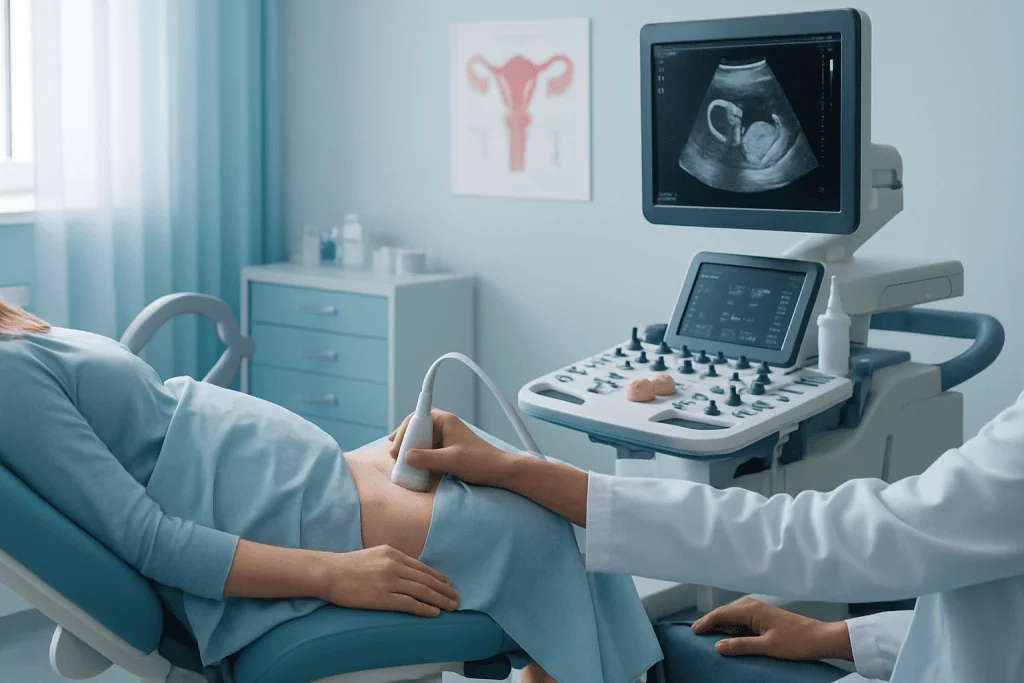
Ultrasound is the workhorse of the evaluation. It shows the ovaries and allows an antral follicle count, assesses the uterus and its lining, and looks for cysts, fibroids, polyps or signs of endometriosis. The fallopian tubes and the uterine cavity may then be evaluated with hysterosalpingography (an X-ray with contrast dye), saline infusion ultrasound or hysteroscopy. These tests establish whether the tubes appear open and whether the cavity has abnormalities that could interfere with implantation. In selected patients, laparoscopy, keyhole surgery under anaesthesia, is used to diagnose and simultaneously treat endometriosis, pelvic adhesions or tubal disease.
A semen analysis for the male partner is usually recommended early rather than as an afterthought. Sperm count, movement and shape directly influence whether timed intercourse, IUI, conventional IVF or intracytoplasmic sperm injection (ICSI) is the appropriate route. If you are travelling abroad for treatment as a couple, it is worth understanding in advance how and when the partner’s sample is collected and whether he needs to be present at specific points; the practicalities are explained in this guide on partner attendance and sample collection during fertility treatment. Fertility care works best when both partners are assessed rather than focusing on only one side of the reproductive process.
Causes and Conditions Addressed by Female Infertility Treatment
What are four common causes of female infertility?
The four causes seen most often are ovulation disorders, blocked or damaged fallopian tubes, uterine abnormalities, and endometriosis. A fifth factor, age-related decline in egg number and quality, sits behind or alongside all of them and increasingly shapes treatment decisions. Each of these deserves a closer look, because the right treatment differs sharply between them.
Ovulatory dysfunction means eggs are not released regularly, and it is one of the most common findings. It can occur with polycystic ovary syndrome (PCOS), thyroid disease, elevated prolactin levels, significant weight change in either direction, intense exercise, sustained stress, premature ovarian insufficiency or age-related decline in ovarian function. Treatment usually involves correcting the underlying hormonal issue where one exists, and using medication to induce or regulate ovulation. When the tubes are open and the sperm results are favourable, this can be one of the most rewarding categories to treat.
Tubal factor infertility occurs when one or both fallopian tubes are blocked or damaged. The tubes are where sperm and egg normally meet, so damage here interrupts conception at its earliest step. Causes include previous pelvic infection, endometriosis, pelvic surgery and ectopic pregnancy. Depending on the location and severity of the damage, treatment may involve surgery in carefully selected cases, or IVF, which bypasses the tubes entirely.
Uterine factors interfere with implantation or raise miscarriage risk. Fibroids that distort the uterine cavity, endometrial polyps, adhesions inside the cavity, congenital uterine anomalies and chronic inflammation of the lining all fall into this group. Many can be treated with hysteroscopic or laparoscopic surgery before further pregnancy attempts, which is why cavity assessment matters before committing to IUI or IVF.
Endometriosis is a condition in which tissue similar to the uterine lining grows outside the uterus, causing inflammation, adhesions, ovarian cysts and often pelvic pain. It can affect egg quality, ovarian reserve, tubal function and implantation, sometimes several of these at once. Treatment decisions depend on age, symptoms, ovarian reserve, disease severity and any prior surgery, and options range from surgery to ovulation treatment, IUI in selected cases, or IVF. The trade-offs here are real: operating on ovarian endometriomas can relieve disease but may also cost ovarian reserve, which is exactly the kind of decision that benefits from experienced, multidisciplinary review.
Unexplained infertility is diagnosed when standard tests show no clear cause, yet pregnancy has not occurred. This is a frustrating label, but it does not mean nothing is wrong. It may reflect subtle problems with fertilisation, egg quality, sperm function, tubal movement or implantation that routine tests cannot yet detect. Treatment typically involves ovulation induction with IUI or moving to IVF, weighed against age, duration of infertility and previous attempts.
Female infertility care also supports women with recurrent pregnancy loss, women who need fertility preservation before cancer treatment or other gonadotoxic therapy, and patients pursuing assisted reproduction because of genetic concerns. In every one of these situations, the plan should be individualised rather than pulled from a standard template.
Age and Fertility: What Changes and When
Age is the single factor no treatment can fully reverse, so it deserves plain discussion. Female fertility declines with age because both the number of eggs and their quality decrease over time. This makes conception gradually less likely and miscarriage gradually more common. Age also shapes treatment strategy: it influences how urgently to act, how the ovaries respond to stimulation, and whether lower-intensity options are still reasonable.
What is the best age for fertility?
Biologically, fertility is at its highest in a woman’s twenties and remains generally good into the early thirties. From the mid-thirties, the decline in egg number and quality accelerates, which is precisely why evaluation is recommended after six months of trying, rather than twelve, from age 35 onwards. None of this dictates when anyone should have children, life rarely follows biology’s preferred schedule, but it explains why the same treatment question can have different answers at 28 and at 38, and why ovarian reserve testing becomes more informative with each passing year.
When do females become infertile?
There is no single age at which women become infertile; natural fertility fades gradually rather than switching off. For most women it declines noticeably from the mid-thirties, falls more steeply in the early forties, and natural conception becomes uncommon in the years before menopause, which typically arrives around the early fifties. The variation between individuals is wide: some women conceive naturally in their mid-forties, while others face premature ovarian insufficiency far earlier. This variability is exactly why generalisations are a poor substitute for personal testing of ovarian reserve and cycle function.
How does the egg supply change with age?
A woman is born with all the eggs she will ever have, and the supply only declines from that point, no new eggs are made later in life. The decline runs continuously through childhood and adulthood, and by the time most women reach their mid-thirties, the great majority of the original supply has already been lost through natural processes, with the pace of loss accelerating thereafter. Quality declines alongside quantity: the eggs that remain at older ages are more likely to carry chromosomal errors, which affects fertilisation, embryo development and miscarriage risk. Ovarian reserve tests such as AMH and the antral follicle count estimate what remains, but they are interpreted alongside age and ultrasound findings, reserve numbers describe quantity far better than they describe quality.
Lifestyle, Habits and Medication: What Actually Affects Fertility
Lifestyle rarely explains infertility on its own, but it can tip the balance, and it is one of the few areas fully in your control. Body weight at either extreme can disrupt ovulation. Smoking is clearly linked with reduced ovarian function and earlier menopause. Heavy alcohol use, chronic sleep disruption and untreated chronic disease all work against conception. Because these questions come up constantly, three of the most searched deserve direct answers.
Does vaping cause infertility in females?
Vaping has not been proven to cause female infertility, but it has not been shown to be safe for fertility either, and the honest answer is that the research is still young. What is well established is that nicotine, the ingredient most vaping products deliver, affects blood flow, hormone signalling and ovarian function, and that tobacco smoking is firmly linked with reduced egg quality and earlier decline of ovarian reserve. Fertility specialists therefore generally advise avoiding nicotine in any form when trying to conceive. Treating vaping as harmless because it is not smoking would be a gamble the current evidence does not support.
Can energy drinks cause infertility in females?
There is no good evidence that energy drinks in moderation cause female infertility. The ingredient of most interest is caffeine, and some studies have associated very high daily caffeine intake with a longer time to conceive, though the findings are not consistent. Energy drinks also combine caffeine with high sugar loads and other stimulants, which is relevant for women managing weight or blood sugar as part of preconception health. A sensible position, and the one most fertility clinics take, is moderation rather than prohibition: keeping overall caffeine intake modest while trying to conceive, and not relying on energy drinks to mask chronic sleep deprivation, which is itself unhelpful.
Can sertraline cause infertility in females?
Sertraline, a commonly prescribed SSRI antidepressant, is not established as a cause of female infertility. Some antidepressants can affect libido, and in some women mood medication coincides with cycle changes, but a direct effect on the ability to conceive has not been demonstrated. It is also worth remembering that untreated depression and severe anxiety carry their own costs for health, relationships and the capacity to cope with fertility treatment. Any question about a specific medication, whether to continue it, adjust it or replace it before or during treatment, belongs with the doctor who prescribed it, working together with your fertility specialist. It should never be decided from an internet search, in either direction.
How Female Infertility Treatment Is Performed
Treatment begins with preparation and diagnosis. At the first consultation, your fertility specialist reviews your medical history, previous test results and reproductive goals. If you are travelling internationally, the team may request documents in advance so that planning can begin before you arrive: this shortens waiting time on the ground and clarifies which tests must be repeated and which earlier results are still clinically useful. The initial work-up typically includes hormone testing, pelvic ultrasound and, when indicated, assessment of the uterine cavity and fallopian tubes, as described above. Only once this picture exists does it make sense to choose between the main treatment routes.
What happens during ovulation induction and IUI?
If ovulation is the main issue, treatment often starts with medication. Oral or injectable medicines stimulate the ovaries to develop one or more mature follicles, with ultrasound and blood tests used to monitor progress and reduce risks such as ovarian overstimulation or multiple pregnancy. When a follicle is ready, an injection can trigger ovulation, followed by timed intercourse or IUI.
Intrauterine insemination is a treatment in which prepared sperm is placed directly into the uterus around the time of ovulation. It may be recommended for mild male factor infertility, unexplained infertility, cervical factors or certain ovulation disorders, provided at least one fallopian tube is open, which is why tubal assessment comes first. The insemination itself is usually performed without anaesthesia and takes only minutes, although the cycle as a whole requires several days of monitoring visits beforehand.
What happens during an IVF cycle?
IVF is more involved than IUI and runs as a sequence of defined steps:
- Step 1: Ovarian stimulation. Injectable medications encourage several eggs to mature in the same cycle instead of the usual one. Ultrasound scans and hormone tests monitor follicle growth so doses can be adjusted.
- Step 2: Trigger and egg retrieval. When the follicles are ready, an injection triggers final egg maturation. Retrieval is performed under sedation using ultrasound guidance: a fine needle passes through the vaginal wall into the ovarian follicles to collect the eggs. Most patients go home the same day.
- Step 3: Fertilisation in the laboratory. Eggs are combined with sperm through conventional insemination or, when indicated, by injecting a single sperm directly into each egg (ICSI).
- Step 4: Embryo culture. Fertilised eggs are cultured for several days under controlled laboratory conditions while embryologists observe their development, which guides selection for transfer or freezing. In some cases genetic testing of embryos is discussed, particularly with a known genetic condition, advanced reproductive age, recurrent pregnancy loss or repeated unsuccessful IVF attempts.
- Step 5: Embryo transfer. A thin catheter places the embryo into the uterus under ultrasound guidance. The transfer is brief and usually needs no anaesthesia. Hormone support may follow to help prepare and maintain the uterine lining.
- Step 6: Pregnancy test. A blood test after an appropriate waiting period gives the reliable answer; testing at home too early produces more anxiety than information.
For some patients, freezing all embryos and transferring in a later cycle is recommended instead of a fresh transfer, for medical reasons or simply for better timing. If you are weighing up IVF abroad, the practical sequence, typical length of stay and how monitoring is split between home and the treating clinic are covered in the IVF and fertility treatment guide.
When is surgery part of fertility treatment?
Surgery is recommended when a correctable anatomical problem is found. Hysteroscopy treats polyps, certain fibroids, adhesions and uterine septum using a small camera passed through the cervix into the uterine cavity, no abdominal incision at all. Laparoscopy evaluates and treats endometriosis, adhesions, ovarian cysts and selected tubal problems through small abdominal incisions. These minimally invasive approaches generally shorten recovery compared with open surgery, although the right method always depends on the specific condition and its complexity, and occasionally open surgery remains the safer choice.
The technology behind all of this, high-resolution ultrasound, laboratory hormone assays, endoscopic imaging, controlled embryo culture systems and micromanipulation techniques, exists to improve diagnosis, precision and monitoring. Its value lies not in the equipment itself but in how specialists interpret findings and apply them to the individual in front of them. Two clinics with identical machines can reach very different decisions.
How long does treatment take, and what is recovery like?
Duration varies by route. A diagnostic assessment can often be completed within days, depending on where you are in your cycle and which tests are needed. An ovulation induction or IUI cycle follows the rhythm of one menstrual cycle. An IVF cycle commonly requires several weeks from the start of stimulation to embryo transfer, and longer if a frozen transfer in a later cycle is planned. Surgical recovery ranges from a few days after hysteroscopy to several weeks after more extensive laparoscopy.
Recovery is generally manageable but differs by treatment. After IUI, most women return to normal activities the same day. After egg retrieval, mild cramping, bloating or spotting can occur for a short period. After hysteroscopy, recovery is usually quick; after laparoscopy, more time may be needed before resuming exercise, travel or work. Your physician will give you specific instructions about medication, activity, intercourse, travel and the circumstances in which you should seek medical advice. If you are returning to another country after a procedure, it is sensible to know in advance which symptoms your treating team wants reported from home: this guide on warning signs after returning home from treatment explains how that follow-up loop normally works.
Why Acting Early Matters
Time is a genuine variable in fertility care, especially for women in their mid-thirties and beyond, and for anyone with known ovarian reserve concerns. Ovarian reserve decreases with age and egg quality changes over time, and neither trend waits for a convenient moment. Delaying evaluation can narrow the range of effective options available later, particularly if IVF or fertility preservation eventually becomes necessary.
Acting early does not mean starting aggressive treatment immediately. It means getting accurate information. Some patients learn that they can reasonably continue trying naturally for a defined period, with monitoring and genuine reassurance. Others discover a condition that should be treated before more time passes: a blocked tube, a uterine polyp, a significant fibroid, severe endometriosis or a hormonal disorder that has been silently preventing ovulation for years.
Delay also allows certain conditions to progress. Endometriosis may worsen, fibroids may enlarge, and untreated ovulation problems simply continue to prevent predictable conception, month after month. In tubal disease, depending on the type and severity of damage, there may be an increased risk of ectopic pregnancy. In recurrent miscarriage, a timely evaluation may identify uterine, hormonal, genetic or blood-clotting factors that can be addressed before the next pregnancy attempt rather than after another loss.
There is an emotional case for early evaluation too. Many patients describe feeling more in control once they have a clear diagnosis, even when the news includes a need for treatment. A defined plan replaces open-ended uncertainty with practical next steps and realistic expectations, which, for most people, is easier to live with than another month of not knowing.
Benefits of Female Infertility Treatment
The benefits depend on the diagnosis, but the overall goal is constant: identify the barriers to pregnancy and select the safest, most appropriate path forward, which sometimes means less treatment, not more.
| Benefit | What It Means for You |
|---|---|
| Clearer diagnosis | Testing can identify ovulation, tubal, uterine, endometriosis-related, age-related or combined factors, allowing treatment to be more targeted. |
| Personalised treatment options | Your plan may include medication, surgery, IUI, IVF or observation, depending on your medical findings and reproductive goals. |
| Better timing | Monitoring ovulation, hormones and follicle growth can help coordinate intercourse, insemination, egg retrieval or embryo transfer more precisely. |
| Correction of treatable conditions | Polyps, selected fibroids, adhesions, endometriosis or hormonal disorders may be treated before further pregnancy attempts. |
| Access to assisted reproduction | When natural conception is unlikely, IUI or IVF may help overcome sperm, egg, tubal or unexplained factors. |
| Informed future planning | Ovarian reserve testing and specialist review can help you understand urgency, alternatives and whether fertility preservation should be considered. |
Recovery Timeline After Common Fertility Treatments
Recovery depends on the treatment performed, but many fertility procedures are outpatient and allow a return to light daily activities relatively quickly.
| Time Period | What Patients Can Expect |
|---|---|
| Day 1 | After IUI or embryo transfer, most patients can walk and resume gentle activities. After egg retrieval or minor surgery, mild cramping, bloating, spotting or fatigue may occur. |
| First Week | Patients may continue medications, attend follow-up appointments or wait for embryo development updates. After laparoscopy, rest and gradual return to activity are usually advised. |
| First Month | A pregnancy test, post-procedure review or planning visit may take place. If surgery was performed, healing and symptom improvement are assessed before trying to conceive or proceeding with IVF. |
| Longer Term | If pregnancy occurs, care transitions to obstetric follow-up. If treatment is unsuccessful, the team reviews findings, embryo development, response to medication and next-step options. |
Factors That Influence Outcomes
Outcomes in female infertility vary because fertility depends on many biological and clinical factors interacting at once, and honest clinics say so plainly. Age is one of the most important. As age increases, egg number and quality generally decline, which affects natural conception, response to ovarian stimulation, embryo development and miscarriage risk. Ovarian reserve tests provide helpful information, but they do not predict everything; they must be read alongside age, ultrasound findings and how your ovaries actually responded in any previous treatment.
The cause itself matters just as much. Ovulation disorders often respond well to medication when the uterus, tubes and sperm parameters are favourable. Tubal blockage may make IVF the realistic route if the tubes cannot function normally. Uterine cavity abnormalities usually need correcting before pregnancy attempts continue. Endometriosis requires the most careful planning of all, because surgery can help some patients while costing ovarian reserve in others, particularly when ovarian endometriomas are involved. Balancing disease treatment against fertility preservation is a judgement call, and it should be made by someone who has made it many times before.
Male factor findings shape the treatment choice too. Mild abnormalities may be manageable with IUI in selected situations, while more significant sperm issues point towards IVF with specialised fertilisation techniques. When both male and female factors are present, the plan must address both rather than assuming a single cause and being surprised later.
Previous treatment history is one of the most underused sources of guidance. How the ovaries responded to stimulation, how many eggs were retrieved, fertilisation results, embryo development, any difficulty at embryo transfer and the outcomes of past cycles all carry information. This is why a second opinion can be especially valuable after unsuccessful IVF: fresh eyes may find room to adjust the stimulation protocol, the laboratory strategy, the uterine assessment or the transfer timing, or may confirm that the previous plan was sound and the next attempt is worth making.
General health completes the picture. Thyroid imbalance, uncontrolled diabetes, obesity, being significantly underweight, smoking, certain medications and untreated chronic disease can all reduce fertility or add risk to a pregnancy. Preconception care aims to optimise health before treatment begins and may include medication review with your treating doctors, nutrition counselling, weight management, vaccination assessment, genetic carrier screening where appropriate and treatment of underlying conditions.
Finally, it is worth defining what a good result actually is. It is not only whether one cycle leads to pregnancy. It also includes receiving an accurate diagnosis, avoiding treatment you never needed, reducing preventable risks, preserving future options where possible and understanding your situation well enough to make decisions you will not regret. Fertility care involves genuine uncertainty, and a responsible medical team discusses the limitations as clearly as the possibilities.
Female Infertility Care at Acibadem for International Patients
International patients often choose Acibadem for fertility care because the evaluation and treatment sit inside a broader hospital-based medical environment rather than a standalone clinic. That matters most when infertility is connected to something larger: endometriosis, fibroids, endocrine disorders, previous cancer treatment, recurrent pregnancy loss or a complex surgical history. Depending on the case, care may involve reproductive medicine specialists, gynaecologic surgeons, embryologists, radiologists, endocrinologists, genetic specialists, urologists or obstetricians working from the same records.
Multidisciplinary review earns its keep precisely when the pathway is not straightforward. A woman with low ovarian reserve and endometriosis needs a careful discussion about whether surgery or IVF should come first, because the order can matter. A patient with fibroids needs an honest assessment of whether the fibroid actually affects the uterine cavity before anyone recommends removing it. A patient with repeated implantation failure needs a structured review of embryo quality, uterine factors and transfer technique rather than another identical cycle. These decisions benefit from experienced physicians working within evidence-based protocols, not from a one-size-fits-all programme.
In assisted reproduction, coordination between the physician and the embryology laboratory is central to everything. Ovarian stimulation must be monitored closely, egg retrieval timed precisely, and embryo culture handled under controlled conditions with meticulous identification processes. The specific technologies vary by centre and indication, but the purpose is consistent: safe monitoring, precise procedures, reliable laboratory handling and individualised embryo transfer planning.
For patients travelling from abroad, the practical layer of care includes help with appointment planning around the menstrual cycle, medical record transfer, interpretation, hospital navigation and coordination of follow-up after returning home. Fertility treatment is more cycle-dependent than most medical travel, so timing questions, when to arrive, which prior tests to send ahead, whether and when a partner needs to be present, are worked out before travel rather than improvised on arrival.
Second opinions are a normal part of this work. A review of previous cycles, medication protocols, imaging, laboratory reports and operative findings can establish whether the earlier plan was reasonable, whether additional evaluation is needed, or whether a different strategy deserves consideration. A second opinion does not always change everything; sometimes it confirms the existing direction, and that confirmation has value of its own.
Preparing for a Fertility Evaluation
Female infertility can be medically complex and emotionally demanding, but the process becomes far more manageable when you arrive prepared. The documents that help a specialist most are the ones that already exist: your age and menstrual history, how long you have been trying to conceive, previous pregnancies or losses, your partner’s semen analysis, hormone results, ultrasound reports, operative notes and records of any prior fertility treatment, including medication doses and embryo reports where relevant. Gaps are normal, knowing what is missing is itself useful information.
It also helps to think through your own priorities before the consultation. How much time are you willing to spend on lower-intensity options before escalating? How do you feel about surgery, about IVF, about freezing embryos for later? Are there personal, religious or legal considerations that shape which options are acceptable to you? A good specialist will ask these questions anyway; having considered them in advance makes the answers yours rather than the moment’s.
For some patients, the eventual answer is a simple ovulation plan and better timing. For others, it is surgery, IUI, IVF or a staged approach designed to protect future reproductive options. What every well-run evaluation delivers, regardless of outcome, is the same thing: a clear explanation of why pregnancy has not occurred, which options are realistic in your specific situation, and how urgent, or how unhurried, your next step can afford to be.
Preparation
- Evaluation usually begins with medical history, pelvic examination, ultrasound and hormone testing. Your doctor may request partner semen analysis, tubal assessment or genetic tests when needed. Bring previous test results, fertility records and medication lists to the consultation.
Aftercare
- Follow-up depends on the chosen treatment and may include ultrasound monitoring, blood tests and medication adjustments. After procedures such as egg retrieval or laparoscopy, short rest and symptom monitoring may be needed. Contact your care team for severe pain, heavy bleeding, fever or unusual symptoms.
Frequently Asked Questions
What affects the cost of female infertility treatment?
The main factors are the cause of infertility, diagnostic tests, medication needs, monitoring, laboratory services, whether surgery is required and the treatment pathway chosen. Travel, accommodation and interpreter support can also affect the overall budget for international patients.
How can I get a personalised quote from Acibadem?
You can request a free consultation and share previous test results, imaging reports, operation notes and treatment history if available. The fertility team can then suggest the likely evaluation steps and provide a personalised quote based on your medical plan.
Is IVF always needed for female infertility?
No. Some patients may be suitable for medication, surgery or IUI, while others may need IVF or IVF with additional laboratory techniques. Suitability is decided by a fertility specialist after assessment.
What is usually included in a fertility package?
Package content varies by case, but it may include consultation, selected diagnostic tests, treatment coordination and interpreter support. Medication, advanced laboratory techniques, surgery, embryo services and follow-up arrangements should be confirmed in writing before travel.
Are there extra costs I should ask about before starting treatment?
Ask whether the quote includes medication, monitoring visits, anaesthesia, laboratory procedures, embryo freezing or storage, surgical treatment, blood tests, imaging and follow-up. This helps you compare offers fairly and avoid misunderstandings.
Is this information medical or financial advice?
No. This is general educational information only. A fertility specialist should review your medical situation, and the international patient team can help with a personalised quote and practical planning.
Medically reviewed by the Acıbadem International Medical Board August 31, 2026
See our medical review board →
Update history
- PublishedJune 8, 2026
- Medical review approvedAugust 31, 2026
- Last content updateSeptember 8, 2026
References2
- Female Infertility medlineplus.gov
- Infertility nhs.uk
Trusted care for international patients
From the Acibadem Blog

Which Female Infertility Treatment Comes First? Medication, IUI, Surgery or IVF in Order
For most people, female infertility treatment follows a stepped order: a full evaluation of both partners first, then the least invasive option that matches…
Doctors Performing This Treatment

Vitro Fertilization and Reproductive Medicine Center
Prof. Mehmet Cıncık, MD

Vitro Fertilization and Reproductive Medicine Center
Assoc. Prof. Eser Çolak, MD

Vitro Fertilization and Reproductive Medicine Center
Assoc. Prof. Burak Elmas, MD

Vitro Fertilization and Reproductive Medicine Center