

Supporting a Family Member Through Brain Tumor Treatment: Appointments, Rest and Recovery
Key Takeaways
- Fatigue after brain radiation is cumulative and, according to the National Cancer Institute, can persist for weeks or months after the final session, so rest is part of the treatment plan rather than a sign of giving up.
- Corticosteroids reduce swelling around a tumor but commonly cause insomnia, hunger, mood swings and raised blood sugar, which explains many personality changes families mistake for the illness itself.
- After any seizure, most jurisdictions legally require a period off driving, and the length is set by the licensing authority and the neurologist, not by how well the person feels.
- Sound sensitivity in brain tumor care usually reflects tumor location, raised pressure, fatigue or treatment effects, and is a symptom to report rather than a signal of growth.
- Some slow-growing, symptom-free tumors are monitored with repeat scans instead of immediate surgery because operating near critical brain tissue can carry more risk than watching, as the NHS explains.
- Caregiver burnout shows up as poor sleep, weight change, irritability and loss of interest, and the care team's social worker can arrange respite, transport and moderated online support groups.
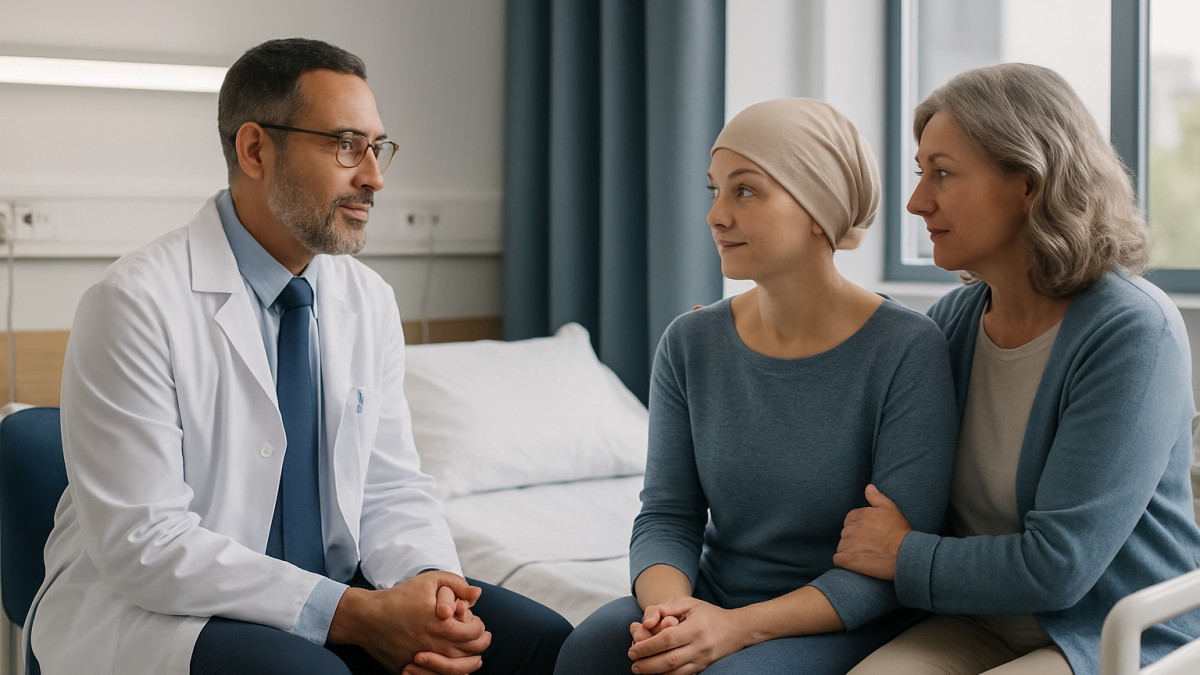
Supporting someone with a brain tumor means helping with three practical things: getting to and understanding appointments, protecting rest and sleep during treatment, and watching for changes that need a call to the care team. Keep a shared notebook of questions and symptoms, learn which medicines do what, protect your own energy, and let the treating team make every clinical decision.
The first thing most families remember is not the scan. It is the drive home afterward, the silence in the car, and the realization that someone now has to keep track of everything: which doctor said what, when the next appointment is, whether the headache this morning is the kind to worry about. That someone is usually a spouse, an adult child or a sibling who has never done this before.
Supporting someone with a brain tumor is different from supporting someone through most other illnesses, because the organ being treated is the one that handles memory, mood, language and judgment. The person you are helping may not be able to tell you what they need, or may not notice that something has changed. That shifts more of the watching, remembering and organizing onto you.
This guide is written for that person in the passenger seat. It explains what treatment usually involves, what the weeks around surgery or radiation tend to look like, and how to stay useful without losing yourself in the process.
What supporting someone with a brain tumor actually involves
Strip away the fear and the job has a shape. Families who do this well tend to carry four roles, and it helps to name them early so they can be shared.
The first is scheduler and driver. Brain tumor care is spread across neurosurgery, oncology, radiation oncology, neurology, rehabilitation and often a social worker, and the appointments rarely line up neatly. One person holding the calendar prevents missed scans and double bookings.
The second is witness. Because a tumor can blunt a person’s awareness of their own symptoms, the people around them become the early warning system. A new stumble, a word that will not come, a sleepier afternoon than usual: these are observations the care team genuinely wants, and they are easier to report if someone has been writing them down.
The third is translator. Clinic visits move fast and the language is dense. Someone who takes notes, asks for spelling, and reads the after-visit summary aloud at home turns a blur into a plan.
The fourth is guardian of rest, which sounds soft but is not. Fatigue is one of the most common effects of brain tumor treatment, and the National Cancer Institute notes that radiation-related fatigue can persist for weeks or months after treatment ends. Protecting sleep and saying no to well-meaning visitors is real work.
What the job does not involve is making medical decisions alone, diagnosing changes at home, or adjusting medicines. Those stay with the treating team, and families who try to carry them tend to burn out faster. The most useful caregiver is a well-rested observer with a good notebook, not a second doctor.
What are the treatments for brain cancer, and what does each ask of the household?
Treatment depends on the tumor’s type, grade and location, and on the person’s overall health. Most plans combine several approaches, and the sequence is set by a multidisciplinary team rather than any one specialist. Mayo Clinic and the NHS describe the main options as surgery, radiation therapy, chemotherapy, targeted drug therapy and, for some tumors, alternating electric field therapy worn on the scalp.
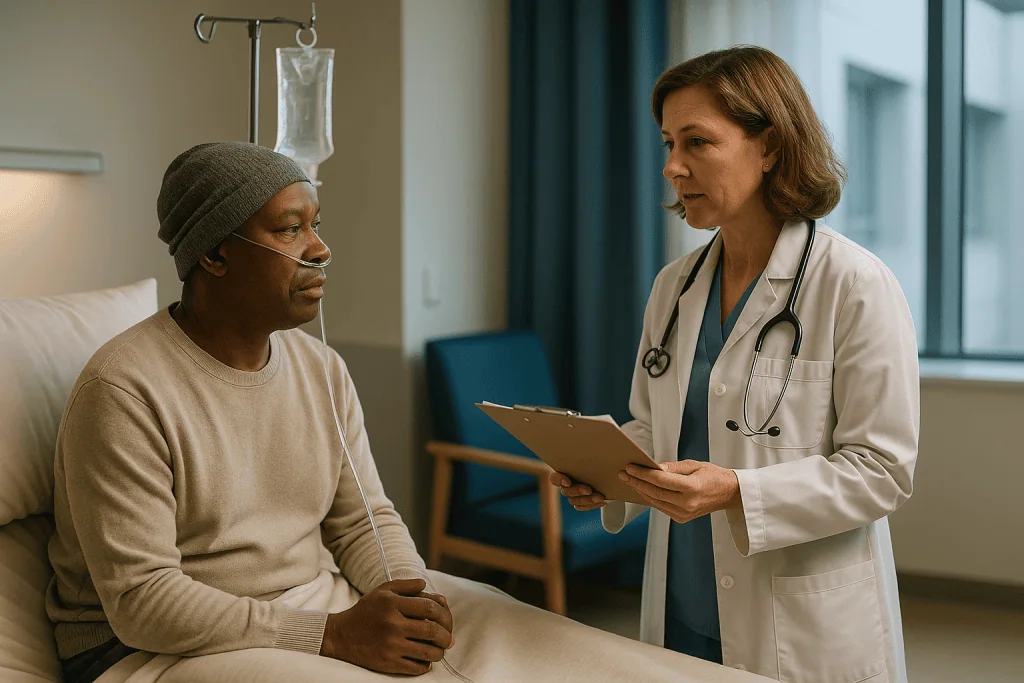
Surgery removes as much tumor as can be taken safely; for tumors near speech or movement areas, some operations are done with the person awake so the surgeon can test function. Radiation uses focused high-energy beams to damage tumor cell DNA and is usually delivered in short weekday sessions over several weeks. Chemotherapy uses drugs, by mouth or infusion, to kill fast-dividing cells; targeted therapies block specific molecular signals the tumor relies on. Each carries its own rhythm for the people at home.
| Treatment | What it usually involves | What families often help with |
|---|---|---|
| Surgery | Hospital stay, then wound care and gradual return to activity | Transport home, wound checks, limiting visitors, watching for new weakness or confusion |
| Radiation | Daily weekday sessions over several weeks; fatigue builds gradually | Daily driving, meal planning around nausea, protecting afternoon rest |
| Chemotherapy | Cycles with rest periods; blood counts monitored | Tracking fever, infection precautions, medicine timing reminders |
| Targeted or field therapy | Ongoing use with regular clinic review | Device care or pill routines, side-effect diary |
Supportive medicines run alongside all of these: corticosteroids to reduce swelling around the tumor and anti-seizure drugs to lower seizure risk. They are discussed in their own section below, because they shape daily life as much as the main treatment does.
Who is treated right away, and who is asked to watch and wait?
One of the hardest conversations in a family happens when the surgeon says there will be no surgery yet. It can feel like neglect. It usually is not.
Brain tumors range from slow-growing, benign (non-cancerous) growths such as many meningiomas to fast-growing malignant (cancerous) gliomas. The NHS explains that some small, slow-growing tumors that cause no symptoms are monitored with repeat scans rather than treated immediately, because the risks of operating near critical brain tissue can outweigh the benefit of removing something that may not change for years. This is called active surveillance, and it is a decision, not an absence of one.
People who usually go straight to treatment include those with tumors causing pressure symptoms, seizures that are hard to control, or scan features that suggest rapid growth. Those with a tumor in a surgically risky area, significant other illnesses, or very slow-growing lesions may be asked to wait, sometimes with a plan to act if a scan shows change.
For the person doing the supporting, surveillance brings its own pattern. There is the scan, then the days before results, then relief or a new plan. Families often call the window between scan and result the hardest part, and it helps to book something ordinary and pleasant for the day after the appointment, whatever the news.
Age and frailty also shape the plan. Older adults may be offered shorter radiation courses or gentler regimens, a choice guided by evidence about tolerability rather than a judgment about worth. If a decision feels unclear, it is reasonable to ask the team to explain what each option is weighed against, and to request a second opinion within the service. Neither request is a sign of distrust; it is how shared decision-making is meant to work.
How to be a useful second pair of ears at appointments
A neuro-oncology visit can compress a month of worry into fifteen minutes. The person with the tumor may be tired, frightened or struggling with word-finding, and the clinician is working through a checklist. Your job is to slow the room down just enough.
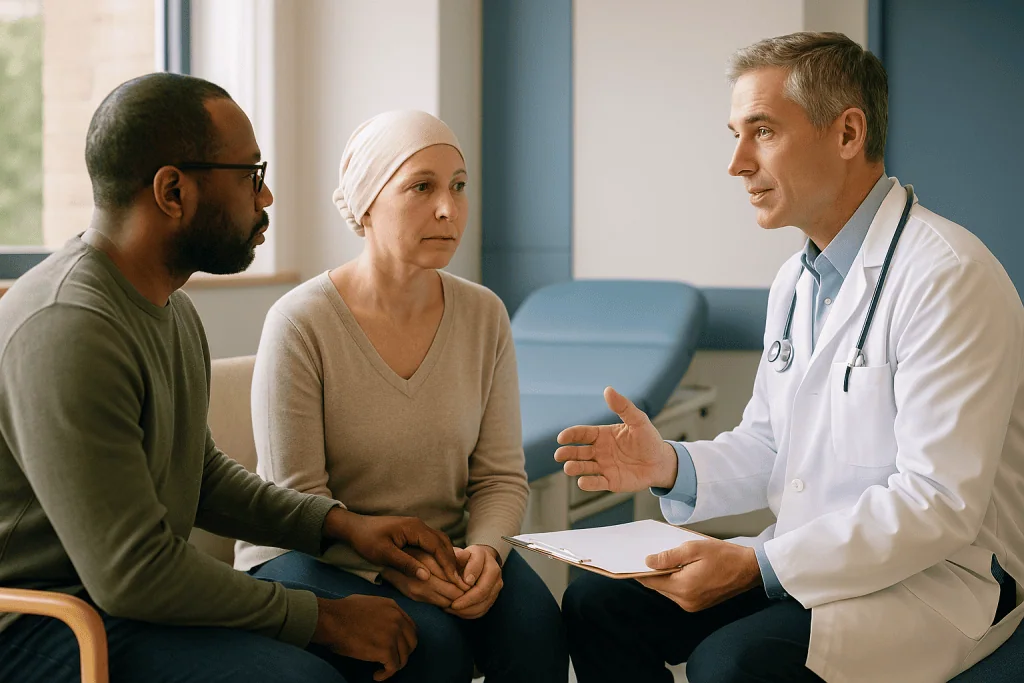
Arrive with three things: a dated list of changes since the last visit, a short list of questions ordered by importance, and the current medicine list including anything bought over the counter. Mayo Clinic’s own guidance on preparing for a brain tumor appointment suggests writing symptoms down, listing all medicines and supplements, and bringing a companion to help remember information.
During the visit, ask permission to take notes or to record the conversation; most clinicians agree. Ask for spellings. When a plan is described, repeat it back in your own words: “So the next scan is after the third cycle, and we call if the headache changes.” Mistakes surface fastest when the plan is said aloud.
Watch the person you came with. If they are nodding but their eyes have gone glassy, it is fine to say, “Could we go over that part once more?” You are not speaking for them; you are buying them time.
Before leaving, confirm who to call and when, and whether the clinic prefers phone, portal message or emergency department for different kinds of problems. Ask whether a written after-visit summary will be available.
At home, read the notes together within a day, while memory is fresh. Add anything missed to the next visit’s list. This routine sounds dull, and it is, which is exactly why it works: the dullness takes the panic out of the next appointment.
The medicines around a brain tumor: what they do, and what to watch
Most households learn more about two drug classes than they ever expected to: corticosteroids and anti-seizure medicines. Neither treats the tumor directly, and both can change the person in front of you.
Corticosteroids reduce swelling (edema) in the brain tissue around a tumor, which can ease headache, nausea and some weakness within days. The trade-off, described by the NHS and Mayo Clinic, is a familiar cluster of effects: trouble sleeping, increased appetite and weight gain, mood swings or irritability, muscle weakness in the thighs, higher blood sugar and a greater risk of infection. A person who is suddenly awake at 3 a.m., hungry and snappish is often responding to the steroid, not to you. The prescribing team sets the dose and the taper, and stopping suddenly can be dangerous, so changes are never made at home.
Anti-seizure medicines work by steadying electrical activity in the brain. Mayo Clinic lists seizures among the common symptoms of brain tumors, and many people are prescribed these drugs after a first seizure or around surgery. Drowsiness, dizziness and mood changes are common early on and often settle as the body adjusts. Missed doses raise seizure risk, so a pill organizer and a consistent time of day matter more here than for most medicines.
Chemotherapy and targeted drugs bring their own patterns, usually described in a treatment-specific leaflet. The thing to watch across all of them is fever, since infection risk rises when blood counts fall.
Keep an up-to-date list of every medicine and show it at every visit. If a side effect is making life miserable, say so; there are often alternatives, and that decision belongs to the clinician, not the kitchen table.
Why rest is part of treatment, not an interruption to it
Visitors mean well. They bring food and stay too long. The person on the sofa smiles through it and sleeps for two days afterward. Learning to protect rest is one of the most concrete things a family can do.
Fatigue after brain tumor treatment is not ordinary tiredness and does not respond to willpower. Radiation to the brain causes a cumulative fatigue that typically deepens through the course and, according to the National Cancer Institute, can continue for weeks or months after the final session. Surgery adds the ordinary recovery of any major operation plus the brain’s own repair work. Corticosteroids wreck sleep architecture even as they ease pressure, and anti-seizure drugs can add daytime drowsiness.
What helps, based on mainstream guidance for cancer-related fatigue, is unglamorous: a consistent wake time, daylight in the morning, short planned naps rather than long unplanned ones, and gentle movement such as a walk around the block if the care team agrees. Long afternoon naps often steal nighttime sleep and make the next day worse.
Families can help by becoming the gatekeeper. Keep visits short and scheduled. Put a sign on the door during rest hours. Batch errands so the person is not dragged along. Accept that a good day followed by a bad day is normal, not a setback.
Watch for the difference between fatigue and something new. Tiredness that comes with increasing headache, new weakness, confusion or excessive drowsiness that is hard to rouse someone from is not fatigue; it is a reason to call. Report sleep problems too, because a change in steroid timing or another adjustment may be possible, and that is a decision for the prescriber.
Brain tumor recovery at home: what the first days and weeks usually look like
After surgery, the first few days at home tend to revolve around the wound, the headache and the sleep. Expect scalp tenderness, a bandage or dissolvable stitches, and instructions about keeping the area dry. Pain is usually managed with medicines the hospital provides and tapers over the first week or two. The NHS advises that recovery time after brain tumor surgery varies widely with the operation and the person, and that follow-up scans and clinic visits are arranged by the surgical team.
Walking inside the house usually starts within a day or two; stairs and short outdoor walks follow as balance allows. Lifting, bending and anything that strains the head is restricted for a period the surgeon will specify. Confusion or word-finding trouble can be worse in the first days and often improves as swelling settles, though the pace differs from person to person.
Radiation has a slower arc. The first week usually feels manageable. Fatigue, scalp irritation and patchy hair loss in the treated area build through the middle weeks, and the National Cancer Institute notes that many side effects peak around or just after the end of treatment before gradually easing. Nausea, if it occurs, is often predictable by time of day, which lets meals be planned around it.
Chemotherapy runs in cycles with rest periods, and the household rhythm follows: a rough few days, a slow climb, a brief plateau, then the next cycle.
Rehabilitation often starts early. Physiotherapy for balance and strength, occupational therapy for daily tasks, and speech and language therapy for communication or swallowing are standard parts of brain tumor care, not add-ons. Ask for referrals if they have not been offered. Progress is measured in weeks, and a diary of small wins, first shower alone, first full night’s sleep, keeps everyone honest about direction.
Can I drive after brain radiation? Driving, seizures and independence
This is one of the most searched questions in brain tumor care and one of the most emotionally loaded, because driving is independence. The honest answer is that it depends on three things: seizures, the tumor’s effects on vision and reaction time, and the law where you live.
Radiation itself does not usually prohibit driving in the way a seizure does. The limiting factors are the fatigue and slowed processing that build during a course, and any medicines that cause drowsiness. Many radiation oncology teams advise against driving to and from sessions once fatigue sets in, and families often take over transport for the duration.
Seizures are a different matter. In most jurisdictions, a person who has had a seizure is legally required to stop driving for a defined period and to notify the licensing authority; the NHS states this clearly for the UK, and US rules are set state by state. The seizure-free interval required before a licence is restored varies by jurisdiction and by whether the seizure was an isolated event, so the figure is not something a family can look up and apply on its own. The neurologist or oncologist will say when it is appropriate to apply to drive again.
A brain tumor can also affect peripheral vision, attention and reaction time in ways the person does not notice. Occupational therapists can perform formal driving assessments, and many families find that an independent evaluation defuses a painful argument.
Practically, plan for not driving. Set up rides early, look into transport schemes through the cancer center’s social worker, and treat the loss as temporary where the team expects it to be. The decision to resume sits with the clinician and the licensing authority, never with the household, however frustrating that feels.
Can brain tumors cause increased sensitivity to sound?
Families notice this one before clinicians do: the television is suddenly too loud, the dishwasher is unbearable, a grandchild’s laugh makes the person wince. Sound sensitivity, sometimes called hyperacusis, is reported by many people with brain tumors, and the evidence points to several overlapping causes rather than one.
Location is the most direct. Mayo Clinic lists hearing problems among brain tumor symptoms, and tumors in or near the temporal lobe, which processes sound, or on the hearing and balance nerve (as with an acoustic neuroma) can alter how sound is perceived, including loudness and tolerance. Tumors raising pressure inside the skull can bring a migraine-like state in which light and sound both become hard to bear.
Treatment adds its own layer. Fatigue lowers the brain’s capacity to filter noise, so a crowded room that was fine before becomes exhausting. Radiation to areas near the ear can cause temporary inflammation that affects hearing. Some medicines list hearing changes or ringing in the ears among their effects. After surgery, the brain’s sensory gating, its ability to tune out background input, often takes time to recover.
What the evidence does not support is the idea that sound sensitivity alone diagnoses a tumor or signals growth. It is a symptom to report, not a verdict to draw.
At home, practical steps help more than reassurance. Lower background noise, turn off the radio during conversations, use soft furnishings to dampen echo, and offer ear defenders or foam plugs for unavoidable noise. Ask the care team whether an audiology referral makes sense, especially if hearing itself seems changed, and mention any ringing, fullness or dizziness alongside it so the picture is complete.
Memory, mood and personality: how to help someone with brain cancer without taking over
The person may look the same and sound almost the same, and yet something is off. They repeat a question, lose the thread of a story, snap at a small thing, or seem flat where they used to be warm. Mayo Clinic lists personality or behavior changes, confusion and memory problems among recognized brain tumor symptoms, and treatment, steroids and sheer exhaustion add to the mix.
The first thing to hold onto is that these changes are neurological, not moral. A frontal lobe tumor can erode judgment and impulse control; a left-sided tumor can tangle words; swelling anywhere can slow thinking. Taking it personally is natural and almost always wrong.
The second is to support without erasing. Research on cancer caregiving consistently finds that people cope better when they keep as much control over their own lives as they safely can. Offer scaffolding rather than substitution: a whiteboard with the day’s plan, a single place for keys and glasses, written notes after phone calls, and reminders phrased as questions. Let them make the choices that are still theirs, from what to eat to who visits.
Communication tips borrowed from speech and language therapy help. Give one instruction at a time. Wait longer than feels comfortable for an answer. Avoid finishing sentences unless asked. If a word will not come, ask them to describe it or point.
Mood changes deserve attention in their own right. Depression and anxiety are common after a brain tumor diagnosis and are treatable; the care team can refer to psycho-oncology or counseling, and medicines are sometimes appropriate, a decision for the prescriber. Report persistent low mood, withdrawal or talk of hopelessness just as you would a new physical symptom. It is a change in the brain, and the brain is what is being treated.
Caregiver support for brain tumor families: online groups and the wider team
Somewhere around the third week, many caregivers notice they have not had an uninterrupted hour, that they are eating standing up, and that their own doctor’s appointment was cancelled twice. Mayo Clinic’s guidance on caregiver stress lists the warning signs plainly: feeling overwhelmed or constantly worried, tiredness, sleeping too much or too little, weight change, irritability, losing interest in things once enjoyed, and frequent headaches or body pain. Reading that list and recognizing yourself is the first step, not a failure.
Online support groups for cancer caregivers exist and are worth trying. National cancer organizations and brain tumor charities run moderated forums and scheduled video groups, some specifically for partners, some for adult children, some for parents of a child with a tumor. The best are moderated by a social worker or trained facilitator, require registration, and have clear rules about medical advice; a forum that lets members recommend treatments is a forum to leave. Ask the cancer center’s social worker which groups they trust. The National Cancer Institute’s caregiver pages also describe what support services commonly look like and how to find them.
In-person help is wider than people assume. A hospital social worker can arrange transport, financial counseling, home nursing and respite care. Palliative care teams support symptom control at any stage of illness, not only at the end, and often help families most with sleep, pain and communication. Chaplaincy, psycho-oncology and patient navigators are usually a phone call away.
Accept specific offers. When a neighbor says “let me know if you need anything,” answer with a task: Tuesday school run, Thursday dinner, an hour of company so you can walk. People want a job. Give them one, and keep one hour a day that belongs only to you.
What people often get wrong about supporting someone with a brain tumor
The myths that cause the most harm are the ones that sound like kindness.
“Stay positive” is the first. Relentless optimism can stop a person from saying what frightens them and leave them lonely in a full house. The evidence on coping favors honest conversation and problem-solving over forced cheer. It is fine to say, “This is hard, and we will do it together.”
“Every headache means the tumor is growing” is the second. Headaches can come from tension, dehydration, poor sleep, steroid withdrawal, neck strain from lying still, and the scalp healing after surgery. The care team will describe the specific pattern that should prompt a call; the rest can be noted in the diary and reported at the next visit.
“Rest means doing nothing” is the third. Prolonged bed rest weakens muscles and worsens fatigue. Gentle movement within the limits the team sets is part of recovery, and rehabilitation referrals are standard, not optional extras.
“Supplements and special diets can shrink a tumor” is the fourth and potentially the most dangerous. No diet or supplement has been shown in reliable trials to treat a brain tumor, and some interact with chemotherapy or anti-seizure medicines. The NIH Office of Dietary Supplements advises telling the care team about every product taken. A balanced diet that the person can actually eat is the goal.
“The caregiver can wait” is the fifth. Burnout does not announce itself; it arrives as a car accident from exhaustion or an infection from skipped sleep. Looking after yourself is not selfish; it is the only way the arrangement lasts.
Finally, “the doctor would have told us if it mattered.” Clinics are busy. If something seems important, ask. Nobody has ever been harmed by a question written down and raised at the next appointment.
Questions to ask your care team
A good question list does two things: it extracts the information the family needs to function, and it makes clear to the team that you are a partner in the plan. Bring it in writing and leave room for the answers.
- What type and grade is the tumor, and what does that mean for the overall plan?
- What is the goal of this treatment: to remove the tumor, to slow it, or to control symptoms?
- What side effects should we expect in the first week, and which ones mean we should call?
- Which number do we call, and when should we go straight to an emergency department?
- Which medicines are for swelling, which are for seizures, and what happens if a dose is missed?
- Are there restrictions on driving, lifting, alcohol, bathing or travel, and for how long?
- Who coordinates care between the different specialists, and how do we reach them?
- Can we be referred to physiotherapy, occupational therapy, speech and language therapy or neuropsychology?
- Is there a social worker or navigator who can help with transport, work and finances?
- What would make you consider changing the plan, and how will we know?
- Are there clinical trials relevant to this tumor, and what would taking part involve?
- Is palliative care involved, and what can that team offer for symptoms right now?
- How often will scans happen, and how will results be shared?
Ask who the point of contact is for questions between visits; most centers have a nurse specialist or coordinator for exactly this. If an answer is unclear, ask for it in writing or on the patient portal. Keep the list and the answers together with the medicine record, so that any family member stepping in can pick up where you left off.
When to call your doctor: red-flag signs
Most days will be ordinary, and the diary will record small things. A few changes are not small and need a same-day call to the care team or, if severe or sudden, emergency services. Mayo Clinic, the NHS and the National Cancer Institute describe the following as reasons to seek urgent help in someone with a brain tumor or under treatment for one.
- A seizure, especially a first seizure, one lasting more than a few minutes, or one followed by another without full recovery.
- A sudden, severe headache, or a headache that is new in pattern, worse on waking or on lying down, or accompanied by vomiting.
- New or worsening weakness or numbness in the face, arm or leg, or new difficulty walking or balancing.
- New confusion, unusual drowsiness that is hard to rouse someone from, or a marked change in alertness.
- Sudden trouble speaking, understanding speech, or new vision loss or double vision.
- Fever during chemotherapy or when blood counts may be low; this is treated as an emergency because infection can progress quickly.
- Redness, swelling, leaking fluid or opening at a surgical wound, or fever after surgery.
- Severe vomiting that prevents medicines from being kept down, particularly steroids or anti-seizure drugs.
- Any sudden change that frightens you, even if it is not on this list.
Keep the clinic number, the out-of-hours number and the medicine list on the fridge and in your phone. When you call, say who you are, which treatment the person is receiving, what changed and when. Do not wait to see if it passes; the team would rather hear about a false alarm than miss a real one. Every decision about what happens next belongs to the clinicians, and calling early gives them the most options.
Frequently asked questions
What are the treatments for brain cancer?
The main treatments are surgery to remove as much tumor as can be taken safely, radiation therapy delivered in short sessions over several weeks, chemotherapy, targeted drugs that block specific tumor signals and, for some tumors, alternating electric field therapy worn on the scalp. Supportive medicines for swelling and seizures run alongside. The combination and sequence are decided by a multidisciplinary team based on tumor type, grade, location and the person’s general health.
Are there any online support groups for cancer caregivers?
Yes. National cancer organizations and brain tumor charities run moderated online forums and scheduled video groups, including some specifically for partners, adult children and parents. Look for groups with a trained facilitator, a registration step and clear rules against members giving medical advice. Your cancer center’s social worker can point you to groups they trust, and the National Cancer Institute’s caregiver pages describe what support services typically offer.
Can I drive after brain radiation?
It depends on seizures, vision and reaction time, and local law rather than on radiation itself. Anyone who has had a seizure is usually legally required to stop driving and notify the licensing authority for a defined period that varies by jurisdiction. Fatigue and drowsiness during a radiation course also make driving unwise for many people. The neurologist or oncologist decides when it is appropriate to apply to drive again.
Can brain tumors cause increased sensitivity to sound?
They can. Tumors near the temporal lobe or on the hearing nerve can alter how loudness is perceived, raised pressure inside the skull can bring migraine-like sensitivity to sound and light, and fatigue from treatment lowers the brain’s ability to filter noise. Some medicines affect hearing too. Report it to the care team along with any ringing, dizziness or hearing change, and reduce background noise at home while it is assessed.
What are the best brain tumor caregiver tips for the first week after surgery?
Keep visits short, protect sleep, and watch the wound for redness, swelling or leaking. Keep a written list of every medicine and when it is due, especially steroids and anti-seizure drugs, because missed doses matter. Note any new weakness, confusion, severe headache or fever and call the team the same day. Expect confusion or word-finding trouble to be worse early and often improve as swelling settles.
How long does brain tumor recovery at home usually take?
There is no single timeline. The NHS notes that recovery after brain tumor surgery varies widely with the operation and the person, while the National Cancer Institute reports that radiation fatigue can continue for weeks or months after treatment ends. Rehabilitation progress is measured over weeks. The treating team will give ranges specific to the plan, and those should be treated as typical patterns rather than promises.
Why has my family member's personality changed since the diagnosis?
Personality and behavior changes are recognized brain tumor symptoms, particularly with frontal lobe involvement, and treatment adds to them. Corticosteroids commonly cause irritability and mood swings, anti-seizure medicines can cause drowsiness or low mood, and exhaustion blunts patience in anyone. These changes are neurological, not personal. Report persistent low mood, withdrawal or hopelessness to the care team, because depression and anxiety are common and treatable.
Should we try special diets or supplements to help shrink the tumor?
No diet or supplement has been shown in reliable trials to treat a brain tumor, and some products interact with chemotherapy or anti-seizure medicines. The NIH Office of Dietary Supplements advises telling the care team about every supplement taken. The practical goal is a balanced diet the person can actually manage, with meals timed around nausea or steroid-driven hunger, and any questions about nutrition directed to the oncology dietitian.
How do I find caregiver support for a brain tumor family in my area?
Start with the cancer center’s social worker or patient navigator, who can arrange respite care, transport schemes, financial counseling and local caregiver groups. Palliative care teams support symptoms at any stage, not only at the end, and often help families most with sleep and communication. Chaplaincy and psycho-oncology services are usually available on request. Ask at the next appointment; these referrals are a normal part of care.
How can I help someone with brain cancer without taking over their life?
Offer scaffolding rather than substitution. Use a whiteboard for the day’s plan, a fixed place for keys and glasses, and written notes after phone calls. Let them make the decisions that are still safely theirs, from meals to visitors. Give one instruction at a time, wait longer than feels comfortable for answers, and avoid finishing sentences. People cope better when they keep as much control as they safely can.
This article is for general information only and is not a substitute for professional medical advice. Please consult a qualified doctor about your individual situation.

More from the Blog

Why Neurologists Ask for Videos of Abnormal Movements Before a Movement Disorder Evaluation
Neurologists ask for videos because many abnormal movements are intermittent, change with stress or medication timing, or quiet down in a clinic room, so…

What Does Autonomic Testing Involve? Tilt Table, Sweat and Heart Rate Tests Explained
Autonomic testing is a set of noninvasive measurements, usually completed in one visit of roughly one to two hours, that records how your heart…
Caring for Someone After a Traumatic Brain Injury: What Families Can Do in the First Weeks
In the first weeks after a traumatic brain injury, families help most by keeping the environment calm and predictable, protecting sleep, speaking slowly in…

When Is It Time to See a Neurologist for Migraine? How Frequency and Disability Guide It
Consider seeing a neurologist for migraine when attacks occur on about five or more days a month, when they regularly stop you from working…
What Does the Screening Injection Before Baclofen Pump Implantation Show?
A baclofen pump screening trial shows whether a person's spasticity loosens when a small test dose of baclofen is placed directly into the spinal…
Mealtime Support for Someone With Dysphagia: Positioning, Pacing and Swallowing Safety
Mealtime support for dysphagia means helping someone eat and drink in the way their swallowing assessment recommends: sitting fully upright with the head slightly…