

Celebrity Health Health News
Theo Von and Hair Transplant: Why Searches Are Surging
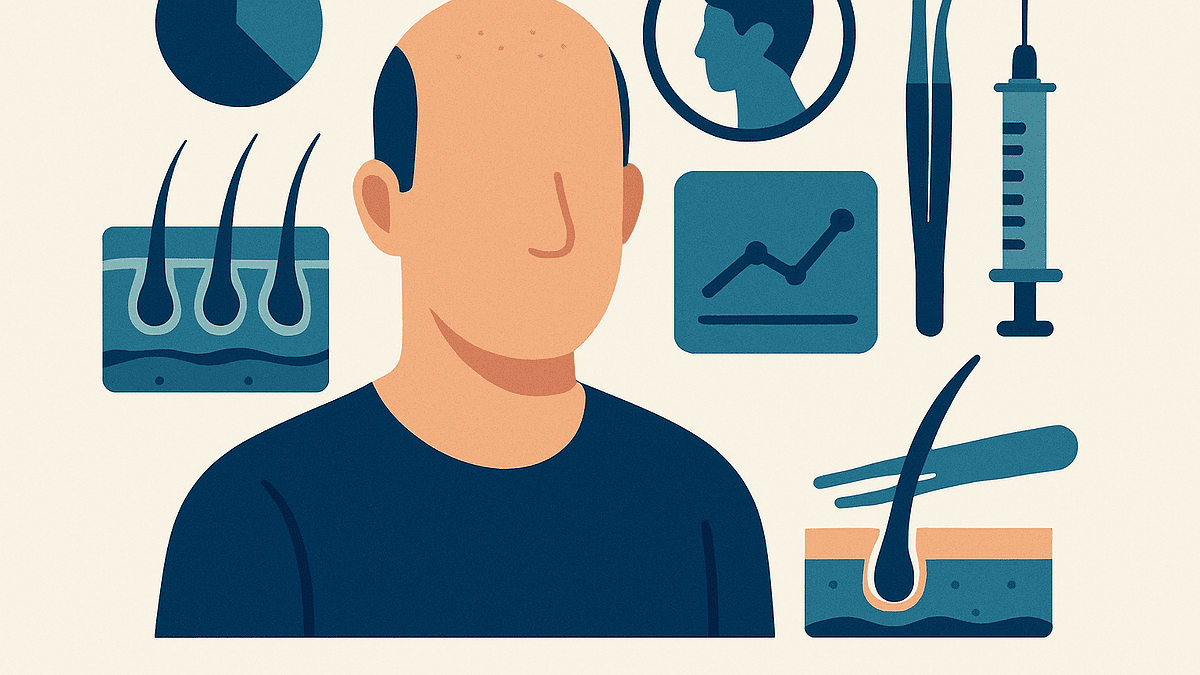
- A hair transplant moves existing follicles; it does not create new hair.
- Best candidates have stable hair loss and enough healthy donor hair.
- FUE, FUT, and DHI differ mainly in how grafts are harvested or placed.
- New growth takes months; final results often need 9 to 12 months.
- Diagnosis matters because not all hair loss is suitable for transplant.
Why is theo von hair transplant suddenly trending? Recent headlines and online discussion appear to have sparked curiosity, but whatever prompted the search interest, the bigger health question is one many people quietly share: what does a hair transplant actually involve, and who is it for? Hair restoration is a medical and aesthetic procedure designed to move healthy hair follicles from one part of the scalp to areas with thinning or baldness. For some people, it can improve hair density and appearance, but it is not a one-size-fits-all solution.
Hair loss can affect confidence, self-image, and daily routines. It may happen gradually over years or more suddenly after stress, illness, medications, or hormonal change. A transplant is just one option among several, and the best approach depends on the cause of hair loss, the pattern of thinning, and the quality of the remaining donor hair.
What a hair transplant is — and what it is not
A hair transplant is a procedure that redistributes hair follicles, usually from the back or sides of the scalp, to areas where hair is sparse. These donor areas are often chosen because the follicles there tend to be more resistant to the hormonal effects that drive common pattern hair loss.
The goal is not to create unlimited new hair. A transplant works by moving existing follicles, so the final result depends on how much donor hair is available and how advanced the hair loss is. This is why careful planning matters. A natural-looking hairline, appropriate density, and long-term strategy are just as important as the procedure itself.
Hair transplantation is most often discussed for androgenetic alopecia, also called male or female pattern hair loss. However, it may also be considered in selected cases of:
- Hairline recession
- Thinning at the crown or top of the scalp
- Scarring from injury or previous surgery
- Eyebrow or beard restoration in some patients
It is not always suitable for active inflammatory scalp disease, untreated medical causes of hair shedding, or people with very limited donor hair.
Why hair loss happens and who may be a candidate
Not every person with thinning hair needs or benefits from a transplant. The first step is understanding why the hair loss is happening. Pattern hair loss is the most common reason people explore surgery, but other causes can mimic it.
Hair loss may be related to:
- Genetic pattern baldness
- Hormonal shifts
- Thyroid disease or nutritional deficiency
- Stress-related shedding
- Certain medications
- Autoimmune or inflammatory scalp conditions
- Traction from tight hairstyles
A good candidate for a hair transplant usually has a stable pattern of hair loss, realistic expectations, and enough healthy donor follicles. Age alone does not decide candidacy. Instead, specialists look at how hair loss is progressing over time. Someone very early in the process may need observation or non-surgical treatment first, while someone with advanced baldness may need a more staged plan.
Hair texture, curl pattern, scalp laxity, and contrast between hair color and skin tone can also influence planning and cosmetic outcome. People with diffuse shedding across the entire scalp may need medical evaluation before surgery is considered, because there may not be a strong donor zone to work with.
How specialists evaluate hair loss before a transplant
Before recommending surgery, a hair restoration specialist typically performs a detailed scalp and hair assessment. This is one of the most important parts of the process because successful treatment starts with an accurate diagnosis.
An evaluation may include:
- A history of when hair loss started and how it has changed
- Family history of pattern baldness
- Review of medications, recent illness, weight loss, or stress
- Examination of the scalp for inflammation, scarring, or miniaturized hairs
- Assessment of donor area density and hair quality
- Photos for planning and follow-up comparison
Some people also need laboratory testing or dermatology input if the hair loss pattern suggests an underlying medical issue. If there is active scalp disease, surgery may be postponed until the condition is treated and stable.
Specialists also discuss goals in practical terms. Patients may ask for dramatic density, but the scalp has biological limits. A thoughtful plan considers both immediate appearance and future hair loss, since native hairs may continue thinning even after transplanted follicles take root.
Main hair transplant techniques: FUE, FUT, and DHI
Several methods may be used in modern hair restoration, and each has advantages, limitations, and ideal use cases. The most familiar approaches are FUE and FUT, while DHI is often described as a variation in implantation technique.
FUE: Follicular Unit Extraction
In FUE, individual follicular units are removed one by one from the donor area using a small punch tool. They are then prepared and implanted into tiny recipient sites in the thinning area.
FUE is popular because it avoids a long linear scar and can offer a shorter recovery in many cases. It may be especially appealing to people who prefer shorter hairstyles. However, it still requires shaving or trimming in many situations, and the procedure can take many hours depending on the number of grafts.
Potential strengths of FUE include:
- Small dot-like extraction marks rather than one long scar
- Flexible graft harvesting
- Common use for hairline, crown, and smaller sessions
FUT: Follicular Unit Transplantation
In FUT, also called strip harvesting, a strip of scalp is removed from the donor area, and follicular units are dissected under magnification before implantation. The donor site is then closed with sutures or staples.
FUT may allow efficient harvesting of a high number of grafts in selected patients and can preserve surrounding donor hair in some cases. The trade-off is a linear scar at the donor site, which may be more noticeable with very short haircuts.
DHI: Direct Hair Implantation
DHI generally refers to a technique in which grafts, often harvested by FUE, are implanted with a specialized implanter pen. This can help with precise control over angle, direction, and placement. Whether one technique is best depends less on branding and more on the skill of the team, the patient’s hair characteristics, and the treatment goals.
No matter the method, artistry matters. Natural hairlines are typically irregular rather than ruler-straight, and the direction of growth must match nearby hair to avoid an artificial look.
What the procedure and recovery are usually like
Hair transplant procedures are commonly performed in an outpatient setting. The scalp is typically numbed with local anesthesia, and the session may last several hours. Some people need one session; others may need staged treatment depending on the size of the area and the desired density.
After the procedure, short-term effects can include swelling, tenderness, mild crusting, and temporary redness. Tiny scabs usually form where grafts were placed. The transplanted hairs often shed in the weeks after surgery, which can be surprising but is generally part of the normal cycle. The follicles remain in place under the skin and later begin producing new hair.
Typical recovery milestones may include:
- Early healing over the first several days
- Shedding of transplanted hairs in the following weeks
- Gradual new growth over several months
- Continued thickening and maturation over 9 to 12 months, sometimes longer
The timeline varies by person, hair characteristics, and the area treated. Crown transplants often appear slower to mature than frontal hairline work. Patience is important because final results are not immediate.
Like any procedure, a hair transplant carries risks. These can include infection, bleeding, swelling, poor graft survival, visible scarring, temporary numbness, and an unnatural appearance if planning or execution is poor. Some people may also experience shock loss, a temporary shedding of nearby native hairs after surgery.
Non-surgical options, long-term outlook, and when to seek specialist care
A transplant is only one part of hair restoration. For many people, non-surgical treatment plays an important role either before surgery, instead of surgery, or after surgery to help protect existing hair. Because transplanted follicles do not stop ongoing thinning in untreated native hair, long-term maintenance is often part of the conversation.
Non-surgical options may include:
- Medical therapies for pattern hair loss
- Treatment of underlying causes such as nutritional or hormonal issues
- Scalp care for inflammatory conditions
- Camouflage approaches such as fibers, styling changes, or hair systems
The outlook depends on the diagnosis and the treatment plan. In properly selected patients, hair transplantation can produce lasting and natural-looking improvement. Still, the result is shaped by donor supply, progression of future hair loss, and the quality of surgical design. A strong outcome is usually the product of realistic goals rather than the promise of perfect density.
It may be worth seeking specialist evaluation if hair loss is rapidly worsening, patchy, accompanied by itching or scalp pain, or affecting eyebrows and body hair as well as the scalp. These patterns can suggest causes beyond routine pattern baldness. A person may also benefit from a consultation if they are considering surgery and want a clear explanation of donor capacity, expected density, technique options, and recovery.
Searches may rise when a public figure becomes part of the conversation, but the most useful takeaway is broader: hair transplant procedures are medical treatments with real benefits, real limits, and real planning behind them. Understanding the cause of hair loss first is what helps determine whether surgery, non-surgical treatment, or a combination approach makes the most sense.
Explore FUE Hair Transplant at Acibadem →
Who is Theo Von?
Theo Von is an American stand-up comedian, podcaster, and television personality. He is known for his conversational comedy style and for hosting the podcast This Past Weekend.
Frequently asked questions
What is a hair transplant?
A hair transplant is a procedure that relocates hair follicles, usually from the back or sides of the scalp, to areas with thinning or baldness.
Who is a good candidate for a hair transplant?
People with stable pattern hair loss, realistic expectations, and adequate donor hair are often the best candidates. An evaluation is important because not all hair loss types are suitable for surgery.
What is the difference between FUE and FUT?
FUE removes follicular units individually, while FUT removes a strip of scalp and separates it into grafts. FUE avoids a long linear scar, while FUT may be useful for harvesting many grafts in selected patients.
How long does hair transplant recovery take?
Initial healing usually happens within days to weeks, but visible new growth takes months. Final cosmetic results commonly continue developing over 9 to 12 months or longer.
Do transplanted hairs fall out after surgery?
Yes, the transplanted hairs often shed in the early weeks. This is commonly part of the normal process, and new growth later emerges from the transplanted follicles.
Can a hair transplant stop future hair loss?
No. A transplant redistributes existing follicles but does not prevent ongoing thinning in untreated native hair, which is why long-term planning is important.
This article is general health information inspired by publicly reported news. It is not a statement about any individual’s private medical care, nor medical advice. Always consult a qualified clinician.