

Celebrity Health Health News
Serena Williams and Weight Loss: Why Searches Are Surging — and What It Really Involves
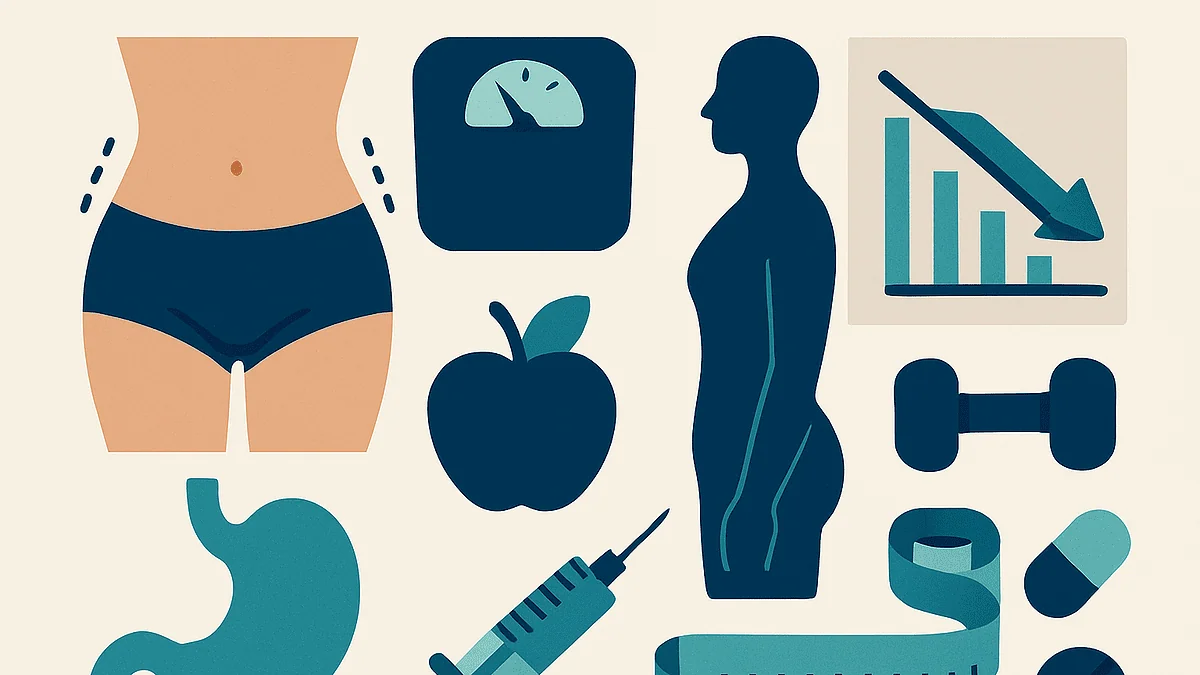
- Weight loss treatment may include lifestyle changes, medication, or surgery.
- Prescription weight-loss drugs work through different appetite and metabolism pathways.
- Doctors assess health risks, not just appearance, before recommending treatment.
- Long-term follow-up helps track benefits, side effects, and weight regain risk.
- Bariatric surgery can be effective for severe obesity and related diseases.
Serena Williams weight loss drug is a search phrase many people have been typing after recent headlines and online discussion circulated about celebrity weight changes. Rather than assume anything about one person’s private health choices, it is more useful to step back and look at the bigger medical question: what weight-loss treatment really involves, when medications may be considered, and how they fit into a broader plan for long-term health.
Weight loss is often discussed as if it were only about willpower, but medicine takes a more complete view. Body weight is influenced by genetics, hormones, sleep, stress, mental health, medications, metabolism, physical activity, eating patterns, pregnancy history, and underlying medical conditions. For some people, structured lifestyle changes are enough. For others, clinicians may consider prescription medication or, in certain cases, bariatric and metabolic surgery. The key point is that treatment is individualized and should be based on health needs, not celebrity chatter.
What doctors mean by medical weight loss
Medical weight loss refers to a supervised, evidence-based approach to treating excess weight and obesity. It is not a single product or a quick fix. Instead, it usually combines several pieces: a health assessment, nutrition changes, physical activity, behavior support, and sometimes prescription medicines or surgery.
Clinicians typically look at more than the number on a scale. They consider body mass index, waist size, blood pressure, cholesterol, blood sugar, liver health, sleep quality, joint pain, fertility concerns, and whether weight is affecting day-to-day life. Some people seek care because of a diagnosis such as type 2 diabetes, sleep apnea, fatty liver disease, or polycystic ovary syndrome. Others are motivated by mobility, energy, or reducing long-term risk.
Obesity is recognized as a chronic disease by many medical organizations. That matters because chronic diseases usually need ongoing management, not blame. Like high blood pressure or asthma, weight-related health concerns may improve with treatment, but they often require follow-up and adjustment over time.
How weight-loss drugs work
When people search for a “weight loss drug,” they are often referring to prescription medications designed to help reduce appetite, increase fullness, or affect how the body handles food and blood sugar. These medicines do not all work the same way. Some act on hormones and brain pathways related to hunger and satiety, while others affect digestion or energy balance.
One widely discussed group includes medicines that mimic natural gut hormones involved in appetite regulation. These may help some people feel full sooner, stay full longer, and eat less overall. Other older medications can work through different mechanisms, such as reducing appetite signals or decreasing the absorption of fat from food.
What weight-loss medications are not:
- They are not cosmetic shortcuts.
- They are not right for everyone.
- They do not replace healthy eating, movement, and sleep.
- They should not be started casually because of social media trends.
These treatments are generally considered when excess weight is affecting health and when lifestyle changes alone have not brought enough improvement. A clinician weighs potential benefits against side effects, existing medical conditions, pregnancy plans, and other medicines a person may be taking.
Who may be evaluated for medication or other treatment
Not everyone who wants to lose weight needs a prescription. A proper assessment usually begins with a detailed health history. Doctors may ask about past weight patterns, family history, eating habits, exercise, sleep, stress, mood, menstrual or reproductive history, and previous attempts at weight loss.
They may also screen for causes or contributors that can make weight management harder, such as:
- Thyroid disorders
- Sleep apnea
- Insulin resistance or diabetes
- Depression, anxiety, or binge-eating symptoms
- Medications associated with weight gain
- Hormonal changes after pregnancy or during midlife
Lab work may include blood sugar testing, cholesterol levels, liver function, and thyroid studies, depending on the person’s symptoms and medical history. In some cases, clinicians check for complications related to obesity, including cardiovascular risk factors.
Eligibility for medication varies by country, guideline, and the specific drug being considered. In general, doctors are more likely to discuss prescription treatment when a person has obesity or has excess weight plus health conditions linked to it. The decision is not based on appearance. It is based on medical need, safety, and realistic treatment goals.
All major treatment options: lifestyle, medication, and surgery
Modern obesity care usually falls into three broad categories, and many people use more than one over time.
Lifestyle treatment
This is the foundation for everyone, whether or not medication is used. It can include meal planning, support from a dietitian, strength and aerobic activity, better sleep habits, stress management, and behavior strategies such as self-monitoring or goal setting. Lifestyle treatment is essential, but it is not always enough on its own, especially when biology strongly drives hunger and weight regain.
Prescription medication
Medication may be offered when health risks justify it. Some medicines help reduce appetite, some prolong fullness, and some work in other ways. Doctors review expected benefits, common side effects, contraindications, and how progress will be monitored. If a medication is not effective enough or causes troublesome side effects, the plan may change.
Important points people often misunderstand:
- Response varies widely from person to person.
- Weight loss may be gradual rather than dramatic.
- Stopping treatment can lead to weight regain in some people.
- Medication is usually one part of long-term care, not a one-time reset.
Bariatric and metabolic surgery
For some people with severe obesity or obesity-related diseases, surgery may be the most effective option. Procedures such as gastric sleeve or gastric bypass can lead to substantial weight loss and can also improve diabetes, blood pressure, and sleep apnea. Surgery changes the digestive system and may affect appetite hormones, metabolism, and food intake.
Surgery is not a failure of self-discipline. It is a medical treatment for a complex disease. It requires careful screening, preparation, and long-term nutritional follow-up. Even after surgery, healthy habits remain important.
Benefits, side effects, and what follow-up looks like
When weight-loss treatment works well, benefits may go far beyond appearance. Some people see improvements in blood sugar, blood pressure, cholesterol, mobility, breathing during sleep, joint pain, and overall quality of life. Even modest weight loss can produce meaningful health gains for certain patients.
But every treatment has trade-offs. Medication side effects depend on the specific drug and may include digestive symptoms, changes in appetite, or other issues that need monitoring. Surgery carries operative and nutritional risks, which is why careful patient selection and follow-up matter.
Follow-up is a major part of success. Clinicians often monitor:
- Weight trend over time
- Blood pressure and blood sugar
- Side effects or tolerability
- Nutrition and protein intake
- Exercise tolerance and muscle preservation
- Mental and emotional well-being
Many specialists now emphasize preserving muscle mass during weight loss. Rapid weight change can reduce both fat and lean tissue, so resistance exercise, adequate nutrition, and realistic goals can be important parts of a safer plan. The healthiest outcome is not simply “losing as much as possible.” It is improving health markers while maintaining function and sustainability.
Why weight loss can be complicated after pregnancy, with aging, or under pressure
Public conversations about body changes often ignore how normal it is for weight to shift across life stages. Pregnancy, postpartum recovery, menopause, injuries, changing training schedules, stress, travel, and sleep disruption can all affect weight and body composition. Elite athletes and former athletes may also experience changes when their training volume changes over time.
That is one reason celebrity-driven speculation can be misleading. A visible body change does not reveal the cause. It could reflect lifestyle changes, medical treatment, training, illness, stress, normal aging, or nothing unusual at all. From a health-education standpoint, the better question is not what one public figure did, but what evidence-based options exist for anyone seeking care.
There is also a psychological side to weight discussions. Shame and stigma can discourage people from seeking medical help. People may delay care for diabetes, sleep apnea, fatty liver disease, or depression because they fear being judged only on body size. Respectful obesity care focuses on health outcomes, not stereotypes.
Outlook and when it may be time to seek specialist care
The outlook for medical weight management has improved in recent years because treatment options have expanded and doctors better understand obesity biology. Still, there is no universal solution. Some people do very well with structured nutrition and activity programs. Others benefit from medication. Some need surgical treatment because it offers the strongest chance of improving serious obesity-related disease.
It may be worth discussing weight concerns with a clinician when weight is linked to medical problems, when repeated self-directed efforts have not worked, or when symptoms suggest an underlying condition. Examples include loud snoring and daytime sleepiness, rising blood sugar, high blood pressure, increasing joint pain, menstrual changes, or significant distress around eating patterns.
A specialist evaluation can help answer practical questions such as:
- Is there an underlying medical reason for the weight change?
- Would lifestyle treatment alone be appropriate?
- Might prescription medication be considered?
- Would bariatric or metabolic surgery ever be an option?
- What goals are realistic and safe for this person?
As online searches continue to spike, it is worth remembering that weight loss is a medical topic, not just a celebrity storyline. Good care is individualized, evidence-based, and focused on overall health rather than rumors or rapid transformations.
Explore Bariatric & Metabolic Surgery at Acibadem →
Who is Serena Williams?
Serena Williams is an American former professional tennis player widely regarded as one of the greatest athletes in the sport's history. She won 23 Grand Slam singles titles and also built a prominent career in business and fashion.
Frequently asked questions
What is a weight-loss drug?
A weight-loss drug is a prescription medicine used to help manage obesity or excess weight when it is affecting health. Different drugs work in different ways, such as reducing appetite, increasing fullness, or changing how the body processes food.
Are weight-loss medications meant for everyone who wants to lose weight?
No. These medicines are generally considered for people whose weight is contributing to medical risk or obesity-related conditions. A clinician evaluates safety, health history, and likely benefit before recommending them.
Do weight-loss drugs replace diet and exercise?
No. They are usually used alongside nutrition changes, physical activity, sleep improvement, and behavior support. Medication is typically one part of a broader long-term treatment plan.
Can people regain weight after stopping medication?
Yes. Because obesity is often a chronic condition influenced by biology, some people regain weight after treatment ends. That is one reason follow-up and long-term planning are important.
When is bariatric surgery considered instead of medication?
Bariatric or metabolic surgery may be considered for people with severe obesity or serious obesity-related diseases, especially when other treatments have not been enough. Suitability depends on a full specialist assessment.
What should be checked before starting a medical weight-loss plan?
A clinician may review weight history, medications, sleep, mental health, blood pressure, blood sugar, cholesterol, and possible underlying conditions such as thyroid disease or sleep apnea.
More on Serena Williams
This article is general health information inspired by publicly reported news. It is not a statement about any individual’s private medical care, nor medical advice. Always consult a qualified clinician.