

Celebrity Health Health News
Oprah Winfrey and Weight Loss: Why Searches Are Surging
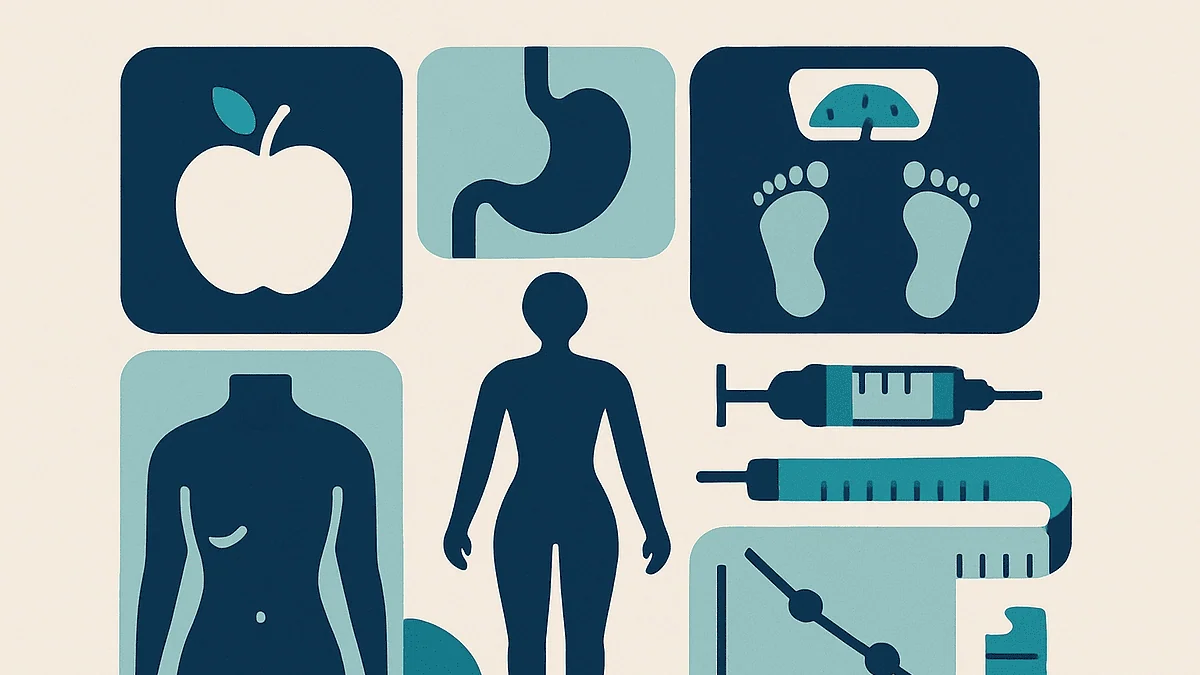
- Weight loss is influenced by biology, habits, sleep, stress, and medical factors.
- Even modest sustained weight loss can improve blood sugar and blood pressure.
- Treatment may include nutrition, activity, behavior therapy, medication, or surgery.
- Bariatric surgery is a medical treatment for selected patients with obesity.
- Long-term maintenance is often harder than initial weight loss.
Oprah Winfrey weight loss is a topic many people are searching right now after recent headlines renewed public interest in how people lose weight, maintain it, and talk about it publicly. Rather than focus on any one person’s private health, it helps to step back and look at what weight loss really involves: body biology, daily habits, medical history, and, for some people, evidence-based treatment such as counseling, medication, or bariatric procedures.
Weight loss can sound simple on paper, but in real life it is often anything but. Appetite, hormones, sleep, stress, medications, age, mobility, and underlying health conditions all influence body weight. That is one reason experts increasingly view obesity and excess weight not as a personal failure, but as complex medical issues that can affect overall health and quality of life.
For some people, the goal is improved blood sugar, blood pressure, joint comfort, fertility, or sleep—not a specific clothing size. For others, the challenge is keeping weight off after repeated cycles of loss and regain. Understanding the full picture can make the conversation more realistic and more compassionate.
What weight loss really means
Weight loss refers to a reduction in body weight, usually through changes in body fat, body water, or lean tissue. In health care, the conversation is often less about appearance and more about risk reduction. Even modest, sustained weight loss can improve important markers such as blood sugar, cholesterol, blood pressure, fatty liver disease, and symptoms of sleep apnea.
Not all weight loss is intentional. When weight drops without trying, especially over a short period, it can be a sign that something else needs medical attention. Intentional weight loss, by contrast, usually involves a structured plan that may include nutrition changes, physical activity, behavioral strategies, medication, or surgery.
Body weight is regulated by a network of signals between the brain, digestive tract, fat tissue, and hormones. That is why many people experience strong hunger, slower metabolism, or weight regain after dieting. The body often tries to defend its previous weight, which can make long-term maintenance harder than many people expect.
Why losing weight can be difficult
Weight gain and weight loss are influenced by far more than willpower. Genetics can affect appetite, where fat is stored, and how the body responds to calorie restriction. Sleep deprivation may increase hunger signals. Chronic stress can push eating patterns toward high-calorie foods. Some medications are also associated with weight gain.
Common contributors include:
- Diet quality and portion size: Highly processed foods can be easy to overeat.
- Low physical activity: Sedentary routines reduce energy expenditure and fitness.
- Poor sleep: Short or disrupted sleep can affect appetite hormones.
- Stress and emotional eating: Food may become a coping tool.
- Medical conditions: Thyroid disorders, PCOS, sleep apnea, and other conditions can play a role.
- Medications: Some antidepressants, steroids, diabetes medicines, and other drugs may affect weight.
Importantly, health professionals do not judge weight by a single number alone. They may consider body mass index, waist size, body composition, medical history, lab results, and whether weight is contributing to symptoms or disease risk.
Someone does not need to pursue dramatic weight change to benefit. In many cases, a modest reduction maintained over time can be meaningful. The emphasis is increasingly on health outcomes and sustainability, not crash dieting.
How weight concerns are evaluated
A proper evaluation starts with context. A clinician will usually ask about weight history, eating habits, sleep, physical activity, medications, stress, past attempts at weight loss, and whether there are symptoms suggesting an underlying condition. They may also look for complications related to excess weight, such as prediabetes, type 2 diabetes, high blood pressure, fatty liver disease, reflux, joint pain, or obstructive sleep apnea.
Assessment may include:
- Medical history: Including family history and prior weight changes.
- Physical exam: Blood pressure, waist size, and signs of related conditions.
- Laboratory tests: Blood sugar, cholesterol, liver function, thyroid testing, and others when appropriate.
- Medication review: To see whether current treatment may be affecting weight.
- Sleep and mental health screening: Sleep apnea, depression, anxiety, and binge eating may shape care.
This step matters because not every person needs the same plan. One person may mainly benefit from nutrition support and strength training. Another may have untreated sleep apnea driving fatigue and appetite. Another may qualify for anti-obesity medication or bariatric surgery because of the amount of weight involved or the presence of weight-related illnesses.
Unexplained weight loss deserves a different work-up. If a person is losing weight without changing diet or activity, clinicians may need to rule out infections, digestive disease, endocrine problems, cancer, depression, or other medical causes.
Treatment options: from lifestyle changes to medical therapy
Weight loss treatment works best when it matches the individual. There is no single path that fits everyone, and many people use more than one approach over time.
Nutrition changes
The most effective eating plan is usually one that a person can maintain. That often means improving food quality, increasing protein and fiber, reducing liquid calories, planning meals, and creating routines that limit mindless eating. Some people do well with calorie awareness, while others do better with pattern-based approaches, such as emphasizing whole foods and reducing ultra-processed snacks.
Helpful strategies may include:
- Building meals around vegetables, fruit, beans, whole grains, and lean protein
- Choosing satisfying foods that reduce rebound hunger
- Watching portion sizes without extreme restriction
- Planning for restaurants, travel, and social events
Physical activity
Exercise supports weight loss, but it is especially important for weight maintenance, heart health, mood, insulin sensitivity, and preserving muscle. A balanced plan often includes walking or other aerobic activity plus resistance training to protect lean mass during weight loss.
For people with joint pain, deconditioning, or a larger body size, lower-impact options such as cycling, swimming, or chair-based exercise may be more realistic starting points.
Behavioral support
Behavior change is often the missing piece. Structured programs can help people identify triggers, manage stress eating, improve sleep, self-monitor patterns, and build routines. Support from dietitians, obesity medicine specialists, therapists, or group programs can improve long-term success.
Weight loss medications
For some adults, prescription medicines may be considered when lifestyle steps alone have not been enough, especially if weight is affecting health. These medications work in different ways, such as helping control appetite, increasing fullness, or influencing how the body handles energy intake.
Medication is not a shortcut or a substitute for comprehensive care. It is one tool among several, and it requires medical supervision, ongoing monitoring, and attention to side effects, expectations, and long-term planning.
When bariatric and metabolic surgery may be considered
For some people with obesity, bariatric and metabolic surgery is the most effective evidence-based treatment for substantial and durable weight loss. It may also improve or even put into remission certain weight-related conditions, especially type 2 diabetes.
Common procedures include:
- Sleeve gastrectomy: Removes a portion of the stomach, reducing capacity and affecting hunger hormones.
- Gastric bypass: Creates a small stomach pouch and reroutes part of the small intestine, changing digestion and hormone signaling.
These are major procedures, not cosmetic treatments. They are usually considered for people who meet specific medical criteria, often based on body mass index and obesity-related health conditions. Candidates generally undergo a detailed evaluation that may include nutrition counseling, psychological screening, and testing to assess surgical risk.
Bariatric surgery is most successful when paired with long-term follow-up. Patients typically need ongoing guidance on eating patterns, vitamin supplementation, physical activity, and monitoring for complications or nutritional deficiencies. Recovery varies by procedure and by person, but most people need a gradual return to regular eating and activity.
Surgery does not make healthy habits unnecessary. Instead, it changes the body in ways that can make weight loss and metabolic improvement more achievable for the right patient.
What recovery, maintenance, and outlook look like
One of the biggest misconceptions about weight loss is that the hard part ends when the number on the scale drops. In reality, maintenance is often the longer challenge. The body may respond to weight loss with stronger hunger signals and lower energy expenditure, which is why regain can happen even after significant effort.
Long-term success often depends on treating weight management as an ongoing process rather than a short project. That may mean regular follow-up, revisiting goals, adjusting treatment, and responding early if weight starts to return.
Important parts of maintenance include:
- Consistent routines: Similar meal timing, grocery habits, and activity patterns
- Strength training: Helps preserve muscle and support metabolism
- Sleep and stress care: Both strongly affect appetite and decision-making
- Monitoring: Tracking trends can help catch regain early
- Medical follow-up: Especially important for anyone using medication or after surgery
The outlook is often better when goals are realistic. Weight loss does not need to be dramatic to matter medically. Better blood sugar, lower blood pressure, less reflux, improved mobility, and better sleep are meaningful outcomes even if the scale changes more slowly than hoped.
It is also worth remembering that weight stigma can harm health. Shame rarely improves long-term outcomes. Respectful, individualized care does.
When to seek specialist care
A specialist evaluation may help if weight is contributing to health problems, if repeated attempts at weight loss have not worked, or if there are signs of an underlying medical issue. People may benefit from speaking with a clinician if they have obesity-related conditions such as diabetes, high blood pressure, severe snoring or sleep apnea, joint pain, infertility related to metabolic issues, or fatty liver disease.
Medical review is also important for:
- Rapid or unexplained weight loss
- Binge eating or significant distress around food
- Suspected medication-related weight gain
- Interest in prescription weight loss treatment
- Questions about whether bariatric surgery is appropriate
Weight loss is rarely just about eating less and moving more. It may involve biology, behavior, environment, and medical treatment. As public interest rises around stories in the news, the most helpful takeaway is this: effective weight management is real, individualized, and rooted in health—not myths, judgment, or one-size-fits-all advice.
Explore Bariatric & Metabolic Surgery at Acibadem →
Who is Oprah Winfrey?
Oprah Winfrey is an American television host, producer, actor, and media executive. She is best known for The Oprah Winfrey Show and for her long-standing influence in television, publishing, and philanthropy.
Frequently asked questions
What is considered healthy weight loss?
Healthy weight loss usually means a gradual, sustainable reduction achieved through realistic nutrition, activity, sleep, and behavior changes, sometimes with medical treatment when appropriate.
Why do people regain weight after losing it?
Weight regain can happen because the body adapts to weight loss by increasing hunger and lowering energy expenditure. Stress, sleep problems, and loss of routine can also contribute.
When are weight loss medications used?
Prescription medications may be considered for some adults when excess weight affects health and lifestyle measures alone have not been enough. A clinician decides whether they are appropriate.
Who may qualify for bariatric surgery?
Bariatric surgery may be considered for people with obesity who meet medical criteria, especially when weight is linked to conditions such as type 2 diabetes or sleep apnea.
Is bariatric surgery the same as cosmetic surgery?
No. Bariatric surgery is a metabolic and digestive procedure used to treat obesity and related diseases, not a cosmetic operation.
Can unexplained weight loss be a warning sign?
Yes. Unintentional weight loss can sometimes signal an underlying medical problem and should be evaluated, especially if it is rapid or accompanied by other symptoms.
This article is general health information inspired by publicly reported news. It is not a statement about any individual’s private medical care, nor medical advice. Always consult a qualified clinician.