

Celebrity Health Health News
Celebrities With Bariatric Surgery: 10 Public Stories
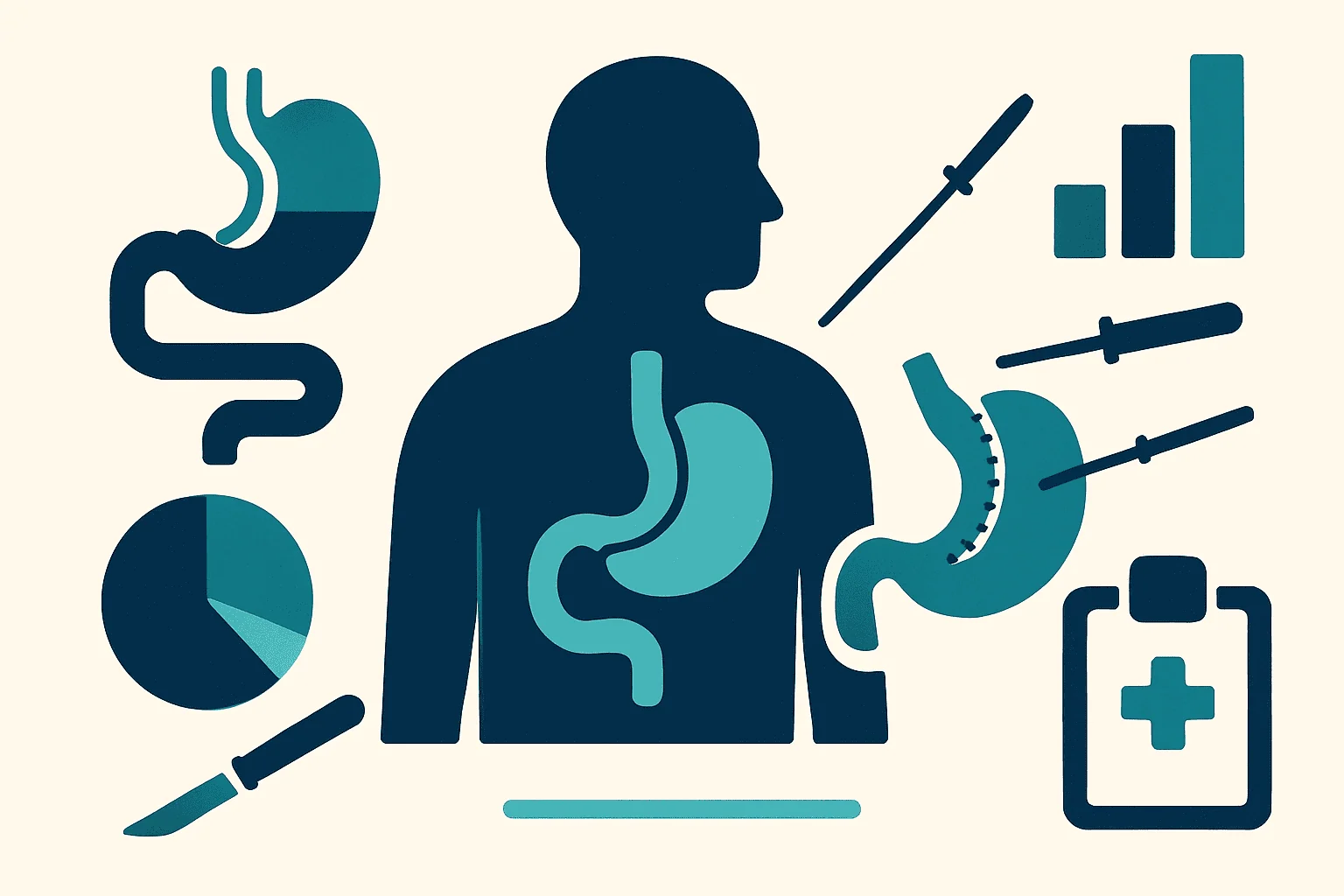
- Bariatric surgery is a medical treatment for obesity and obesity-related disease, not a cosmetic procedure.
- Common types include sleeve gastrectomy, gastric bypass, and adjustable gastric banding, though procedure use varies over time.
- Eligibility and procedure choice depend on overall health, metabolic disease, prior treatment history, and multidisciplinary assessment.
- Long-term follow-up is essential after surgery to monitor nutrition, recovery, complications, and weight-related health outcomes.
- Surgery is one part of chronic obesity care and usually works best alongside ongoing nutrition, behavioral, and medical support.
Celebrities with bariatric surgery have helped bring a deeply personal medical topic into public conversation. When well-known people speak openly about obesity treatment, recovery, and long-term lifestyle change, it can reduce stigma and remind audiences that bariatric surgery is a health decision, not simply a headline.
This subject resonates because body weight is often discussed in public without enough context about metabolism, chronic disease, or the emotional burden many people carry. Public disclosures can never stand in for medical guidance, but they can widen understanding of why bariatric procedures are considered, what recovery may involve, and how long-term follow-up matters.
Below is a respectful roundup of public figures who have personally and publicly shared that they underwent bariatric surgery or a specific bariatric procedure. The focus here is not appearance, but openness: each story added visibility to a treatment area that is often misunderstood.
1. Rosie O’Donnell
Rosie O’Donnell has spoken publicly about having vertical sleeve gastrectomy in 2013 after her heart attack the previous year prompted broader health changes. She shared that the procedure was part of addressing serious medical concerns rather than chasing a cosmetic goal. In discussing it openly, she helped frame bariatric surgery as one component of risk reduction and chronic disease management. Her comments also highlighted the emotional and practical work that continues after the operation itself.
2. Randy Jackson
Randy Jackson has spoken about undergoing gastric bypass surgery in the early 2000s after living with type 2 diabetes and significant weight-related health concerns. Over the years, he has described the operation as a major turning point, while also emphasizing that surgery did not replace the need for lasting nutrition and lifestyle changes. His public discussion mattered because it connected bariatric treatment to metabolic health, not just body size. He has consistently presented the procedure as a tool that required ongoing commitment.
3. Al Roker
Al Roker has openly discussed having gastric bypass surgery in 2002 and later reflected at length on the physical and psychological aspects of that decision. In interviews and writing, he has described both the benefits he experienced and the reality that long-term weight management remains complex even after surgery. That candor made his disclosure especially meaningful, because it pushed back against simplistic narratives of a one-time fix. His story has often been cited in conversations about relapse, maintenance, and the chronic nature of obesity.
4. Star Jones
Star Jones publicly revealed that she had gastric bypass surgery after initially keeping the operation private. When she later addressed it directly, she explained that the choice was tied to health and quality-of-life concerns. Her eventual disclosure became a notable example of how much pressure public figures can feel around discussing weight and medical treatment. By naming the procedure herself, she contributed to a more honest conversation about why some patients choose surgery and why privacy can matter too.
5. Mama June Shannon
Mama June Shannon has spoken publicly about undergoing gastric sleeve surgery as part of a broader health and weight-loss journey that was also documented in the public eye. She has discussed the procedure as a major intervention that came with significant changes afterward. Her openness brought widespread attention to sleeve gastrectomy in particular, one of the most commonly performed bariatric operations. It also illustrated how highly visible discussions of weight-loss surgery can intersect with questions about motivation, follow-up, and public scrutiny.
6. Gabourey Sidibe
Gabourey Sidibe has shared publicly that she underwent laparoscopic bariatric surgery after being diagnosed with type 2 diabetes. In discussing the decision, she made clear that it was about protecting her health and supporting her future, not meeting outside expectations about appearance. Her comments resonated because they challenged assumptions that surgery reflects vanity or weakness. She also helped broaden public understanding that obesity treatment can involve medical, emotional, and metabolic considerations at the same time.
7. Fern Britton
Fern Britton has spoken openly about having gastric band surgery in the mid-2000s and later reflecting publicly on that period of her life. She has described the procedure in candid terms, including the pressures she felt and the consequences of making such a personal decision under public scrutiny. Her account mattered because it showed that experiences with bariatric procedures are not identical and may evolve over time. By discussing it frankly, she added nuance to a conversation often dominated by simplistic success-or-failure narratives.
8. Sharon Osbourne
Sharon Osbourne has publicly discussed having gastric band surgery and later talking about regret and the emotional complexity surrounding that experience. Her willingness to revisit the subject years later gave audiences a fuller picture of how bariatric treatment can intersect with identity, expectations, and mental well-being. Rather than portraying surgery as universally right or wrong, she described her own response to it. That kind of nuance is valuable in reducing stigma while acknowledging that patient experiences differ.
9. Graham Elliot
Chef Graham Elliot has spoken publicly about having sleeve gastrectomy after struggling with obesity and related health concerns. He has described the operation as part of a larger effort to improve his health and energy, especially in a profession where food is central to daily life. His openness was notable because it highlighted that bariatric surgery is considered across many lifestyles and professions, including ones that can make long-term behavior change particularly challenging. He has also helped normalize discussion of the recovery and adjustment period after surgery.
10. Rosie Mercado
Rosie Mercado has publicly shared that she underwent gastric sleeve surgery after facing serious health concerns connected to her weight. In interviews, she has described wanting a safer, healthier future and has spoken about the surgery as one step within a broader personal transformation. Her disclosure mattered because it centered health, mobility, and self-advocacy rather than public judgment about appearance. She has also discussed the importance of support and sustained follow-up after the procedure.
What bariatric surgery is
Bariatric surgery, also called metabolic and bariatric surgery, refers to a group of operations used to treat obesity and, in many cases, obesity-related diseases such as type 2 diabetes, high blood pressure, obstructive sleep apnea, fatty liver disease, and certain cardiovascular risks. These procedures work in different ways. Some primarily reduce the size of the stomach, which limits how much food can be eaten at one time. Others also change how nutrients move through the digestive tract, which can affect hormones, appetite signals, blood sugar regulation, and absorption.
Common procedures include sleeve gastrectomy, in which a large portion of the stomach is removed; gastric bypass, which creates a small stomach pouch and reroutes part of the small intestine; and, less commonly today, adjustable gastric banding. Choice of procedure depends on many factors, including a person’s body mass index, medical history, metabolic conditions, previous abdominal surgery, eating patterns, and long-term goals. Bariatric surgery is not considered a cosmetic procedure. It is a medical treatment used when obesity is affecting health and when structured non-surgical approaches alone have not been enough.
Obesity is now widely understood as a complex chronic disease influenced by genetics, hormones, environment, mental health, medications, sleep, mobility, and social factors. That is why treatment often goes beyond willpower alone. Surgery can produce substantial weight loss and may improve or even remit some metabolic conditions, especially type 2 diabetes, in selected patients. Even so, it is best understood as one part of a long-term care pathway rather than a stand-alone event.
Diagnosis and treatment landscape
Evaluation for bariatric surgery typically involves more than a single consultation. Patients are often assessed by a multidisciplinary team that may include a bariatric surgeon, physician, dietitian, psychologist or psychiatrist, anesthesiologist, and other specialists depending on individual health needs. The work-up may include blood tests, imaging or endoscopy in selected cases, screening for sleep apnea, cardiac risk assessment, and review of medications, nutritional status, and mental health history. The goal is not only to confirm eligibility, but also to choose the safest and most appropriate treatment plan.
Treatment options for obesity exist on a spectrum. These can include medically supervised nutrition therapy, physical activity plans adapted to the person, behavioral support, anti-obesity medications, endoscopic procedures in some settings, and surgery. Bariatric surgery is generally considered for people who meet clinical criteria based on body mass index and/or obesity-related complications, though exact recommendations may vary by guideline and population. Increasingly, decisions are shaped by metabolic health and disease burden, not by weight alone.
After surgery, follow-up is essential. Patients usually need staged diet progression, hydration guidance, monitoring for nausea or reflux, and long-term vitamin and mineral supplementation depending on the procedure. Nutritional deficiencies can occur without careful monitoring. Ongoing care also helps detect issues such as ulcers, gallstones, bowel symptoms, inadequate weight loss, or weight regain. Psychological support can be important as well, since eating behavior, body image, and social adjustment may all change after surgery.
For many people, the most important point is that bariatric surgery is highly individualized. There is no single “best” procedure for everyone, and public stories should not be treated as a roadmap for personal decisions. Instead, they can help normalize discussion of obesity as a treatable medical condition and encourage informed, evidence-based conversations with qualified clinicians.
Explore Bariatric & Metabolic Surgery at Acibadem →
Frequently asked questions
What is bariatric surgery?
Bariatric surgery is a group of operations used to treat obesity and related metabolic diseases. Different procedures change stomach size and, in some cases, the path food takes through the digestive system.
Is bariatric surgery only about weight loss?
No. Although weight loss is a major outcome, bariatric surgery is also used to improve health conditions linked to obesity, such as type 2 diabetes, high blood pressure, sleep apnea, and other metabolic risks.
What are the most common bariatric procedures?
The most commonly discussed procedures are sleeve gastrectomy and gastric bypass. Adjustable gastric banding is another bariatric procedure, though it is less commonly used than in earlier years.
Does bariatric surgery end obesity treatment?
Usually not. Obesity is considered a chronic disease, so long-term follow-up remains important after surgery. Patients often need nutritional monitoring, lifestyle support, and regular medical review for the best outcomes.
✔ Reviewed by the Acibadem medical team
This article is general health information inspired by publicly reported news. It is not a statement about any individual’s private medical care, nor medical advice. Always consult a qualified clinician.