Breast Hypertrophy
Quick answer
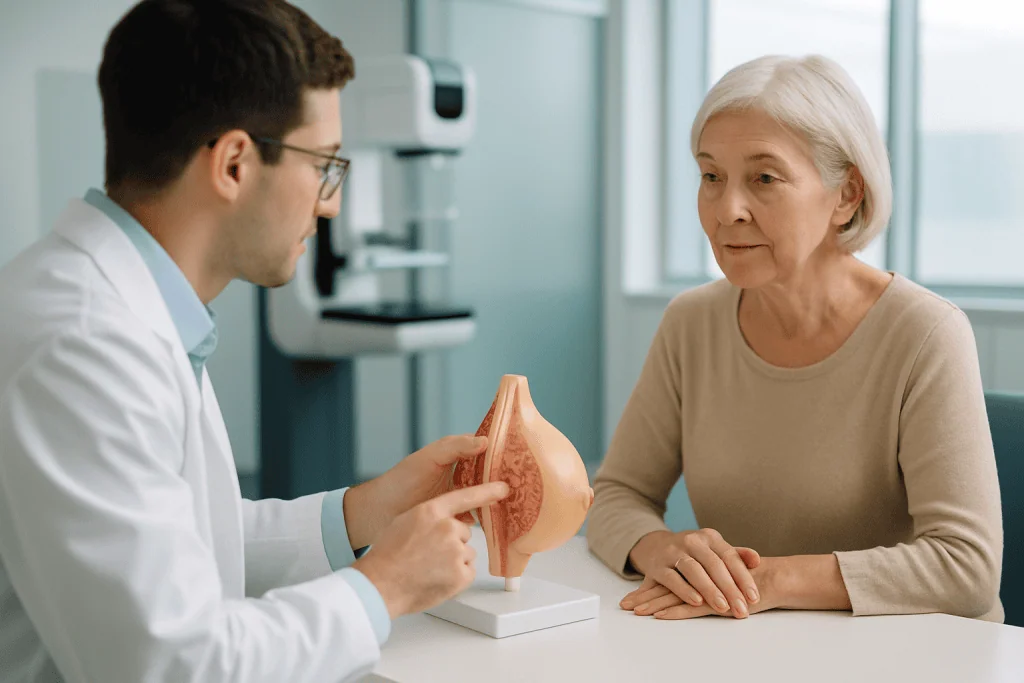
Breast hypertrophy is an abnormal enlargement of breast tissue that can cause back, neck, and shoulder pain, skin irritation, posture problems, and difficulty with daily activities. Treatment depends on the cause and severity, ranging from supportive measures to breast reduction surgery, with evaluation at Acibadem in Turkey focused on symptoms, breast development, hormonal factors, and overall health.
What is breast hypertrophy?
Breast hypertrophy is a medical condition in which one or both breasts grow to a size that is disproportionately large for a person’s body frame. The word “hypertrophy” simply means excessive growth of tissue. In the international classification of diseases, breast hypertrophy is coded as ICD-10 N62. It is sometimes also called macromastia (very large breasts) or, in its most severe form, gigantomastia (extreme, rapid breast enlargement). Understanding what is breast hypertrophy begins with recognizing that it is not just a cosmetic issue: the excess weight of breast tissue can cause real, measurable physical symptoms such as chronic neck, shoulder, and back pain, as well as skin problems and difficulty with everyday activities.
Breast hypertrophy mainly affects women, and it can develop at different stages of life. Some people first notice it during puberty, when hormonal changes drive breast development. Others develop it during or after pregnancy, with significant weight gain, or gradually over many years. In men, a related condition called gynecomastia (enlargement of male breast tissue) is classified separately, although the underlying idea of excess breast tissue growth is similar.
The condition varies widely in severity. In mild cases, the enlargement causes little or no discomfort. In more pronounced cases, the physical burden of heavy breast tissue can interfere with posture, sleep, exercise, and daily comfort, and it may also affect emotional well-being and self-image. Because the impact ranges from minimal to significant, treatment decisions are always individualized and made together with a doctor.
Symptoms of breast hypertrophy
Breast hypertrophy symptoms are largely mechanical, meaning they result from the size and weight of the breast tissue rather than from disease inside the tissue itself. Common symptoms include:
- Chronic neck, shoulder, and upper back pain caused by the forward pull of heavy breasts on the spine and shoulder muscles.
- Deep grooves or indentations in the shoulders where bra straps press into the skin under constant weight.
- Skin irritation, rashes, or infections in the fold beneath the breasts (a problem doctors call intertrigo, an inflammation of skin folds caused by moisture and friction).
- Numbness or tingling in the arms or hands, which can occur when heavy breast tissue and poor posture compress nerves in the shoulder region.
- Poor posture, including rounded shoulders and a forward-leaning upper body.
- Difficulty exercising or performing physical activities comfortably.
- Headaches related to muscle strain in the neck and shoulders.
- Breast pain (mastalgia) and a feeling of heaviness, especially at the end of the day.
- Difficulty finding well-fitting clothing and bras, which may seem minor but often adds to daily discomfort.
- Emotional distress, including self-consciousness, unwanted attention, and in some cases anxiety or low mood related to body image.
Symptoms often differ depending on how and when the hypertrophy developed. In juvenile or virginal hypertrophy, which begins around puberty, breast growth can be rapid, and the skin may become stretched, thin, or tender; young patients frequently report significant emotional distress alongside physical symptoms. In gestational hypertrophy, which occurs during pregnancy, enlargement can happen quickly over weeks to months, sometimes with skin tightness, engorgement, and marked discomfort. In gradual, adult-onset hypertrophy, often linked to weight gain or hormonal changes, symptoms tend to build up slowly over years, with back and shoulder problems becoming more noticeable over time.
In severe cases, particularly gigantomastia, symptoms can escalate to include skin breakdown or ulceration, recurrent infections under the breasts, and substantial limitation of mobility. These situations warrant prompt medical assessment.
Causes and risk factors
The exact cause of breast hypertrophy is not fully understood in every case, but doctors recognize several contributing factors. In many cases, the breast tissue appears to be unusually sensitive to normal levels of female hormones, especially estrogen (the main female sex hormone) and prolactin (the hormone involved in milk production). This means the hormone levels in the blood may be normal, but the breast tissue responds to them more strongly than usual.
Recognized breast hypertrophy causes and risk factors include:
- Hormonal changes and hormone sensitivity. Puberty and pregnancy are the two life stages most often linked to rapid breast enlargement, because both involve major hormonal shifts.
- Genetics. Breast size and body proportions run in families, and a family history of very large breasts increases the likelihood of developing the condition.
- Body weight. Breasts contain fatty tissue as well as glandular tissue, so significant weight gain often increases breast size. Obesity is a common contributing factor in adult-onset cases.
- Certain medications. Some drugs, including certain hormonal treatments, may be associated with breast enlargement in susceptible individuals. Your doctor may review your medication list if enlargement is rapid or unexplained.
- Rare underlying conditions. In uncommon cases, autoimmune conditions or other medical disorders have been reported alongside severe breast hypertrophy, which is one reason doctors evaluate rapid enlargement carefully.
It is important to understand that breast hypertrophy is generally a benign (non-cancerous) condition. The enlargement involves an overgrowth of normal breast components, glandular tissue, fibrous tissue, and fat, rather than a tumor. However, because any breast change deserves evaluation, doctors always confirm that the enlargement is benign before discussing treatment.
Diagnosis of breast hypertrophy
Breast hypertrophy diagnosis is primarily clinical, meaning it is based on a doctor’s examination and the patient’s history rather than on a single laboratory test. A typical evaluation includes several steps.
Medical history and physical examination
The doctor will ask when the enlargement began, how quickly it progressed, whether it is linked to puberty, pregnancy, weight changes, or new medications, and what symptoms it causes in daily life. A physical examination assesses breast size relative to body frame, skin condition (including rashes or grooves from bra straps), posture, and any areas of tenderness. The doctor also examines the breasts for lumps or other findings that would need separate investigation.
Imaging tests
Imaging is used mainly to rule out other causes of breast enlargement, such as cysts or tumors, and to establish a baseline before any treatment. Depending on age and findings, the doctor may recommend:
- Breast ultrasound, a painless scan using sound waves, often preferred in younger patients.
- Mammography, an X-ray of the breast, typically used in patients of appropriate screening age or when the examination raises questions.
- Magnetic resonance imaging (MRI) in selected cases where more detail is needed.
Blood tests
If enlargement is rapid or begins at an unusual time, the doctor may check hormone levels, such as estrogen, prolactin, and thyroid hormones, to look for an underlying endocrine (hormone-related) cause. In many patients with breast hypertrophy, these tests come back normal, which supports the idea of increased tissue sensitivity to hormones rather than abnormal hormone levels.
Assessing severity
There is no single universally applied cutoff that defines breast hypertrophy, but doctors often consider the estimated amount of excess breast tissue, the proportion of breast size to body frame, and, most importantly, the presence and severity of symptoms. Documenting symptoms such as chronic pain, shoulder grooving, and skin problems is also relevant when surgical treatment is being considered.
Treatment options for breast hypertrophy
Breast hypertrophy treatment depends on the severity of symptoms, the stage of life at which the condition developed, and personal preferences. There is no single approach that suits everyone, and in many cases doctors recommend starting with conservative (non-surgical) measures.
Watchful waiting and conservative measures
For mild cases, or when enlargement occurs during puberty or pregnancy, doctors often recommend observation first, because breast size may stabilize once hormones settle. Conservative measures that can ease symptoms include:
- Properly fitted, supportive bras, which redistribute weight and can reduce shoulder and back strain.
- Physical therapy and posture exercises to strengthen the back and shoulder muscles.
- Weight management, since reducing overall body fat may modestly reduce breast size in some people, although it does not reliably resolve significant hypertrophy.
- Skin care for the fold beneath the breasts, including keeping the area clean and dry to prevent rashes and infections.
- Pain management with simple measures or medications recommended by a doctor.
Medication
Medication plays a limited role. In selected cases of rapid, hormone-driven enlargement, particularly some forms of juvenile or gestational hypertrophy, doctors may consider hormone-modulating medications to slow growth. These decisions are individualized, involve weighing benefits against side effects, and are made by specialists. Medication does not reverse established enlargement in most cases.
Surgery (breast reduction)
For moderate to severe breast hypertrophy that causes persistent physical symptoms, the most effective and definitive treatment is usually breast reduction surgery, known medically as reduction mammoplasty. In this operation, a surgeon removes excess breast tissue, fat, and skin, and reshapes the breast to a smaller, lighter form. The nipple and areola (the darker skin around the nipple) are usually repositioned to suit the new breast shape.
Breast reduction is a well-established procedure, and many patients report meaningful relief of back, neck, and shoulder pain afterward. As with any surgery, it carries risks, which may include scarring, changes in nipple sensation, wound-healing problems, asymmetry, and potential effects on future breastfeeding. Some patients experience regrowth of breast tissue over time, particularly if surgery is performed at a young age before growth has stabilized, or if significant weight gain or pregnancy occurs later. A surgeon will discuss these possibilities in detail before any decision is made.
Breast reduction for hypertrophy is typically performed by specialists in plastic and reconstructive surgery. At Acibadem, this condition is managed within the Plastic, Reconstructive & Aesthetic Surgery department, often in coordination with breast specialists when imaging or additional evaluation is needed.
Timing of surgery
Timing matters. In adolescents, surgeons often prefer to wait until breast growth has stabilized, to reduce the chance of regrowth. In pregnancy-related hypertrophy, doctors generally wait until after pregnancy and breastfeeding are complete, unless severe complications make earlier intervention necessary. Your doctor may also recommend reaching a stable body weight before surgery, since large weight changes afterward can alter the result.
Living with breast hypertrophy and outlook
The outlook for breast hypertrophy is generally good, in the sense that the condition itself is benign and does not shorten life. However, without treatment, the mechanical symptoms, pain, posture problems, and skin irritation, often persist or gradually worsen, especially if body weight increases over time. Conservative measures can keep symptoms manageable for many people, while breast reduction surgery frequently provides lasting relief for those with significant symptoms, although no procedure can guarantee a specific outcome.
Day to day, several habits can help. Wearing a well-fitted, supportive bra makes a noticeable difference for many people. Regular low-impact exercise, such as swimming or walking, supports posture and overall health, and strengthening the core and upper back can reduce strain. Careful skin care under the breasts helps prevent rashes and infections. If the condition affects mood, self-esteem, or social life, talking with a mental health professional can be a valuable part of care: this aspect is real and deserves attention, particularly in adolescents.
People with breast hypertrophy should also continue routine breast health care, including age-appropriate screening as recommended by their doctor. Breast hypertrophy itself is not known to be a cancerous condition, but large breasts can make self-examination and clinical examination more challenging, which makes regular check-ups and appropriate imaging all the more important.
Frequently asked questions
What is breast hypertrophy in simple terms?
Breast hypertrophy is an overgrowth of normal breast tissue that makes one or both breasts disproportionately large for a person’s body. It is a benign condition, meaning it is not cancer, but its weight can cause chronic pain, posture problems, and skin irritation. Doctors sometimes use the terms macromastia or, for extreme cases, gigantomastia.
Can breast hypertrophy go away on its own?
In some situations, particularly enlargement linked to pregnancy, breast size may decrease somewhat after hormones return to normal and breastfeeding ends. Enlargement related to weight gain may improve with weight loss in some people. However, established hypertrophy, especially glandular overgrowth from puberty, usually does not resolve on its own, and significant cases often require surgical treatment to relieve symptoms.
How serious is breast hypertrophy?
Breast hypertrophy is not life-threatening, but it can seriously affect quality of life. Chronic neck, shoulder, and back pain, skin infections, nerve symptoms in the arms, difficulty exercising, and emotional distress are all recognized consequences. Severe, rapidly progressing cases, such as gigantomastia, can lead to skin breakdown and need prompt specialist evaluation.
Is breast reduction surgery the only effective breast hypertrophy treatment?
Not the only one, but it is the most definitive option for moderate to severe cases. Conservative measures, supportive bras, physical therapy, weight management, and skin care, help many people manage symptoms, and medication may slow growth in selected hormone-driven cases. When symptoms are persistent and significant, breast reduction surgery is generally the treatment most likely to provide lasting relief, though it carries surgical risks that should be discussed with a specialist.
What is recovery like after breast reduction surgery?
Recovery varies from person to person. In general, patients need a period of rest and limited activity in the first weeks, wear a supportive surgical bra, and gradually return to normal activities as healing progresses, following their surgeon’s guidance. Swelling and changes in sensation can take longer to settle, and scars fade gradually over months. Your surgical team will give you an individualized recovery plan.
Does breast hypertrophy increase the risk of breast cancer?
Breast hypertrophy itself is not considered a cancerous condition, and having large breasts does not automatically mean a higher cancer risk. However, any new lump, skin change, nipple discharge, or rapid change in one breast should be evaluated, and everyone should follow the routine breast screening schedule their doctor recommends.
Can breast hypertrophy come back after surgery?
Regrowth is possible, though not common in adults with stable weight. It is more likely when surgery is done during adolescence before growth has finished, or after later pregnancy or significant weight gain. Surgeons take these factors into account when advising on the timing of surgery, and no operation can guarantee a permanent result in every case.
When to see a doctor
It is reasonable to see a doctor whenever breast size causes ongoing pain, skin problems, or difficulty with daily activities, or whenever you are unsure whether your symptoms are related to breast hypertrophy. Seek medical attention promptly if you notice any of the following warning signs:
- Rapid enlargement of one or both breasts over weeks or months, especially outside puberty or pregnancy.
- A new lump or area of hardness in the breast or armpit.
- Skin changes such as redness, dimpling, ulceration, thickening, or an “orange-peel” appearance of the skin.
- Nipple changes, including new inversion (turning inward), discharge, or bleeding.
- Signs of infection under or on the breast, such as spreading redness, warmth, swelling, pus, or fever.
- Severe or worsening pain that does not improve with simple measures.
- Persistent numbness, tingling, or weakness in the arms or hands, which may indicate nerve compression.
These signs do not necessarily mean something serious is wrong, but they should always be checked by a doctor so that other conditions can be ruled out and appropriate care can begin. Early evaluation makes it easier to manage breast hypertrophy effectively and to choose the treatment path that fits your health, life stage, and goals.
Patient Guides for This Condition
Medically reviewed by the Acıbadem International Medical Board September 3, 2026
See our medical review board →
Update history
- PublishedJune 14, 2026
- Medical review approvedSeptember 3, 2026
- Last content updateSeptember 3, 2026
Treatments for This Condition
Care at Acibadem

Doctors Who Treat This Condition



Aesthetic Plastic & Reconstructive Surgery
Prof. Mehmet Veli Karaaltın, MD

Aesthetic Plastic & Reconstructive Surgery
Assoc. Prof. Ahmet Küçükçelebi, MD

Aesthetic Plastic & Reconstructive Surgery
Assoc. Prof. Erdem Güven, MD

Aesthetic Plastic & Reconstructive Surgery
Assoc. Prof. Mehmet Altıparmak, MD

Aesthetic Plastic & Reconstructive Surgery