Hordeolum
Hordeolum is a painful eyelid bump, often called a stye. Learn symptoms, causes, diagnosis, treatment options and when to seek care.
Quick answer
A hordeolum, or stye, is a localized infection or inflammation of an eyelid gland that causes a tender, red lump near the eyelashes. Treatment depends on whether it is external or internal and may include eyelid hygiene, warm compresses, medications, and drainage when needed; at Acibadem in Turkey, ophthalmologists evaluate the eyelid and plan care according to the cause, severity…
What is hordeolum?
A hordeolum, commonly known as a stye, is a small, painful lump that develops on or inside the eyelid. It occurs when one of the tiny oil glands or hair follicles along the edge of the eyelid becomes blocked and infected, most often by bacteria that normally live on the skin. The result is a localized area of swelling, redness, and tenderness that can look and feel like a small pimple or boil on the eyelid.
To answer the common question “what is hordeolum” in the simplest terms: it is a bacterial infection of an eyelid gland. Doctors distinguish between two types based on location. An external hordeolum forms at the base of an eyelash, in a hair follicle or in the small glands near the lash line, and appears as a visible bump on the outer edge of the eyelid. An internal hordeolum develops deeper inside the eyelid, in one of the meibomian glands (oil-producing glands embedded in the eyelid that help keep the tear film stable). Internal hordeola tend to be more painful because the swelling is contained within the firmer tissue of the eyelid.
Hordeola are very common and can affect people of any age, from children to older adults. They occur in otherwise healthy people, although certain conditions, such as chronic eyelid inflammation, can make them more likely. Most hordeola affect only one eyelid at a time, and in many cases they resolve on their own within one to two weeks. A hordeolum is different from a chalazion, which is a slower-growing, usually painless lump caused by a blocked gland without active infection; the two conditions are related, and a hordeolum that does not fully clear can sometimes develop into a chalazion.
Symptoms of hordeolum
Hordeolum symptoms usually appear over the course of a day or two and are typically limited to one small area of one eyelid. The most common signs include:
- A red, tender bump on the edge of the eyelid or, with an internal hordeolum, a painful swollen area felt within the lid
- Localized pain or tenderness, often worse when blinking or touching the eyelid
- Swelling of part of the eyelid, or in some cases the entire eyelid
- A small yellowish or white spot at the center of the bump, which represents pus collecting under the surface
- Watery eye (excess tearing)
- A gritty or scratchy sensation, as if something is in the eye
- Sensitivity to light in some cases
- Crusting along the eyelid margin, especially after sleep
Symptoms can differ depending on the type and stage of the hordeolum. An external hordeolum usually starts as a small red area at the lash line that becomes more swollen and tender over a day or two, then often develops a visible pus point. Once the pus point forms, the stye may drain spontaneously, after which pain typically improves quickly. An internal hordeolum may not show an obvious surface bump at first; instead, the eyelid may feel generally swollen, heavy, and painful, and the lump may only be visible when the eyelid is gently turned outward by a clinician.
Importantly, a hordeolum should not significantly affect your vision. The eye itself is usually not involved, although swelling of the lid can occasionally make the eye feel uncomfortable or partially block the field of view if the lid droops. If vision becomes blurred or the redness and pain spread beyond the eyelid, this may signal a more serious problem and warrants prompt medical attention, as described in the final section of this article.
Causes and risk factors
The most common cause of a hordeolum is infection with Staphylococcus bacteria, particularly Staphylococcus aureus. These bacteria live harmlessly on the skin and in the nose of many people, but they can cause infection when they enter a blocked gland or hair follicle in the eyelid. Understanding hordeolum causes helps explain why certain habits and conditions raise the risk.
Common risk factors include:
- Blepharitischronic inflammation of the eyelid margins, which disrupts the normal function of the eyelid glands and is one of the strongest risk factors for recurrent styes
- Touching or rubbing the eyes with unwashed hands, which can transfer bacteria to the eyelid
- Eye makeup habitsleaving makeup on overnight, using old or contaminated cosmetics, or sharing makeup with others
- Contact lens use, particularly when lenses are handled with unwashed hands or not disinfected properly
- Previous hordeolapeople who have had one stye are more likely to develop another
- Skin conditions such as rosacea or seborrheic dermatitis, which are associated with eyelid gland dysfunction
- Diabetes and other conditions that may reduce the body’s ability to fight infection
- Hormonal changes and stress, which some people report as triggers, although the evidence for these is less well established
A hordeolum is not considered highly contagious in the way that some eye infections are, but the bacteria involved can be spread by hands and shared items such as towels, pillowcases, and cosmetics. For this reason, good hand hygiene and avoiding shared eye products are sensible precautions, especially in households where someone has an active stye.
Diagnosis
Hordeolum diagnosis is almost always clinical, meaning a doctor can identify the condition by taking a brief history and examining the eyelid. Laboratory tests and imaging are not needed in typical cases.
During the examination, the doctor will usually:
- Ask about your symptomswhen the lump appeared, how quickly it grew, whether it is painful, and whether you have had similar lumps before
- Inspect the eyelid in good light, looking for the characteristic red, tender bump and any pus point at the lash line or on the inner surface of the lid
- Gently evert (turn outward) the eyelid if an internal hordeolum is suspected, to view the inner lid surface
- Check the eye itself to make sure the redness and inflammation are confined to the eyelid and that vision is not affected
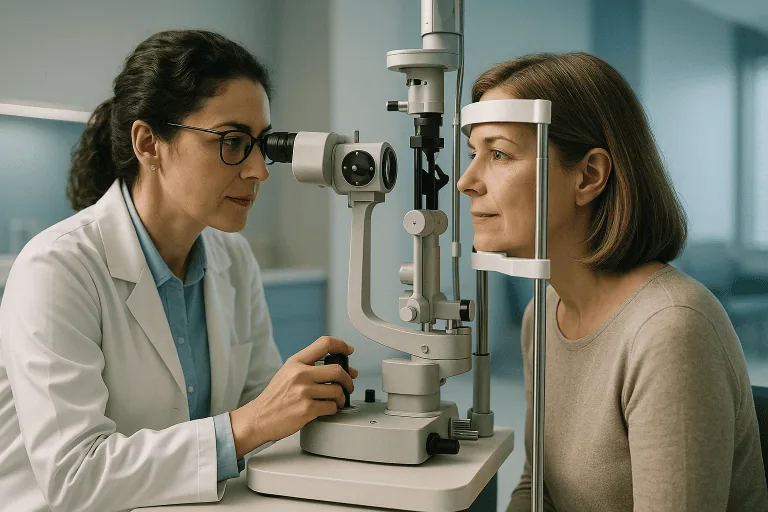
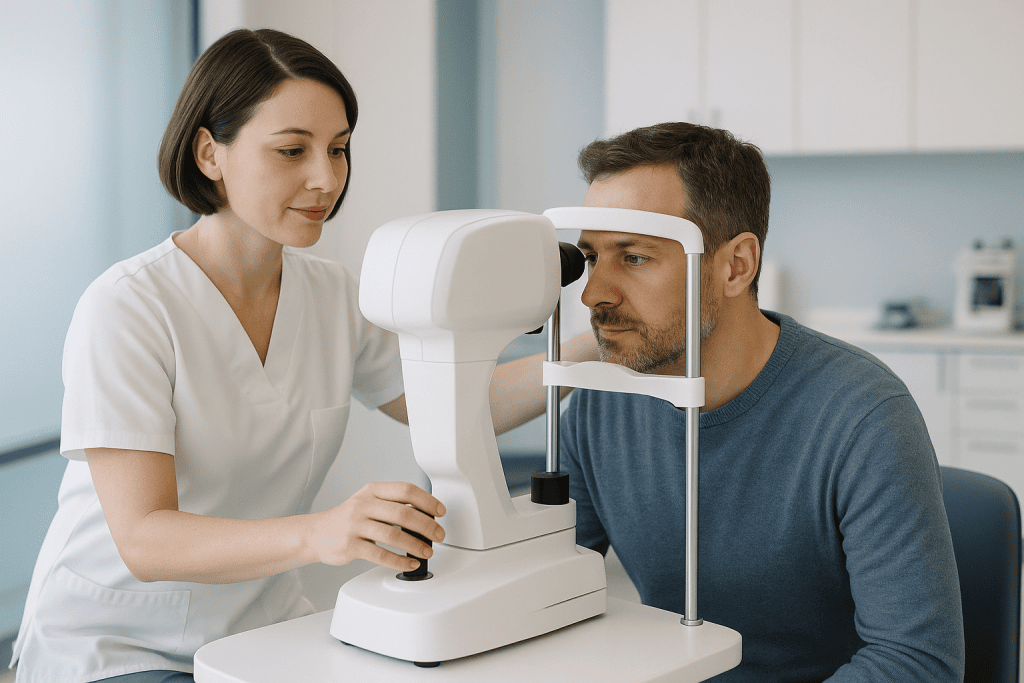
An eye specialist may also use a slit lampa magnifying microscope with a bright light, to examine the eyelid margin, the openings of the meibomian glands, and the surface of the eye in more detail. This helps confirm the diagnosis and identify contributing conditions such as blepharitis.
Part of the diagnostic process involves ruling out other conditions that can look similar. These include a chalazion (a painless, non-infected blocked gland), preseptal cellulitis (a spreading infection of the eyelid tissues that requires more aggressive treatment), and, rarely, eyelid tumors. A lump that is painless, keeps growing over weeks, does not respond to standard treatment, or repeatedly comes back in exactly the same spot may prompt the doctor to recommend further evaluation, which can occasionally include a small tissue sample (biopsy) to exclude rarer causes. Swabs or cultures of drained pus are not routine but may be taken if the infection is unusual or recurrent.
Treatment options
Hordeolum treatment is usually simple, and many styes heal without any prescription medication. The right approach depends on how severe the stye is, whether it is external or internal, and whether it is improving on its own.
Watchful waiting and home care
In many cases, the first and most effective treatment is a warm compress. Applying a clean cloth soaked in warm (not hot) water to the closed eyelid for about 10 to 15 minutes, several times a day, helps soften the blocked material in the gland and encourages the stye to drain naturally. Gentle eyelid hygiene, cleaning the lid margin with diluted baby shampoo or a commercially available lid cleanser, can also help, particularly for people with blepharitis.
Two points deserve emphasis. First, do not squeeze or try to pop a stye. Squeezing can push infected material deeper into the eyelid tissues and worsen the infection. Second, it is generally advised to avoid wearing contact lenses and eye makeup until the stye has fully healed, to reduce irritation and the risk of spreading bacteria.
Over-the-counter pain relievers such as acetaminophen or ibuprofen may be used for discomfort, following the package directions or your pharmacist’s advice.
Medication
If a hordeolum does not improve with warm compresses, or if it is associated with significant blepharitis or conjunctivitis (inflammation of the membrane covering the eye), a doctor may prescribe a topical antibiotic ointment or drops to apply to the eyelid margin. Topical antibiotics are most useful when the infection involves the surface tissues; their benefit for a deep, walled-off stye is more limited.
Oral antibiotics are generally reserved for cases where the infection is spreading beyond the immediate area of the gland, for example, when the whole eyelid or the surrounding skin becomes red, warm, and swollen, suggesting preseptal cellulitis. Your doctor will decide whether oral antibiotics are appropriate based on the examination.
Procedures
A stye that is large, very painful, or not draining on its own may be treated with a minor in-office procedure called incision and drainage. Using local anesthetic (numbing medication), an eye specialist makes a tiny opening in the stye to release the pus. This typically relieves pain quickly and speeds healing. In some cases, the doctor may also remove the eyelash associated with an external hordeolum to help the follicle drain.
This procedure should only be performed by a trained clinician; attempting to lance a stye at home carries a real risk of worsening the infection or injuring the eyelid.
Surgery and follow-up care
Formal surgery is rarely needed for a hordeolum itself. However, if a stye fails to resolve and hardens into a persistent chalazion, a minor surgical procedure to remove the blocked gland contents may be recommended, usually under local anesthetic. Recurrent styes may also prompt longer-term management of underlying blepharitis with daily lid hygiene and, in selected cases, additional medication.
Eyelid infections such as hordeolum are evaluated and treated by eye specialists. Within hospital settings such as Acibadem, this condition falls under the ophthalmology department, which manages both simple styes and the less common complicated cases that need drainage or further investigation.
Living with hordeolum and outlook
The outlook for a hordeolum is generally very good. Most styes improve within a few days once they begin to drain, and the majority resolve completely within one to two weeks, often with warm compresses alone. A hordeolum rarely causes any lasting damage to the eyelid or the eye, and it does not typically affect vision once healed.
That said, some people experience recurrent hordeola, particularly those with chronic blepharitis, rosacea, or habits that repeatedly introduce bacteria to the eyelids. If styes keep coming back, the focus of care shifts to long-term prevention:
- Daily eyelid hygiene, including gentle cleaning of the lid margins
- Regular warm compresses to keep the oil glands flowing, if recommended by your doctor
- Washing hands before touching the eyes or handling contact lenses
- Replacing eye makeup regularly (mascara and liquid eyeliner in particular) and never sharing cosmetics
- Removing all eye makeup before sleep
- Following proper contact lens cleaning and replacement schedules
- Managing underlying conditions such as diabetes, rosacea, or seborrheic dermatitis with your doctor’s guidance
Occasionally, a hordeolum does not fully drain and instead transforms into a chalazion: a firm, painless lump that can persist for weeks or months. Chalazia are not infections and are usually harmless, but persistent ones can be treated by an eye specialist. Rarely, an untreated or worsening eyelid infection can spread to the surrounding tissues; this is uncommon but is the main reason to seek care if a stye is not following the expected course of gradual improvement.
Frequently asked questions
What is hordeolum in simple terms?
A hordeolum is the medical name for a stye: a small, painful, infected lump on the eyelid. It develops when bacteria infect a blocked oil gland or eyelash follicle. It can appear on the outer edge of the eyelid (external hordeolum) or deeper inside the lid (internal hordeolum), and in most cases it heals within one to two weeks.
Can a hordeolum heal on its own?
Yes, in many cases a hordeolum drains and heals on its own without prescription treatment. Warm compresses applied several times a day often speed this process. If a stye is not improving after about one to two weeks, is getting larger, or is causing significant swelling or pain, it is sensible to have it examined by a doctor.
How serious is a hordeolum?
A hordeolum is usually a minor condition that does not threaten vision or overall health. However, on rare occasions the infection can spread to the surrounding eyelid tissues, causing more extensive redness, warmth, and swelling. Spreading infection, fever, or changes in vision are warning signs that need prompt medical assessment.
What are the first hordeolum symptoms to watch for?
The earliest hordeolum symptoms are usually localized tenderness and redness at one spot on the eyelid, often near the lash line. Over a day or two, a swollen bump develops, sometimes with a small yellowish pus point at its center. Watery eyes, a gritty feeling, and mild light sensitivity may accompany the lump.
What is the best hordeolum treatment at home?
The most widely recommended home treatment is a warm compress: a clean cloth soaked in warm water, held gently against the closed eyelid for 10 to 15 minutes, several times a day. Keeping the eyelid clean, avoiding eye makeup and contact lenses during healing, and never squeezing the stye are also important. If home care does not help, a doctor may prescribe antibiotic ointment or perform a small drainage procedure.
Is a hordeolum contagious?
A hordeolum itself is not considered highly contagious, but the bacteria that cause it can be passed on through hands, towels, pillowcases, and shared cosmetics. Washing your hands regularly, avoiding touching the stye, and not sharing eye makeup or towels are reasonable precautions while a stye is present.
What is the difference between a hordeolum and a chalazion?
A hordeolum is an active bacterial infection and is typically painful, red, and tender. A chalazion is a blocked gland without active infection; it is usually a firm, painless lump that develops more slowly and can persist for weeks or months. A hordeolum that does not fully drain can sometimes turn into a chalazion. An eye doctor can distinguish between the two during a simple examination.
When to see a doctor
Most styes can be managed at home at first, but you should seek medical care if the stye does not begin to improve within about one to two weeks, if it keeps growing, or if it recurs repeatedly in the same location. Seek urgent medical attention if you notice any of the following red-flag warning signs:
- Redness, warmth, or swelling spreading beyond the eyelid to the surrounding face or cheek
- Fever or chills accompanying the eyelid infection
- Changes in vision, such as blurring or double vision
- Pain when moving the eye or difficulty moving the eye
- Swelling so severe that you cannot open the eyelid
- A bulging or protruding eye
- Bleeding from the lump or a stye that keeps growing rapidly despite treatment
- A persistent eyelid lump that does not respond to treatment or keeps returning in exactly the same spot, which should be evaluated to exclude rarer conditions
These signs may indicate that the infection is spreading into deeper tissues around the eye, which can become serious if not treated promptly. An ophthalmologist or another qualified doctor can assess the eyelid, confirm the diagnosis, and recommend the safest treatment for your situation.
Medically reviewed by the Acıbadem International Medical Board September 3, 2026
See our medical review board →
Update history
- PublishedJune 8, 2026
- Medical review approvedSeptember 3, 2026
- Last content updateSeptember 2, 2026