Wolff-Parkinson-White Syndrome
Wolff-Parkinson-White Syndrome is a heart rhythm disorder caused by an extra electrical pathway. Learn symptoms, diagnosis and treatment.

Quick answer
Wolff-Parkinson-White syndrome is a heart rhythm disorder caused by an extra electrical pathway that can trigger episodes of rapid heartbeat. At Acibadem in Turkey, evaluation focuses on confirming the abnormal conduction pattern and assessing symptoms, and treatment may include monitoring, medication, or catheter ablation to block the extra pathway.
Wolff-Parkinson-White Syndrome is a heart rhythm condition in which an extra electrical pathway in the heart can cause episodes of a very fast heartbeat. Many people with WPW live well with appropriate assessment, monitoring and, when needed, specialist treatment.
Overview
Wolff-Parkinson-White Syndrome is a type of heart rhythm disorder caused by an extra electrical connection between the upper and lower chambers of the heart. This extra connection, often called an accessory pathway, can allow electrical signals to bypass the heart’s normal control system and trigger episodes of a fast heartbeat.
In a normal heartbeat, electrical signals travel from the atria through the atrioventricular node, then into the ventricles in an organized sequence. In WPW, the accessory pathway may conduct signals too early or create a circular electrical loop, leading to supraventricular tachycardia, which means a fast rhythm starting above the ventricles.
Some people with WPW have noticeable symptoms, while others discover the condition during an electrocardiogram performed for another reason. When WPW is identified, a cardiologist can assess the pattern, symptoms and personal risk factors to decide whether observation or treatment is most appropriate.
Symptoms
Wolff-Parkinson-White symptoms vary from person to person. Episodes may begin suddenly, last for seconds to hours, and then stop suddenly. Between episodes, many people feel completely well.
Common symptoms can include:
- Palpitations or a sensation that the heart is racing, fluttering or pounding
- A very fast heartbeat, sometimes triggered by exercise, stress, caffeine or no clear cause
- Dizziness, lightheadedness or feeling faint
- Shortness of breath or reduced exercise tolerance during an episode
- Chest discomfort, pressure or tightness
- Fatigue after an episode
- Fainting, which should always be assessed by a doctor
Infants and young children may not be able to describe palpitations. Possible signs in children include poor feeding, unusual irritability, rapid breathing, sweating, paleness or appearing unusually tired. Any child with suspected abnormal heart rhythm should be evaluated by a pediatrician or pediatric cardiologist.
Some people with WPW have no symptoms at all. Even in symptom-free cases, a doctor may recommend further evaluation if the electrocardiogram shows pre-excitation, if there is a family history of rhythm problems, or if the person participates in competitive sport or safety-sensitive work.
Causes & Risk Factors
Wolff-Parkinson-White Syndrome is usually related to an accessory electrical pathway that is present from birth. The pathway is made of heart muscle tissue that conducts electrical impulses outside the usual route. In many people, there is no clear reason why this pathway developed.
WPW can occur in otherwise healthy hearts. In some cases, it is associated with congenital heart conditions, such as abnormalities affecting the tricuspid valve. Rarely, WPW can run in families or occur with inherited conditions that affect the heart muscle or electrical system.
Factors that may increase the chance of symptoms being noticed include adolescence or young adulthood, intense physical exertion, stimulants, emotional stress, fever, dehydration or other illnesses that raise the heart rate. These do not necessarily cause WPW, but they may make episodes more apparent in a person who already has an accessory pathway.
Having WPW does not mean that a person will always have dangerous heart rhythms. However, the condition deserves careful assessment because the accessory pathway can behave differently in different individuals. A specialist can estimate risk by reviewing symptoms, ECG findings and, when necessary, additional rhythm testing.
Diagnosis
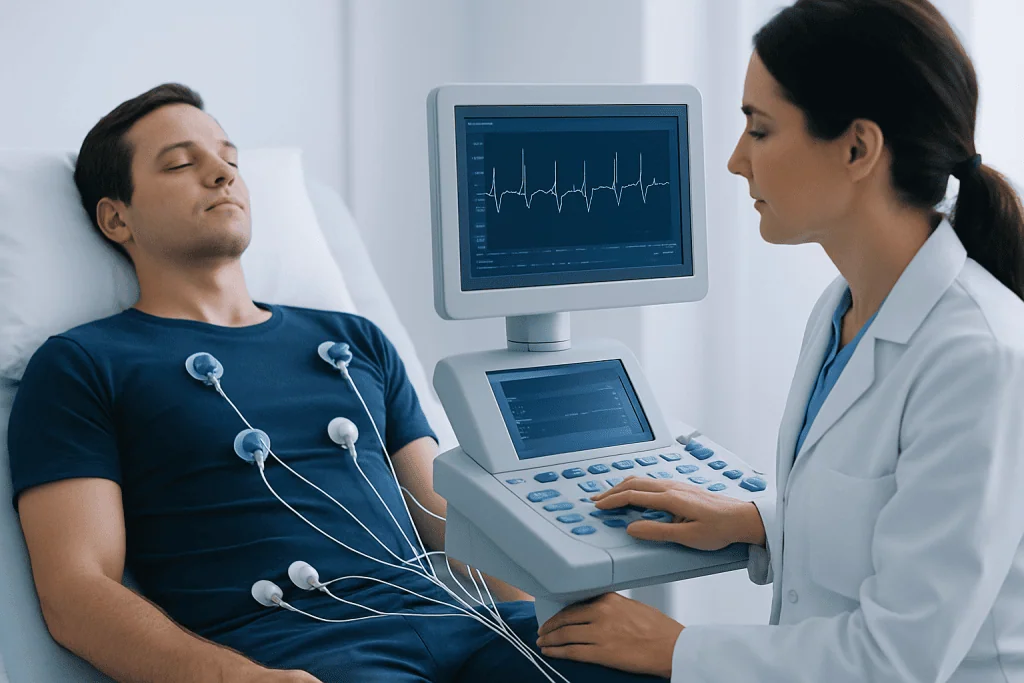
Diagnosis of Wolff-Parkinson-White Syndrome usually begins with a medical history, physical examination and electrocardiogram, also called an ECG. A typical ECG may show signs of pre-excitation, including a short PR interval and a slurred early part of the QRS complex known as a delta wave. These findings help doctors recognize that some electrical activity is bypassing the normal route.
If symptoms come and go, a resting ECG may not capture an episode. The doctor may recommend ambulatory monitoring, such as a Holter monitor or event recorder, to record the heart rhythm during daily activities. In some cases, exercise testing can help assess how the accessory pathway behaves when the heart rate increases.
An echocardiogram may be used to look at the structure and pumping function of the heart, especially if there are murmurs, congenital heart concerns or symptoms that suggest another cardiac condition. Blood tests may be ordered to check for contributing factors such as thyroid imbalance, anemia or electrolyte abnormalities, depending on the clinical situation.
Some patients are referred for an electrophysiology study, a specialized test performed by a heart rhythm specialist. During this procedure, thin catheters are guided through blood vessels to study the heart’s electrical system in detail. This can confirm the location and properties of the accessory pathway and may be combined with catheter ablation when appropriate.
Treatment Options
Wolff-Parkinson-White treatment is individualized. The right approach is decided by a cardiologist or electrophysiologist after reviewing symptoms, ECG findings, heart structure, medical history, age, activity level and the behavior of the accessory pathway. Some people with no symptoms and low-risk features may only need monitoring and clear instructions about when to seek care.
During an episode of rapid heartbeat, medical teams may use safe rhythm-control measures depending on the person’s condition and the exact rhythm. These may include supervised physical maneuvers that affect the vagus nerve, medicines given under medical guidance, or electrical cardioversion in urgent situations. People should not try unapproved treatments or take heart rhythm medicines without a physician’s direction.
Longer-term treatment may include observation, lifestyle adjustments, medication or catheter ablation. Antiarrhythmic medicines may help prevent episodes in selected patients, but they require careful choice and follow-up because different rhythm patterns need different management. In WPW with certain fast rhythms, especially when atrial fibrillation is involved, specialist assessment is important because some common heart-rate medicines may not be suitable.
Catheter ablation is a minimally invasive procedure that targets the accessory pathway to stop abnormal electrical conduction. It is performed by an electrophysiology specialist using mapping equipment to locate the pathway. Surgery is rarely needed specifically for WPW, but may be considered if another heart operation is being performed or if catheter-based treatment is not appropriate. Rehabilitation is not usually a primary treatment for WPW, but gradual return to activity and follow-up guidance may be recommended after procedures or significant rhythm events.
Living With / Prognosis
Many people with Wolff-Parkinson-White Syndrome lead active lives, particularly when the condition is recognized and managed appropriately. Prognosis depends on whether symptoms occur, what type of arrhythmia develops, how fast the accessory pathway conducts, and whether there are any other heart conditions.
Living well with WPW often includes learning to recognize symptoms, keeping follow-up appointments and discussing exercise, travel, pregnancy or competitive sports with a doctor when relevant. Some people may be advised to limit triggers that appear to provoke episodes, such as excessive caffeine, dehydration or stimulant substances. However, lifestyle measures do not replace medical assessment when WPW is present.
Patients can support safer care by keeping a copy of their ECG or diagnosis summary, especially when traveling or seeing a new doctor. They should tell healthcare professionals that they have WPW before receiving emergency treatment for palpitations or before starting medicines that can affect heart rhythm.
Emotional reassurance is also important. A diagnosis of WPW can feel unexpected, but modern cardiology offers effective ways to evaluate the condition and reduce symptoms for many patients. Acibadem International’s multidisciplinary cardiology and electrophysiology teams, within JCI-accredited hospitals, diagnose and treat heart rhythm conditions such as WPW for international patients.
When to See a Doctor
A person should see a doctor if they have repeated palpitations, sudden episodes of racing heartbeat, unexplained dizziness, reduced exercise tolerance or a known ECG finding suggesting pre-excitation. Even if symptoms are brief, medical evaluation can help determine whether WPW or another rhythm disorder is present.
Urgent medical care is needed for palpitations accompanied by fainting, chest pain, severe shortness of breath, confusion, extreme weakness or a rapid heartbeat that does not settle. These symptoms do not always mean a serious outcome, but they need prompt assessment to identify the rhythm and treat it safely.
People already diagnosed with WPW should ask their cardiologist what symptoms require emergency attention, whether activity restrictions are needed, and whether an electrophysiology consultation is appropriate. Children, pregnant patients, athletes and people with other heart disease may need tailored advice from specialists with experience in arrhythmias.
Frequently asked questions
What is Wolff-Parkinson-White Syndrome?
Wolff-Parkinson-White Syndrome is a heart rhythm condition caused by an extra electrical pathway between the upper and lower chambers of the heart. This pathway can allow signals to move too quickly or in a loop, leading to sudden episodes of rapid heartbeat. Some people have symptoms, while others are diagnosed only after an ECG.
Is Wolff-Parkinson-White Syndrome dangerous?
Many people with WPW do well, especially when the condition is properly assessed and managed. In a small number of people, the accessory pathway can allow very fast rhythms that require urgent treatment. A cardiologist can evaluate individual risk using symptoms, ECG findings and sometimes specialized rhythm testing.
What does a WPW episode feel like?
A WPW episode often feels like a sudden racing, pounding or fluttering heartbeat. It may be accompanied by dizziness, shortness of breath, chest discomfort, anxiety or fatigue. Episodes may stop on their own, but recurrent or severe symptoms should be discussed with a doctor.
How is WPW diagnosed?
WPW is commonly diagnosed with an electrocardiogram, which may show pre-excitation patterns such as a short PR interval and delta wave. If symptoms are intermittent, a Holter monitor, event recorder, exercise test or electrophysiology study may be used. An echocardiogram may also be recommended to check heart structure.
Can Wolff-Parkinson-White Syndrome be treated permanently?
For some patients, catheter ablation can eliminate the accessory pathway and prevent recurrent WPW-related tachycardia. It is not the right choice for every person, and the decision depends on symptoms, pathway location, risk assessment and overall health. A heart rhythm specialist can explain benefits, risks and alternatives.
Should people with WPW avoid exercise?
Not everyone with WPW needs to avoid exercise. However, people with symptoms, competitive athletes or those with a newly discovered WPW pattern should ask a cardiologist for individualized guidance. Exercise advice may depend on ECG results, rhythm history and any additional heart findings.
When should someone with WPW seek emergency care?
Emergency care is recommended if a rapid heartbeat is accompanied by fainting, chest pain, severe shortness of breath, confusion or marked weakness. A sustained very fast heartbeat that does not improve should also be assessed urgently. Medical teams can identify the rhythm and choose safe treatment for WPW-related arrhythmias.
This article is for general information only and is not a substitute for professional medical advice. Please consult a qualified doctor about your individual situation.
Medically reviewed by the Acıbadem International Medical Board June 20, 2026
See our medical review board →
Update history
- PublishedJune 9, 2026
- Medical review approvedJune 20, 2026
- Last content updateJune 9, 2026