19 Weeks Pregnant: Symptoms, Baby Development, and What to Expect

At 19 weeks pregnant, the baby is growing quickly and often measures about the size of a mango. Common symptoms this week include a growing abdomen, mild backache, round ligament pain, nasal congestion, and stronger fetal movement.
Key Takeaways
- At 19 weeks pregnant, the baby is growing quickly and often measures about the size of a mango.
- Common symptoms this week include a growing abdomen, mild backache, round ligament pain, nasal congestion, and stronger fetal movement.
- A detailed anatomy ultrasound is often scheduled around this time to assess the baby’s growth and development.
- Most symptoms are normal, but heavy bleeding, severe pain, fluid leakage, or reduced movement after movement has become established should be reviewed promptly.
- Healthy habits such as balanced nutrition, hydration, gentle exercise, and prenatal care remain important in week 19.
At 19 weeks pregnant, many people begin to feel more regular fetal movement while the baby continues steady growth and sensory development. This stage often includes round ligament discomfort, skin changes, and preparation for the mid-pregnancy anatomy scan.
Overview: what 19 weeks pregnant usually feels like
At 19 weeks pregnant, many people notice that pregnancy feels more physically real from day to day. The abdomen is becoming more visible, clothes may fit differently, and fetal movement may start to feel easier to recognize. For some, this stage brings more energy than the first trimester, while others still notice fatigue or sleep disruption.
This is also a common time for the mid-pregnancy anatomy scan, a detailed ultrasound that checks the baby’s growth and looks at major organs and body structures. Week 19 is generally part of the second trimester, when routine prenatal visits continue and symptoms are often manageable with simple self-care.
Experiences can vary widely. Some people feel frequent fluttering sensations, while others may not clearly identify movement yet, especially in a first pregnancy or if the placenta is positioned at the front of the uterus. A prenatal clinician can help explain what is typical for an individual pregnancy.
Symptoms this week
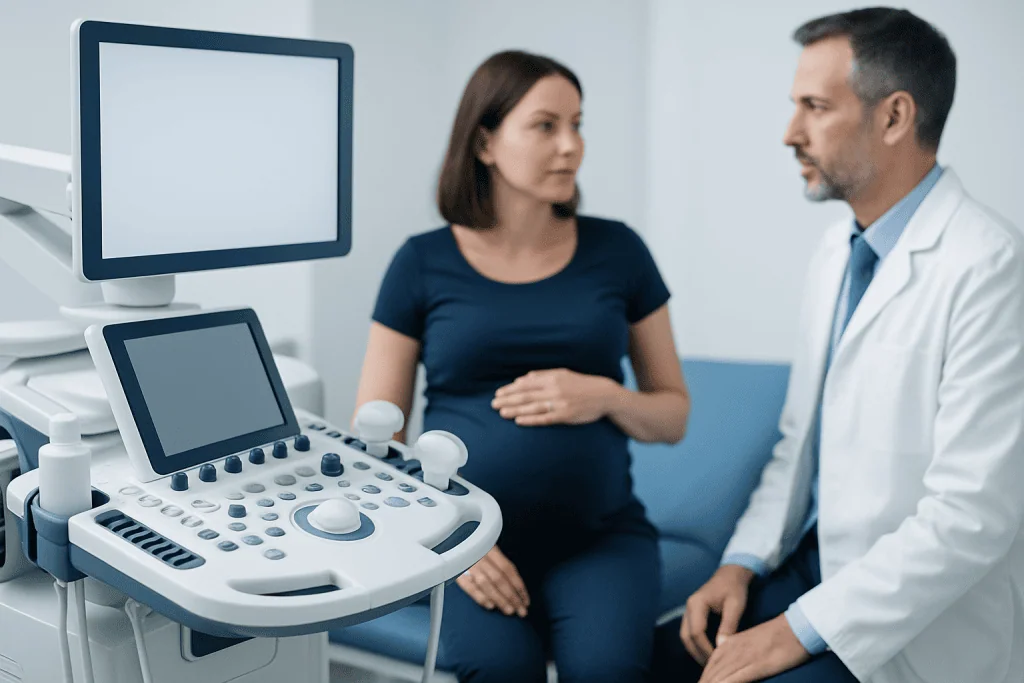
Common 19 weeks pregnant symptoms often reflect the baby’s growth and the body’s changing circulation, hormones, and posture. One of the most anticipated changes is feeling movement, which may be described as fluttering, tapping, bubbling, or light kicks. These sensations can be irregular at first and may be easier to notice during quiet moments.
Other common symptoms include:
- Round ligament pain, often felt as a brief pulling or sharp sensation in the lower abdomen or groin
- Mild backache from shifting posture and a growing uterus
- Nasal congestion or occasional nosebleeds due to increased blood flow
- Heartburn or indigestion
- Dizziness when standing up quickly
- Leg cramps, especially at night
- Skin changes such as a dark line on the abdomen or deepening pigmentation
Some people also notice breast changes, increased appetite, or vivid dreams. Emotional changes can continue as well. Even in a healthy pregnancy, it is normal for symptoms to vary from one week to another.
If symptoms become intense, persistent, or concerning, it is best not to assume they are routine pregnancy changes. A clinician can help distinguish common discomforts from problems that need medical attention.
Baby development at 19 weeks

At 19 weeks, the baby is developing rapidly and is often compared in size to a mango. Exact measurements vary, but the baby is continuing to gain length and weight, and body proportions are becoming more balanced. Arms and legs are more developed, and movements are becoming stronger and more coordinated.
The baby’s skin is still thin and is covered by a protective coating called vernix caseosa. Fine hair called lanugo may also cover the body. These temporary features help protect the skin during development in the amniotic fluid.
Sensory development is progressing during this stage. The ears are becoming better developed, and the baby may begin responding to sounds. Nerve pathways continue to mature, and the brain is developing areas linked to the senses. Swallowing movements and sucking reflexes are also being practiced, helping prepare the baby for life after birth.
Week 19 is also a time when the anatomy ultrasound may provide a more detailed look at structures such as the brain, spine, heart, kidneys, limbs, and placenta. This scan helps assess how the baby is growing and whether any further evaluation is needed.
Body changes in the pregnant person
By 19 weeks pregnant, the uterus has grown enough to shift the body’s center of gravity. This can affect posture and contribute to back discomfort, hip tension, or a feeling of heaviness in the lower abdomen. The abdominal muscles and ligaments are stretching to make room for the growing baby, which can lead to intermittent aches.
Blood volume continues to increase during pregnancy. As a result, some people notice warmer skin, visible veins, mild swelling, or occasional lightheadedness. The gums may bleed more easily, and nasal tissues may feel swollen or congested. These changes are often harmless, but they can be uncomfortable.
Skin and hair changes are also common. Increased pigmentation may lead to a dark line down the center of the abdomen, darker nipples, or patches of facial pigmentation. Hair may feel fuller because of hormonal shifts. Stretch marks may begin to appear on the abdomen, breasts, hips, or thighs as the skin expands.
Digestive changes may continue as well. Slower digestion can contribute to constipation, bloating, or heartburn. Drinking enough water, eating fiber-rich foods, and staying physically active can often help. If symptoms become severe, a doctor or midwife may suggest safe options for relief.
Checklist: what to do at 19 weeks pregnant
Week 19 is a good time to focus on steady routines rather than major changes. Prenatal care remains the foundation of a healthy pregnancy, and many people are preparing for or attending their anatomy ultrasound. It can be helpful to write down questions in advance, especially about symptoms, movement, work activity, travel, sleep, or exercise.
A practical checklist for this week may include:
- Attend scheduled prenatal visits and confirm the anatomy scan if it has not been arranged
- Continue taking prenatal vitamins as advised by a clinician
- Eat balanced meals that include protein, iron, calcium, fiber, fruits, vegetables, and whole grains
- Stay hydrated and limit long gaps without food if dizziness or nausea occurs
- Use supportive footwear and practice good posture to reduce back strain
- Try gentle movement such as walking, stretching, or prenatal exercise if approved
- Sleep on the side when comfortable, often with pillows for support
This is also a useful time to discuss any existing health conditions that may affect pregnancy. If symptoms such as severe nausea, elevated blood pressure, or unusual pain are developing, a clinician may evaluate for pregnancy-related conditions, including gestational diabetes or preeclampsia when clinically appropriate later in pregnancy.
If additional assessment is needed, doctors may recommend imaging or specialized fetal evaluation. In some cases, support from departments involved in pregnancy follow-up and delivery or perinatology care may be helpful for closer monitoring.
How 19-week pregnancy is monitored
Routine prenatal care at 19 weeks usually includes a review of symptoms, blood pressure measurement, weight tracking, and discussion of fetal movement. A clinician may check uterine growth and listen for the fetal heartbeat, depending on the visit schedule and local practice.
The anatomy scan is one of the most important evaluations around this point in pregnancy. It is used to assess fetal growth, the placenta, amniotic fluid, and major organs. In many pregnancies, the scan is reassuring. Sometimes, however, it may show a finding that simply needs another look or follow-up imaging.
Laboratory testing in the second trimester depends on the person’s medical history, previous results, and local prenatal protocols. Some people may be screened later for anemia or glucose intolerance. If concerns such as pain, bleeding, or fluid loss arise, further examination is needed rather than waiting for the next routine appointment.
When pregnancy symptoms are complicated or unusual, specialist input may be recommended. Acibadem International’s multidisciplinary specialists in JCI-accredited hospitals evaluate and treat pregnancy-related concerns for international patients when advanced assessment is needed.
Self-care and healthy habits
At 19 weeks, self-care is often about reducing everyday discomfort while supporting overall health. Small, regular meals may help with heartburn or bloating. Iron-rich foods such as beans, lentils, leafy greens, eggs, and lean meats can support healthy blood production, especially when paired with vitamin C-containing foods.
Gentle exercise can improve circulation, mood, sleep quality, and muscle support. Walking, prenatal yoga, and stretching are common options if a clinician has not advised restrictions. Long periods of standing may worsen swelling or back pain, so changing positions regularly can help.
For round ligament discomfort, slowing down when changing position and supporting the abdomen during sudden movements may reduce pain. For nasal dryness or congestion, a humidified environment and good hydration may be helpful. For constipation, fiber, fluids, and activity are usually the first steps.
Sleep can become less comfortable as the abdomen grows. Side-sleeping with a pillow between the knees or under the abdomen can improve support. If a person has significant pelvic pain, sleep disturbance, or mobility problems, a healthcare professional can suggest safe strategies and, if needed, refer for supportive therapies such as physical therapy and rehabilitation.
When to seek medical care
Most symptoms at 19 weeks pregnant are not signs of a problem, but some changes should not be ignored. Prompt medical advice is important if there is vaginal bleeding, a gush or steady leaking of fluid, severe abdominal pain, fever, painful urination, severe vomiting, or persistent dizziness that does not improve with rest and fluids.
Medical review is also important for a severe headache, sudden swelling of the face or hands, chest pain, shortness of breath, or vision changes such as blurring or flashing lights. These symptoms are not always serious, but they need assessment because they can be linked to pregnancy complications.
If fetal movement has already become noticeable and there is a clear change or concern, it is reasonable to contact a prenatal care team for guidance. Movement patterns are often still inconsistent at 19 weeks, so clinicians usually consider the whole picture rather than one isolated quiet period.
Anyone who feels that something is not right should contact a qualified doctor or midwife, even if the symptom seems difficult to describe. Timely evaluation is the safest approach in pregnancy.
Frequently asked questions
What should someone expect at 19 weeks pregnant?
At 19 weeks pregnant, many people notice a growing abdomen, mild aches from stretching tissues, and early or more noticeable fetal movement. This is also a common time for the anatomy ultrasound, which checks the baby’s development in more detail.
How big is the baby at 19 weeks?
At this stage, the baby is often compared to a mango. Exact size varies, but growth is steady, and the baby’s limbs, organs, and sensory systems are continuing to develop.
Is it normal not to feel movement yet at 19 weeks pregnant?
Yes, it can still be normal not to clearly feel movement at 19 weeks, especially in a first pregnancy. Placenta position, body type, and individual differences can affect when movement becomes noticeable, but any concerns should still be discussed with a clinician.
What pains are common at 19 weeks pregnant?
Mild round ligament pain, lower back discomfort, and a feeling of stretching in the abdomen are common. These symptoms are often related to normal uterine growth, but severe, persistent, or one-sided pain should be medically assessed.
What scan is done around 19 weeks pregnant?
Many pregnant people have a mid-pregnancy anatomy scan around 18 to 22 weeks. This ultrasound looks at fetal growth, the placenta, amniotic fluid, and the development of major organs and body structures.
When should someone call a doctor at 19 weeks pregnant?
A doctor should be contacted for vaginal bleeding, fluid leakage, severe pain, fever, painful urination, severe headache, vision changes, chest pain, or trouble breathing. It is also sensible to seek advice if there is a strong feeling that something is wrong, even if the symptom seems minor.
References
- World Health Organization
- American College of Obstetricians and Gynecologists
- National Health Service
- Centers for Disease Control and Prevention
- March of Dimes
This article is for general information only and is not a substitute for professional medical advice. Please consult a qualified doctor about your individual situation.
Joint and spine care in Turkey — expert assessment & treatment
JCI-accredited · board-certified surgeons · reply within 24h
Add us as a Preferred Source to see more of our trusted health content across Google Search, AI Overviews and Discover.