26 Weeks: A Complete Medical Overview

At 26 weeks, pregnancy is generally in the late second trimester; the third trimester usually begins at 28 weeks. Many pregnant people notice increasingly clear fetal movements, although individual patterns and pregnancy experiences vary.
Key Takeaways
- At 26 weeks, pregnancy is generally in the late second trimester; the third trimester usually begins at 28 weeks.
- Many pregnant people notice increasingly clear fetal movements, although individual patterns and pregnancy experiences vary.
- Routine prenatal care may include checking blood pressure, urine, fetal growth, and screening for gestational diabetes.
- New heavy bleeding, fluid leakage, severe pain, breathing difficulty, or reduced fetal movement needs prompt medical assessment.
- Balanced nutrition, suitable physical activity, sleep support, and preparation for later pregnancy can promote wellbeing.
At 26 weeks pregnant, a person is nearing the end of the second trimester, and the baby’s brain, lungs, hearing, and movement patterns are continuing to mature. Regular prenatal appointments, attention to new symptoms, and healthy daily habits support both maternal and fetal wellbeing during this stage.
26 Weeks: Where Pregnancy Stands Now
At 26 weeks pregnant, the pregnancy is in the later part of the second trimester. Pregnancy weeks are counted from the first day of the last menstrual period, rather than the date of conception. Although fetal development follows a broadly predictable sequence, exact size, symptoms, and timing of milestones can differ from one pregnancy to another.
The baby is continuing to gain weight and develop systems needed for life after birth. The pregnant person may be more aware of body changes at this stage, including a growing abdomen, changes in posture, tiredness, and regular movement sensations. Prenatal visits remain important because they monitor health changes that may not cause obvious symptoms.
For most people, this is also a useful time to discuss practical plans with the maternity care team. Topics can include childbirth education, travel, work adjustments, vaccinations recommended during pregnancy, feeding plans, and what to expect as the third trimester approaches. Individual guidance is particularly important for people carrying twins or more, or those with medical conditions or a history of pregnancy complications.
Fetal Development at 26 Weeks
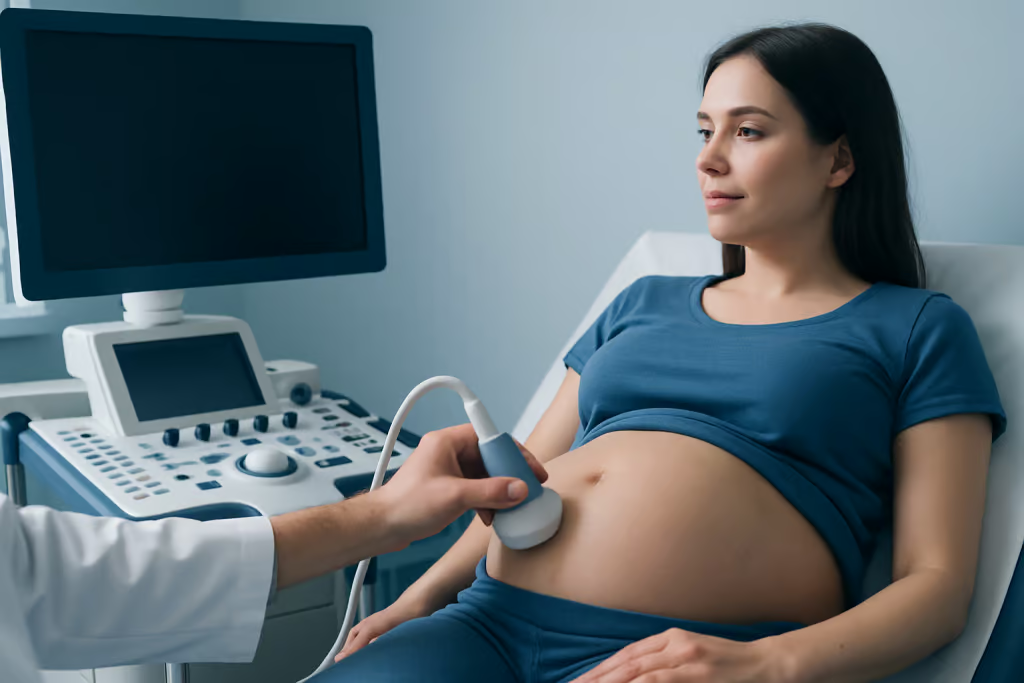
At 26 weeks, the fetus is growing steadily and commonly measures around 35 centimeters from head to heel, though measurements vary. The body is becoming less thin as fat stores begin to build beneath the skin. This fat helps support temperature regulation after birth and contributes to the baby’s changing appearance during the remaining weeks of pregnancy.
The brain and nervous system are developing quickly. Hearing is also becoming more developed, and the fetus may respond to familiar sounds, such as a parent’s voice or music. The eyes can begin to open, although vision remains immature and continues developing after birth. Sleep and wake cycles may become more noticeable through periods of activity and quiet.
The lungs are still developing and are not fully mature at this point. Structures needed for breathing continue to form, and the body gradually produces surfactant, a substance that helps keep the tiny air sacs in the lungs open after birth. If birth occurs very early, specialist neonatal care is needed because organs, especially the lungs and brain, are still immature.
Movement may feel like kicks, rolls, stretches, or rhythmic hiccup-like sensations. There is no single “normal” number of movements that applies to everyone. What matters most is becoming familiar with the baby’s usual daily activity pattern and contacting a maternity clinician if movement is noticeably less than usual.
Common Changes and Symptoms at 26 Weeks

Many symptoms at 26 weeks are related to the enlarging uterus, hormonal changes, and increased blood volume. Mild backache, pelvic pressure, leg cramps, round ligament discomfort, constipation, heartburn, and increased urination are common. Some people also experience nasal congestion, mild swelling in the feet or ankles, or shortness of breath with exertion as the body adapts to pregnancy.
Braxton Hicks contractions may occur during the second trimester. These are often brief, irregular tightenings of the uterus that may ease with rest, hydration, or a change in position. They are different from labor contractions, which tend to become regular, increasingly intense, and closer together. Any concern about contractions or premature labor should be discussed with a maternity care professional.
Sleep may become more difficult as finding a comfortable position becomes harder. Side-lying positions, pillows between the knees or under the abdomen, gentle stretching, and avoiding large meals close to bedtime may help some people. Persistent insomnia, severe anxiety, low mood, or distressing thoughts should be raised with a clinician, as mental health is an important part of prenatal care.
- Contact a clinician about persistent or worsening symptoms rather than self-diagnosing them.
- Do not start medicines, supplements, or herbal products during pregnancy without professional advice.
- Ask about safe approaches to nausea, reflux, constipation, pain, sleep difficulties, and allergies.
Prenatal Checks and Screening Around This Time
Routine prenatal appointments commonly include a blood pressure check, weight review where appropriate, discussion of symptoms, and assessment of fetal growth. The clinician may measure the abdomen from the pubic bone to the top of the uterus, known as fundal height. This is a screening measurement and does not by itself diagnose a problem; ultrasound or other assessment may be considered if growth needs closer evaluation.
Many people are offered screening for gestational diabetes between 24 and 28 weeks. Gestational diabetes is high blood glucose first recognized during pregnancy. It often has no noticeable symptoms, which is why screening is important. If identified, it can usually be managed with individualized nutrition advice, activity, blood glucose monitoring, and sometimes medication, helping reduce risks for both parent and baby.
Blood tests may also be used to look for anemia or other concerns, depending on local practice and individual history. Pregnancy increases the need for iron, and iron-deficiency anemia can contribute to tiredness, weakness, breathlessness, or palpitations. A clinician can determine whether dietary changes, iron supplements, or further investigation are appropriate.
People with Rh-negative blood may discuss anti-D immunoglobulin, which is commonly offered later in pregnancy according to local guidelines and individual circumstances. Vaccinations may also be reviewed. Recommendations vary by country, season, medical history, and pregnancy stage, so the obstetrician or midwife can provide tailored advice.
Supporting Health During the Late Second Trimester
A varied eating pattern can help meet increased nutritional needs without focusing on eating for two. Meals may include vegetables and fruit, whole grains, protein-rich foods, dairy or fortified alternatives, and sources of healthy fats. Adequate fluid intake can support comfort and may help with constipation. A prenatal clinician may recommend supplements such as folic acid, iron, vitamin D, or others based on diet, test results, and local guidance.
For uncomplicated pregnancies, regular moderate activity is often beneficial. Walking, swimming, stationary cycling, and pregnancy-adapted exercise may support fitness, mood, sleep, and circulation. Activities with a high risk of falling, abdominal injury, overheating, or pressure changes should be avoided. Anyone with bleeding, placenta-related concerns, preterm labor risk, certain heart or lung conditions, or other complications should ask their clinician what activity is safe.
Alcohol, smoking, vaping, and recreational drugs should be avoided during pregnancy. Caffeine should be limited according to the advice of the maternity team. Food safety also matters: pregnant people should avoid foods that may carry a higher risk of infection, including unpasteurized dairy products, raw or undercooked eggs and meat, and certain high-mercury fish. Thorough handwashing and safe food storage are simple protective measures.
It can be helpful to begin preparing for the next stage of pregnancy without feeling pressured to complete every task at once. Childbirth classes, learning about signs of labor, arranging practical support, and discussing maternity leave can all be considered. Keeping a list of questions for prenatal appointments may make it easier to address concerns as they arise.
When to Seek Medical Care
Pregnant people should contact their maternity care team promptly if they notice vaginal bleeding, leaking fluid from the vagina, regular painful contractions, persistent pelvic pressure, or a sudden change in vaginal discharge before term. These symptoms do not always mean labor is starting, but they need timely evaluation because preterm birth can occur before 37 weeks.
Urgent medical assessment is also important for severe or persistent headache, visual changes, pain in the upper abdomen, sudden swelling of the face or hands, chest pain, fainting, severe shortness of breath, fever, or one-sided leg pain and swelling. These symptoms can have different causes, and a clinician can decide whether immediate care is needed.
After movements have become established, a noticeable reduction or change in the baby’s usual movement pattern should be assessed without waiting until the next day. The maternity team may advise having something to eat or drink, resting quietly, or coming in for monitoring, depending on the situation. Trusting a concern and seeking advice is appropriate.
For international patients who need coordinated pregnancy assessment or specialist input, Acibadem International’s multidisciplinary specialists and JCI-accredited hospitals provide diagnosis and treatment planning tailored to individual needs. Care should always be arranged with a qualified obstetric team, especially when symptoms are new or concerning.
Looking Ahead to the Third Trimester
The third trimester generally begins at 28 weeks. In the weeks ahead, fetal growth accelerates and prenatal visits may become more frequent. The maternity team will continue to monitor blood pressure, fetal growth, symptoms, and any medical conditions that could affect pregnancy or birth planning.
It is useful to understand that due dates are estimates. Only a small proportion of babies arrive on the exact estimated date, and a normal pregnancy may continue for several weeks on either side of it. The care team will discuss what to expect if pregnancy continues beyond the estimated due date or if there are reasons to consider an earlier birth.
People may wish to discuss pain relief options, support during labor, feeding intentions, newborn care, and signs that it is time to contact the hospital. Those with previous cesarean birth, high blood pressure, diabetes, placenta concerns, multiple pregnancy, or other health conditions may need more individualized planning. Asking questions early can help make decisions feel more informed and manageable.
Frequently asked questions
Is 26 weeks considered six months pregnant?
Twenty-six weeks is often described as being around six months pregnant, but month-to-week conversions are not exact because calendar months vary in length. Healthcare professionals generally use weeks of gestation because they provide a more precise way to track pregnancy development.
What should fetal movement feel like at 26 weeks?
Movement at 26 weeks may feel like kicks, rolls, stretches, flutters, or occasional rhythmic hiccups. Patterns vary between pregnancies, including based on placental position and fetal position. The important point is to notice the baby’s usual pattern and seek advice if movement becomes noticeably less or different.
Are Braxton Hicks contractions normal at 26 weeks?
Brief, irregular uterine tightenings can occur at 26 weeks and are often called Braxton Hicks contractions. They may settle with rest, hydration, or changing position. Regular, painful, intensifying contractions or contractions accompanied by bleeding, fluid leakage, or pelvic pressure need prompt medical advice.
What tests are commonly done at 26 weeks pregnant?
Prenatal visits commonly include blood pressure measurement, review of symptoms, urine testing where indicated, and assessment of fetal growth. Screening for gestational diabetes is often offered between 24 and 28 weeks. Blood tests for anemia or other conditions may also be recommended based on individual needs.
Can a baby survive if born at 26 weeks?
A baby born at 26 weeks is extremely preterm and requires specialist neonatal intensive care. Outcomes have improved with advances in neonatal medicine, but risks of short- and long-term complications remain because major organs are still developing. The neonatal team can provide individualized information if there is concern about early birth.
When should someone call their doctor at 26 weeks pregnant?
A maternity clinician should be contacted urgently for vaginal bleeding, suspected fluid leakage, regular painful contractions, severe abdominal pain, fever, severe headache, visual changes, or reduced fetal movement. It is also appropriate to call for any symptom that feels unusual or worrying, even if it is not listed.
References
- American College of Obstetricians and Gynecologists
- National Health Service
- World Health Organization
- Centers for Disease Control and Prevention
- Royal College of Obstetricians and Gynaecologists
This article is for general information only and is not a substitute for professional medical advice. Please consult a qualified doctor about your individual situation.
Explore treatments in Turkey — costs, top hospitals & a free quote
JCI-accredited · board-certified surgeons · reply within 24h
Add us as a Preferred Source to see more of our trusted health content across Google Search, AI Overviews and Discover.
Check your numbers in seconds
BMI, calories, due date, blood pressure and 30+ more clinical calculators — free, instant, doctor-reviewed ranges.

More from the Health Library



Related Specialists

Assoc. Prof. Dr. Müjgan Tek
Cardiology
Prof. Dr. Haluk Özkarakaş
Otorhinolaryngology
Asst. Prof. Dr. İbrahim Şahbaz
Ophthalmology
Fzt. Ezgi Nur Çiçek
Physical Medicine & Rehabilitation