39 Weeks Pregnant: Symptoms, Baby Development, and What to Expect

At 39 weeks pregnant, the baby is full term and ready for life outside the uterus. Common symptoms this week include pelvic pressure, Braxton Hicks contractions, fatigue, backache, and changes in vaginal discharge.
Key Takeaways
- At 39 weeks pregnant, the baby is full term and ready for life outside the uterus.
- Common symptoms this week include pelvic pressure, Braxton Hicks contractions, fatigue, backache, and changes in vaginal discharge.
- Some body changes can signal that labor is approaching, but they do not always mean birth will happen immediately.
- Regular contractions, leaking fluid, vaginal bleeding, or reduced fetal movement should prompt medical advice.
- A simple end-of-pregnancy checklist can help prepare for labor, delivery, and the first days with a newborn.
At 39 weeks pregnant, the baby is considered full term and labor may begin at any time, although it is also normal for pregnancy to continue a little longer. This week often brings stronger pelvic pressure, more noticeable practice contractions, and close attention to signs that true labor is starting.
Overview: what 39 weeks pregnant usually feels like
At 39 weeks pregnant, the baby is full term, and many people are watching closely for signs of labor. Even so, there is a wide range of normal. Some will go into labor this week, while others may not deliver until after 40 weeks.
This stage is often a mix of anticipation and physical discomfort. The uterus is large, the baby has usually moved lower into the pelvis, and everyday tasks can feel tiring. Sleep may be lighter, movement may feel slower, and emotions may shift between excitement and impatience.
It can help to remember that symptoms alone do not always predict exactly when labor will begin. A person may notice cramping, pressure, looser stools, or stronger practice contractions for days before active labor starts. Regular prenatal follow-up remains important so the care team can monitor both parent and baby as the due date approaches.
Symptoms this week
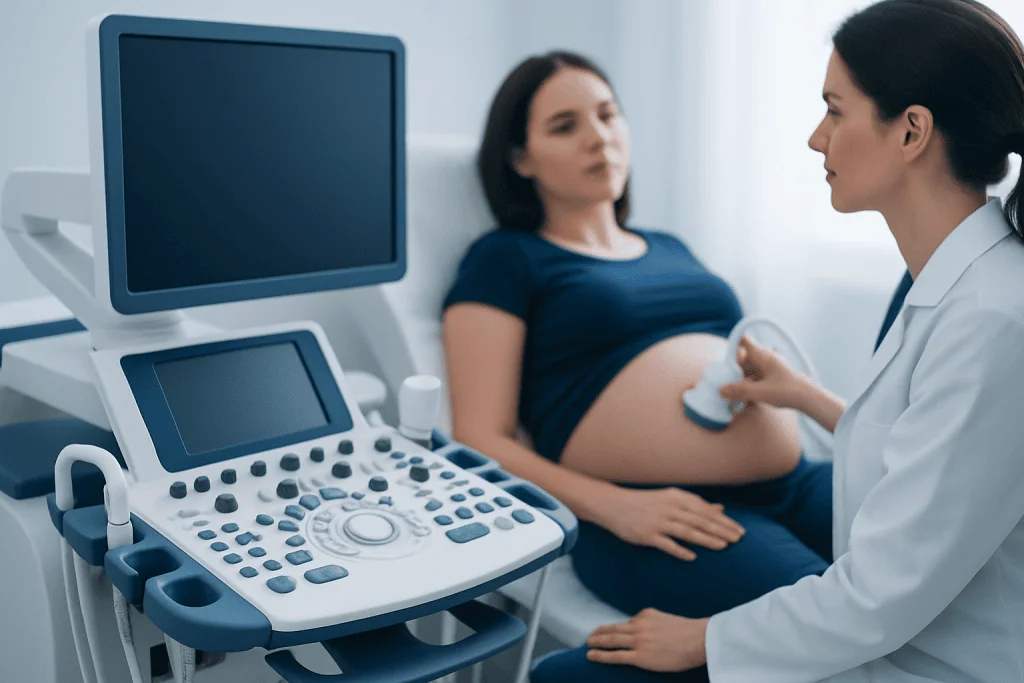
Common symptoms at 39 weeks pregnant are mostly related to the baby’s size and position. Pelvic pressure often becomes more noticeable as the baby settles lower. This can lead to a heavy feeling in the lower abdomen, discomfort when walking, and more frequent urges to urinate because the bladder has less room.
Many people also notice Braxton Hicks contractions, which are irregular tightenings of the uterus. These practice contractions may be uncomfortable, but they usually do not become steadily closer together or stronger over time. Lower back pain, groin discomfort, and tiredness are also common during this week.
Other symptoms may include:
- Increased vaginal discharge
- Passing of some or all of the mucus plug
- Mild cramping similar to menstrual cramps
- Swelling in the feet or ankles
- Difficulty sleeping
- Heartburn or a feeling of fullness after small meals
Fetal movement should still be felt regularly, although the pattern may feel different because space is tighter. Movements may seem more like rolls, stretches, and pushes than sharp kicks. A sudden decrease in movement should always be reported to a healthcare professional.
Baby development at 39 weeks

At 39 weeks, the baby is considered full term. Most organs are mature enough for life outside the womb, and the lungs are typically well developed. The brain continues to grow, and this growth remains important right up to birth and beyond.
A baby at this stage is often about the size of a small watermelon. Exact size varies, but many babies weigh around 3 to 3.5 kilograms and measure about 50 centimeters long. These are averages, not targets, and healthy babies can be smaller or larger.
The baby’s skin usually looks smoother because more fat has built up under it. Some fine body hair and the creamy protective coating present earlier in pregnancy may still remain in small amounts. The baby may also have a strong grasp reflex and be practicing coordinated sucking and swallowing, which will help with feeding after birth.
Most babies are now head-down in the pelvis. If the baby is not in a head-down position, the obstetric team may discuss the safest delivery plan. Close monitoring at the end of pregnancy may also overlap with care for conditions such as high-risk pregnancy when extra supervision is needed.
Body changes at 39 weeks pregnant
The body continues preparing for labor during this week. The cervix may begin to soften, thin out, and open slightly, although these changes can happen gradually and do not always mean labor is immediate. Some people notice a “bloody show,” which is a small amount of pink, brown, or blood-tinged mucus from the vagina as the cervix changes.
Hormonal shifts may affect the digestive system and bowel habits. Looser stools, nausea, or a reduced appetite can happen as labor approaches. Some also feel a burst of energy and a strong urge to organize the home, often called nesting, while others simply feel worn out and ready for rest.
Physical discomfort can become more intense because the uterus is at or near its maximum size. There may be pressure in the rectum, aching in the inner thighs, and soreness across the lower back. Gentle movement, changes in position, hydration, and rest often help. If pain becomes severe, sudden, or persistent, medical advice is important.
People with pregnancy-related issues such as high blood pressure, diabetes, or ongoing pain may need more frequent assessment at this point. In some cases, the care team may discuss monitoring or delivery planning through services such as obstetrics and gynecology care or pregnancy follow-up.
Checklist: what to do this week
This week is a practical time to focus on readiness rather than trying to predict the exact day labor will begin. Keeping plans simple can reduce stress. If induction or cesarean birth has been scheduled, the care team will usually explain when to come to the hospital and what preparations are recommended.
A helpful 39-week checklist may include:
- Keep the hospital bag, identification, and pregnancy records ready
- Review the route to the hospital and who will provide transport
- Charge phones and keep important contact numbers accessible
- Install and check the baby car seat if relevant
- Prepare basic newborn supplies at home
- Continue daily fetal movement awareness
- Attend all prenatal appointments
It can also help to review the signs of true labor. Contractions that become regular, stronger, longer, and closer together are more suggestive of labor than occasional irregular tightenings. The care team may recommend timing contractions and calling when they follow a clear pattern, especially if this is a first pregnancy.
Eating light meals, drinking enough fluids, and resting when possible may support energy for labor. Some people ask about natural ways to start labor, but it is safest to avoid unproven methods and discuss any approach with a qualified clinician first.
How labor may begin
Labor can start in different ways. For some, regular contractions are the first clear sign. For others, the first change may be the water breaking, pelvic cramping, or a gradual increase in back pain and pressure. There is no single pattern that happens for everyone.
True labor contractions usually become more organized over time. They tend to come at regular intervals, grow stronger, last longer, and continue even with rest or hydration. Walking may make them more noticeable rather than easing them. In contrast, Braxton Hicks contractions often settle with a position change, fluids, or rest.
The membranes can rupture in a gush or as a slow trickle of fluid. If fluid leakage is suspected, it is important to contact the maternity team, even if contractions have not started yet. Color matters too; clear fluid is common, while green, brown, or foul-smelling fluid needs prompt assessment.
Sometimes labor does not start spontaneously by the due date, and doctors may discuss monitoring or induction depending on the pregnancy history and the well-being of parent and baby. If a surgical birth becomes necessary, options such as cesarean section may be part of the delivery plan.
When to seek medical care
Prompt medical advice is important at 39 weeks pregnant if there are regular painful contractions, suspected rupture of membranes, vaginal bleeding heavier than light spotting, or reduced fetal movement. These signs do not always mean there is an emergency, but they do mean a professional assessment is needed.
Medical care should also be sought for severe headache, sudden swelling of the face or hands, vision changes, chest pain, shortness of breath, fever, or severe abdominal pain. These symptoms can be linked with pregnancy complications that require timely attention, including problems such as preeclampsia.
If there is any uncertainty about symptoms, it is reasonable to call the maternity unit or doctor for guidance. Near the end of pregnancy, it is better to ask early than to wait and worry. Acibadem International’s multidisciplinary specialists in JCI-accredited hospitals diagnose and treat pregnancy-related conditions for international patients when expert evaluation is needed.
Frequently asked questions
Is it normal not to be in labor at 39 weeks pregnant?
Yes. At 39 weeks, the baby is full term, but it is still normal for labor not to have started yet. Many healthy pregnancies continue into the 40th week or slightly beyond under medical supervision.
What are common 39 weeks pregnant symptoms?
Common symptoms include pelvic pressure, backache, irregular contractions, fatigue, trouble sleeping, and increased vaginal discharge. Some people also notice cramping, passing of the mucus plug, or more frequent urination.
How can someone tell the difference between Braxton Hicks and real labor?
Braxton Hicks contractions are usually irregular and may ease with rest, hydration, or a change in position. Real labor contractions become more regular, stronger, longer, and closer together over time. If there is doubt, contacting a maternity care professional is the safest step.
How big is the baby at 39 weeks?
A baby at 39 weeks is often compared to a small watermelon. Many babies at this stage weigh around 3 to 3.5 kilograms and measure about 50 centimeters, although normal size varies.
Should fetal movement decrease at 39 weeks?
Movement may feel different because there is less room, but the baby should still move regularly every day. The pattern may shift from kicks to rolls and stretches. Any noticeable decrease in movement should be reported promptly.
What should be ready at 39 weeks pregnant?
It helps to have the hospital bag packed, travel plans confirmed, important phone numbers available, and newborn essentials prepared. This is also a good time to review the signs of labor and attend all remaining prenatal appointments.
References
- World Health Organization
- American College of Obstetricians and Gynecologists
- National Institute for Health and Care Excellence
- Centers for Disease Control and Prevention
This article is for general information only and is not a substitute for professional medical advice. Please consult a qualified doctor about your individual situation.
Explore treatments in Turkey — costs, top hospitals & a free quote
JCI-accredited · board-certified surgeons · reply within 24h
Add us as a Preferred Source to see more of our trusted health content across Google Search, AI Overviews and Discover.
Check your numbers in seconds
BMI, calories, due date, blood pressure and 30+ more clinical calculators — free, instant, doctor-reviewed ranges.