42 Weeks Pregnant: Symptoms, Baby Development, and What to Expect

At 42 weeks pregnant, ongoing monitoring is important even if there are no new symptoms. The baby is usually fully developed, but the amount of amniotic fluid and placental function may need checking.
Key Takeaways
- At 42 weeks pregnant, ongoing monitoring is important even if there are no new symptoms.
- The baby is usually fully developed, but the amount of amniotic fluid and placental function may need checking.
- Common symptoms can include pelvic pressure, tiredness, irregular contractions, and emotional strain from waiting.
- Doctors may recommend tests such as a nonstress test, ultrasound, or biophysical profile.
- Labor may begin naturally, but induction is often discussed at this stage.
- Reduced fetal movement, bleeding, leaking fluid, severe headache, or strong regular contractions should prompt medical advice.
At 42 weeks pregnant, the pregnancy is considered post-term and usually requires close medical follow-up. Many people still feel well, but monitoring becomes especially important because the placenta and amniotic fluid may change after the due date.
Overview: what 42 weeks pregnant means
At 42 weeks pregnant, the pregnancy has gone beyond the estimated due date by about two weeks. This stage is often called post-term pregnancy. In many cases, dates may be slightly off, especially if ovulation happened later than expected, but careful follow-up is still important because the pregnancy is now beyond the usual timeframe.
The main question at this stage is not only whether labor has started, but how the baby and placenta are doing. Most babies born at 42 weeks do well, yet doctors usually recommend closer monitoring because placental function can gradually become less efficient and amniotic fluid levels may decrease. This helps guide safe decisions about waiting for labor or planning delivery.
This week often brings a mix of physical discomfort and uncertainty. Some people feel frequent signs that labor might begin at any time, while others notice very few changes. A healthcare team can explain what the findings mean and whether further testing or vaginal birth planning or cesarean section might be part of the discussion depending on the situation.
Symptoms this week
Symptoms at 42 weeks pregnant can feel similar to those of the previous few weeks, but they may also seem more intense because the body has been carrying the pregnancy longer. Common symptoms include pelvic pressure, lower back discomfort, trouble sleeping, fatigue, swelling in the feet or ankles, and more frequent urination from the baby’s low position in the pelvis.
Some people notice irregular contractions, often called Braxton Hicks contractions, while others have stronger contractions that still do not settle into a regular labor pattern. There may also be more vaginal discharge, the passing of the mucus plug, or a feeling of heaviness in the pelvis. These signs can suggest the body is preparing for labor, but they do not always mean labor is immediate.
Emotionally, this week can be challenging. Waiting beyond the due date often brings frustration, worry, or disappointment, especially if labor was expected sooner. Reassurance, rest, and regular communication with the maternity team can help reduce stress while decisions are made based on the health of the parent and baby.
- Pelvic pressure or aching
- Irregular or early labor contractions
- Back pain and fatigue
- Sleep disruption
- Increased vaginal discharge
- Heightened emotional stress or impatience
Baby development at 42 weeks

By 42 weeks, the baby is fully developed and ready for life outside the uterus. At this stage, the focus is less on new organ development and more on well-being inside the womb. Many babies continue to gain a little weight, though growth may slow compared with earlier weeks of pregnancy.
As a general size comparison, a baby at 42 weeks may be about the length of a watermelon, though actual size varies widely. Some babies remain average in size, while others become larger than expected. Because of this variation, ultrasound estimates can help the care team understand fetal growth, fluid levels, and position.
One change doctors pay attention to after the due date is the condition of the placenta. Over time, it may become less effective at delivering oxygen and nutrients as efficiently as before. In some post-term pregnancies, babies may also pass meconium before birth, which is one reason monitoring becomes more careful at this stage. If concerns arise, the maternity team may discuss delivery planning and evaluate for related conditions such as high-risk pregnancy.
Body changes at 42 weeks pregnant
The body is often working hard to prepare for labor at 42 weeks. The cervix may continue to soften, thin, or slowly open, even if labor has not fully started. Some people feel cramping, menstrual-like aches, or pressure in the rectum and pelvis as the baby’s head settles lower. Others may not feel much change at all, which can be frustrating but is not always a sign that something is wrong.
The uterus remains large, and this can affect comfort in several ways. Heartburn, constipation, pressure on the bladder, and discomfort when walking or changing position may continue. Swelling in the hands, feet, or face should be discussed with a doctor, especially if it appears suddenly or is accompanied by headache or vision changes.
Hormonal shifts and physical strain may also affect mood, energy, and appetite. Rest, hydration, light movement if approved, and support from family or caregivers can help. If emotional distress becomes severe or persistent, it is worth mentioning to a healthcare professional, as mental well-being is also an important part of maternity care.
Checklist: what to do this week
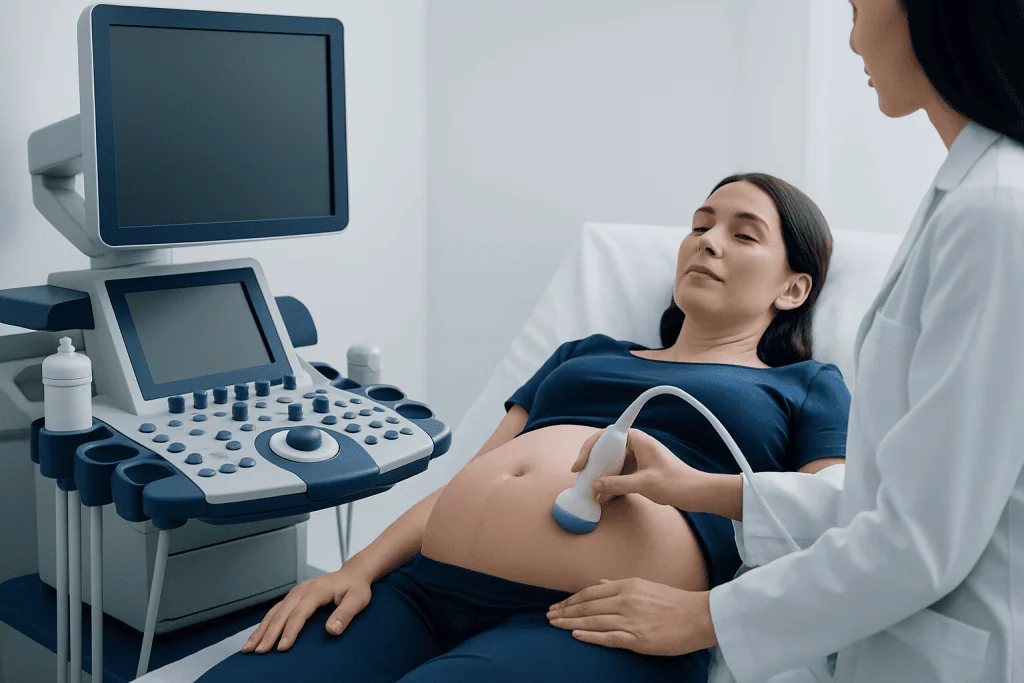
At 42 weeks pregnant, the most important step is to stay in close contact with the maternity team. Appointments are often more frequent now, and tests may be scheduled to monitor the baby’s heart rate, movements, amniotic fluid level, and placental function. These checks may include a nonstress test, ultrasound, or biophysical profile.
It can also help to review the birth plan in a flexible way. If labor has not started naturally, the doctor or midwife may discuss induction based on the baby’s status, cervical readiness, and the parent’s overall health. Some people may still be candidates for pregnancy follow-up and delivery with continued monitoring, while others may be advised to proceed with delivery sooner.
A practical checklist for this week may include:
- Count and note the baby’s movements every day as advised
- Attend all monitoring appointments without delay
- Keep the hospital bag, documents, and transportation plan ready
- Drink fluids and eat regular, balanced meals if possible
- Rest between contractions or periods of discomfort
- Ask the care team when to come in for labor signs or induction
It is also wise to avoid unproven methods to induce labor without medical guidance. Gentle walking or relaxation techniques may be acceptable for some people, but herbs, castor oil, or supplements should not be used unless a qualified clinician specifically recommends them.
How doctors monitor and treat a post-term pregnancy
Once pregnancy reaches 42 weeks, doctors usually monitor both the parent and baby closely. Fetal monitoring may include a nonstress test to assess heart rate patterns, ultrasound to measure amniotic fluid, and sometimes a biophysical profile, which combines ultrasound findings with fetal movement and breathing observations. These tests help estimate whether it is still safe to continue the pregnancy for a little longer or whether delivery is the safer option.
Treatment options depend on what the tests show and whether labor has already begun. If the cervix is favorable, induction may be recommended. This can involve methods to soften the cervix or stimulate contractions. If the baby shows signs of distress, if the fluid is very low, or if labor is not progressing safely, a cesarean birth may be considered.
Medical decisions are individualized. A person with another pregnancy-related condition, such as preeclampsia, gestational diabetes, or reduced fetal movement, may need a different plan than someone whose monitoring is reassuring. Near the end of care planning, some families may seek input from centers such as Acibadem International, where multidisciplinary specialists in JCI-accredited hospitals diagnose and treat complex pregnancy conditions for international patients.
When to seek medical care
Medical care should be sought promptly if there is any decrease in the baby’s usual movement pattern. It is also important to call a doctor or maternity unit right away for regular painful contractions, leaking fluid, vaginal bleeding, or suspected rupture of the membranes, even if there is uncertainty about whether labor has truly started.
Urgent medical advice is also needed for severe headache, sudden swelling, vision changes, chest pain, fainting, severe abdominal pain, or shortness of breath. These symptoms can signal complications that need prompt assessment. If a person feels that something is not right, it is appropriate to contact a healthcare professional rather than wait.
Even without warning signs, all recommended follow-up visits matter at this stage. At 42 weeks pregnant, timing can influence outcomes, so regular assessment helps the care team decide whether continued observation or delivery is the safest next step.
Frequently asked questions
Is it normal to be 42 weeks pregnant?
A pregnancy can sometimes continue to 42 weeks, although it is less common. At this stage, it is considered post-term, so doctors usually recommend closer monitoring to make sure the baby and parent remain well.
What symptoms are common at 42 weeks pregnant?
Common symptoms include pelvic pressure, fatigue, back pain, irregular contractions, and trouble sleeping. Some people may also notice more discharge or emotional stress from waiting for labor to begin.
How big is the baby at 42 weeks?
Babies at 42 weeks are usually fully grown and may be about the length of a watermelon, although size varies from one pregnancy to another. Ultrasound can help estimate growth, but it does not always predict exact birth weight.
Will labor start naturally at 42 weeks?
Labor can still start naturally at 42 weeks, but many doctors discuss induction by this point. The decision depends on the baby's monitoring results, amniotic fluid level, cervical changes, and the parent's overall health.
Why do doctors monitor more closely after the due date?
After the due date, the placenta may gradually become less efficient, and the amount of amniotic fluid may decrease. Monitoring helps identify whether the baby is still doing well and whether delivery should be recommended.
When should someone call a doctor at 42 weeks pregnant?
A doctor should be called for reduced fetal movement, regular painful contractions, leaking fluid, vaginal bleeding, severe headache, or vision changes. It is also appropriate to call if there is a strong feeling that something is not right, even if symptoms seem unclear.
References
- World Health Organization
- American College of Obstetricians and Gynecologists
- National Institute for Health and Care Excellence
- Royal College of Obstetricians and Gynaecologists
This article is for general information only and is not a substitute for professional medical advice. Please consult a qualified doctor about your individual situation.
IVF & fertility treatment in Turkey — success rates and costs
JCI-accredited · board-certified surgeons · reply within 24h
Add us as a Preferred Source to see more of our trusted health content across Google Search, AI Overviews and Discover.
Check your numbers in seconds
BMI, calories, due date, blood pressure and 30+ more clinical calculators — free, instant, doctor-reviewed ranges.