4th Degree Burn: An Evidence-Based Guide for Patients
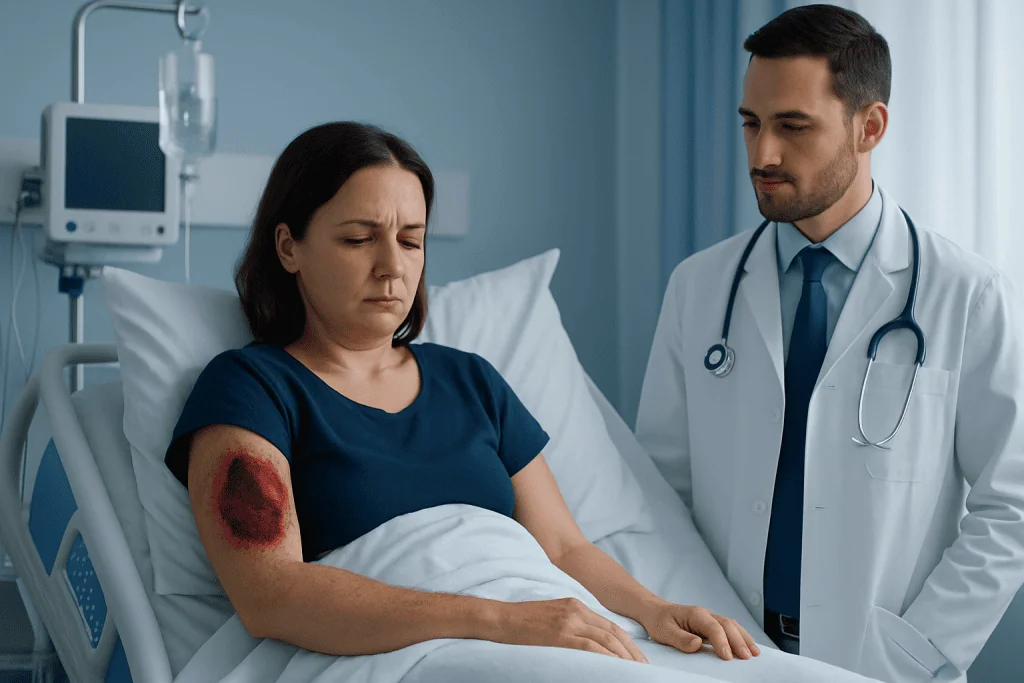
A 4th degree burn damages skin and deeper structures, not just the surface. This type of burn is a medical emergency and should not be treated at home.
Key Takeaways
- A 4th degree burn damages skin and deeper structures, not just the surface.
- This type of burn is a medical emergency and should not be treated at home.
- Pain may be absent in the most damaged area because nerves can be destroyed.
- Treatment often includes fluid support, wound care, surgery, and rehabilitation.
- Early specialist care helps reduce infection, scarring, and long-term loss of function.
A 4th degree burn is the most severe type of burn injury. It extends through the skin into deeper tissues such as fat, muscle, tendons, or bone and always requires urgent medical treatment.
Overview: what a 4th degree burn means
A 4th degree burn is a very severe burn injury that goes beyond the outer and inner layers of the skin. It extends into deeper tissues such as fat, muscle, tendons, and sometimes bone. Because of this depth, it is considered a life-threatening emergency that needs immediate hospital care.
Unlike milder burns, a 4th degree burn does not simply heal with dressings and time. The injured tissue is usually destroyed, and the body may not be able to repair the area on its own. Treatment often involves burn specialists, careful monitoring, and procedures to remove damaged tissue and cover the wound.
These burns may happen after contact with flames, electricity, chemicals, hot metal, or prolonged exposure to intense heat. The seriousness depends not only on depth, but also on the size of the burn, the body area involved, the person’s age, and whether smoke inhalation or other injuries occurred at the same time.
Signs and symptoms to recognize
A 4th degree burn may look white, brown, black, charred, leathery, or dry. The appearance can vary depending on the cause. In some cases, the center of the burn may have little or no pain because the nerves in that area have been severely damaged, while the surrounding less-deep burns can be very painful.
Other symptoms can include swelling, blistering around the edges, exposed deeper tissue, limited movement in a nearby joint, or signs of circulation problems if the burn wraps around a limb. Burns to the face, neck, or chest may also affect breathing, especially if smoke or hot air was inhaled.
People with major burns may develop symptoms beyond the skin itself. These can include weakness, confusion, dizziness, rapid heartbeat, low blood pressure, chills, or signs of shock. When a burn is deep or extensive, the entire body can be affected.
- Charred, waxy, or leathery skin
- Loss of feeling in the deepest part of the burn
- Visible damage to fat, muscle, or bone
- Severe pain in surrounding areas
- Breathing trouble after fire or smoke exposure
How 4th degree burns happen and who is at higher risk

The most common causes of a 4th degree burn are direct flame injuries, high-voltage electrical injuries, serious chemical exposure, and contact with very hot objects for a long time. Explosions and industrial accidents can also cause this level of tissue damage. Electrical burns are especially important because the skin injury may look limited while deeper tissues are badly injured.
Some people are at greater risk of severe burn injury. This includes workers around electricity, chemicals, heat, or open flames; older adults; young children; and people with reduced mobility or poor sensation. Chronic illnesses can also make recovery harder by increasing the risk of infection or slowing wound healing.
Burn severity is not judged by appearance alone. A smaller but deeper burn on the hands, feet, face, genitals, or over a major joint can have major consequences for function. Burns may also occur alongside trauma, inhalation injury, or conditions such as skin cancer that affect the skin and complicate wound assessment, although these are separate conditions.
How doctors diagnose the injury and assess severity
Doctors diagnose a 4th degree burn through a physical examination and by understanding how the injury happened. They assess the color, texture, depth, and size of the burn, as well as whether movement, sensation, or blood flow are affected. The location of the burn is also important because injuries involving the face, hands, feet, genitals, or joints need especially careful treatment.
In hospital, the team also checks for problems that are not immediately visible. This may include airway injury from smoke inhalation, hidden muscle damage after electrical burns, dehydration, infection risk, and the body’s response to severe trauma. Blood tests, imaging, and heart monitoring may be used depending on the cause and the person’s overall condition.
When there is concern about the wound extending deeply or affecting structures under the skin, specialists may use imaging or surgical assessment to understand the full extent of injury. This helps guide decisions about wound cleaning, tissue removal, and reconstructive care. Patients with extensive burns may be managed in a specialized burn or intensive care setting.
Emergency treatment and hospital care
A 4th degree burn should never be treated as a minor home injury. Emergency care focuses first on airway, breathing, and circulation. The medical team may provide oxygen, intravenous fluids, pain control, temperature support, and careful wound covering to reduce contamination while further treatment is planned.
Once the person is stable, treatment usually includes cleaning the wound and removing dead tissue, a process called debridement. Because these burns often cannot heal on their own, surgery is common. This may involve burn treatment in a specialist unit, skin coverage procedures such as skin graft surgery, and, in selected cases, reconstructive surgery to restore function and appearance as much as possible.
Antibiotics are not always given routinely for every burn, but they may be used if infection is suspected or confirmed. Patients may also need nutritional support, tetanus protection, physical therapy, and splints to help preserve movement. If a burn cuts off circulation around a limb or chest, urgent procedures may be needed to relieve pressure.
In severe cases, care continues long after the first emergency. Recovery may involve repeated dressing changes, additional operations, scar management, and emotional support. Specialists aim not only to close the wound but also to protect hand function, walking ability, breathing, and overall quality of life.
Recovery, complications, and long-term outlook
Recovery from a 4th degree burn is often prolonged because the injury affects both the skin and deeper tissues. Healing time depends on the cause, the size of the burn, the body area involved, and the person’s general health. Many patients need weeks to months of treatment, and some require staged procedures over a longer period.
Possible complications include infection, dehydration, low body temperature, severe scarring, stiffness, chronic pain, numbness, muscle loss, and reduced function of nearby joints. Electrical burns can also cause internal damage that may not be obvious at first. Emotional effects such as anxiety, sleep problems, or distress about appearance are also common and deserve attention.
Rehabilitation is an important part of treatment. Exercises, pressure garments, splints, occupational therapy, and scar care may help improve movement and reduce contractures. Some people also benefit from follow-up with specialists in skin conditions or scar-focused care when the healed area remains fragile, thickened, or uncomfortable.
With expert treatment and follow-up, many people make meaningful progress, even after very serious burns. The main goals are to support healing, reduce complications, preserve independence, and help the person return as safely as possible to everyday activities.
What to do right away, prevention, and self-care
If a 4th degree burn is suspected, emergency services should be contacted immediately. The person should be moved away from the source of injury if it is safe to do so. Tight clothing or jewelry near the burn can be removed gently if not stuck to the skin, but the burned area should not be scrubbed, iced, or covered with creams, butter, powders, or home remedies.
A clean, dry cloth or sterile dressing can be placed loosely over the wound while waiting for emergency care. If the burn is caused by chemicals, the area may need prolonged flushing with water, depending on the chemical involved and safety guidance from emergency professionals. For electrical injuries, the power source must be off before touching the person.
Prevention centers on reducing exposure to fire, electricity, and hazardous chemicals. Smoke alarms, safe cooking habits, childproofing, protective workplace equipment, and careful handling of hot devices all matter. Families should also know that deep burns can happen quickly, especially in enclosed fires and industrial accidents.
After the emergency phase, self-care should follow the treating team’s instructions closely. This may include wound care, scar care, prescribed exercises, nutrition support, and watching for signs of infection. Near the end of the care journey, some international patients choose evaluation at Acibadem International, where multidisciplinary specialists in JCI-accredited hospitals diagnose and treat complex burn-related problems.
When to seek medical care
A suspected 4th degree burn always needs immediate medical care. Emergency evaluation is especially important if the burn is deep, larger than a person’s palm, affects the face or hands, goes around a limb, follows an electrical or chemical injury, or happens with smoke exposure.
Medical help is also needed if there are signs of breathing difficulty, confusion, fainting, severe swelling, uncontrolled pain, fever, foul odor, increasing redness, or drainage from the wound. Any burn in a child, older adult, or person with major health conditions should be assessed carefully.
Even after initial treatment, follow-up remains essential. A doctor should reassess delayed healing, loss of movement, new numbness, thick scars, or emotional distress after a serious burn. Early review can help prevent longer-term problems and guide referral to burn, plastic, rehabilitation, or mental health specialists when needed.
Frequently asked questions
What is the difference between a 4th degree burn and a 3rd degree burn?
A 3rd degree burn destroys the full thickness of the skin, while a 4th degree burn goes deeper into tissues such as fat, muscle, tendons, or bone. Because of this added depth, a 4th degree burn is more serious and usually requires more complex hospital treatment.
Can a 4th degree burn be painless?
Yes. The deepest part of a 4th degree burn may not hurt because the nerves there can be destroyed. However, the surrounding areas may still be very painful, especially if they are less deeply burned.
Can a 4th degree burn heal without surgery?
In most cases, no. These burns often destroy tissue so completely that the body cannot close the wound on its own, so surgical treatment is commonly needed. The exact plan depends on the size, location, and depth of injury and the person's overall health.
How long does recovery from a 4th degree burn take?
Recovery can take weeks to months, and some people need long-term follow-up. Healing time depends on the extent of the burn, whether surgery is needed, the risk of infection, and how well movement and scar care are supported during rehabilitation.
What should not be put on a severe burn?
Home remedies such as butter, oils, toothpaste, powders, or ice should not be used on a severe burn. These can worsen tissue injury, increase infection risk, or make medical assessment harder. A suspected 4th degree burn needs emergency care rather than home treatment.
Are electrical burns more dangerous than they look?
They can be. Electrical burns may cause deep internal damage even when the skin injury seems small. That is why all high-voltage electrical burns and any electrical burn with symptoms such as muscle pain, weakness, or loss of consciousness should be assessed urgently.
References
- World Health Organization
- American Burn Association
- National Institute of General Medical Sciences
- MedlinePlus
- Mayo Clinic
This article is for general information only and is not a substitute for professional medical advice. Please consult a qualified doctor about your individual situation.
Joint and spine care in Turkey — expert assessment & treatment
JCI-accredited · board-certified surgeons · reply within 24h
Add us as a Preferred Source to see more of our trusted health content across Google Search, AI Overviews and Discover.
Check your numbers in seconds
BMI, calories, due date, blood pressure and 30+ more clinical calculators — free, instant, doctor-reviewed ranges.

More from the Health Library

Agent Orange: A Complete Medical Overview

Cephalic: A Complete Medical Overview

At Home Flu Test: An Evidence-Based Guide for Patients
Respite Care: A Complete Medical Overview

Chia Seeds Benefits — Explained by Medical Evidence, Not Myths