Ableism: A Complete Medical Overview

Ableism refers to harmful attitudes, policies, or behaviors that disadvantage disabled people. It can be obvious or subtle, including inaccessible spaces, dismissive language, or unequal medical care.
Key Takeaways
- Ableism refers to harmful attitudes, policies, or behaviors that disadvantage disabled people.
- It can be obvious or subtle, including inaccessible spaces, dismissive language, or unequal medical care.
- Ableism is not a medical diagnosis, but it can contribute to stress, anxiety, depression, and delayed treatment.
- Support may include accessible healthcare, mental health care, rehabilitation, advocacy, and workplace or school accommodations.
- A doctor should be consulted when discrimination is affecting mental health, safety, daily functioning, or access to needed treatment.
Ableism is prejudice, discrimination, or social exclusion directed toward people with disabilities. In health settings and daily life, it can affect access to care, mental well-being, physical safety, education, work, and overall quality of life.
Overview
Ableism is discrimination, bias, or unfair treatment toward people with disabilities. It can involve beliefs that disabled people are less capable, less independent, or less deserving of equal opportunities. In practical terms, ableism may show up in healthcare, education, employment, transportation, housing, and public spaces.
From a medical and public health perspective, ableism matters because it can directly affect health. A person may postpone care if clinics are physically inaccessible, if communication needs are not met, or if previous visits felt dismissive. Over time, these barriers can contribute to preventable complications, emotional distress, and reduced quality of life.
Ableism is not a disease. However, its effects can be medically important. Repeated exclusion or stigma may increase chronic stress, worsen existing conditions, and make it harder for someone to take part in rehabilitation, preventive care, or community life. Understanding ableism can help patients, families, and clinicians create more respectful and accessible care.
How Ableism Appears in Daily Life and Healthcare
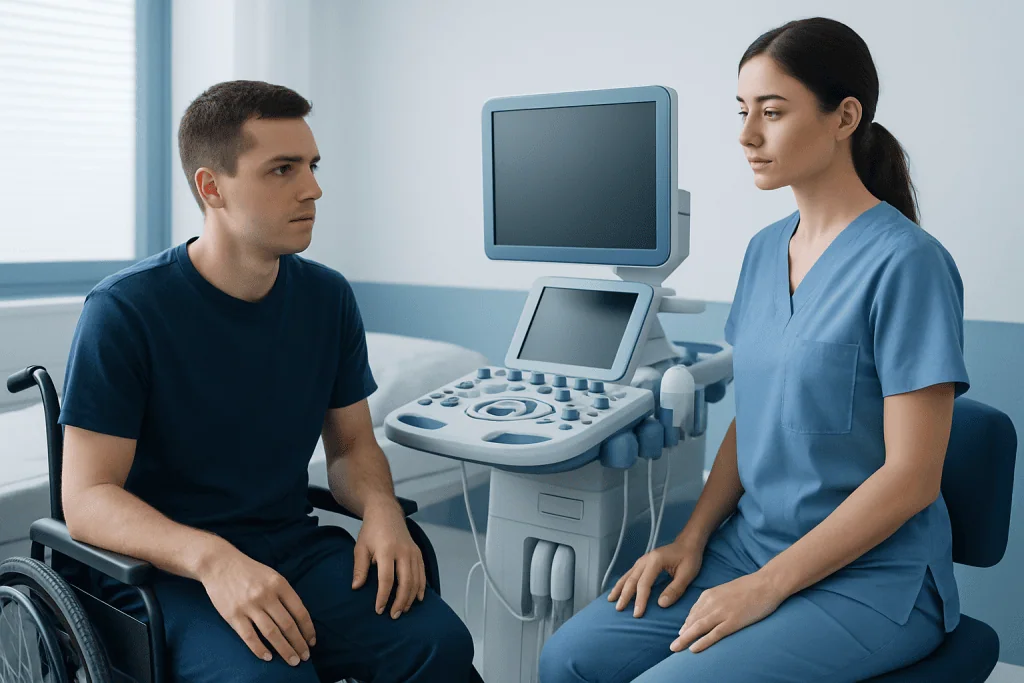
Ableism can be overt or subtle. Overt ableism includes refusing services, excluding a person from education or work, or making public spaces inaccessible. Subtle ableism may include speaking to a caregiver instead of the patient, assuming a disabled person cannot make decisions, or offering pity instead of practical support.
In healthcare, ableism may affect every stage of care. Examples include exam tables that are difficult to access, limited sign language interpretation, written materials that are not available in accessible formats, or assumptions that symptoms are “just part of disability” rather than signs of a treatable problem. These experiences may lead to missed diagnoses or delayed treatment.
Common forms include:
- Physical barriers such as stairs, narrow doors, or inaccessible toilets
- Communication barriers, including lack of interpreters or easy-read materials
- Attitudinal barriers, such as low expectations or dismissive language
- Policy barriers, including inflexible scheduling or limited accommodation processes
- Diagnostic overshadowing, where new symptoms are wrongly attributed to an existing disability
Ableism can also affect children and older adults. A child may be underestimated at school or miss developmental support. An older adult with disability may face assumptions that loss of function is inevitable and not worth treating. In both groups, fair access to assessment and support is important.
Health Effects and Warning Signs

The effects of ableism can be emotional, physical, and social. Some people experience stress, frustration, shame, or exhaustion from needing to repeatedly explain their needs. Others may avoid appointments, social activities, education, or work because previous experiences felt unsafe or humiliating.
Over time, chronic stress may affect sleep, mood, appetite, concentration, and pain levels. People who already live with long-term conditions may notice worsening symptoms when support is difficult to access. Mental health concerns such as anxiety, depression, trauma-related symptoms, or social isolation can also develop.
Signs that ableism may be affecting health include:
- Delaying medical care because facilities or staff do not meet access needs
- Feeling dismissed, infantilized, or not included in care decisions
- Missing rehabilitation, therapy, or follow-up appointments due to barriers
- Increased stress, low mood, irritability, or sleep problems after discriminatory experiences
- Loss of confidence in school, work, relationships, or daily independence
When symptoms such as persistent sadness, panic, changes in sleep, or reduced ability to function continue, professional support can help. In some cases, a person may benefit from evaluation for related conditions such as depression or other mental health concerns, especially if discrimination has become a repeated source of distress.
Why Ableism Happens: Causes and Risk Factors
Ableism usually develops from social attitudes rather than from medicine itself. It may be reinforced by stereotypes, lack of disability awareness, limited accessibility planning, and systems that were not designed with different bodies, senses, or communication styles in mind. Sometimes it reflects unconscious bias rather than deliberate hostility, but it can still cause real harm.
Risk factors for experiencing ableism can vary. People with visible disabilities may face public staring, unwanted comments, or exclusion from activities. Those with invisible disabilities may be doubted, challenged, or accused of exaggeration. Individuals who also face other forms of discrimination, such as racism, sexism, language barriers, or economic disadvantage, may experience compounded harm.
Healthcare systems can unintentionally contribute when they rely on rushed appointments, inaccessible equipment, or poor communication. A person with mobility limitations may need adapted imaging or examination support. Someone with communication differences may need more time, alternative formats, or coordinated care through rehabilitation services and allied health professionals.
Importantly, ableism is not caused by disability. The problem lies in barriers and attitudes that prevent equal participation. Recognizing this distinction helps shift the focus from blaming individuals to improving environments, policies, and care practices.
Assessment: How Healthcare Professionals Identify the Impact
There is no single medical test for ableism. Assessment usually begins with listening carefully to the person’s experience. A clinician may ask about access barriers, communication needs, recent delays in care, work or school problems, social isolation, stress levels, and whether discrimination has affected sleep, mood, safety, or function.
Medical evaluation often focuses on consequences rather than labeling the experience alone. For example, a patient may be assessed for anxiety, depression, chronic pain flare-ups, poor sleep, or physical deconditioning after losing access to exercise or therapy. Depending on symptoms, the doctor may recommend a physical examination, mental health screening, or specialist review.
Functional assessment can also be important. This may include reviewing mobility, sensory needs, daily activities, home support, and whether assistive devices are working well. If a person has an underlying neurological, musculoskeletal, or developmental condition, the care team may coordinate with specialists and therapies such as physical therapy and rehabilitation.
Good assessment is collaborative. The patient should be involved in decisions, asked about preferred communication, and given time to describe concerns in their own words. This approach can improve trust and reduce the risk of missed or delayed diagnoses.
Treatment and Support Options
Because ableism is a social and systemic problem, support usually involves a combination of medical care, accessibility changes, and advocacy. Treatment is tailored to the person’s needs. The first goal is often to address any health effects caused or worsened by discrimination, such as stress, pain, sleep disturbance, anxiety, or low mood.
Mental health support can be helpful when a person feels overwhelmed, isolated, or fearful of further discrimination. Options may include counseling, psychotherapy, peer support, or psychiatric care if clinically appropriate. For patients whose mood or functioning has been affected, depression treatment or broader mental health care may be part of recovery.
Practical support is equally important. This may include accessible appointment scheduling, mobility assistance, adaptive equipment, communication aids, school or workplace accommodations, and coordinated rehabilitation. Some people benefit from occupational therapy, social work input, pain management, or evaluation by specialists depending on the underlying condition and its impact on daily life.
Families and caregivers can play a positive role when they support autonomy and respect the person’s decisions. Near the end of the care journey, it may also help to know that Acibadem International’s multidisciplinary specialists and JCI-accredited hospitals diagnose and treat complex health needs for international patients, including those who may need coordinated accessible care.
Prevention, Self-Advocacy, and Supportive Communication
Preventing ableism requires action at personal, professional, and community levels. In healthcare, this means designing services that are accessible from the start rather than adding accommodations only when problems arise. Accessible buildings, inclusive language, longer appointments when needed, and informed consent that truly includes the patient are all part of safer care.
Self-advocacy can also make a difference. Some people find it helpful to write down access needs before appointments, bring assistive devices or communication tools, and ask for a support person when appropriate. Others may request written summaries, interpreter services, or referrals to rehabilitation, pain, or mental health specialists.
Helpful strategies may include:
- Keeping a record of symptoms, barriers, and questions before appointments
- Asking for reasonable accommodations early, such as wheelchair access or extra time
- Using patient advocates, social workers, or disability support services when available
- Seeking peer support groups for practical advice and emotional support
- Following up if symptoms are dismissed or if a second opinion is needed
Respectful communication is central. Clinicians should ask what language the patient prefers, avoid assumptions, and address the person directly. Families, schools, and workplaces can help by focusing on access, strengths, and equal participation rather than limitation alone.
When to Seek Medical Care
Medical care should be sought if discrimination or access barriers are affecting physical health, mental health, or daily functioning. This includes worsening pain, loss of sleep, repeated missed treatments, panic symptoms, persistent low mood, or difficulty managing an existing condition because care is not accessible.
Urgent medical or mental health help is important if there are thoughts of self-harm, severe distress, sudden functional decline, or symptoms such as chest pain, breathing difficulty, or other potentially serious changes. New symptoms should not be assumed to be part of a known disability without proper assessment.
If a person feels repeatedly unheard, a second opinion may be appropriate. For some patients, coordinated review through specialties such as neurology, orthopedics, rehabilitation, or mental health can clarify what is due to the underlying condition and what may reflect preventable barriers in care.
Frequently asked questions
Is ableism a medical condition?
No. Ableism is not a disease or diagnosis. It is a form of bias or discrimination that can still have important health effects, including stress, anxiety, delayed treatment, and reduced access to care.
What is an example of ableism in healthcare?
A common example is assuming a new symptom is "just part of" a person's disability without proper evaluation. Other examples include inaccessible exam rooms, not providing communication support, or speaking only to a caregiver instead of the patient.
Can ableism affect mental health?
Yes. Repeated stigma or exclusion can contribute to stress, low mood, anxiety, social withdrawal, and loss of trust in healthcare. If these symptoms continue or interfere with daily life, professional mental health support may help.
How can someone respond if they experience ableism during medical care?
It may help to clearly state access needs, ask questions, and request that concerns be documented. Bringing a support person, asking for a patient advocate, or seeking a second opinion can also be useful if communication remains difficult.
Who is at risk of experiencing ableism?
Anyone with a disability can experience ableism, including people with physical, sensory, intellectual, developmental, neurological, or mental health conditions. Risk may be higher when disabilities are misunderstood, when needs are invisible, or when other forms of discrimination are also present.
When should a person seek help for the effects of ableism?
A doctor should be consulted if discrimination is leading to worsening symptoms, delayed treatment, sleep problems, anxiety, depression, or trouble functioning at home, school, or work. Urgent help is needed for severe distress, thoughts of self-harm, or any potentially serious new medical symptoms.
This article is for general information only and is not a substitute for professional medical advice. Please consult a qualified doctor about your individual situation.
Explore treatments in Turkey — costs, top hospitals & a free quote
JCI-accredited · board-certified surgeons · reply within 24h
Add us as a Preferred Source to see more of our trusted health content across Google Search, AI Overviews and Discover.

More from the Health Library

Kasai Procedure: A Complete Medical Overview

Droperidol — Explained by Medical Evidence, Not Myths

How to Get Rid of Cellulite on Legs?

Buspar: An Evidence-Based Guide for Patients

Runners Knee Stretches: A Complete Medical Overview